
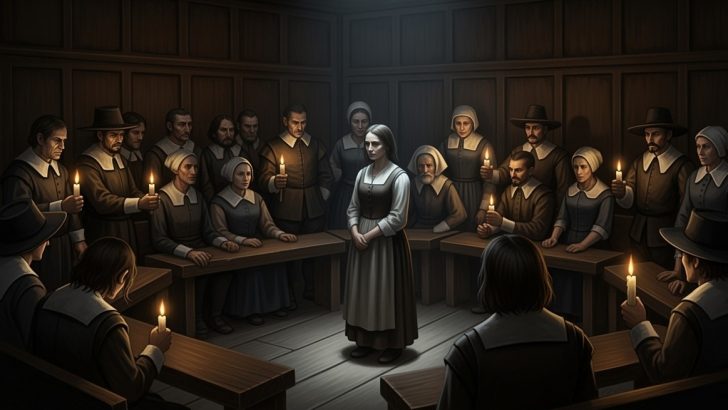
History is full of people being blamed for bad weather, political scandals, mysterious illnesses, and crops that apparently lacked enthusiasm. Before social media gave us conspiracy theories about lizard people and secret moon bases, accusations of witchcraft were the go-to explanation for anything strange, inconvenient, or mildly unsettling. Be unusually intelligent? Witch. Own too many cats? Witch. Predict an eclipse using mathematics? Definitely a witch.
Many of the people accused of witchcraft weren’t practicing magic at all. Some were political enemies, some were victims of superstition, and some simply had the misfortune of being smarter, richer, or more independent than society was comfortable with. Here are some of history’s most fascinating figures who found themselves facing the age-old charge of “probably involved with dark forces.”
1. Joan of Arc
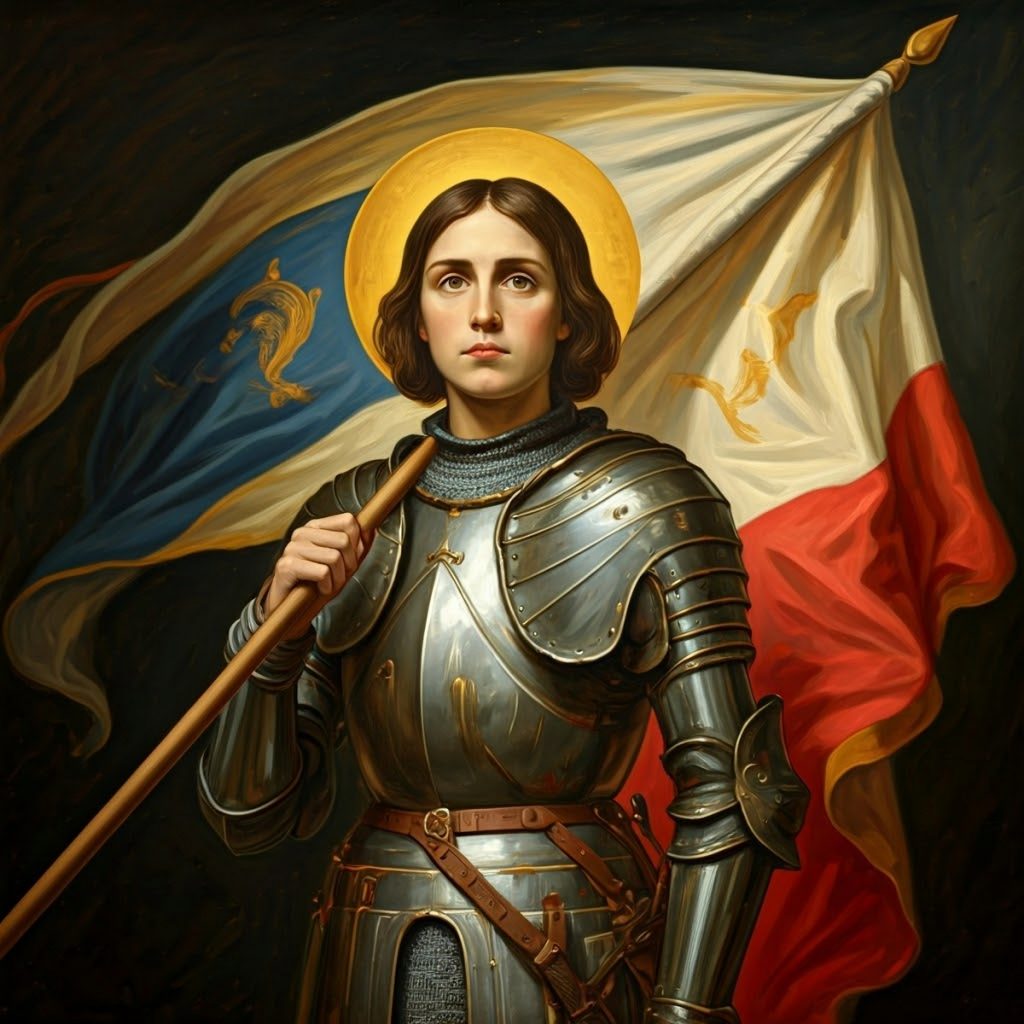
If there were an award for “Historical Figure Most Likely to Be Mistaken for a Fantasy Novel Character,” Joan of Arc would be a strong contender. A teenage peasant girl claiming that saints were speaking to her and instructing her to lead armies into battle sounded miraculous to supporters and deeply suspicious to enemies.
During the later stages of the Hundred Years’ War, Joan helped inspire French forces to several important victories. Unfortunately, when she was captured by English-allied forces, her military achievements suddenly became evidence that she might have had supernatural assistance of the less heavenly variety.
Her trial included accusations of heresy, sorcery, and dealings with demons. Apparently, a teenage girl successfully outsmarting seasoned military commanders was simply too improbable for some observers to explain through ordinary means. Joan was executed in 1431, but decades later the verdict was overturned, and she eventually became a saint. That may be history’s greatest example of going from “suspected witch” to “officially holy.”
2. Alice Kyteler
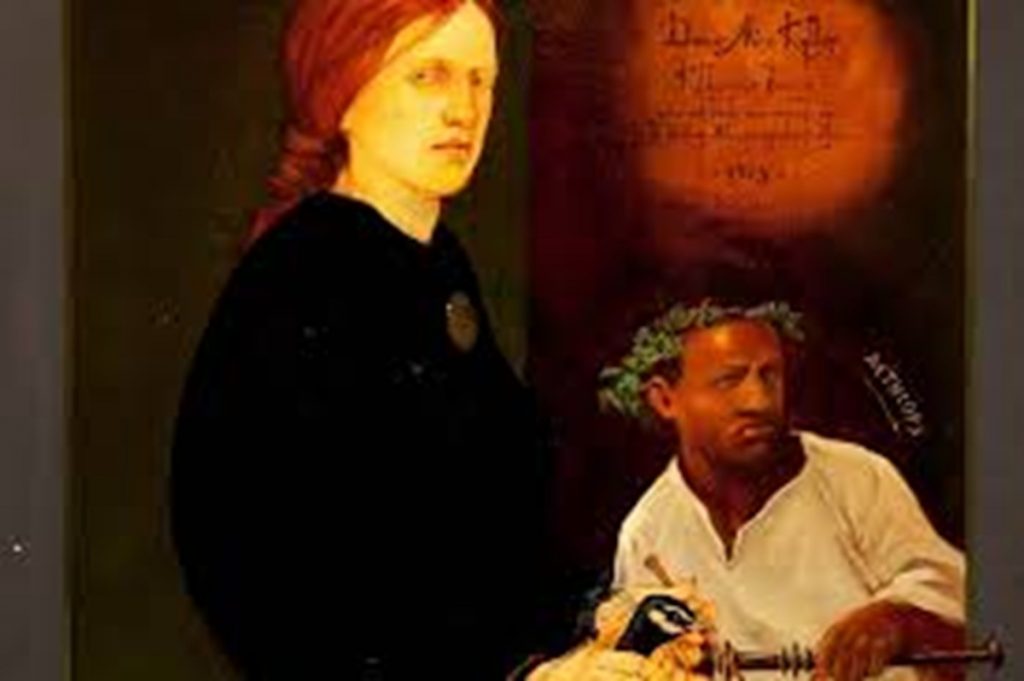
Long before the famous witch trials of later centuries, Alice Kyteler was already pioneering the unfortunate career path of “wealthy widow everyone finds suspicious.” Living in medieval Ireland, she accumulated considerable wealth through a series of marriages. Unfortunately for Alice, surviving several husbands in succession made people ask questions.
Those questions quickly escalated from “How tragic” to “Did she poison them with dark magic?” Her stepchildren accused her of using sorcery, making magical potions, and communicating with demons. Authorities even claimed she had sacrificed animals and performed strange rituals.
In 1324 she became one of the earliest known people in Ireland formally accused of witchcraft. Unlike many others who faced similar charges, Alice managed an impressive disappearing act and fled the country before punishment could be carried out. One of her servants was not so fortunate and became one of the first people executed for witchcraft in Ireland. Alice essentially invented the medieval version of “delete your account and move abroad.”
3. Agnes Sampson
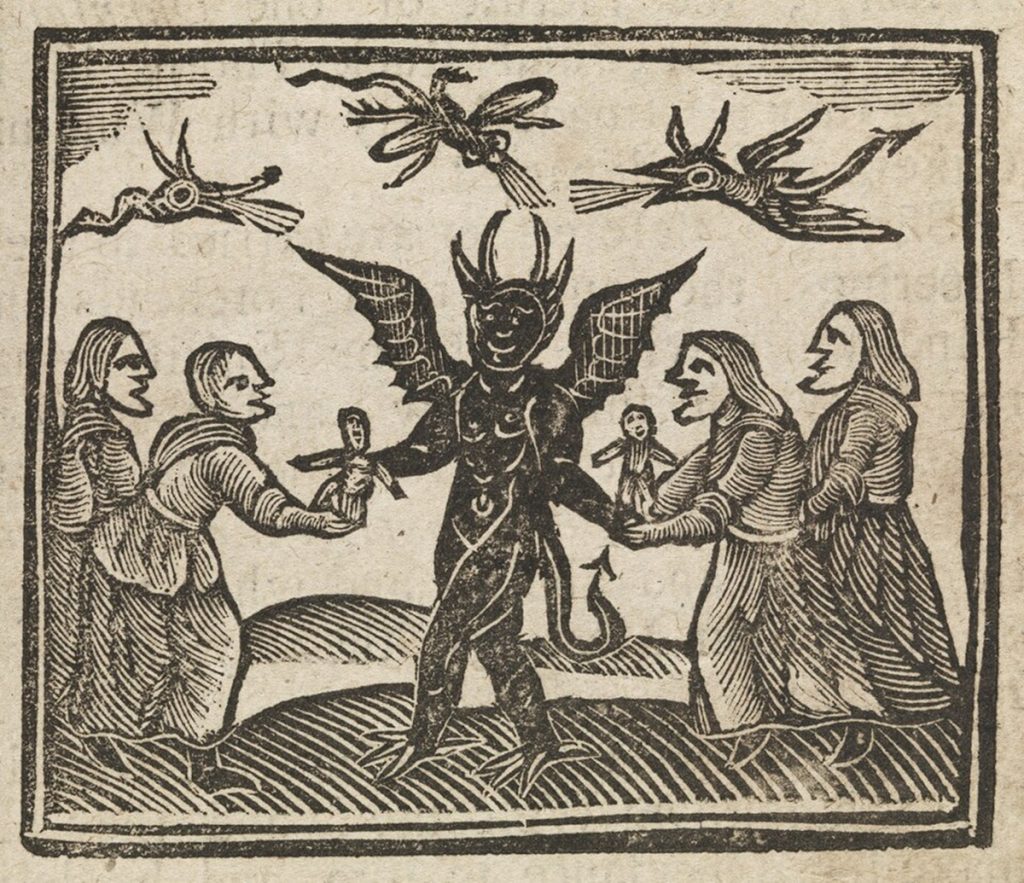
Agnes Sampson was a respected healer and midwife in Scotland, which in the late sixteenth century turned out to be approximately as safe as being a shark lifeguard. Her medical knowledge and reputation in the community eventually attracted unwanted attention during widespread witch hunts.
She became entangled in the infamous North Berwick witch trials, where dozens of people were accused of conspiring against James VI and I. One allegation claimed that witches had attempted to create storms to sink the king’s ship during his return voyage from Denmark.
Agnes was subjected to brutal interrogation and torture before eventually confessing to impossible crimes that included attending gatherings with the devil and using magic to influence weather. As meteorologists can confirm, controlling storms remains difficult even with satellites and supercomputers, yet sixteenth-century authorities were confident that a local healer had mastered the skill.
4. Catherine Monvoisin
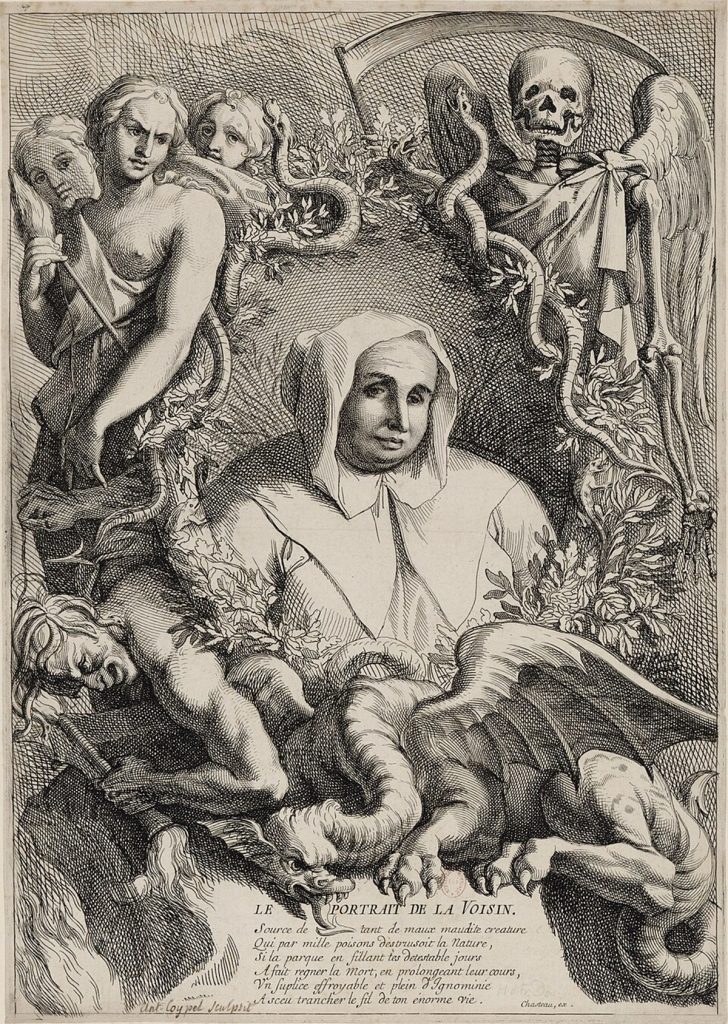
Unlike many people accused of witchcraft, Catherine Monvoisin may have actually leaned into the reputation. Better known as La Voisin, she operated in seventeenth-century France as a fortune teller, seller of potions, and provider of questionable life advice that probably should have come with a warning label.
She became central to the notorious Affair of the Poisons, a scandal that rocked the court of Louis XIV. Investigators alleged that members of the aristocracy sought magical services ranging from love potions to curses against rivals.
Separating fact from rumor remains difficult because panic and sensationalism spread rapidly during the investigation. Nevertheless, La Voisin became one of the most famous alleged witches in European history. If modern tabloids had existed in seventeenth-century Paris, she would have dominated headlines for years.
5. Mother Shipton
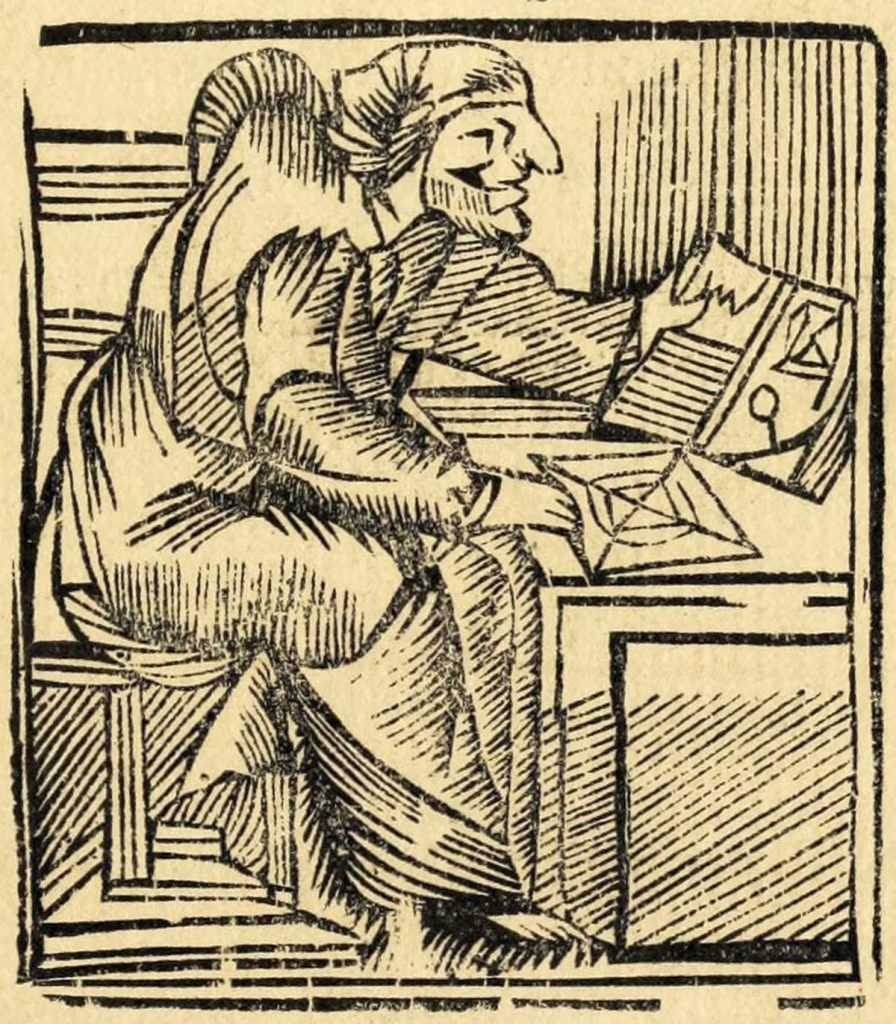
Mother Shipton occupies a fascinating middle ground between history and legend. Born as Ursula Southeil in sixteenth-century England, she gained fame as a prophetess whose predictions supposedly foretold major events centuries into the future.
Stories about her appearance did not help matters. Descriptions often portrayed her as unusually ugly, with exaggerated features that conveniently matched popular stereotypes about witches at the time. Medieval society had an unfortunate habit of treating physical appearance as evidence in supernatural investigations.
Although there is little proof she practiced witchcraft, many people believed she possessed magical abilities or prophetic powers. Over time, publishers added increasingly dramatic predictions to her legend, turning her into England’s version of a celebrity psychic mixed with an urban legend. Whether she truly made any predictions remains debated, but her reputation proved remarkably durable.
6. Hypatia
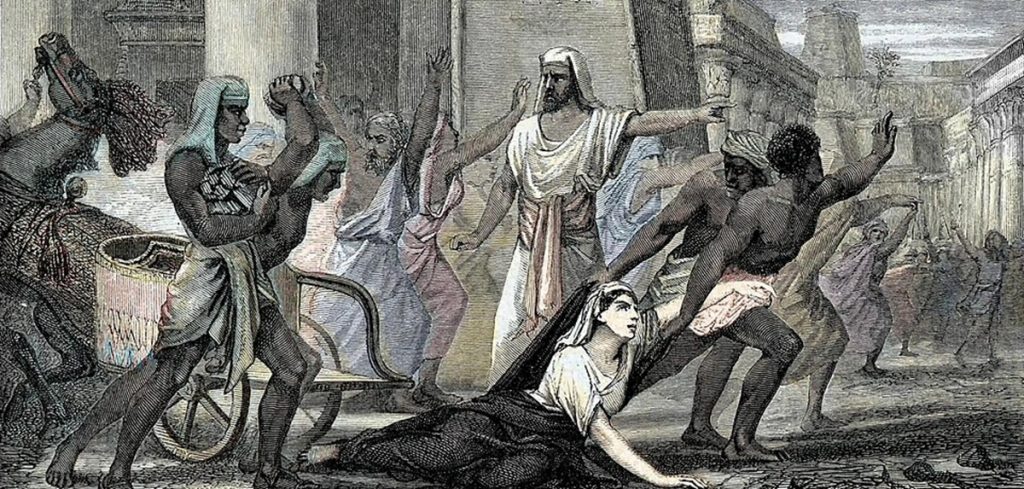
Hypatia was a mathematician, astronomer, and philosopher living in Alexandria during the fourth and fifth centuries. She taught science and philosophy at a time when educated women were exceptionally rare, which unfortunately made her an easy target for suspicion and political hostility.
Although she was not formally tried as a witch in the medieval sense, opponents accused her of practicing magic, using astrology, and employing supernatural means to influence political leaders. Her extensive knowledge of mathematics and astronomy probably appeared mysterious to people unfamiliar with such subjects.
History repeatedly demonstrates that sufficiently advanced mathematics can resemble wizardry to those who dislike homework. Hypatia became caught in political and religious conflicts within Alexandria and was eventually murdered by a mob in 415 CE.
Today she is remembered as one of the ancient world’s greatest intellectuals, proving once again that accusations of sorcery have often said more about society’s fears than about the accused.
7. Merga Bien
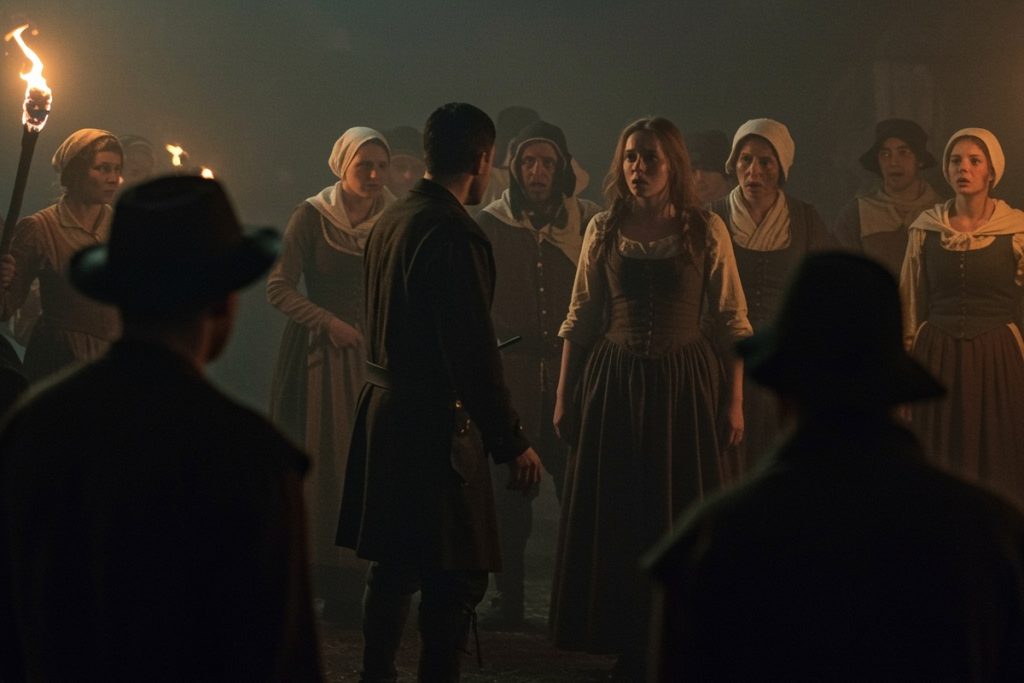
Merga Bien lived in Germany during one of Europe’s most intense periods of witch persecution. A widow who had inherited property and remarried several times, she fit many of the stereotypes that authorities associated with witchcraft.
She was arrested during the massive German witch hunts of the late sixteenth century and accused of attending sabbaths, causing deaths through magic, and making pacts with the devil. Investigators even claimed she had used supernatural powers to influence pregnancies and illnesses.
One particularly absurd element of her case involved accusations that she had murdered family members through magical means. Under torture she confessed to numerous impossible crimes, as many accused witches did.
Merga was executed in 1603 despite the lack of credible evidence against her. Her story serves as a reminder that witch hunts often targeted vulnerable individuals rather than dangerous sorcerers. History’s actual monsters were frequently the legal systems conducting the trials.

Lover of good music, reading, astrology and making memories with friends and spreading positive vibes! 🎶✨I aim to inspire others to find meaning and purpose through a deeper understanding of the universe’s energies.