
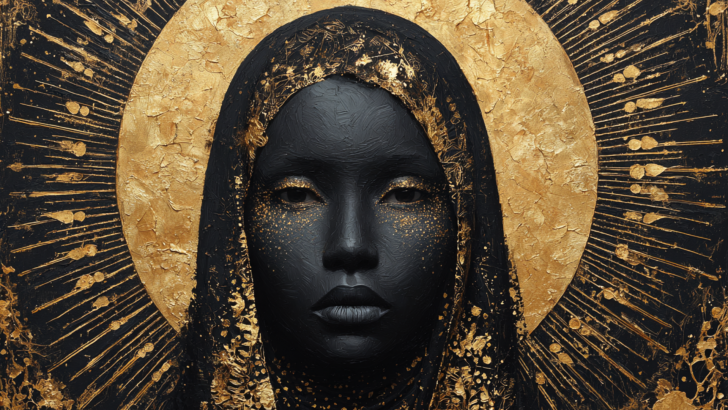
The Black Madonna is an enigmatic and often hotly debated figure in religious history, attracting both reverence and intrigue.
Many hypotheses have been proposed about her dark complexion, ranging from spiritual interpretations to ancient “secret” origins.
Today, she is a continuing source of fascination for historians, as well as for followers and seekers who perceive in her the existence of a uniquely divine and strong energy.
The Origins Rooted in Ancient Mother Goddess Worship
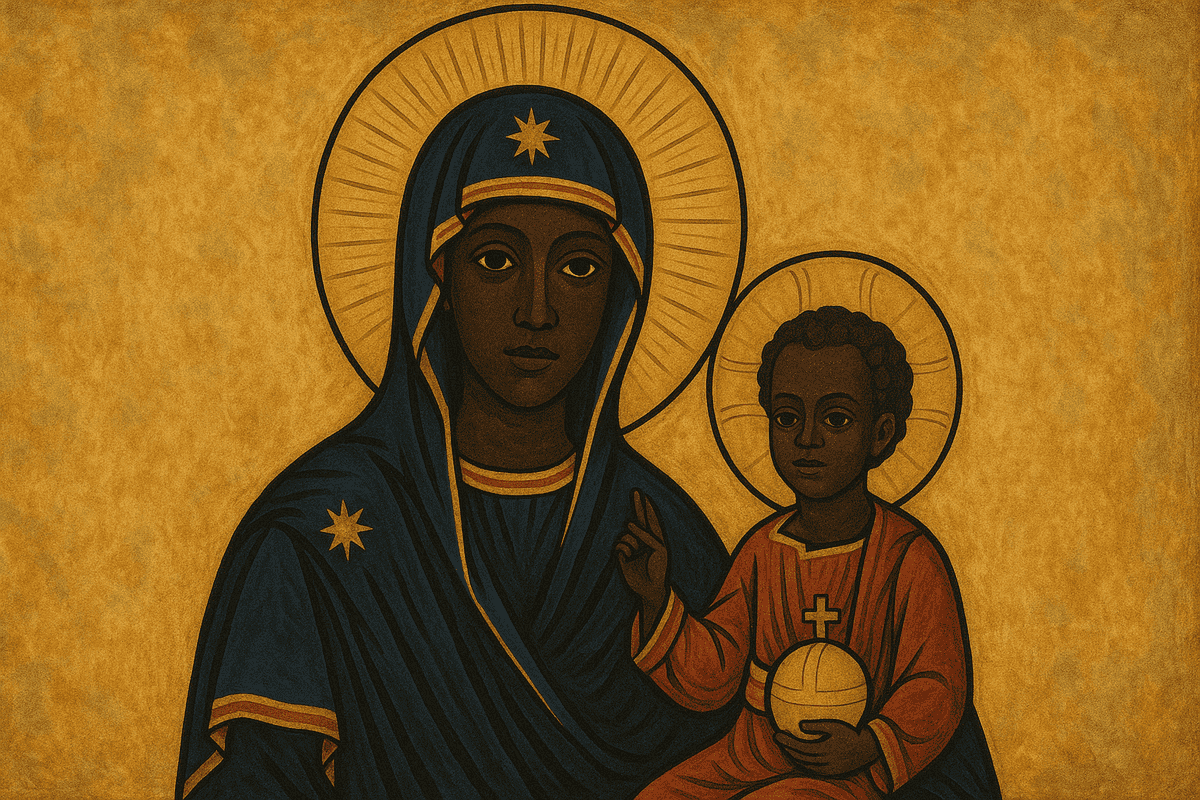
The Black Madonna has a long and detailed history that predates what many people may think. Historians frequently link her imagery with ancient representations of mother goddesses such as Isis and Cybele, who represented fertility, protection, and wisdom.
When Christianity developed and began spreading, the symbols used by Christians began to merge with local symbolic traditions and thus created a symbol that was both easily recognizable and familiar to pagans and early Christians alike.
For example, many times, her dark-skinned appearance did not raise an eyebrow since it represented the earth’s riches, life, and womanhood. The merging of cultures created an icon that included a long history of meaning prior to churches displaying her likeness.
Medieval Europe’s Fascination With Her Dark Appearance
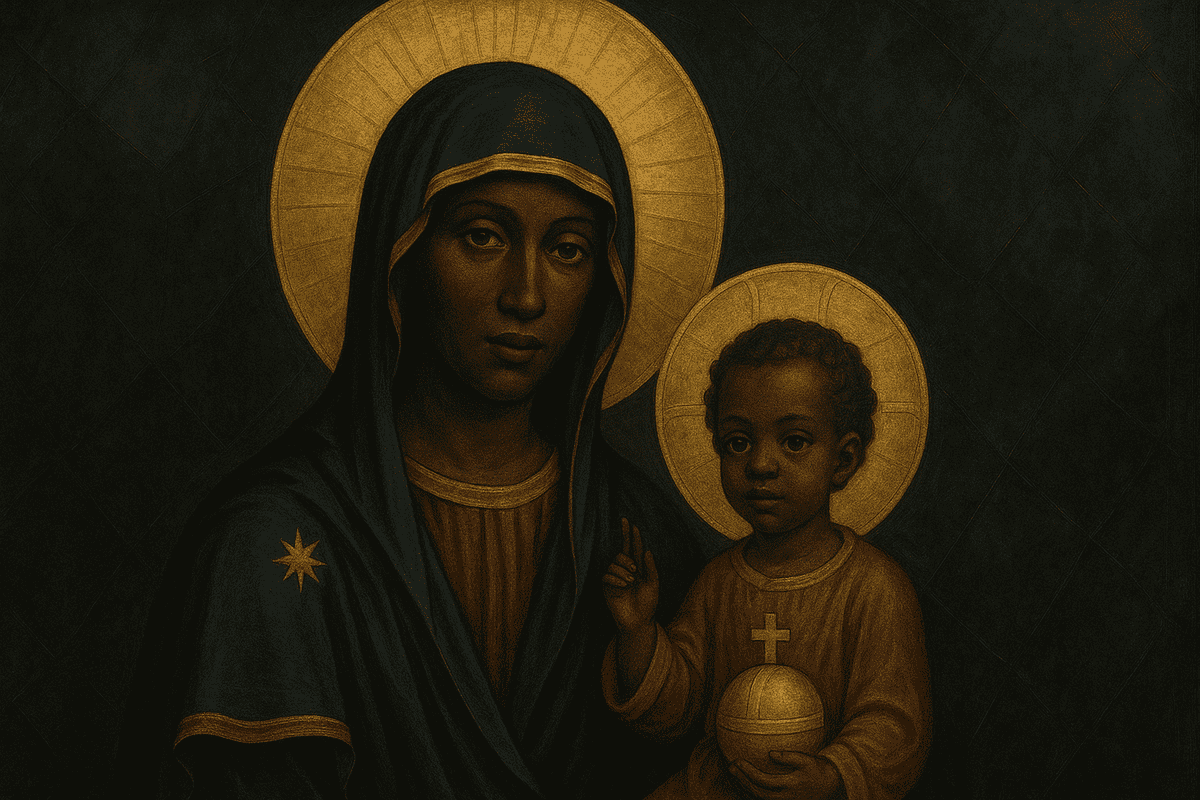
During the Middle Ages, numerous statues and paintings depicting the Black Madonna were created all throughout Europe, particularly in the countries of France, Spain, and Poland.
During this time, many people were touched by the mysterious nature of her image and believed her to be a protector, healer, and miracle worker. Scholars debated whether the dark colors were intentional, a by-product of natural aging of materials, or due to the soot residue from candles burning before these images.
However, the mystery behind her dark skin only added to the sense of holiness perceived by the general populace. This image’s darkness represented wisdom and strength, thus demonstrating that holiness can take many forms.
Many pilgrims travelled for great distances to see her, believing that the power carried by her is unrivalled by any other image of a saint.
Symbolism That Challenges Traditional Religious Imagery
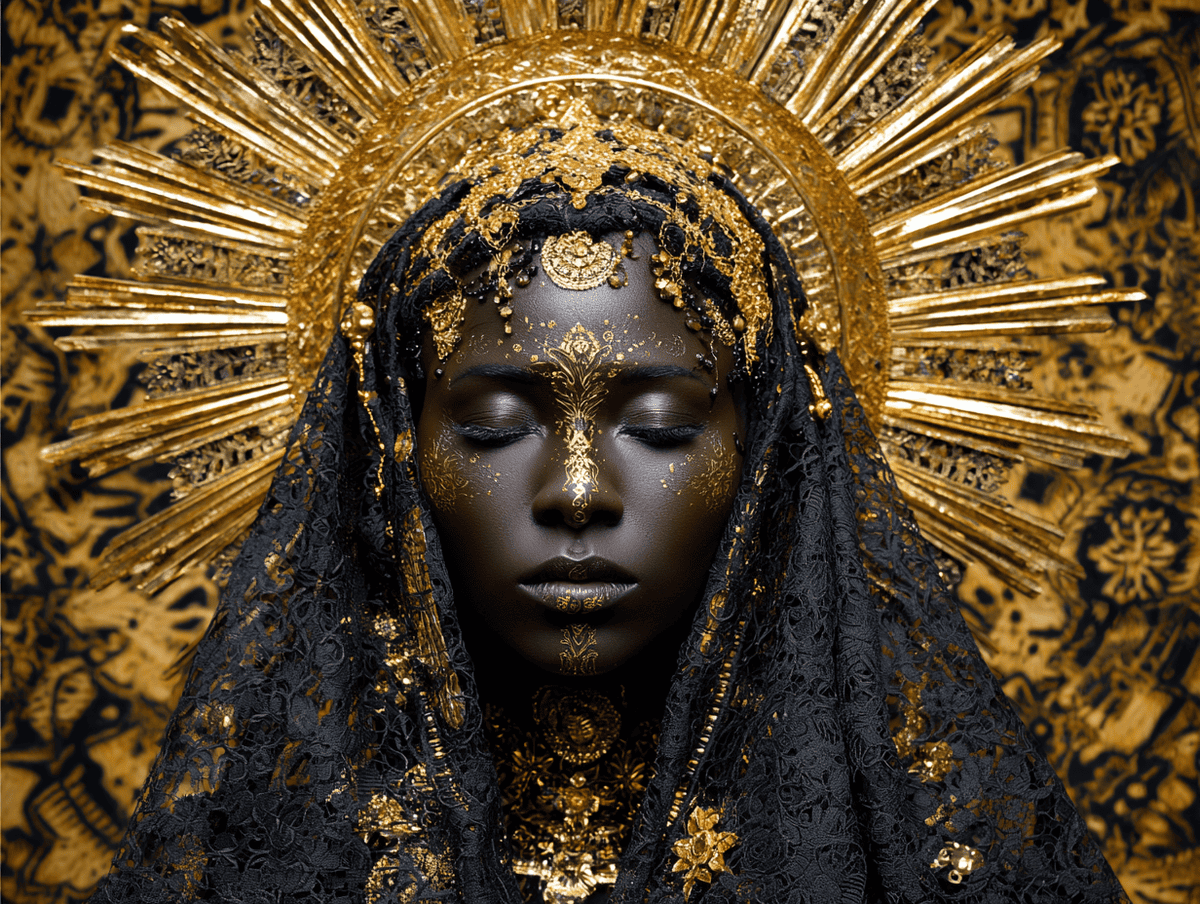
Unlike more traditional depictions of Mary, the Black Madonna offers a different perspective on holiness and representation.
Her appearance encourages believers to take a fresh look at themselves spiritually, as her dark skin reflects the mystery of transformation as well as the shadow side of faith, the elements of life that require courage and faith.
Others view the Black Madonna as symbolizing inclusivity, allowing all believers to view divinity beyond one race and culture. The Black
Madonna challenges readers to reflect upon their beliefs and to think critically about the assumptions they hold, which is why her image continues to be relevant.
Her Connection to Mystical and Esoteric Traditions

The Black Madonna is connected to esoteric and mystical practices. This reminds us that, even though the path may seem filled with darkness, there is light at the end.
The Black Madonna may symbolize that, once we have travelled through the dark night of the soul to reach an enlightened state, we are ready to receive ‘divine’ guidance or direction from back-to-back saints or from those who guard the hidden mysteries of God.
Overall, the Black Madonna is a metaphor for the struggle within oneself and the future to understand the true nature of God through metaphysical practices (alchemy, psychology, and metaphysics).
The Black Madonna as a Symbol of Resistance and Strength
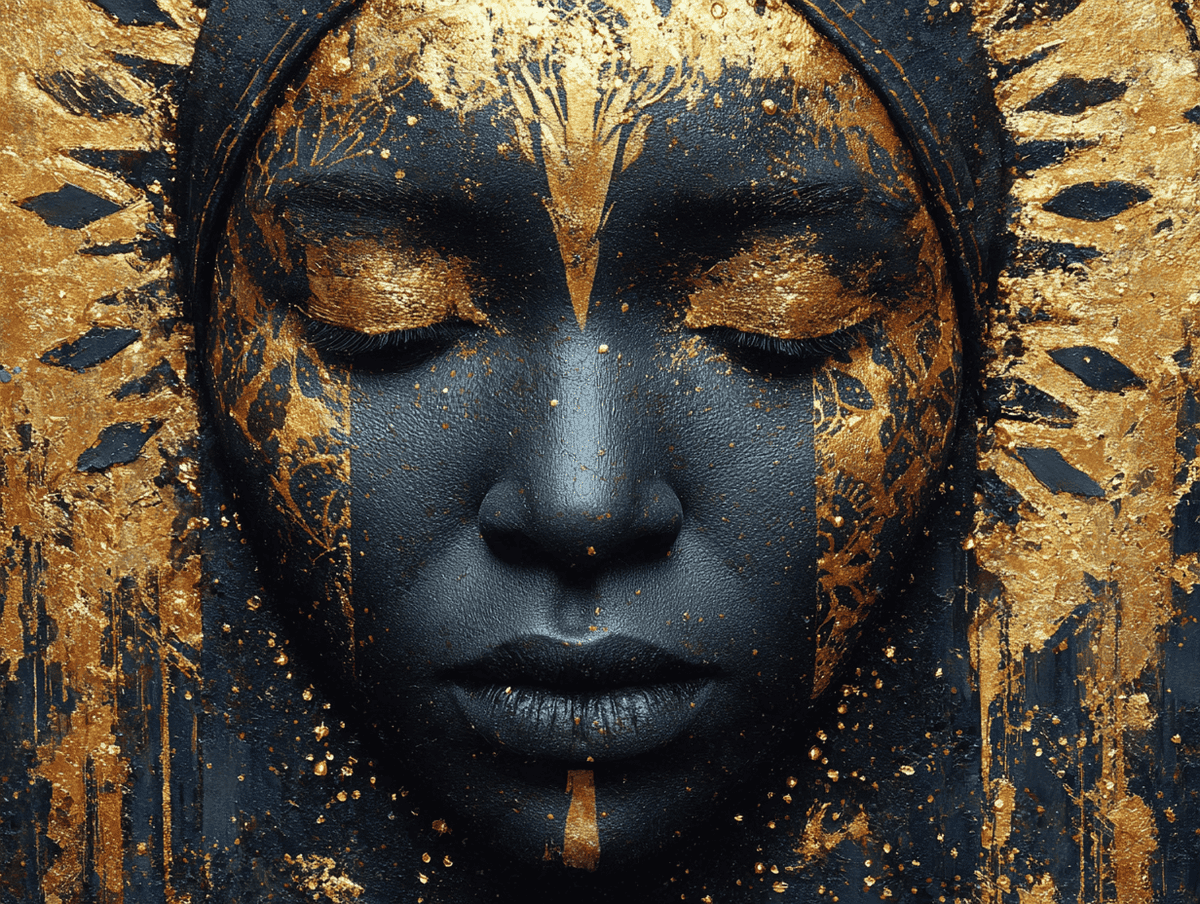
The Black Madonna has served throughout history as an inspiring symbol for marginalized communities, particularly during periods of political struggle and oppression or when their cultural heritage has been erased or diminished.
Whether she represents an example of strength or something more tangible (“a source of hope”), her image represents the endurance, determination, and perseverance that people have when overcoming obstacles and adversities in life.
She has become a mother figure for those who have been oppressed, offering them hope in periods when the established institutions have failed them. In these ways, the Black Madonna transcended religion and became the embodiment of all aspects of social justice, strength, and survival.
Her Continued Influence in Modern Spirituality
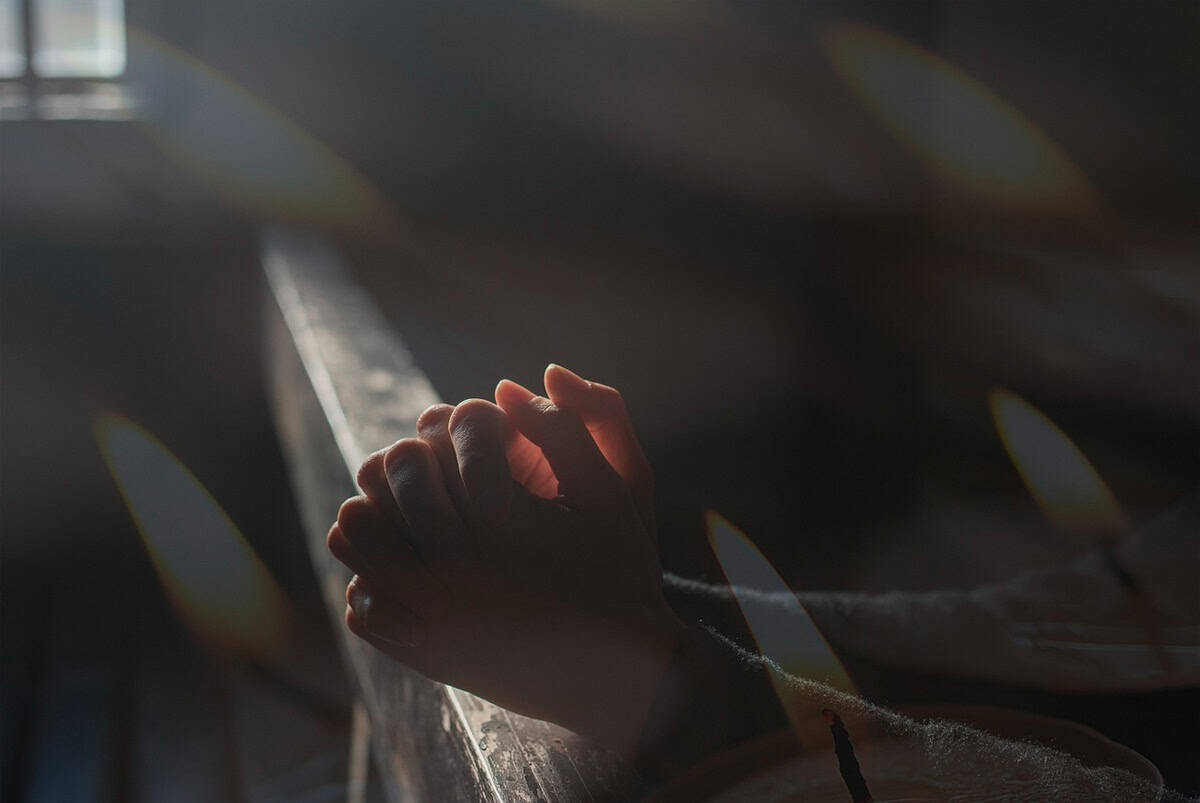
The Black Madonna is still an important figure, both spiritually and religiously. People identify with the Black Madonna’s message of empowerment, healing, and transformation.
She connects with people who have been wounded, neglected, or dismissed. Today many seekers appreciate the Black Madonna’s ability as a link between ancient teachings and present-day living.
The Black Madonna is mentioned in art, meditation, pilgrimage, and discussions about inclusivity in faith. The enduring symbolism of the Black Madonna has evolved over the centuries, as have the people who honor her.

Born and raised in Bosnia and Herzegovina. Ever since I was a little girl, my imagination knew no bounds. I remember vividly how I’d scribble down short stories, each page bursting with adventures and characters conjured up from the whimsy of my mind. These stories weren’t just for me; they were my way of connecting with my friends, offering them a slice of my fantasy world during our playtimes. The joy and excitement on their faces as we dived into my fictional realms motivated me to keep writing. This early passion for storytelling naturally evolved into my pursuit of writing, turning a childhood hobby into a fulfilling career.