
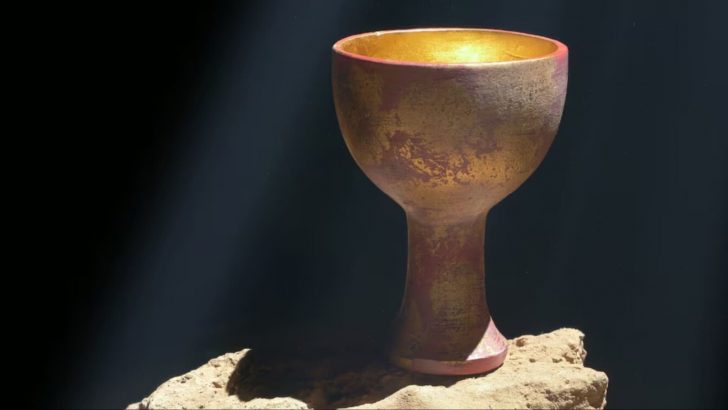
In every religious tradition, there’s a belief that certain objects carry divine presence or holiness that doesn’t fade with time.
Many of them have shaped civilizations, launched wars, inspired architecture, and drawn millions of people across deserts and oceans just to stand near them.
All of these relics represent the same thing for believers: a point where the invisible and the visible briefly touch.
Here are the 10 holiest artifacts of the major Eastern religions!
1. The Turin Shroud
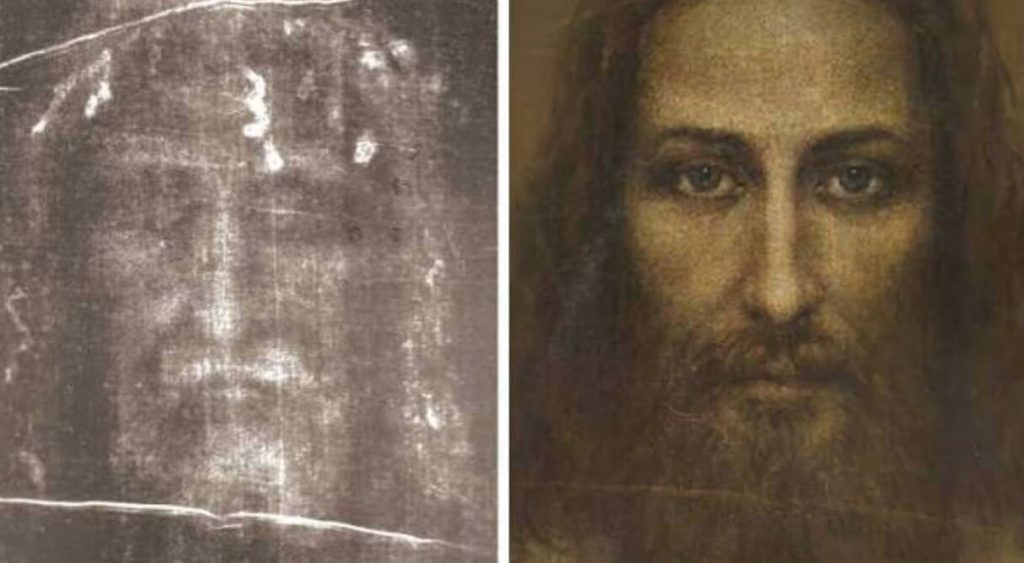
The Turin Shroud is one of the most examined and debated relics in history. It’s a linen shroud that carries a faint but recognizable image of a crucified man, front and back.
The wounds on the shroud perfectly fit the details of crucifixion as described in the Gospels.
It’s been kept in the Cathedral of Saint John the Baptist in Turin, Italy, since 1578.
However, its first documented appearance dates back to the period between 1260 and 1390.
Countless Christians believe that this very shroud is the burial cloth that was used to wrap Jesus Christ after the crucifixion.
Still, the carbon dating study suggested a medieval origin, not ancient, which sparked a huge controversy.
The image on the shroud remains unexplained, since no medieval technique could replicate it.
Either way, this relic continues to attract millions of pilgrims whenever it’s placed on public display.
2. The Ark of the Covenant
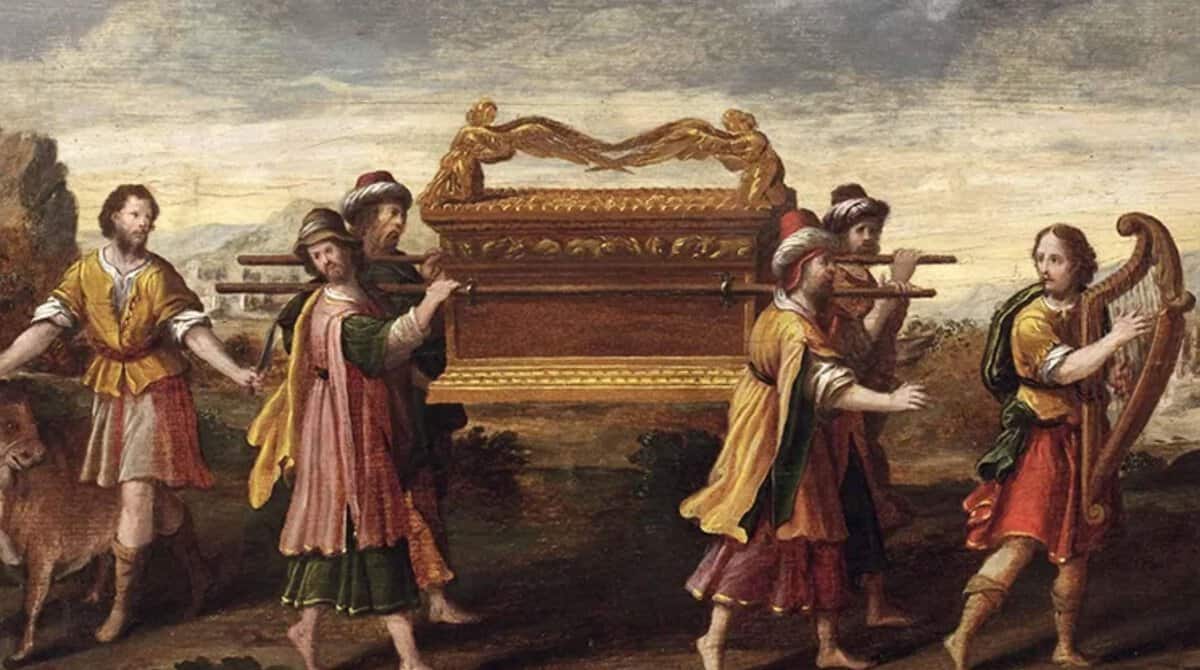
The Ark of the Covenant carries enormous weight in the Judeo-Christian religion.
It’s a gold-covered wooden chest that’s believed to contain the stone tablets with the Ten Commandments, Aaron’s miraculous staff, and a jar of manna from the wilderness.
It was built around 1400 BC according to divine instructions given to Moses, and it traveled with the Israelites wherever they went.
Eventually, it was placed in the most sacred and hidden space inside Solomon’s Temple.
When the Babylonians destroyed Jerusalem in 587 BC, the relic vanished and was never found again.
There are many theories about where it could be, like beneath the Temple Mount in Jerusalem, a chapel in Ethiopia, and various other locations.
However, nothing has ever been found.
For many believers, the Ark’s disappearance only made it feel more real.
3. The Black Stone
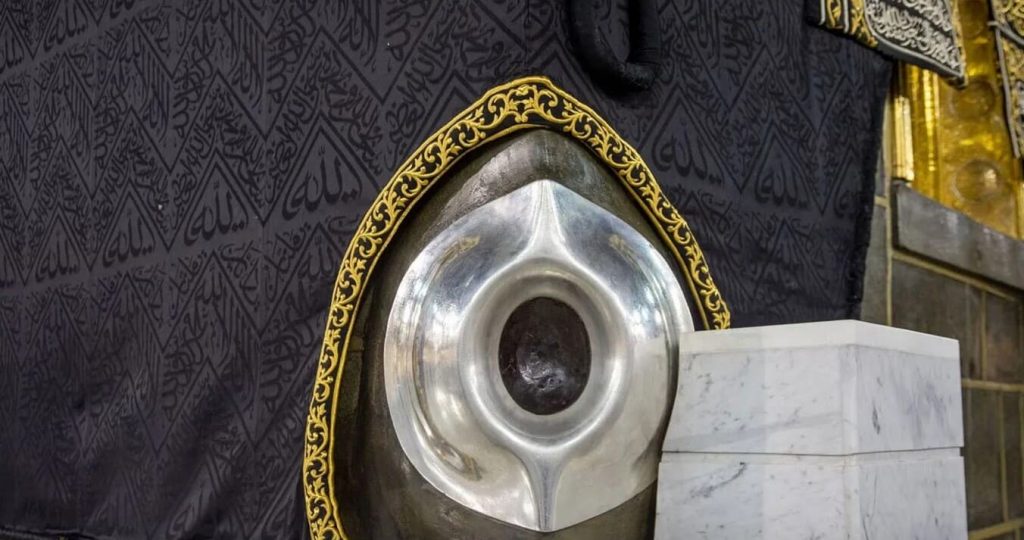
The Black Stone, or Hajar Al-Aswad, is one of the most venerated relics in all of Islam. It’s set into the eastern corner of the Kaaba in Mecca.
The tradition says that it came from paradise as a white stone and gradually darkened as it absorbed the sins of the pilgrims who touched it.
It’s been recorded that the Prophet Muhammad himself placed the stone during the reconstruction of the Kaaba in 605 AD.
He solved a tribal dispute about who should have the honor of reinstalling it; he placed the stone on his cloak and invited the head of each tribe to lift a corner together.
Today, the Black Stone is set inside a silver frame, and pilgrims frequently try to touch or kiss it.
It’s not worshipped, but it does represent a physical connection to the divine.
4. The Tooth Relic
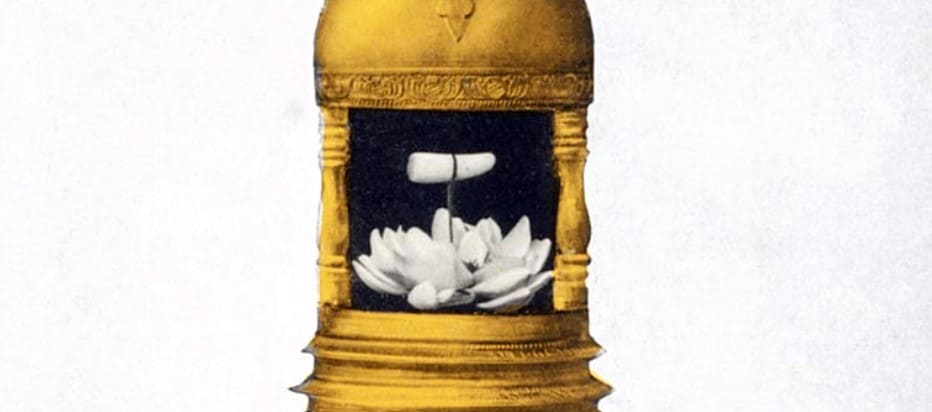
The Sacred Tooth Relic of the Buddha is kept in Kandy, Sri Lanka, and it’s the most venerated relic in Buddhism.
According to tradition, the tooth was recovered from the funeral pyre of Siddhartha Gautama in 543 BC.
It arrived in Sri Lanka in the fourth century AD, smuggled in the hair of a princess. It has been used to determine the legitimacy of Sri Lankan rulers.
It’s kept inside six golden caskets, in a shrine room that’s accessible to pilgrims three times daily during puja ceremonies.
It’s assumed that the tooth on display isn’t the original, which is sealed, but the pilgrims express their devotion to it either way.
5. The Spear of Longinus
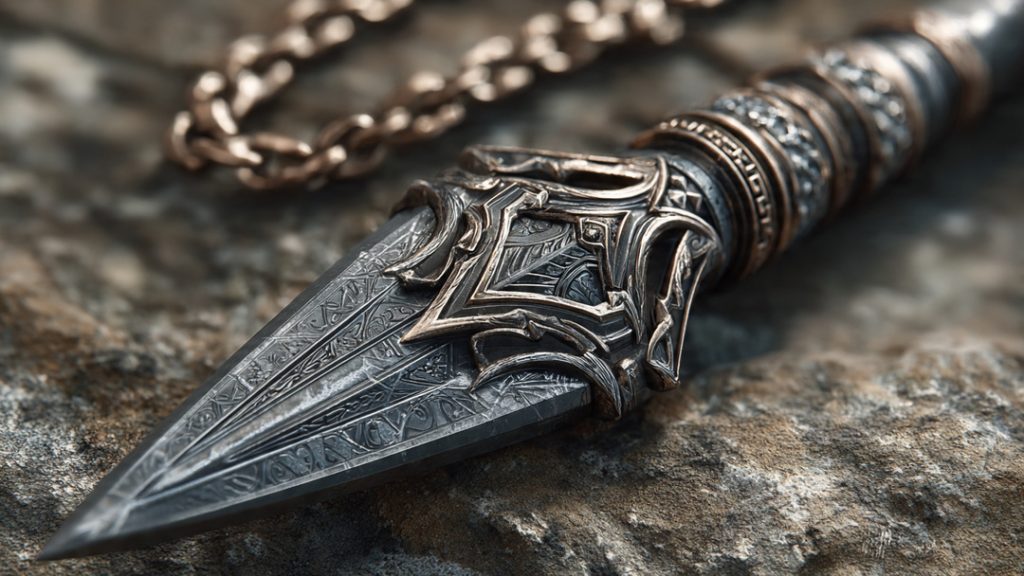
The Spear is the weapon that Roman soldier Longinus used to pierce Christ’s side during crucifixion to make sure He had died.
That event was recorded in the Gospel of John, which describes blood and water flowing from the wound.
The spear that is now kept in the Imperial Treasury in Vienna, Austria, has been dated to the early medieval period.
It passed through the hands of Charlemagne, the Holy Roman Emperors, and was briefly in the possession of Adolf Hitler.
There was even the belief that whoever had the spear controlled the destiny of the world!
American forces took possession of it at the end of World War II, and it was returned to Austria soon after.
It’s still debated whether the relic on display is the actual Spear of Longinus, but it has accumulated serious historical importance through the people who possessed it.
6. Moses’ Staff
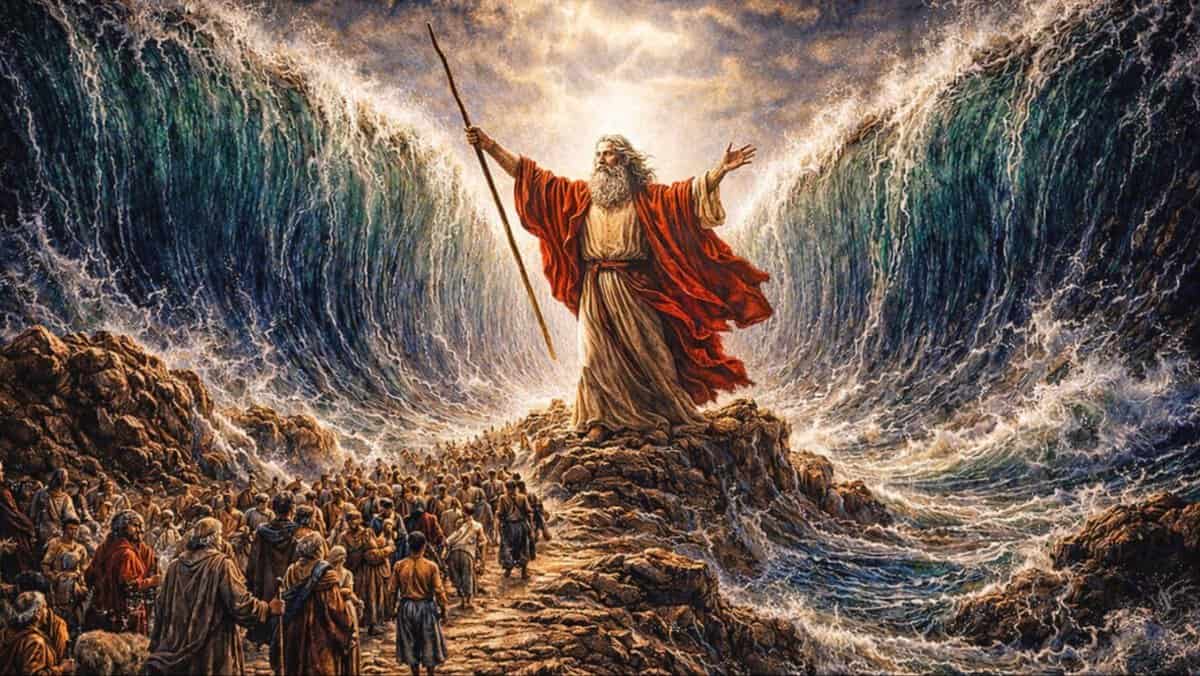
In the book of Exodus, the staff of Moses channeled the power that brought the ten plagues upon Egypt and parted the Red Sea.
Battles were won or lost, depending on whether Moses could hold the staff overhead long enough.
It dates back to 1300 BC, and is considered a holy relic in both Judaism and Islam.
The Quran references it explicitly as something that was passed down among prophets, giving them the power to wield divine authority.
It’s unknown where the staff is. Many claims have been made, including that it’s located in the Topkapi Palace museum in Istanbul.
7. The Holy Grail
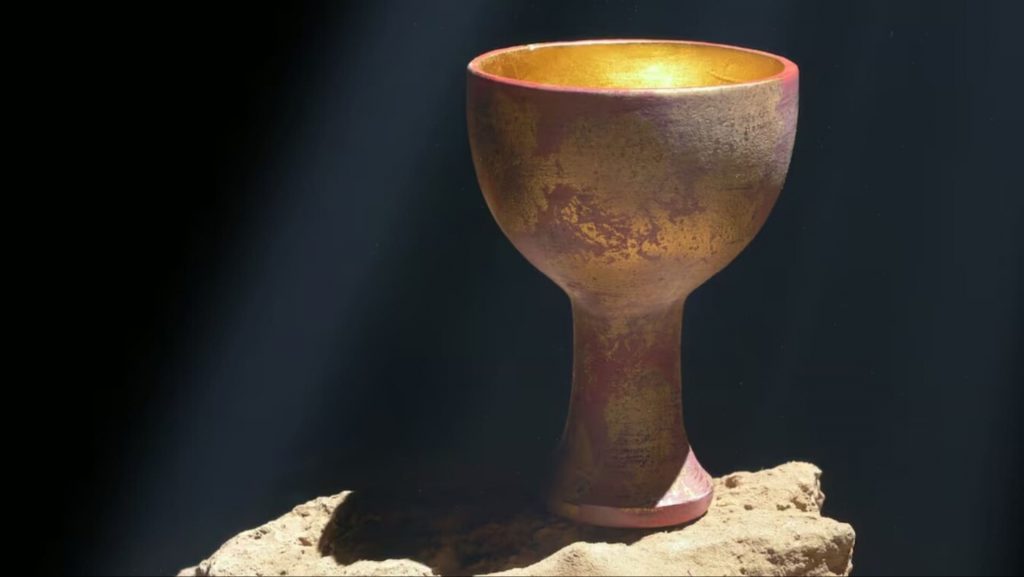
The Holy Grail is the most famous missing relic in Western religious tradition. Its fame has been reflected in art, literature, film, and pop culture.
The Grail is traditionally remembered as the cup used by Jesus at the Last Supper. In some traditions, it’s also the vessel that collected the blood from His wound.
Naturally, it’s dated to the first century AD, but nothing could ever be confirmed because it was never found.
It was even connected to the legend of King Arthur, who searched for it with his knights.
It became so deeply ingrained in European religious tradition that its Eastern origins are often overlooked.
Dozens of cups in European churches were considered to be the Grail, but nothing was ever confirmed.
Its true power might lie in its absence, representing our eternal search for traces of the divine.
8. The Tunic of the Virgin Mary
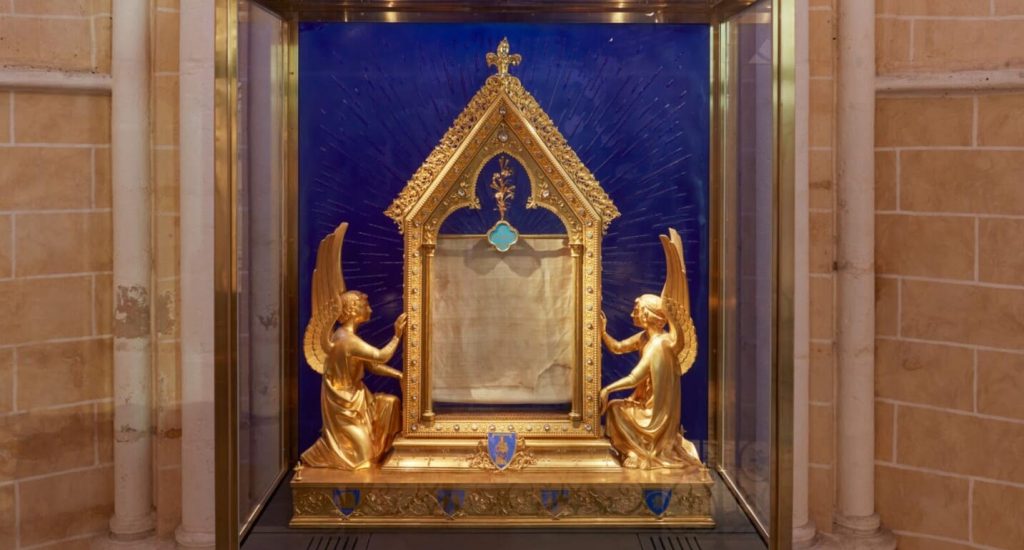
In the Cathedral of Our Lady of Chartres in France, rests a piece of clothing known as the Sancta Camisia.
It’s believed that the Virgin Mary wore this tunic as she gave birth to Jesus Christ, and it was donated to the cathedral by Charlemagne in 876 AD.
The power of the relic was recorded in 911 AD, when Viking forces besieged Chartres.
The bishop took the holy tunic and displayed it for the raiders, which led them to withdraw without taking the city!
This event established the tunic as one of the most protective Christian artifacts in all of France.
The cathedral was specifically built to keep and honor it, and you can even see the tunic on its official crest!
9. Relics of St. Thomas the Apostle
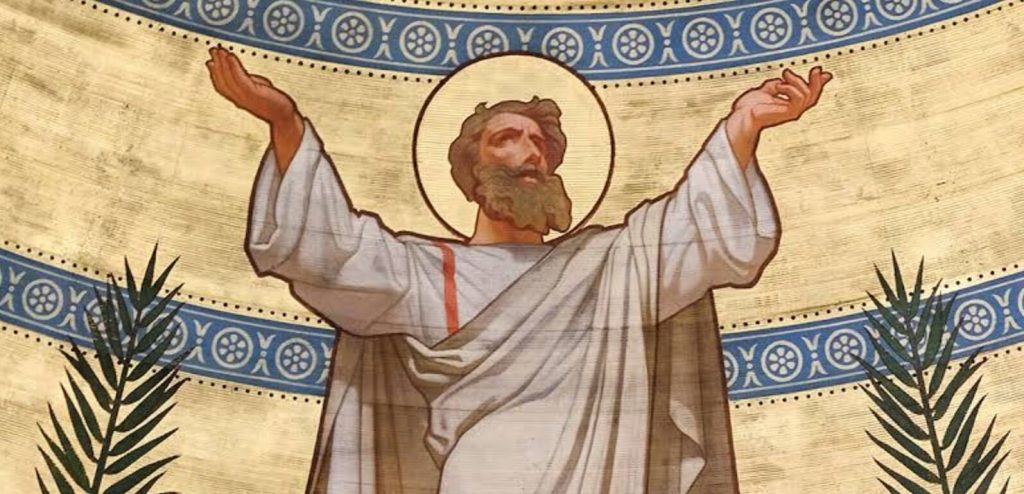
Thomas the Apostle is one of the most interesting figures in early Christianity. Countless believers relate to his inability to trust blindly without seeing things for himself.
The fact that he was doubtful, yet was compelled to believe, encourages many people who struggle with keeping faith.
According to tradition, he traveled to India after the resurrection, establishing one of the oldest Christian communities among the people of Kerala.
He was martyred near Madras (today’s Chennai) in the 1st century AD.
His remains were later transferred to Edessa, and eventually to Ortona, Italy, where they are housed today in the Basilica of Saint Thomas the Apostle.
The relic’s journey from India to the Near East, and then Italy, shows the incredible reach of early Christianity.
10. The Manger of Jesus
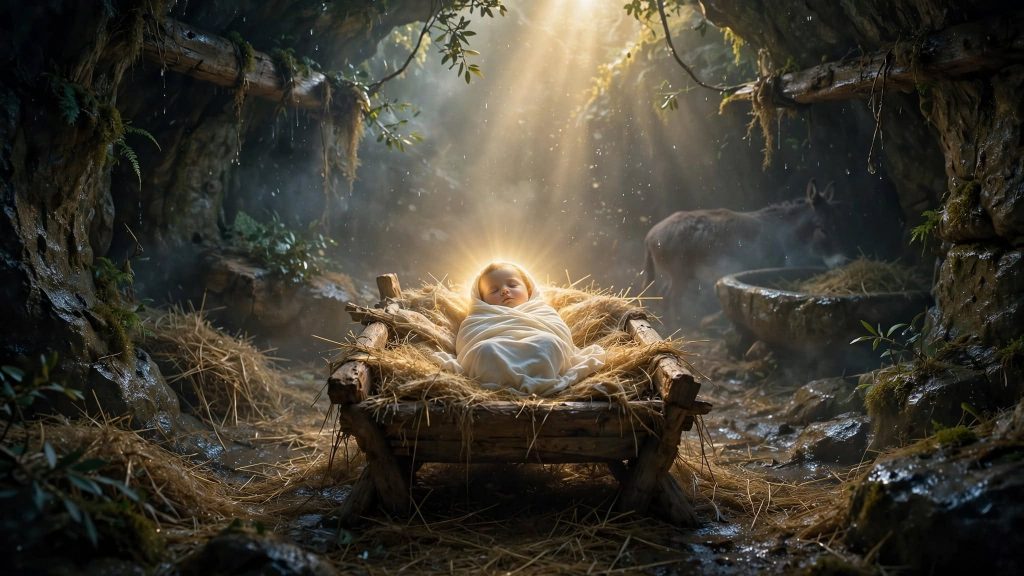
In the Basilica of Santa Maria Maggiore in Rome, five wooden planks are preserved inside a crystal and gold reliquary.
They’re believed to be the fragments of the manger in which Jesus Christ was placed after His birth in Bethlehem.
The relic is also known as the Sacred Crib, and it has been venerated in Rome since at least the 7th century.
Every year on Christmas Eve, the reliquary is included in the ceremony in the basilica, connecting that moment to the night of His actual birth.
Historians approach the planks with understandable scrutiny, but to believers worldwide, they’re proof that the incarnation wasn’t abstract.

A little Aquarius, devoted to writing and embroidery. Through my writing, I hope to empower readers to align with their true selves and navigate life’s mysteries with confidence.