
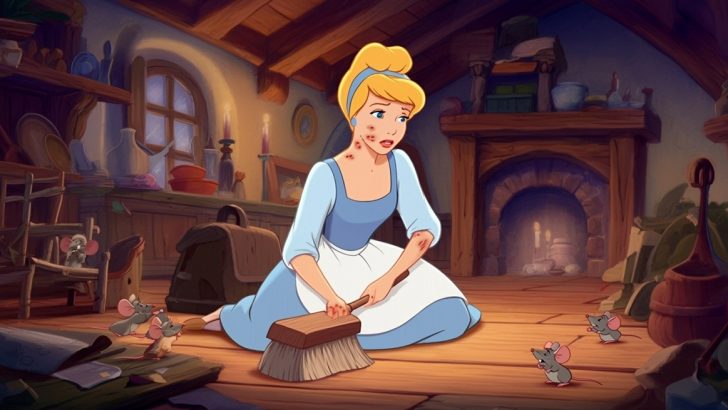
Disney gave us glass slippers, talking animals, and the comforting belief that a solid power ballad can solve most life problems. But behind the sparkle and happily-ever-afters, many Disney princesses are rooted in folklore and legends that are… significantly less cheerful. Think fewer adorable sidekicks and more curses, tragedy, and the occasional deeply questionable life choice.
From ancient myths to centuries-old fairy tales, these stories were often cautionary tales—not exactly the kind you’d put on a lunchbox. So let’s pull back the glittery curtain and meet the real-life folklore behind your favorite Disney princesses (spoiler: they went through たくさん).
1. Snow White – A Story of Jealousy and Grim Consequences
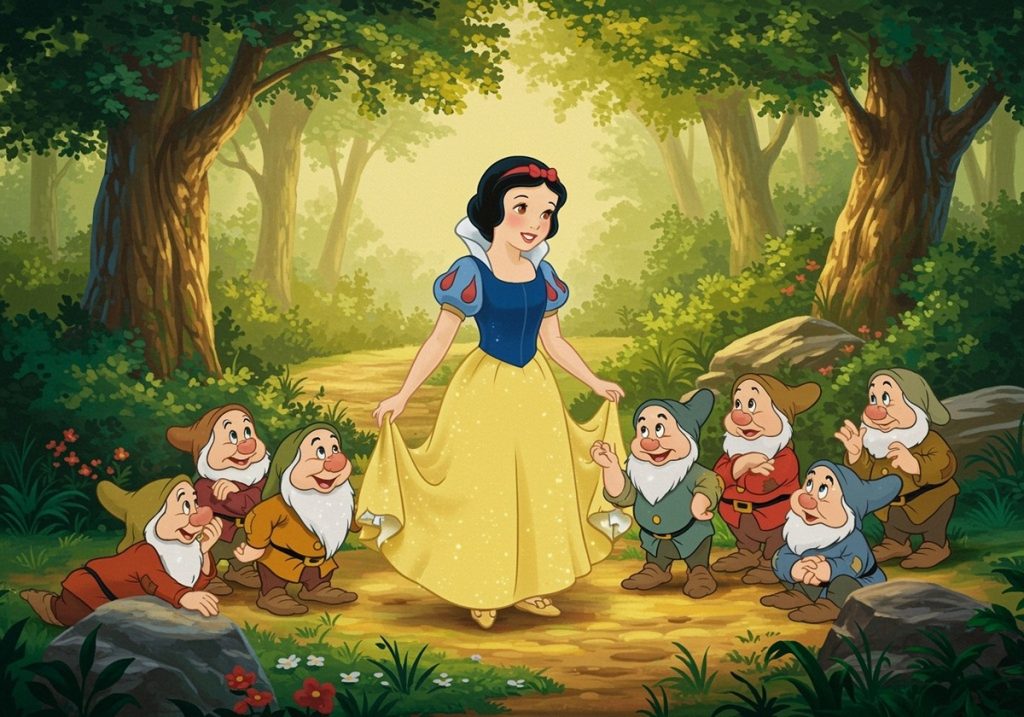
Disney’s Snow White is all woodland creatures and cheerful whistling, but her origins come from a much darker European fairy tale collected by the Brothers Grimm. In the original version, the Evil Queen doesn’t just want Snow White gone—she demands proof of her death in a way that’s… not exactly family-friendly.
The Queen’s obsession with beauty is far more intense, and her punishments are brutal. In one version, she’s forced to dance in red-hot iron shoes until she collapses. Yes, really. Meanwhile, Snow White herself is less of a carefree optimist and more of a passive figure caught in a violent power struggle. Disney softened everything into a story about kindness and hope, but the original tale is basically a warning about vanity, envy, and the dangers of asking a magical mirror for honest feedback.
2. Cinderella – The Original Tale Was Not Subtle
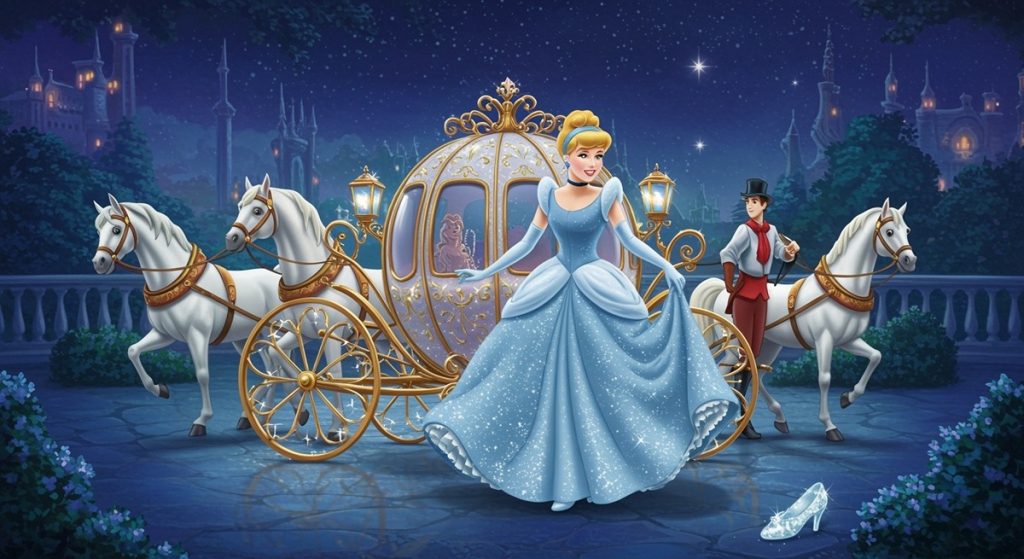
Cinderella’s story exists in dozens of cultures, but the most famous Western version comes from Charles Perrault and the Brothers Grimm—and let’s just say, Disney picked the gentlest の解釈だ。
In the Grimm version, Cinderella’s stepsisters go to extreme lengths to fit into the glass slipper, including cutting off parts of their own feet. (Yes, that escalated quickly.) Birds then expose the deception, and the sisters face lifelong consequences for their actions. The story was less about magical transformation and more about moral justice—delivered in a very dramatic, very unforgettable way.
Also, Cinderella herself is often portrayed as more strategic than purely sweet, navigating her situation with quiet determination. Disney gave us a dreamy romance, but the original tale was essentially saying: be kind, but also… don’t underestimate poetic justice.
3. Ariel – A Much Sadder Little Mermaid
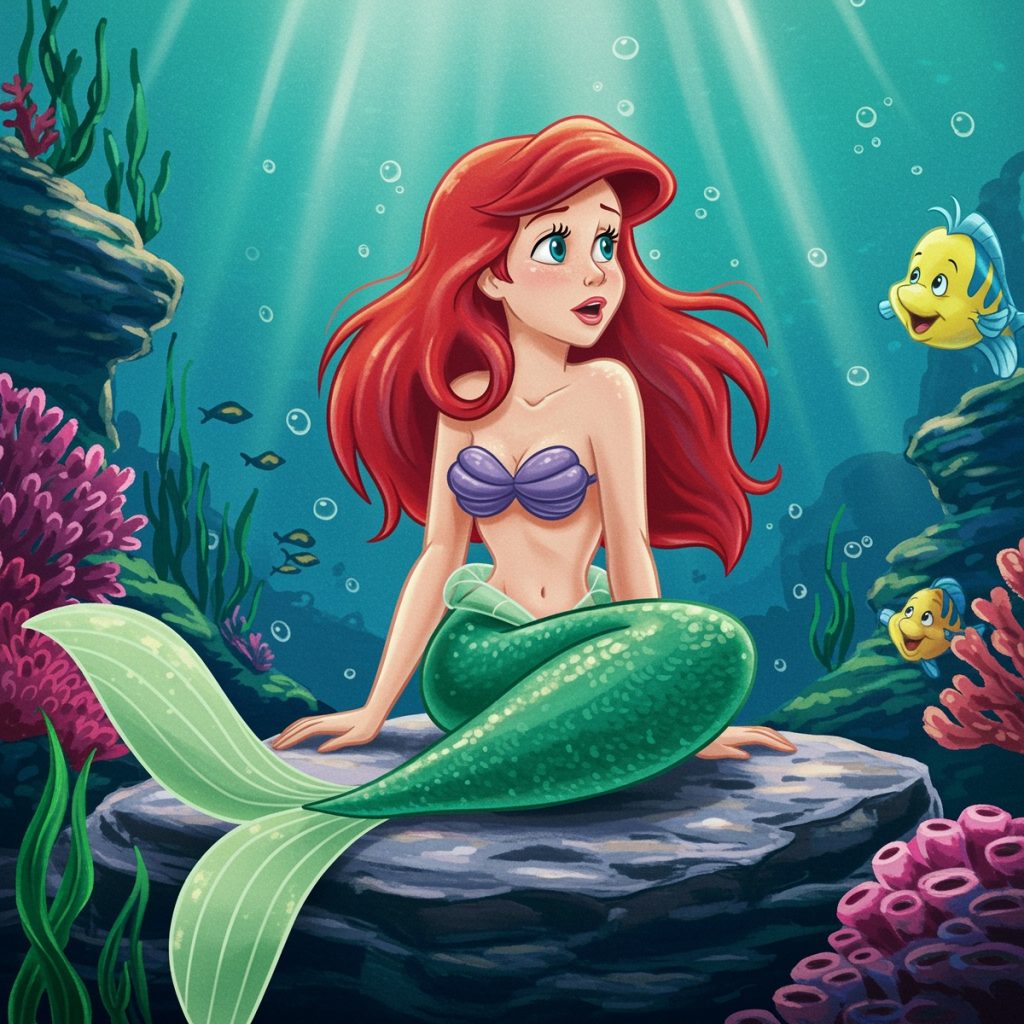
Disney’s Ariel gets her happy ending, catchy songs, and a prince who eventually figures things out. The original story by Hans Christian Andersen? Not so much.
In the original The Little Mermaid, the transformation from mermaid to human is excruciatingly painful—every step feels like walking on knives. And if the prince doesn’t love her? She doesn’t just go back to being a mermaid. She faces a tragic fate. Spoiler: it doesn’t end with a wedding.
The story is more about sacrifice, unrequited love, and the cost of changing yourself for someone else. It’s deeply emotional, philosophical, and honestly a bit heartbreaking. Disney took the bones of the story and said, “What if we added a crab and a happy ending?”—which, to be fair, was a solid marketing decision.
4. Belle – A Tale About Seeing Beyond Appearances
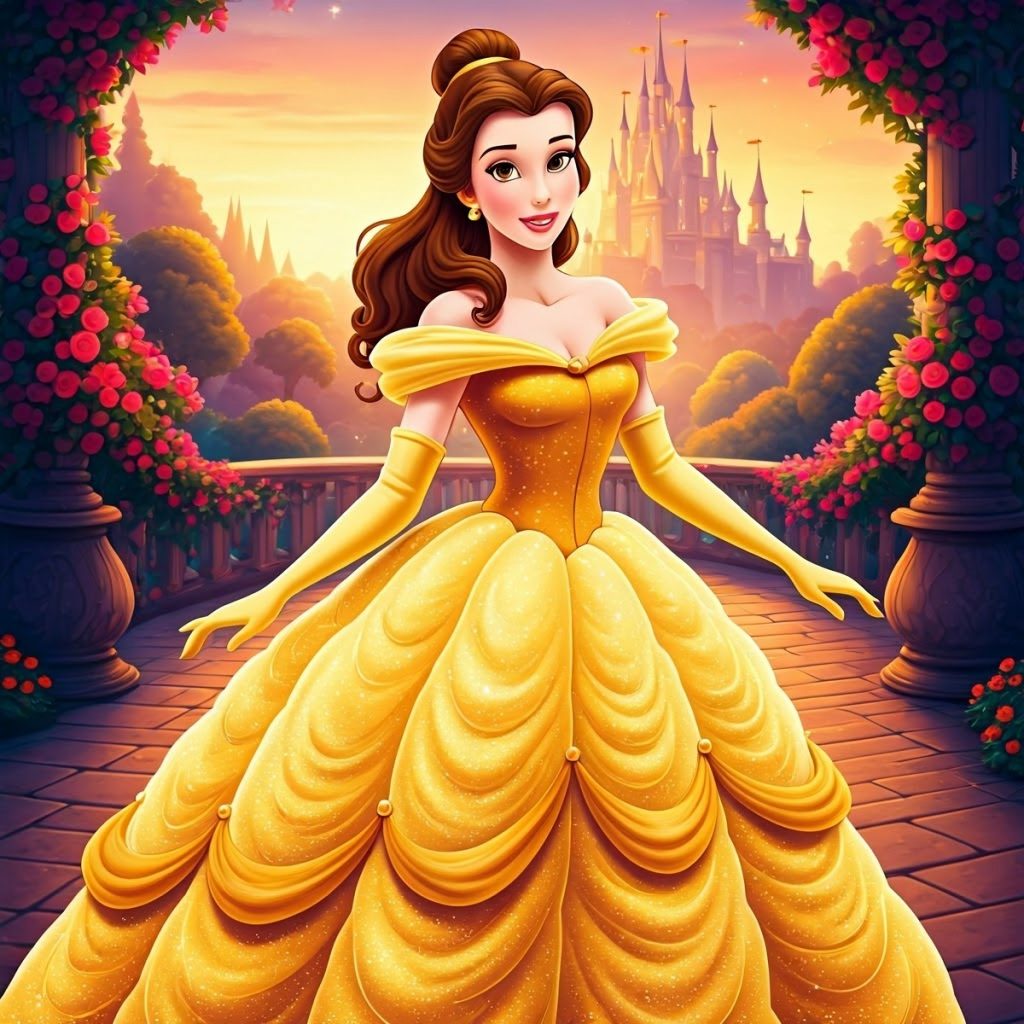
Beauty and the Beast has roots in French folklore, most famously written by Jeanne-Marie Leprince de Beaumont. While Disney kept much of the core message, the original story leans more heavily into themes of arranged marriage and societal expectations.
Belle isn’t just quirky—she’s making a calculated decision to sacrifice herself for her father, entering a situation that’s genuinely frightening. The Beast, meanwhile, is less charmingly awkward and more deeply intimidating. Their relationship develops slowly, focusing on patience, kindness, and emotional growth.
The story was originally meant as a lesson for young women about looking beyond superficial qualities—both in others and in themselves. Disney kept the romance but added charm, humor, and significantly fewer existential dilemmas about marrying someone who initially terrifies you.
5. Aurora – A Curse That Lasts a Century
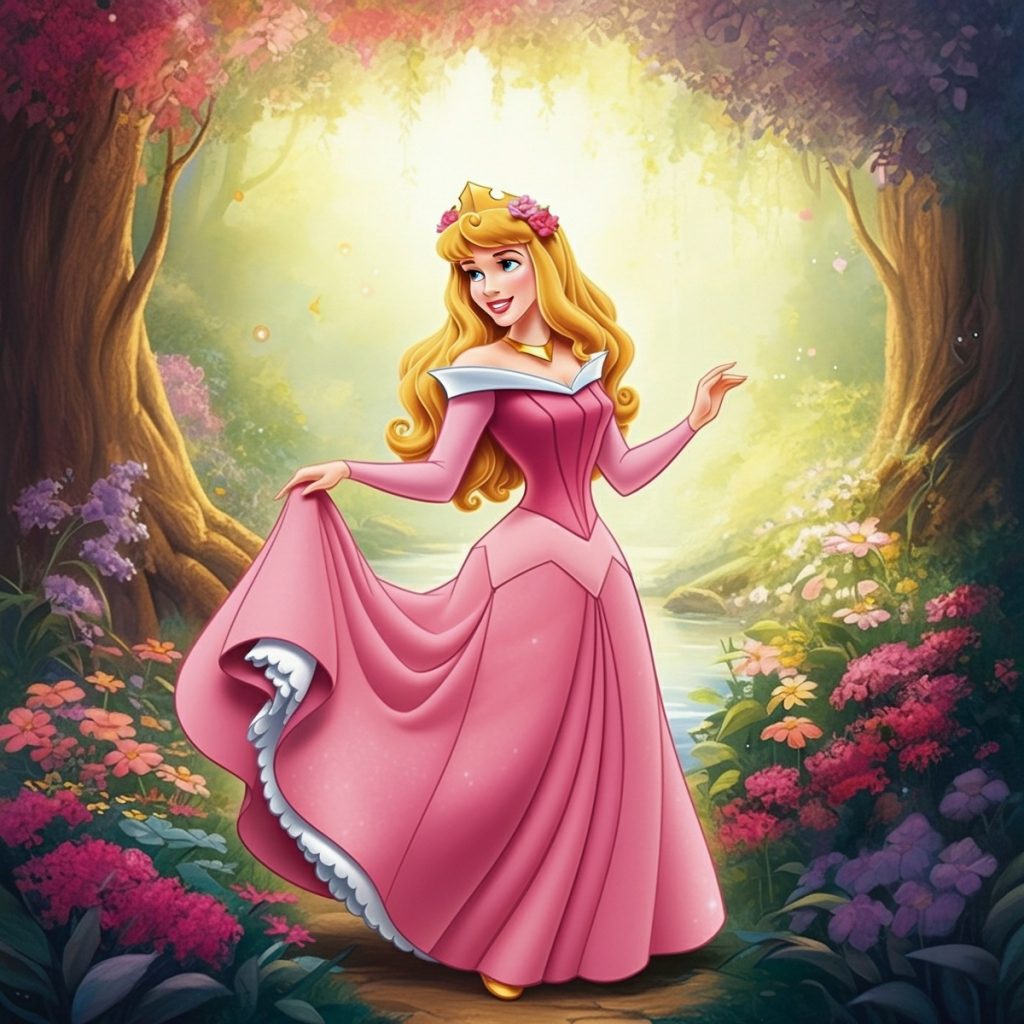
Sleeping Beauty, or Aurora, comes from tales by Charles Perrault and the Brothers Grimm, and while Disney made it dreamy and romantic, the original story is… surprisingly complicated.
First, the curse is unavoidable, and when Aurora falls asleep, she stays that way for 100 years. That part is familiar. But in earlier versions, things don’t end with a simple kiss and a happily-ever-after. There are additional plotlines involving ogres, danger, and family drama that Disney wisely decided to skip.
The tale was originally a mix of fantasy and cautionary storytelling, with themes about fate, patience, and the passage of time. Disney streamlined it into a visually stunning love story, but the folklore version is more like, “And then things got even weirder.”
6. Mulan – A Legendary Warrior, Not a Princess
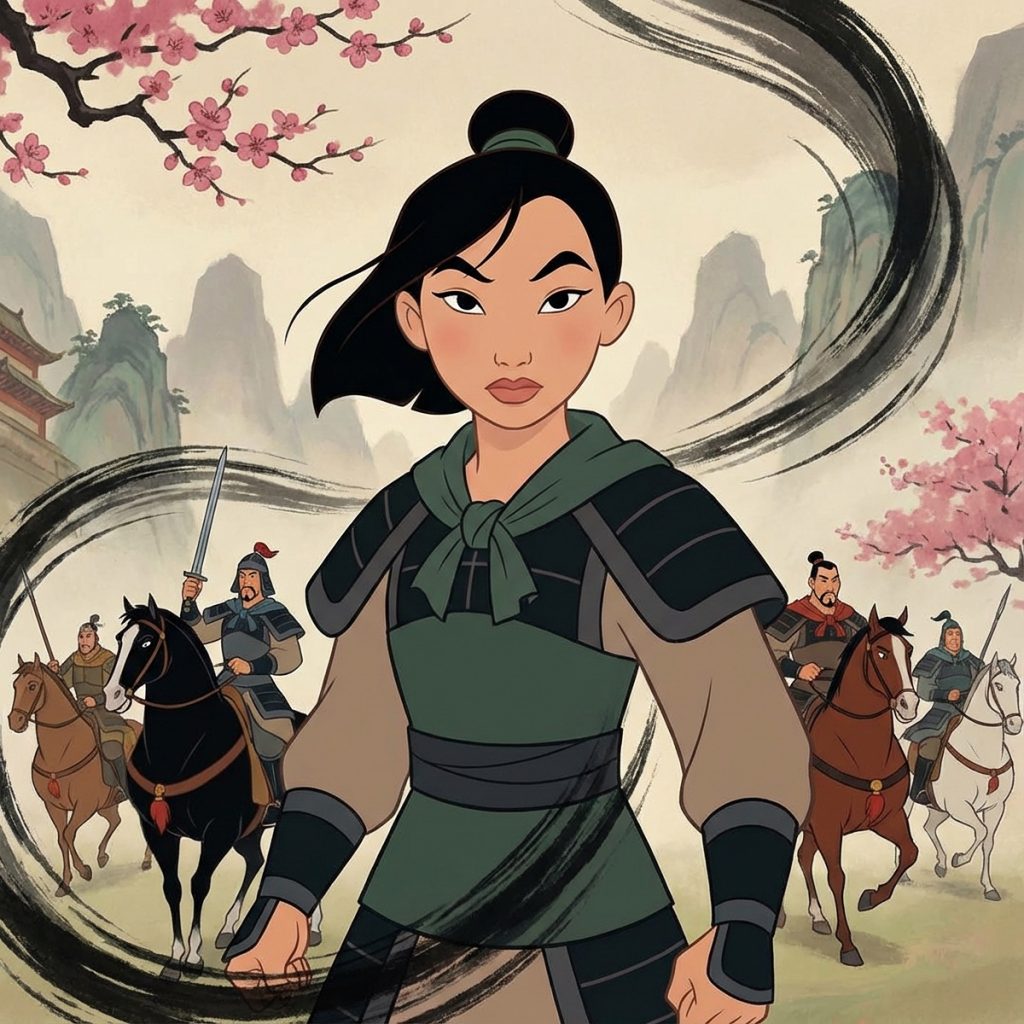
Mulan stands out because she’s based on a Chinese legend, The Ballad of Hua Mulan, rather than a European fairy tale. And honestly, she might be one of the most grounded characters on this list—no magic required.
In the original legend, Mulan disguises herself as a man to take her father’s place in the army and serves for years without being discovered. She’s respected for her skill, loyalty, and bravery. When her true identity is revealed, her fellow soldiers are shocked—but ultimately impressed.
Unlike many fairy tale heroines, Mulan’s story isn’t about romance (at least not originally). It’s about honor, family, and challenging societal expectations. Disney added musical numbers and a talking dragon, but the core message of resilience and courage remains beautifully intact.
7. Pocahontas – History, But Make It Complicated
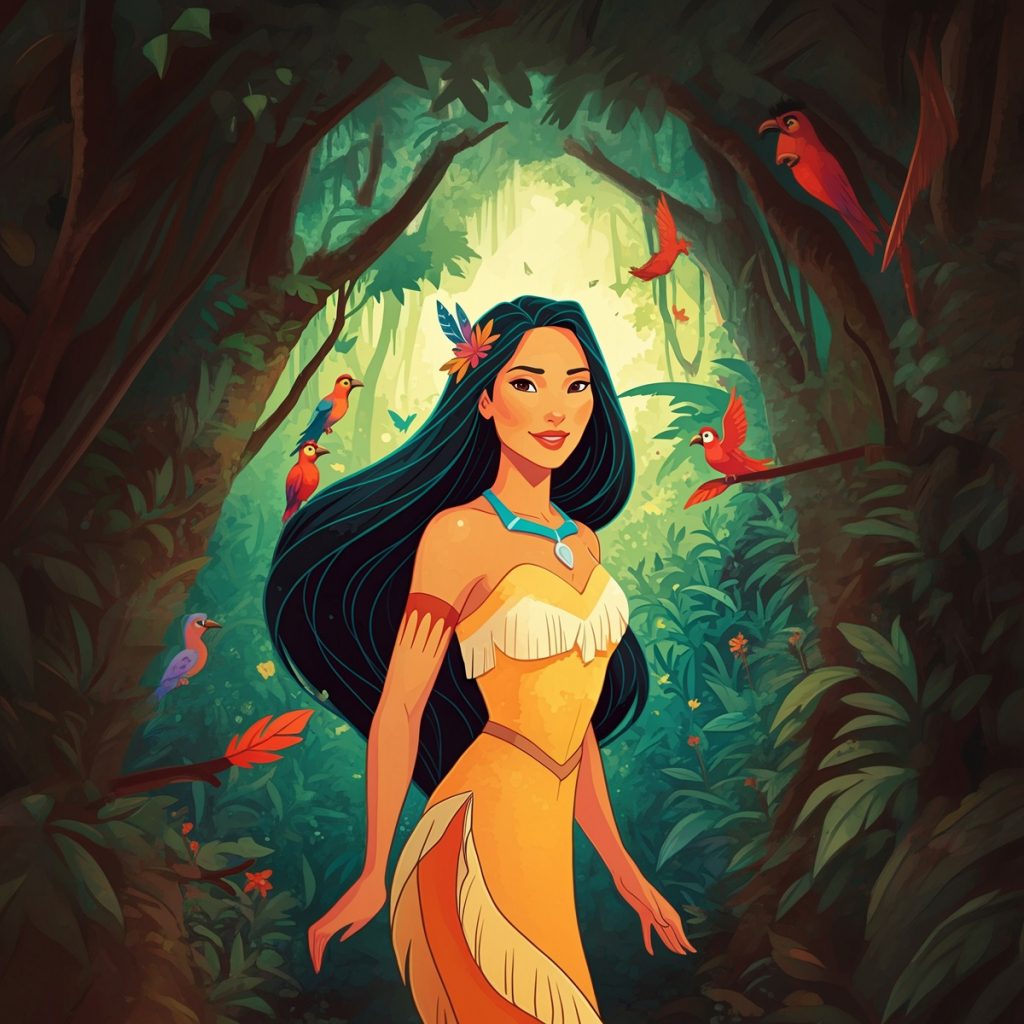
Unlike the others, Pocahontas is based on a real historical figure, though Disney took… significant creative liberties. The real Pocahontas was a Native American woman from the Powhatan tribe, and her life story is far more complex than the animated version suggests.
She did interact with English settlers, including John Smith, but their relationship was likely not romantic—especially considering her young age at the time. Later in life, she married John Rolfe and traveled to England, where she became a symbol of cultural exchange (and, unfortunately, colonial propaganda).
Disney’s version focuses on themes of understanding and peace, which are admirable, but the real story involves colonization, cultural conflict, and a much more nuanced historical reality. It’s a reminder that not every “princess” story comes with a neat, feel-good ending.
8. Tiana – Inspired by Folklore and Real Life
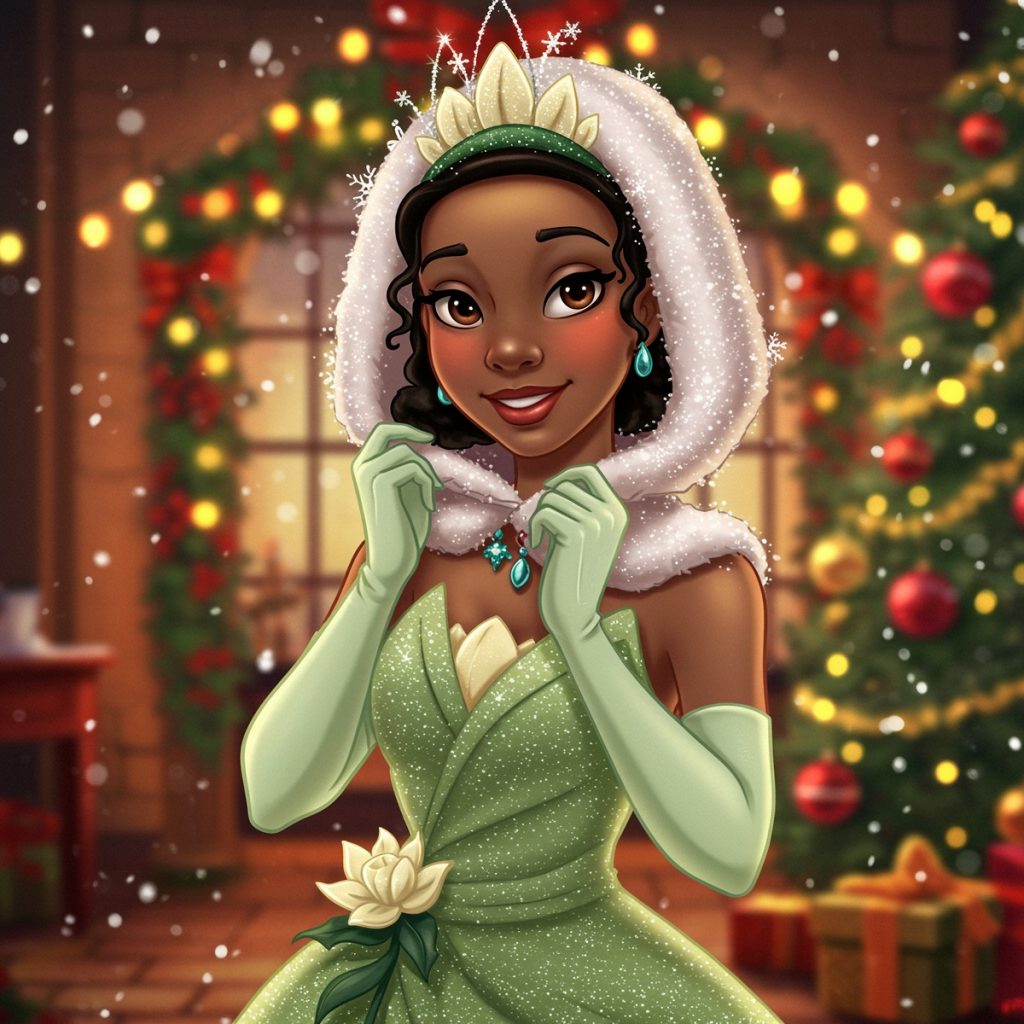
Tiana from The Princess and the Frog is inspired by a mix of the Brothers Grimm tale The Frog Prince and real-life influences, including African American culture and stories from early 20th-century New Orleans.
The original Frog Prince tale is… less romantic than Disney’s version. In some versions, the princess doesn’t kiss the frog—she throws him against a wall out of frustration, which somehow breaks the spell. (Aggressive? Yes. Effective? Apparently also yes.)
Tiana’s character, however, adds a modern twist: ambition, independence, and the idea that dreams require hard work—not just magic. Disney blended folklore with cultural history to create a princess who’s not waiting to be saved—she’s building her own future, one beignet at a time.
9. Rapunzel – A Tower, a Witch, and a Lot of Drama
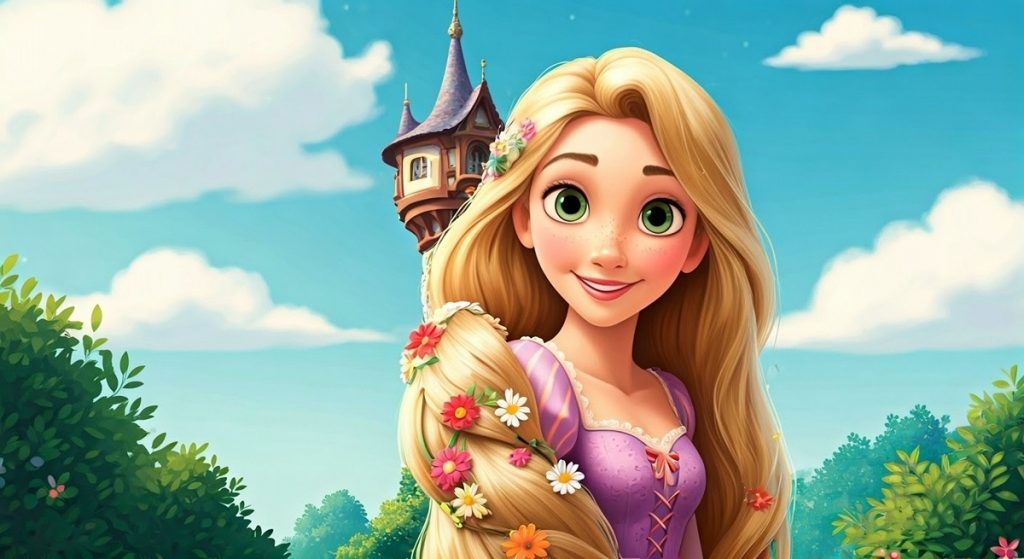
Rapunzel’s story, as told by the Brothers Grimm, is far more dramatic than Disney’s Tangled. In the original tale, Rapunzel is hidden away in a tower by a witch, much like in the movie—but things escalate quickly.
When the witch discovers that Rapunzel has been secretly meeting a prince, she reacts harshly, cutting off Rapunzel’s hair and banishing her. The prince is blinded during a desperate escape, and the story takes a much darker turn before eventually reaching a bittersweet reunion.
The original tale is filled with themes of control, rebellion, and resilience. Disney kept the core elements but added humor, adventure, and significantly fewer traumatic plot twists. Because apparently, audiences prefer frying pans over existential suffering.
10. Jasmine – A Tale from One Thousand and One Nights
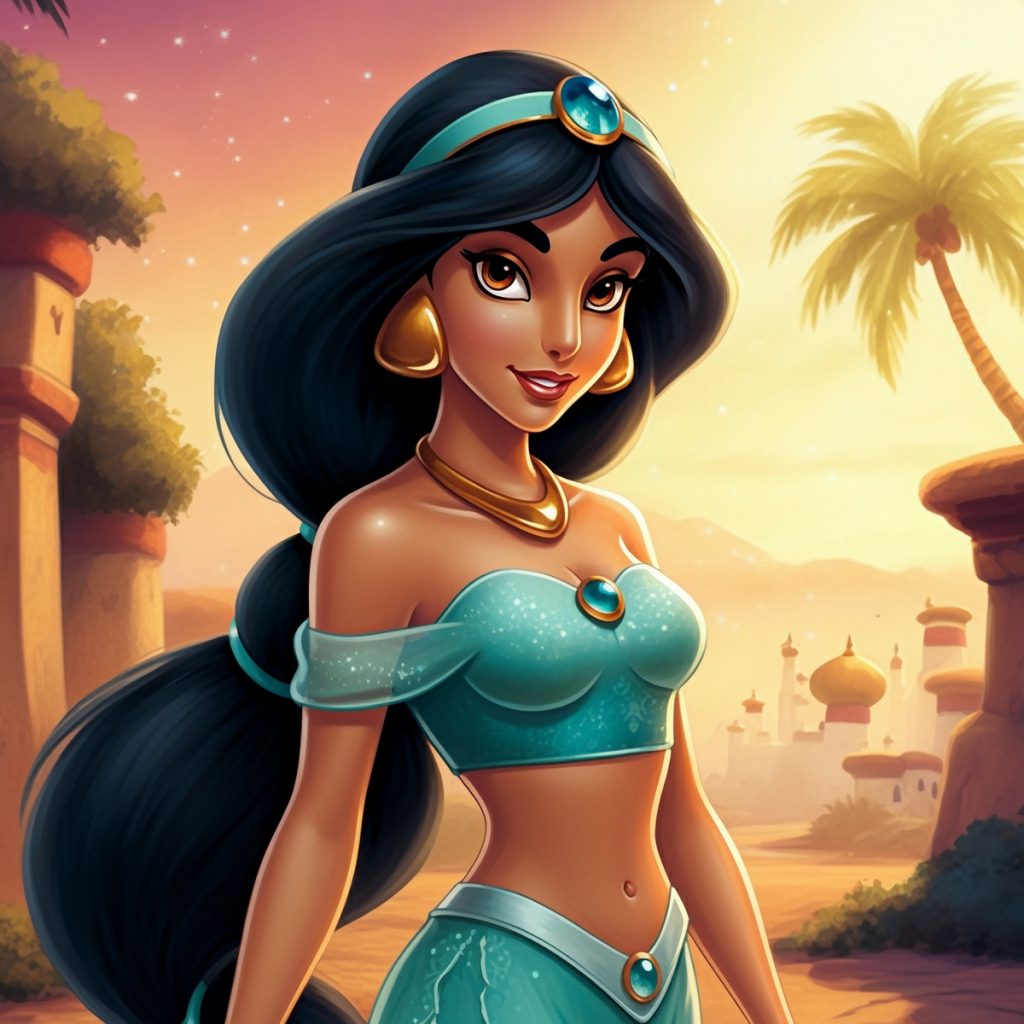
Jasmine’s story comes from the Middle Eastern collection One Thousand and One Nights, specifically the tale of Aladdin. Interestingly, in many versions of the original story, Jasmine isn’t the main focus—it’s Aladdin’s journey that takes center stage.
The original tale includes magical elements like genies and enchanted objects, but it also reflects cultural storytelling traditions of the time. Jasmine is often portrayed as intelligent and strong-willed, though her role varies depending on the version.
Disney expanded her character into a more central, independent figure, giving her a stronger voice and clearer motivations. The original folklore provides the magical foundation, but Disney turned Jasmine into the kind of princess who doesn’t just sit in a palace—she questions it.

Lover of good music, reading, astrology and making memories with friends and spreading positive vibes! 🎶✨I aim to inspire others to find meaning and purpose through a deeper understanding of the universe’s energies.