

When people think of Jesus, they often imagine quiet wisdom, parables, and the occasional miraculous moment. What doesn’t always get highlighted? He was also とても comfortable challenging the status quo—especially when it came to religious traditions that had drifted from their original purpose.
Jesus didn’t oppose tradition just for the sake of being rebellious. He questioned practices that had become rigid, performative, or disconnected from compassion and genuine faith. In other words, he wasn’t against structure—he was against 何もない structure.
If he were around today, he’d probably be the one politely (but firmly) asking, “Okay, but why are we doing this?” while everyone else avoids eye contact.
Here are ten religious traditions Jesus openly questioned—and why they still matter.
1. Strict Sabbath Rules Over Human Need

One of the most well-known examples is Jesus healing people on the Sabbath, which was traditionally a day of rest with strict rules about what could and couldn’t be done.
Religious leaders at the time saw healing as “work,” which technically broke Sabbath laws. Jesus, however, responded with what can only be described as common sense: if someone is suffering, helping them shouldn’t be postponed for the sake of rules.
His point wasn’t that the Sabbath didn’t matter—it was that its purpose had been misunderstood. It was meant to benefit people, not restrict compassion.
It’s the ancient equivalent of saying, “Yes, rules are important—but maybe don’t let them override basic human decency.” A message that, honestly, still feels very relevant.
2. Ritual Purity Over Inner Character

At the time, there were detailed rules about ritual cleanliness—what you could touch, eat, or associate with in order to remain “pure.”
Jesus flipped this idea by saying that what comes out of a person—their words, actions, and intentions—is far more important than external rituals. In other words, you can follow every rule perfectly and still miss the point entirely.
This challenged a system where outward behavior often mattered more than inner transformation. It’s like focusing on having a perfectly clean house while ignoring the chaos happening inside it.
Jesus wasn’t dismissing cleanliness—he was redefining purity as something deeper than appearances.
3. Public Displays of Piety for Attention

Jesus had a lot to say about people who made a show of their religious devotion—praying loudly in public, giving in ways that drew attention, or generally treating spirituality like a performance.
He emphasized sincerity over spectacle, encouraging people to pray and give quietly, without seeking recognition.
The underlying message? If your main goal is to be seen, you’ve already missed the point.
It’s a timeless critique. Whether it’s ancient marketplaces or modern social media, the temptation to turn meaningful actions into public displays is always there. Jesus’ perspective reminds us that intention matters more than applause.
4. Legalism Over Compassion

Legalism—strict adherence to rules without considering context—was something Jesus consistently challenged.
He often pointed out how some religious leaders followed laws to the letter while ignoring their spirit. For example, they might avoid minor rule-breaking but overlook larger issues like injustice or lack of mercy.
Jesus emphasized that compassion, justice, and humility should take priority. It’s not about abandoning rules, but about understanding なぜ they exist in the first place.
Think of it as the difference between following instructions blindly and actually understanding the goal.
5. Excluding “Sinners” from Community

In many cases, people labeled as “sinners” were socially and religiously excluded. Jesus did the opposite—he spent time with them, spoke to them, and treated them with dignity.
This wasn’t about approving harmful behavior—it was about recognizing the humanity of every person.
His actions challenged the idea that spirituality should create distance between people. Instead, he showed that compassion often requires stepping into uncomfortable spaces.
It’s a reminder that inclusion doesn’t weaken faith—it can actually strengthen it.
6. Blind Following of Tradition
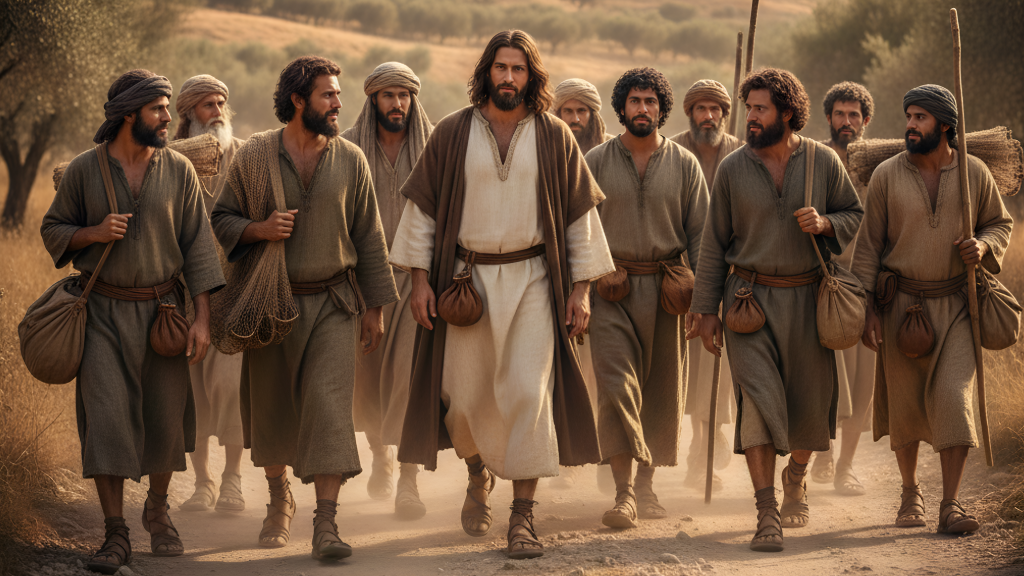
Jesus frequently questioned traditions that had been passed down without reflection. His issue wasn’t with tradition itself, but with the idea of following something simply because “that’s how it’s always been done.”
He encouraged people to think, to understand, and to align their practices with deeper principles rather than habit.
It’s a subtle but powerful shift—from passive acceptance to active awareness.
And let’s be honest: every generation could probably benefit from asking, “Does this still make sense, or are we just used to it?”
7. Religious Hierarchy and Status

At the time, religious leaders often held significant authority and status. Jesus challenged this by emphasizing humility and service.
He taught that true greatness wasn’t about position or recognition, but about serving others. In fact, he often flipped expectations entirely—suggesting that those considered “least” were actually the most important.
It’s the ultimate plot twist for anyone chasing titles or status.
His message was clear: leadership isn’t about being above others—it’s about lifting them up.
8. Overemphasis on Rules About Food

Dietary laws were a significant part of religious life, but Jesus downplayed their importance compared to moral and spiritual concerns.
He suggested that what you eat doesn’t define your character—your actions do.
This wasn’t about dismissing tradition entirely, but about shifting focus. It’s like saying, “Yes, your choices matter—but maybe focus on how you treat people first.”
It’s a practical reminder that priorities matter—and sometimes they need to be rebalanced.
9. Judgment Without Self-Reflection

Jesus famously addressed the tendency to judge others while ignoring one’s own flaws—summed up in the idea of noticing a speck in someone else’s eye while missing the plank in your own.
It’s a vivid (and slightly humorous) image that highlights a very real human habit.
His teaching encouraged self-awareness and humility, rather than quick criticism. It’s not that accountability doesn’t matter—it’s that it should start with yourself.
And honestly, if more people followed this advice, a lot of unnecessary drama could probably be avoided.
10. Treating Religion as Obligation Rather Than Relationship

Perhaps the biggest shift Jesus introduced was moving from a purely rule-based approach to a relationship-based understanding of faith.
Instead of seeing religion as a checklist of obligations, he emphasized connection—with God and with others.
This reframed everything. It wasn’t about earning approval through perfect behavior, but about living with sincerity, love, and purpose.
It’s a perspective that transforms religion from something you have to do into something you choose to live.
And that makes all the difference.

Lover of good music, reading, astrology and making memories with friends and spreading positive vibes! 🎶✨I aim to inspire others to find meaning and purpose through a deeper understanding of the universe’s energies.