

Throughout history, certain plants have been seen as mysterious, dangerous, or connected to the supernatural.
Some were used in healing or rituals, while others gained a darker reputation because of their strong effects on the mind and body.
In many old stories, people believed these plants could open doors to visions, spirits, or hidden forces.
Whether seen as folklore, fear, or misunderstood science, they remain deeply tied to witchcraft legends and occult traditions across cultures.
1. Belladonna
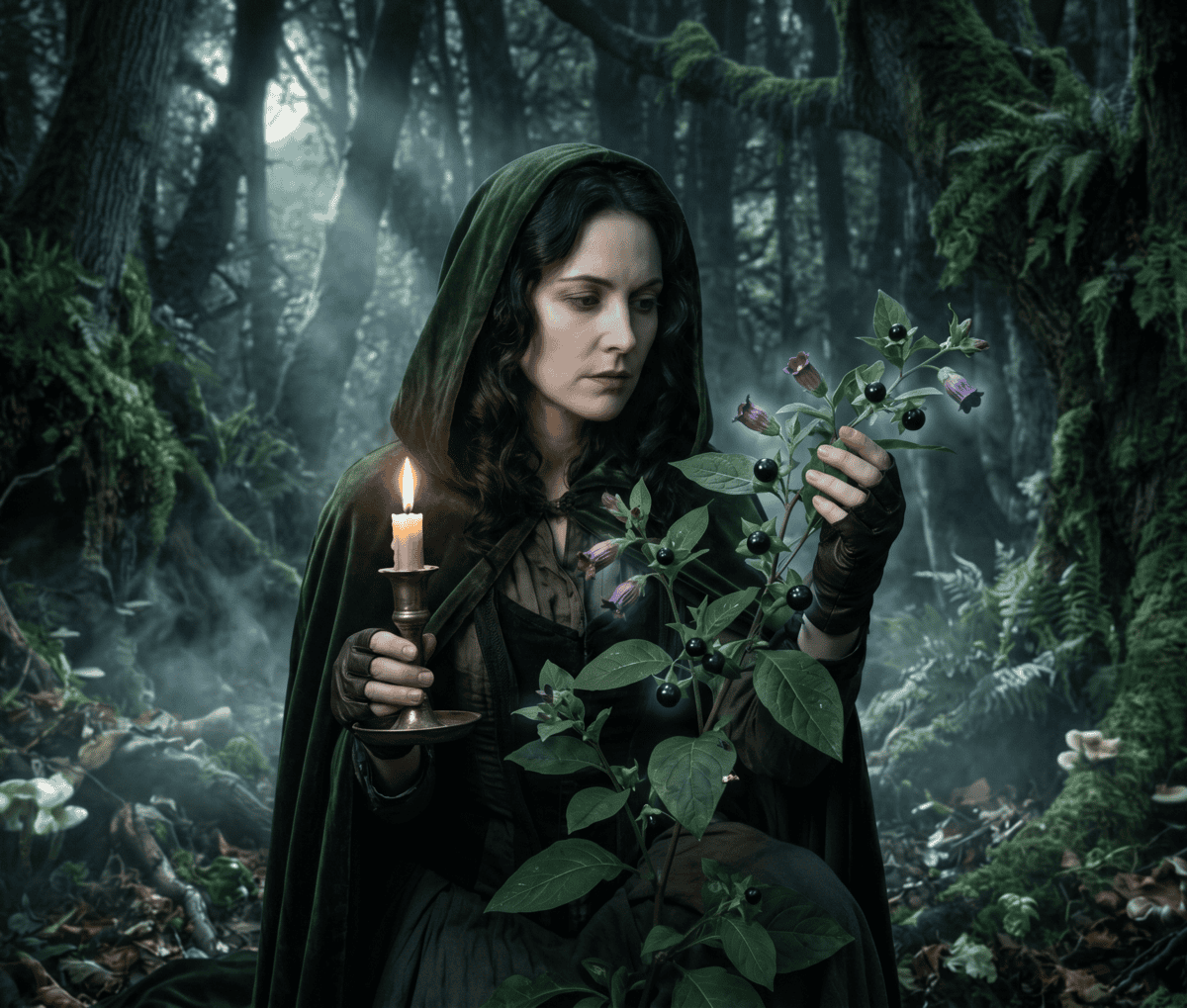
Belladonna, also known as deadly nightshade, is one of the most famous plants linked to witchcraft and poison lore.
Its shiny black berries and purple flowers look almost beautiful, but the plant is extremely dangerous.
In old European folklore, belladonna was said to be used by witches in flying ointments and trance-inducing mixtures.
Its ability to cause hallucinations and confusion made people believe it could open communication with spirits or other realms. Even accidental contact or ingestion could be harmful.
This mix of beauty, fear, and real toxicity made belladonna feel like something from another world.
It became a symbol of forbidden knowledge, where curiosity and danger existed side by side in a very fragile balance.
2. Mandrake

Mandrake is one of the most legendary plants in occult history. Its root sometimes grows in a shape that resembles a small human figure, which has fueled countless myths and superstitions.
People believed mandrake could bring luck, fertility, or powerful magical results when used in rituals.
At the same time, it was feared for its supposed deadly scream when pulled from the ground.
This strange combination of healing beliefs and terrifying legends made mandrake a symbol of life and death intertwined.
It was often treated with extreme caution, as if it carried a living spirit inside its twisted root.
3. Henbane
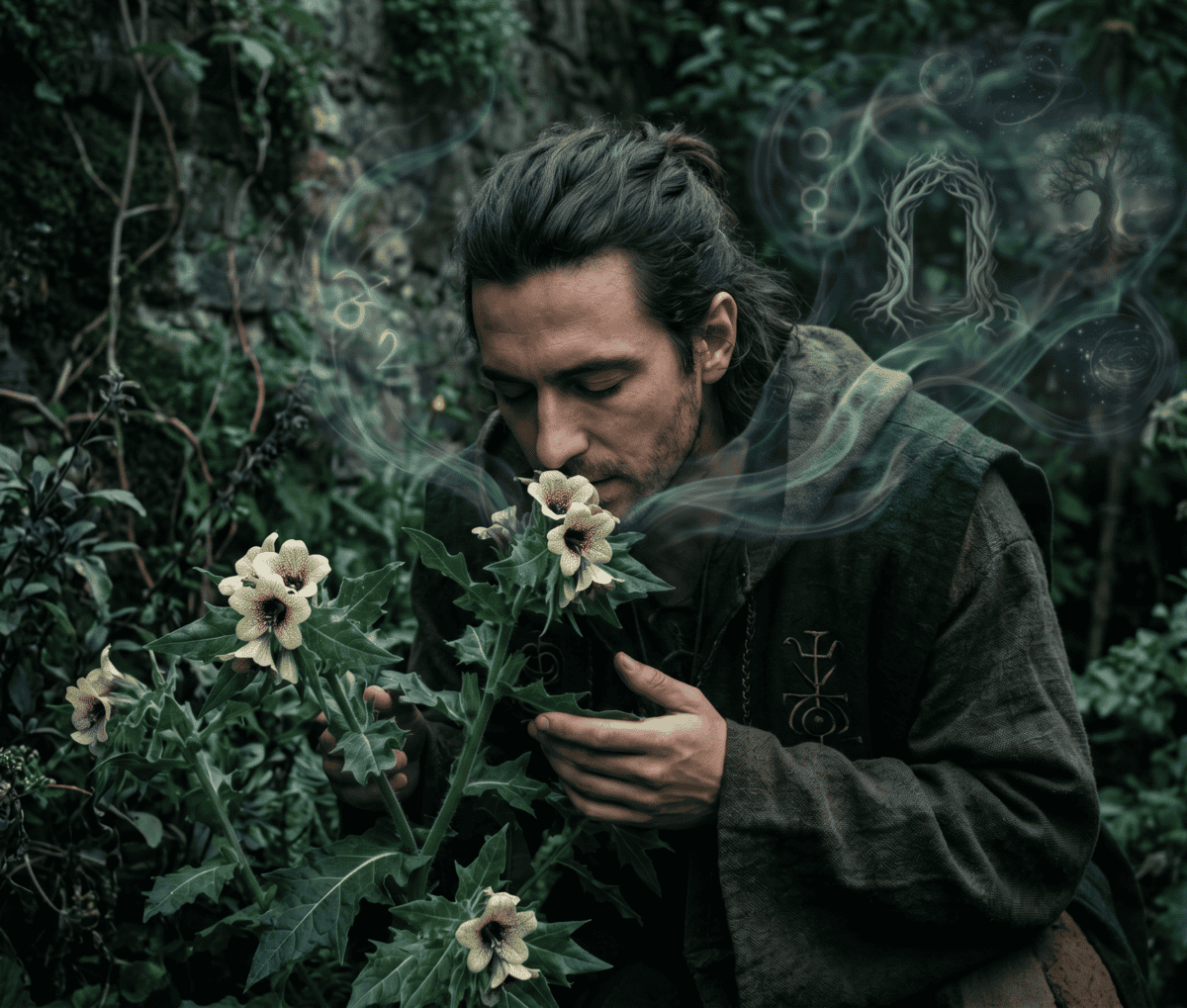
Henbane was widely known in ancient herbal traditions for its strong psychoactive and sedative effects.
Because it could alter perception and cause intense visions, it became closely linked with witches, shamans, and mystical rituals.
In European folklore, henbane was sometimes believed to be used in potions for divination or spirit communication.
Its unpredictable effects made it both feared and respected. People often warned against handling it carelessly.
The plant’s eerie reputation grew from its ability to blur the line between reality and imagination.
To many, henbane felt like a gateway plant, one that could temporarily shift a person into a strange and unfamiliar inner world.
4. Datura
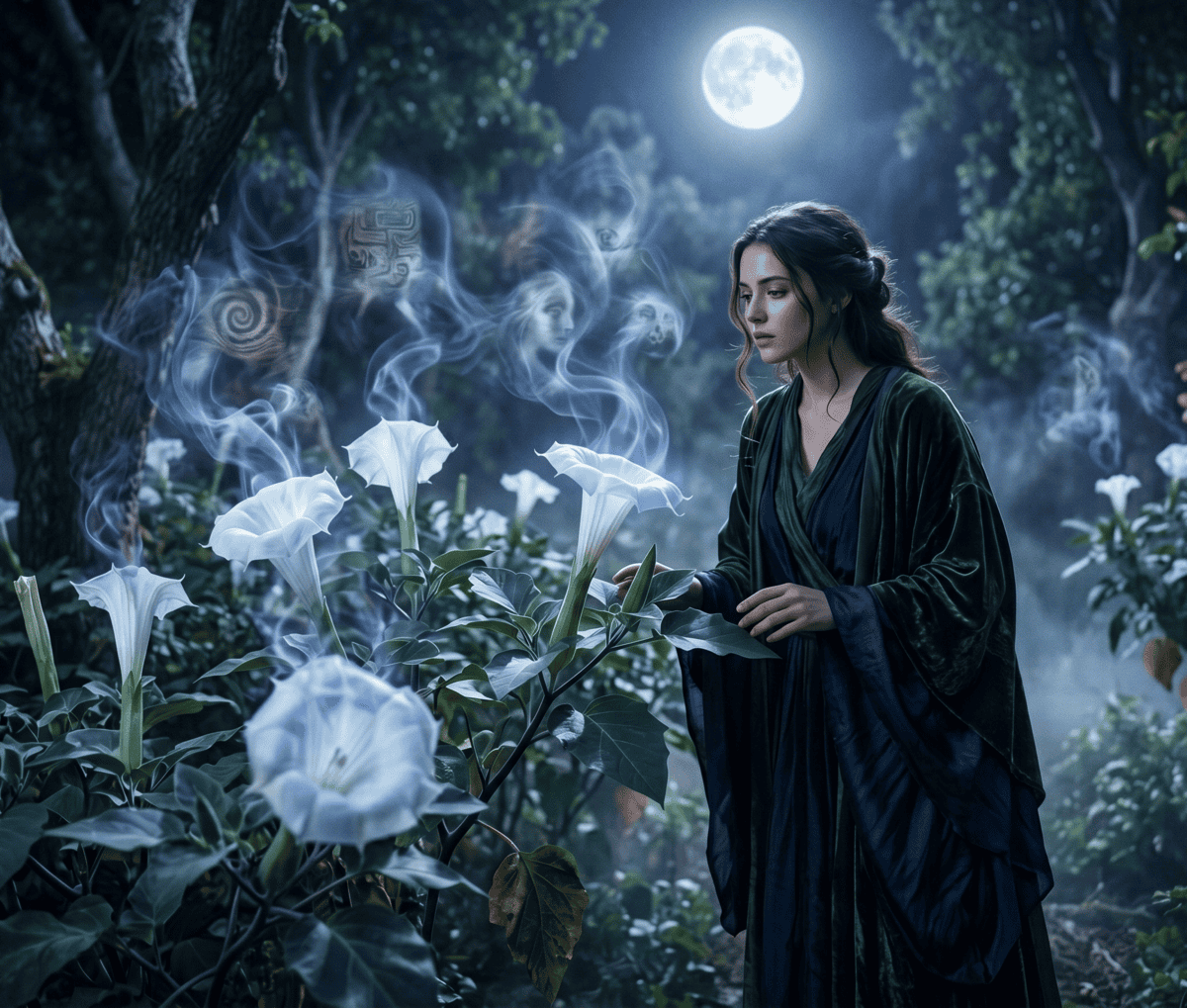
Datura, often called thorn apple or devil’s trumpet, has long been surrounded by stories of magic, danger, and altered consciousness.
Its large trumpet-shaped flowers give it an almost theatrical appearance. Across various cultures, datura was used in rituals that involved trance states or spiritual visions.
However, its effects are extremely strong and unpredictable, which adds to its fearsome reputation. Many traditions warned that it should never be used lightly.
Because of its combination of beauty and toxicity, datura became associated with witches and supernatural encounters.
It represents the thin and often dangerous boundary between enlightenment and confusion in folklore traditions.
5. Wolfsbane
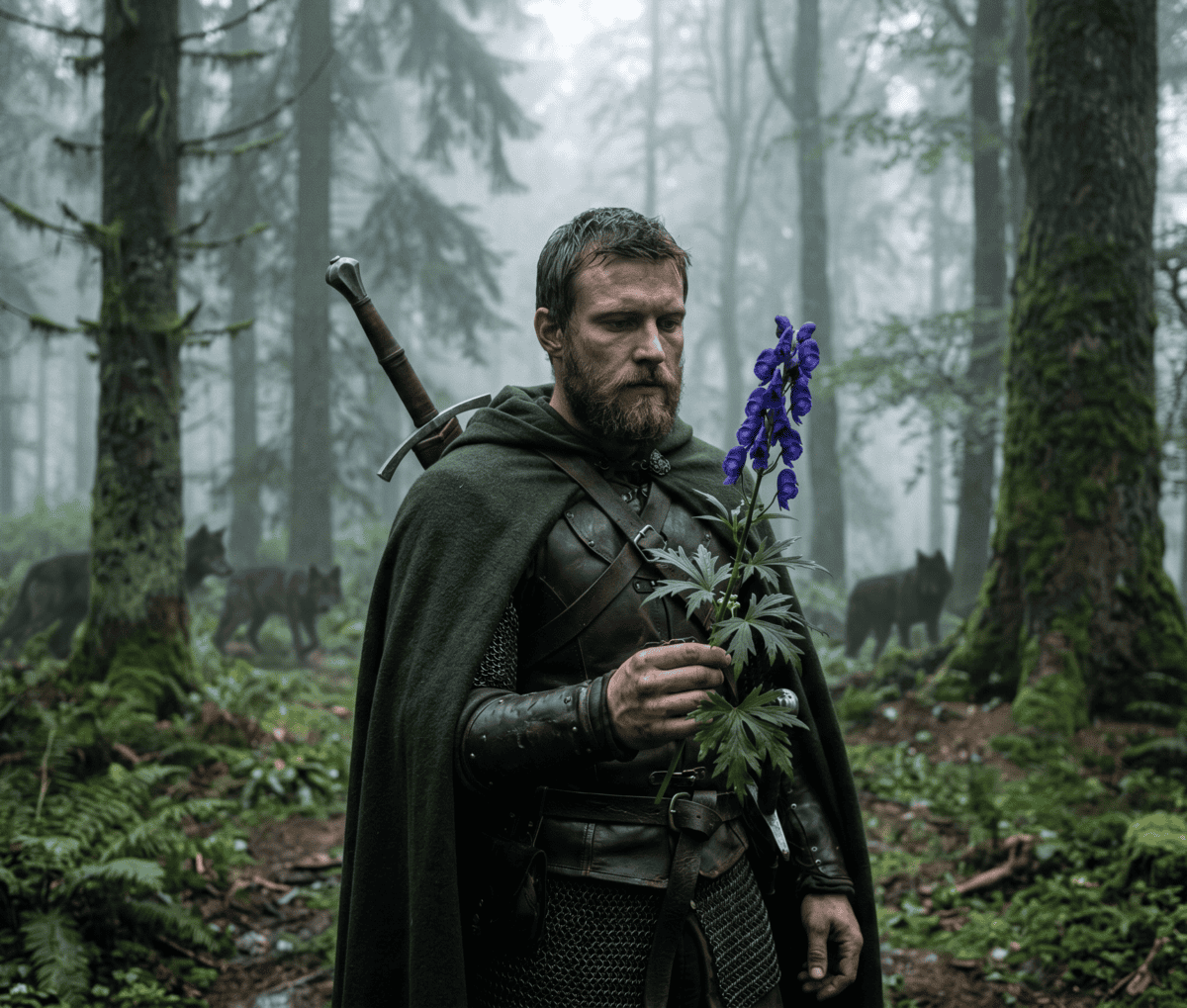
Wolfsbane is one of the most dangerous plants in European folklore, known for its strong toxicity and connection to dark legends.
Its name alone suggests danger and mystery. In old stories, wolfsbane was believed to protect against werewolves and evil creatures.
At the same time, it was also feared as a poison used in curses and assassinations. This dual role gave it a complex reputation.
It could be seen as both protector and destroyer, depending on how it was used. Its presence in myth reflects humanity’s fascination with plants that carry both healing symbolism and lethal power.
6. Black Hellebore
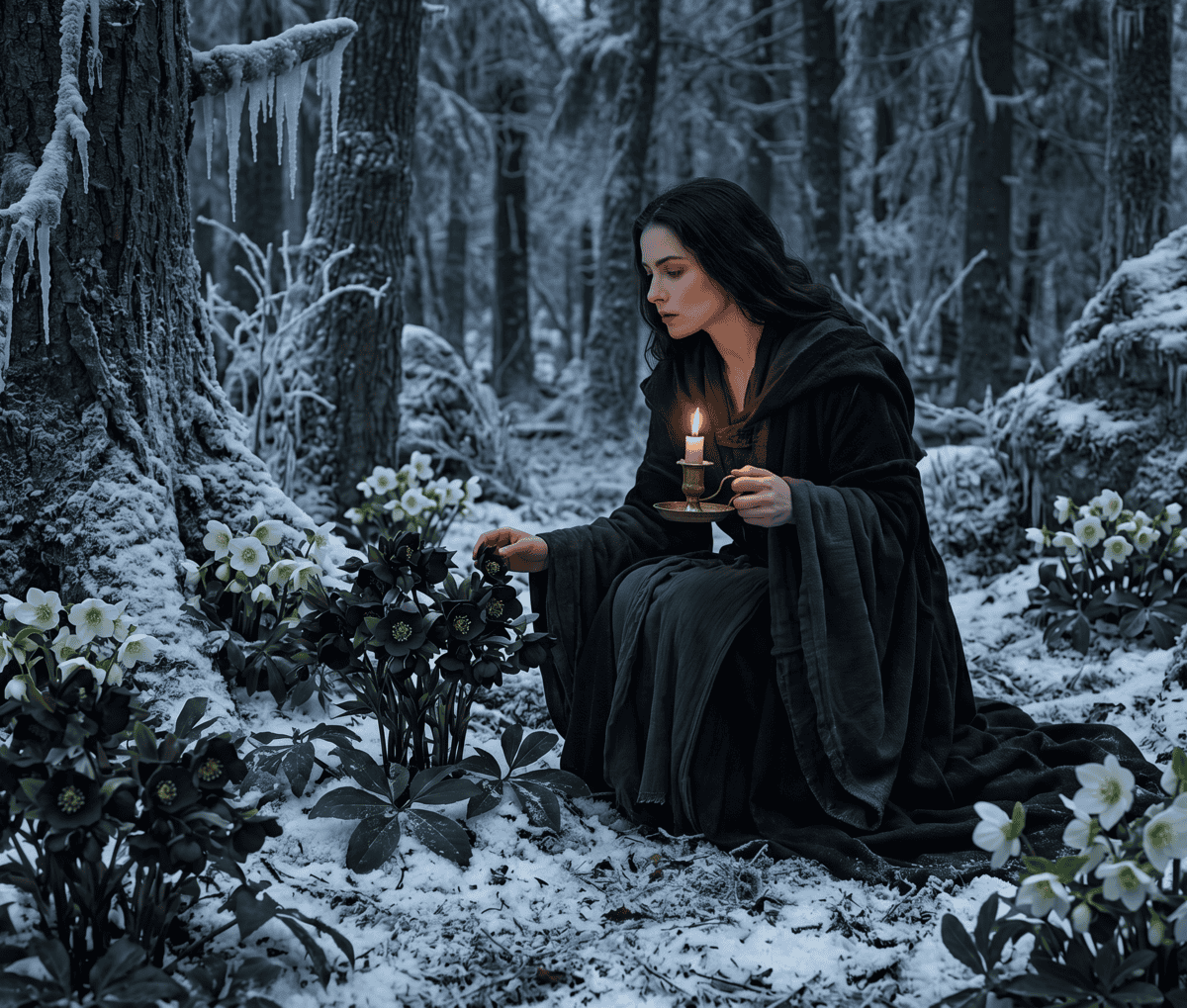
Black Hellebore has a long history in ancient medicine and folklore. It was once used carefully in herbal treatments, but its strong effects also linked it to madness and spiritual danger.
In some traditions, it was believed to drive away evil spirits, while in others it was associated with the underworld and mystical suffering. This contrast made it both respected and feared.
Because of its connection to winter blooming and dark environments, black hellebore became symbolic of endurance in harsh conditions.
It carried the idea that even in cold and darkness, powerful and mysterious forces can still exist.
7. Yew
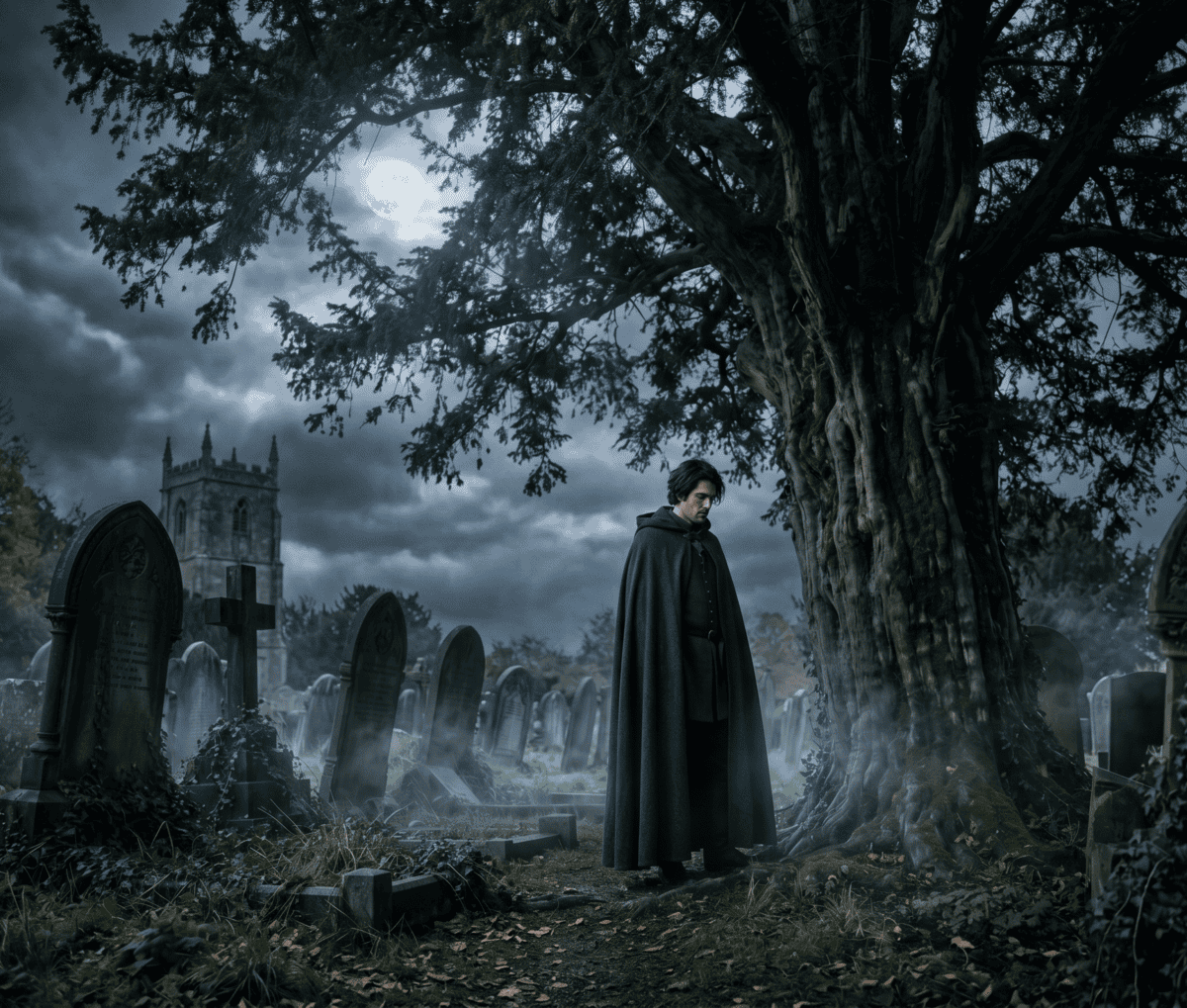
Yew is a tree deeply connected with death, memory, and ancient spiritual beliefs. It is often found in old churchyards and burial grounds, which adds to its solemn reputation.
Its long lifespan, sometimes lasting hundreds or even thousands of years, made it a symbol of eternity. However, its toxicity also gave it a darker meaning in folklore.
People believed the yew stood at the boundary between life and the afterlife. Its silent presence in sacred spaces created an atmosphere of reflection, mystery, and respect for the unseen journey beyond life.
8. Tobacco
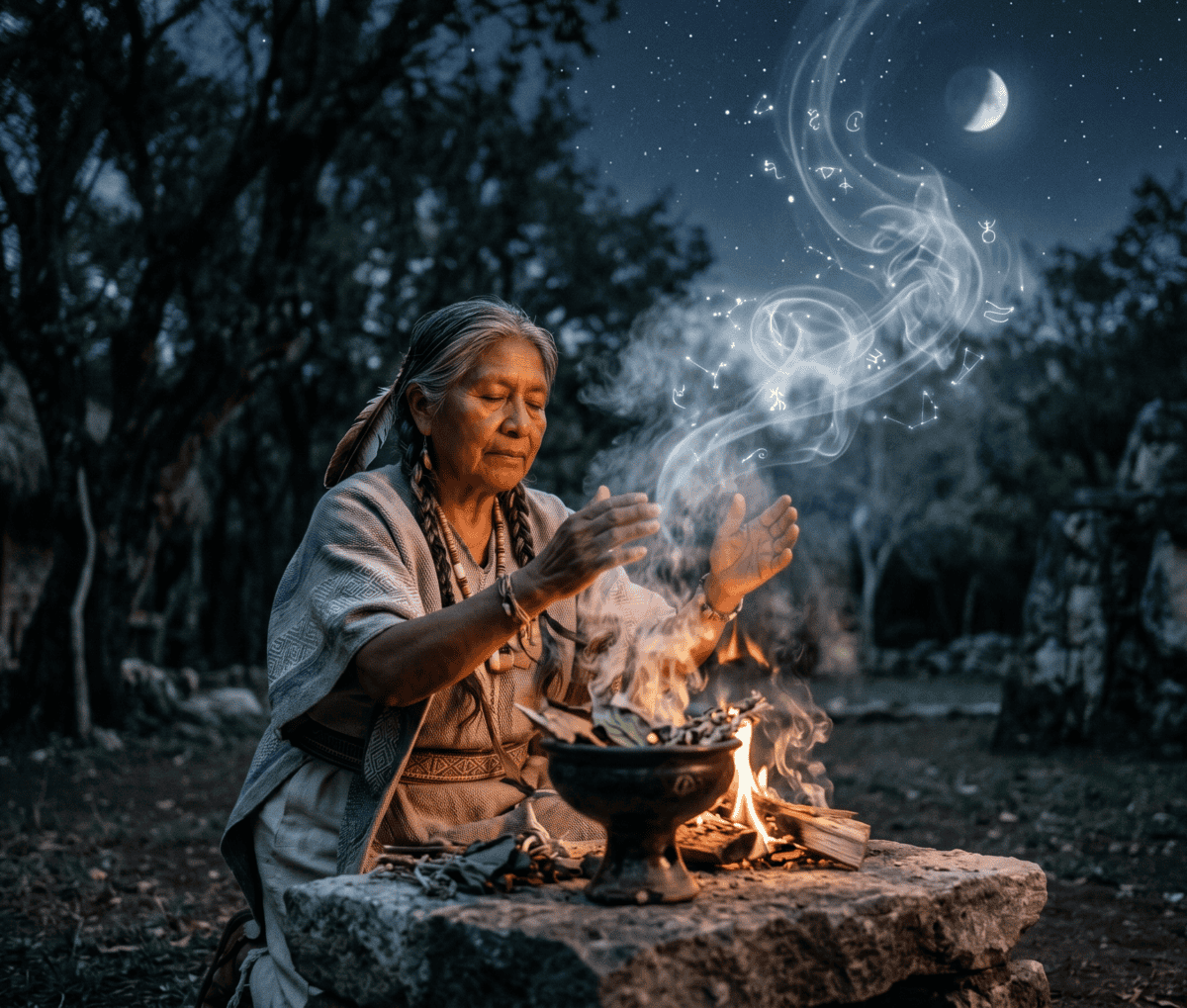
Tobacco has a complex history because it was used in both sacred rituals and everyday habits.
In many indigenous traditions, it was considered a sacred plant used for prayer, offerings, and spiritual communication.
In European occult imagination, tobacco smoke was sometimes linked to visions or spirit contact. The rising smoke symbolized messages traveling between worlds.
This dual identity gave it a symbolic place between the sacred and the harmful, showing how a single plant can carry very different meanings depending on culture and intention.
9. Poppy
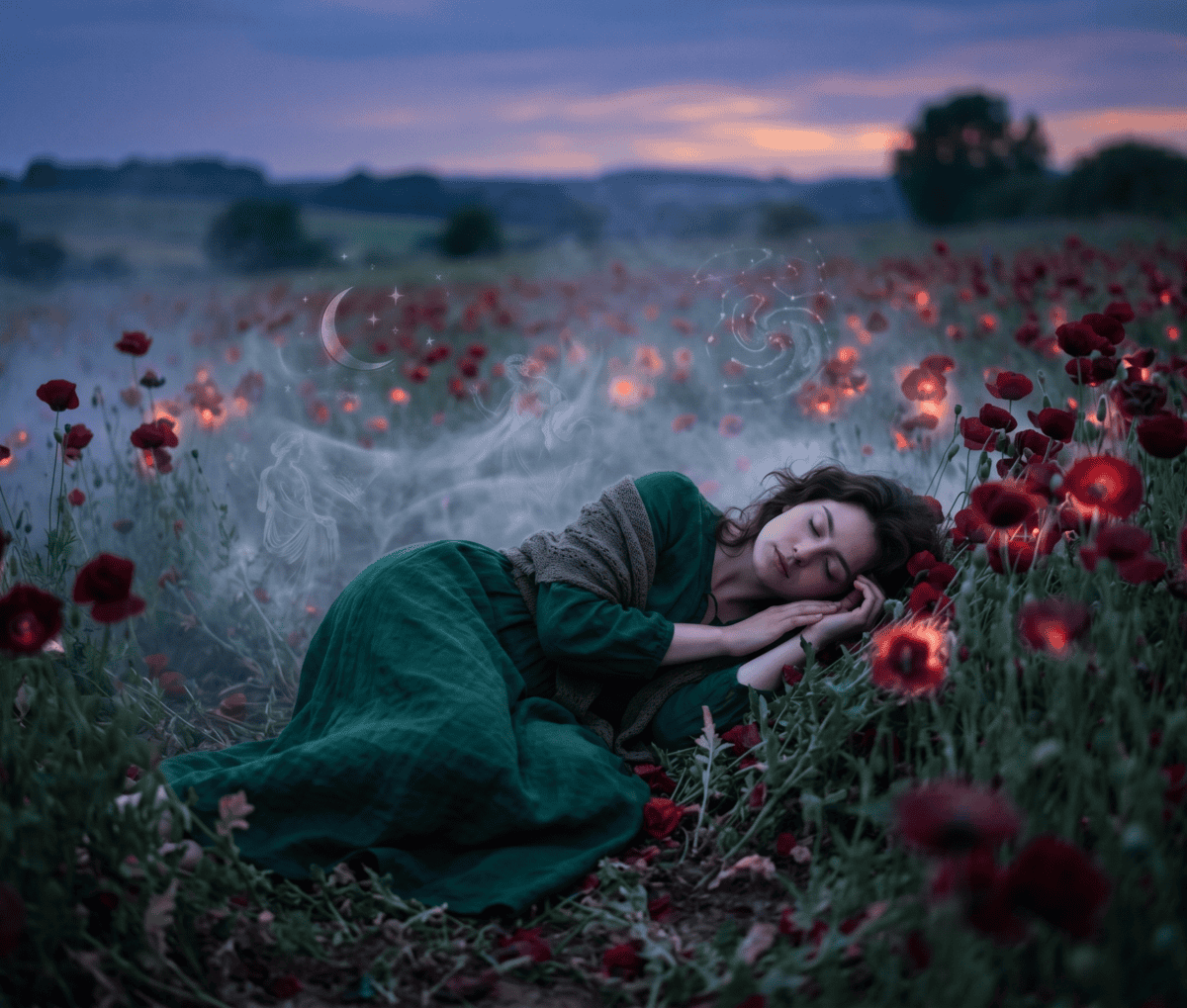
Opium Poppy has long been connected to sleep, dreams, and altered states of consciousness. Its delicate flowers hide a powerful and historically significant source of sedative substances.
In mythology and folklore, poppies were linked to the gods of sleep and death, representing the peaceful boundary between awareness and unconsciousness.
Because of this, they were sometimes viewed as spiritually mysterious. The poppy’s dual nature made it both beautiful and feared.
It symbolized rest, dreams, and escape, but also the danger of losing control. In many stories, it represents the fine line between healing rest and complete oblivion.
10. Cypress

Cypress has long been associated with mourning, cemeteries, and spiritual transition. Its tall, dark shape makes it a striking presence in landscapes, especially near ancient burial sites.
In many cultures, the cypress was planted to honor the dead and symbolize the soul’s journey beyond physical life.
Its evergreen nature suggested continuity, even in the face of death. This tree often appears in art and folklore as a silent guardian of sacred ground.
It represents reflection, memory, and the mysterious boundary between the living world and whatever may come after it.

私は生まれたときから、常に神との強いつながりを感じていた。作家として、また指導者として、私の使命は、人々が最も暗い時代に愛と幸福と内なる強さを見つけるのを助けることである。