
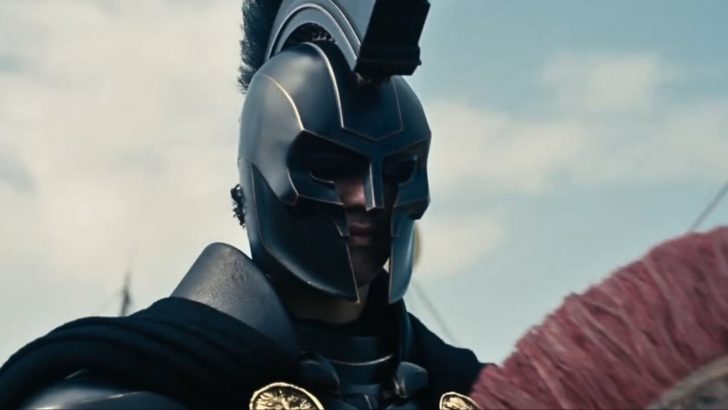
Christopher Nolan’s adaptation of the Odyssey is all over the place; so much so that it’s the first thing that pops up when you search the title.
It’s full of controversy, starting with the mixed-race cast, sad-beige aesthetic, and embarrassing historical inaccuracies.
Lupita Nyong’o, who portrays Helen of Troy, even admitted to not knowing what the Odyssey was about before being cast to play the woman who’s the very personification of Greece!
And, what triggered me most, were comments that none of this matters because mythology is just fiction, anyway.
Let’s see why this couldn’t be more wrong.
1. Mythology Is DNA of Civilization
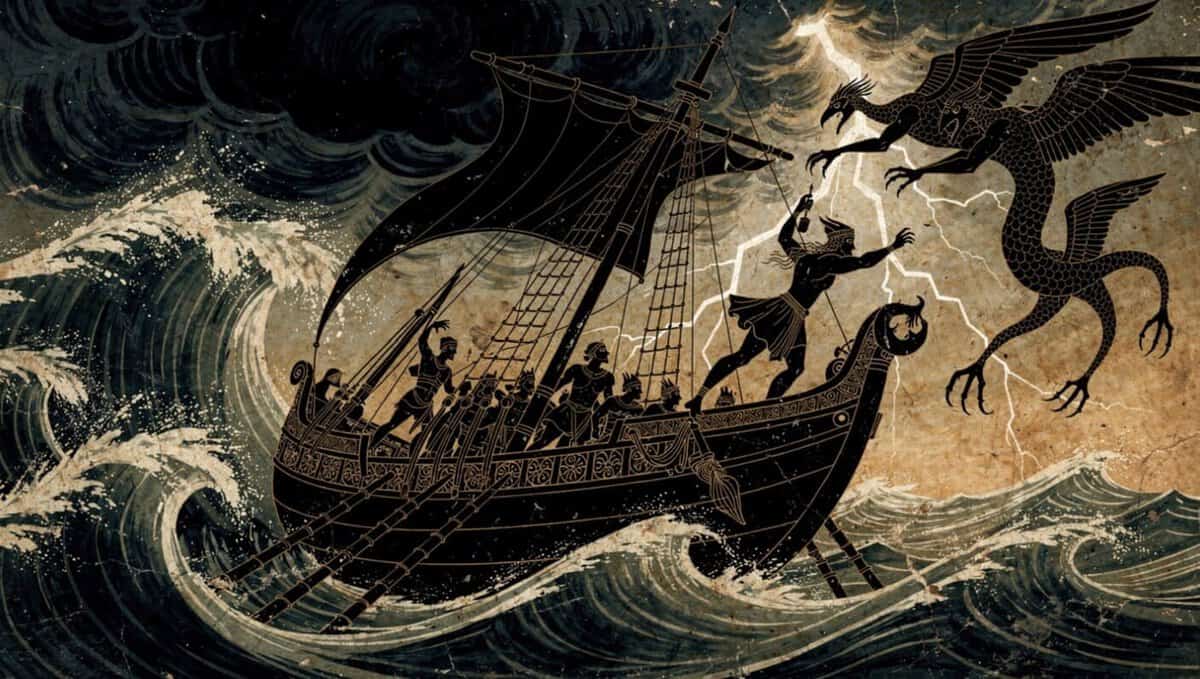
Unlike your typical fiction, these stories carry massive cultural weight.
Mythology was never meant for entertainment. It held early societies together when the world was a terrifying, dark place.
These narratives provided shared rules, laws, values, and cautionary tales that helped people live together without tearing down their communities.
Aside from that, they preserved crucial historical events in the collective memory, long before history books existed.
As such, they allowed these archaic communities to stay whole, never losing sight of who they were.
To reduce mythology to fiction is to ignore all of that.
It’s a sad, globalist outlook on some of humanity’s most precious cultural heritage.
2. How the Myths Are Created
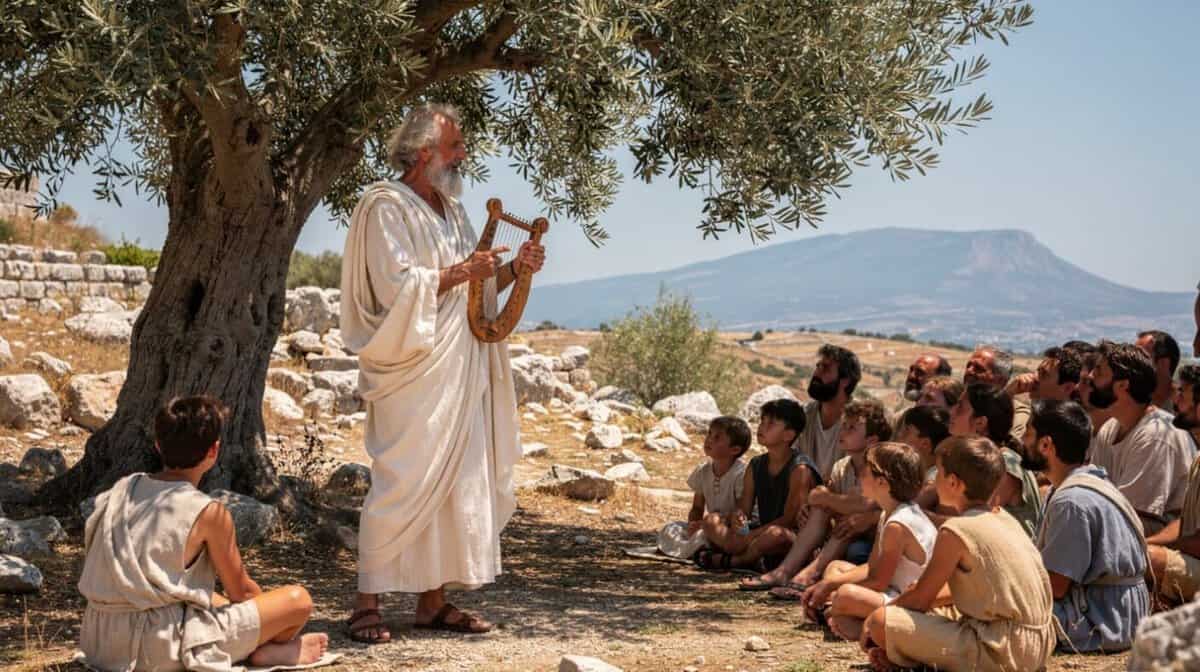
A myth isn’t created by an individual artist who wants to tell a story.
It’s born from a desperate need to explain the unexplainable and then fit it into the world as we know it.
Ancient peoples had no explanation for natural phenomena like lightning, the Sun, the connection between the ocean and the Moon…
They took notice, and they knew their lives depended on and revolved around these phenomena.
And so, the phenomena turned into myths of life-giving deities and their conflicts.
Then, when the first major civilizations started to take shape, the myths started to include legendary rulers, wars, natural catastrophes…
Basically, everything that stood out in the collective memory.
Mythological songs and tales survived for thousands of years because they worked: they helped people make sense of chaos.
3. History Meets Gods
Mythology sits right on the border of what happened and what we wish had happened. People used it to process the impact of life-changing events.
They’re often distorted memories of real events, which evolved and changed over thousands of years.
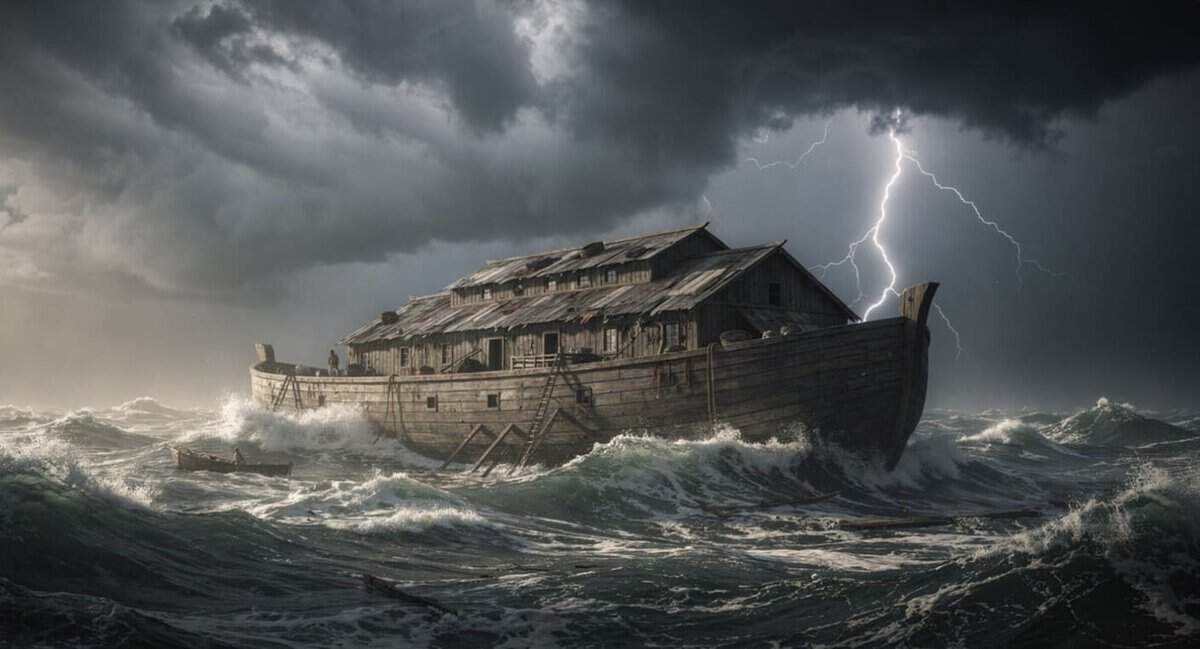
For example, there’s plenty of scientific proof for the great flood, but there’s not much proof for Gilgamesh or Noah.
Yet, these myths were what made sure the world would never forget the flood!
The history and the myth are often fused so closely that they can’t be separated.
Myth is the same as religion. Each tale in the Bible, especially the 旧約聖書, is mythology.
But because these tales and beliefs are current, we typically don’t treat them as dumb fiction that can be adapted without respect and accuracy.
4. Ancestral Experiences
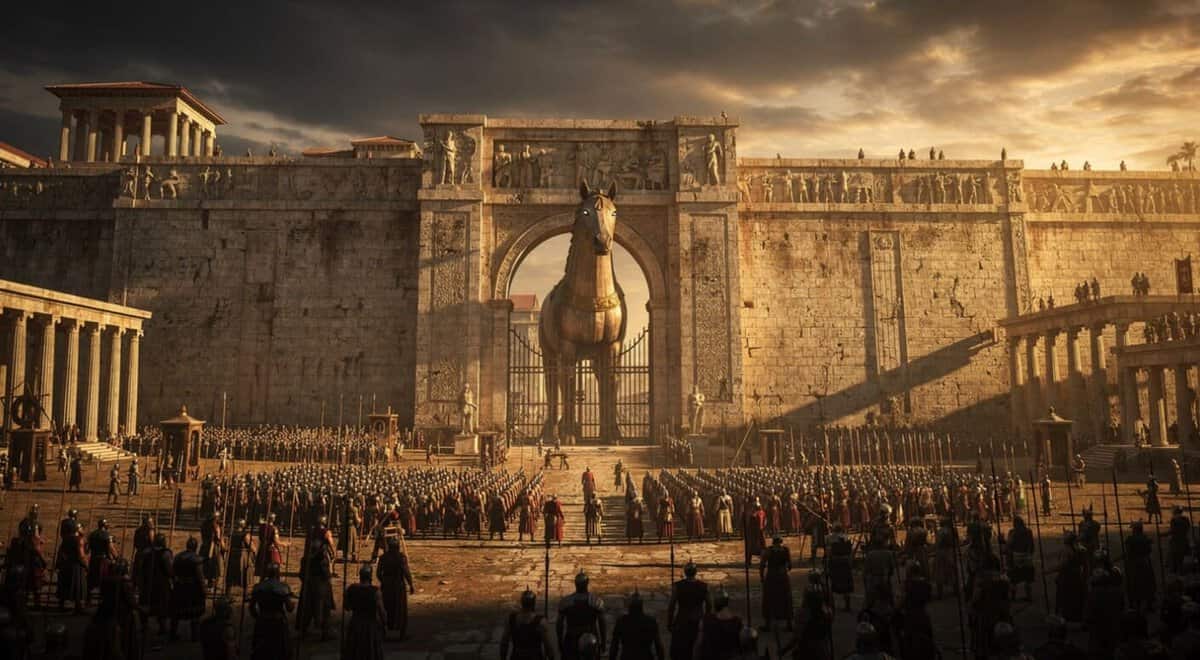
The idea that mythology is nothing more than fiction insults the intelligence of our ancestors.
It assumes they made up all these stories because they had nothing better to do. But they just used a different language to describe reality.
Myths contain psychological truths that science is still catching up to! They explore themes of trauma, heroism, death, and transformation.
They have so much to teach us.
Calling them fiction leaves us spiritually poorer. It pushes us to reject the age-old wisdom preserved in the myths.
By judging these narratives from the modern perspective, we willingly give up the immense knowledge they have to offer.
5. The Oldest Heritage
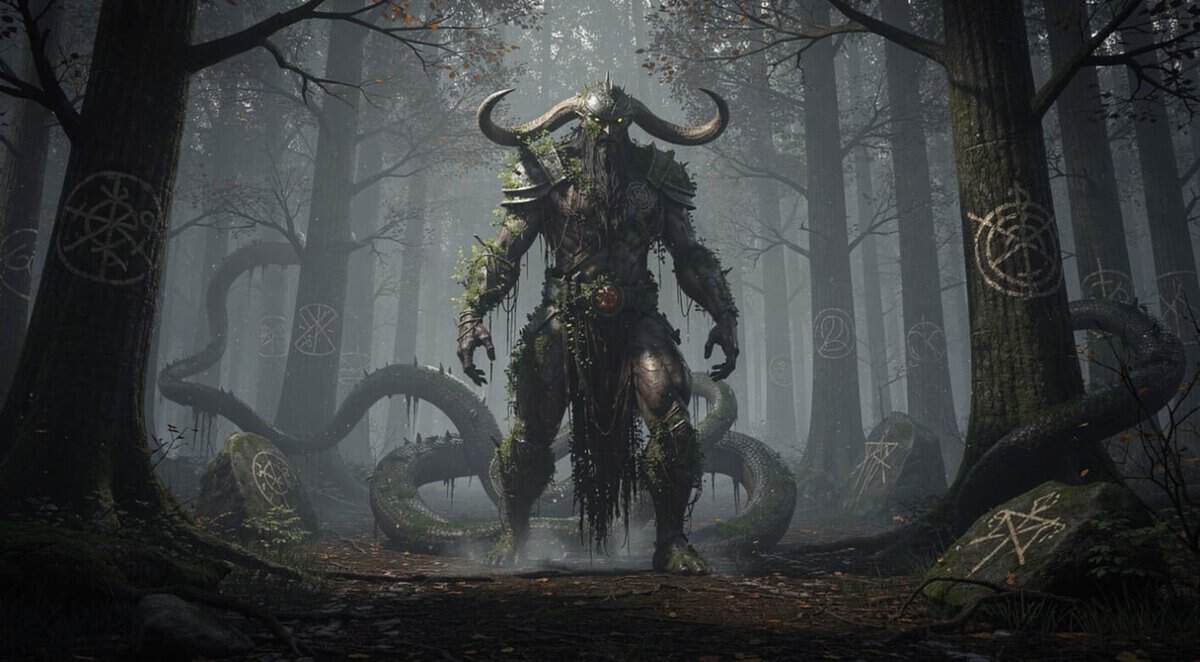
Mythology provides the longest thread we have connecting us to ancestral heritage.
When you read a tale about the sun riding across the sky in a chariot, you’re touching the mind of a person who lived thousands of years ago.
You are feeling what they felt.
Unlike the informative lines in history books, myths grant you insight into ancient minds.
They remind us that we are part of this long, unbroken chain and keep us connected to our roots.
They keep the ancient wisdom alive, ensuring we don’t have to start from scratch with every generation.
6. Archetypes That Shape Us
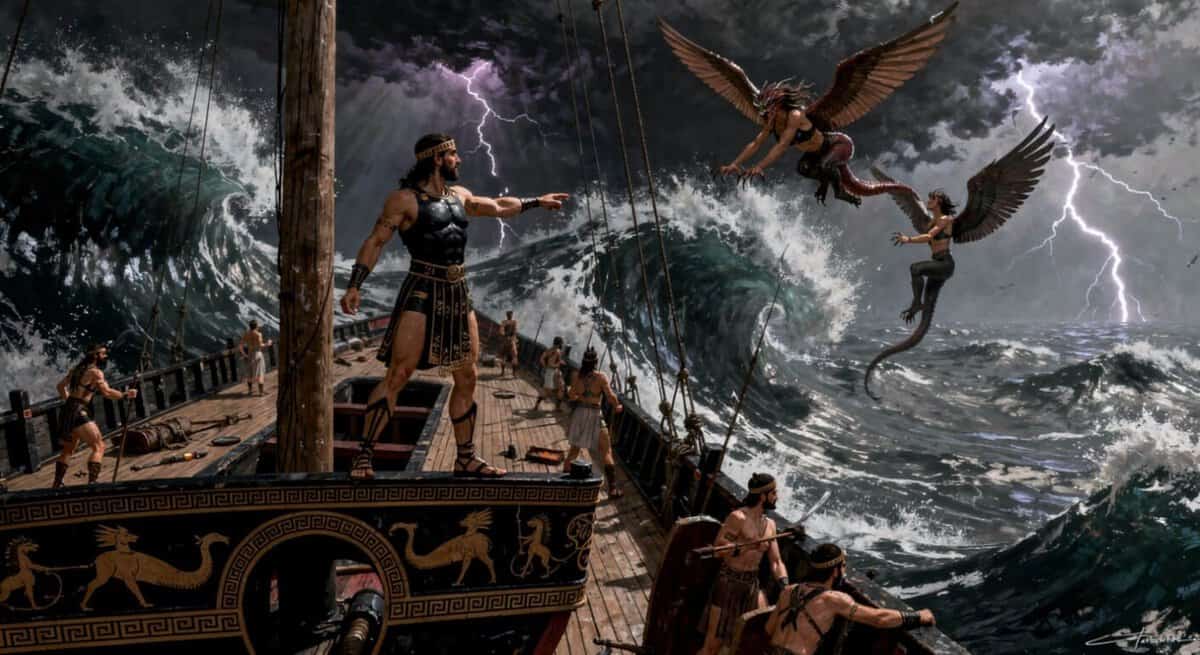
You might not think so, but myths are still shaping the way you see yourself.
Are you the hero of your own life, or the villain? Are you the victim, or the mentor?
These archetypes come straight from mythology.
We unconsciously follow the scripts created by ancient storytellers and bards.
Mythology provides the structure for our 個人的成長 そして 理解 of the world. It shaped politics, storytelling, and even our self-image.
It’s inspiring to realize that we are part of a much larger history.
7. The Soul of a Nation
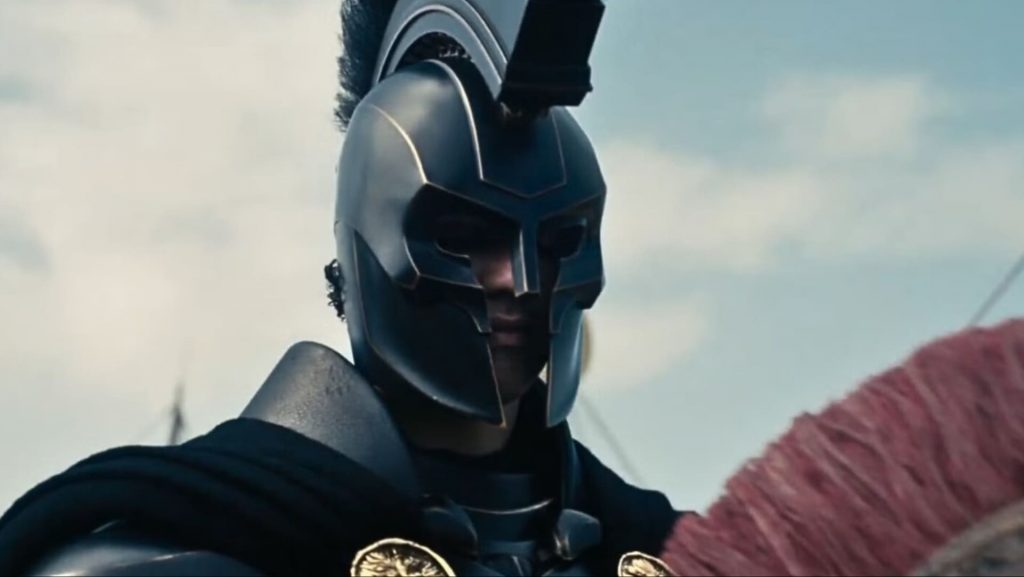
We also have to consider the national and spiritual importance of these myths.
Whether you’re Greek, Italian, Swedish, or Nigerian, mythology contains the soul of your nation.
It defined your ancestors’ identity, giving them a sense of purpose.
Just remember Rome and its foundation myth! These narratives are the bedrock of entire civilizations!
They tell us who we are in relation to the divine and to each other.
So, to conclude: no, mythology isn’t mere fiction. It’s a collection of dreams and lessons of the human race, and we are still benefiting from them.
As such, they deserve accurate adaptations that respect the history of the nation that created them.

A little Aquarius, devoted to writing and embroidery. Through my writing, I hope to empower readers to align with their true selves and navigate life’s mysteries with confidence.