
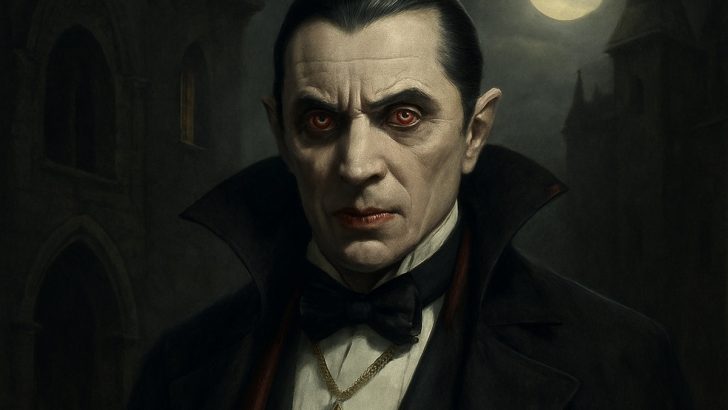
Long before vampires were brooding in velvet capes or sparkling in suspicious sunlight, they were the stuff of pure nightmare fuel. Across cultures and centuries, nearly every civilization came up with its own version of a bloodthirsty, sleep-ruining creature that refused to stay dead. Coincidence? Or proof that humans everywhere collectively agreed: “You know what’s terrifying? Corpses with unfinished business.”
These ancient vampire legends weren’t romantic—they were grotesque, cunning, and often deeply tied to cultural fears about death, disease, and morality. From seductive spirits to bloated revenants, here are the original creatures that made people double-check their locks… and maybe sleep with garlic under their pillows.
1. The Strigoi (Romanian Folklore)
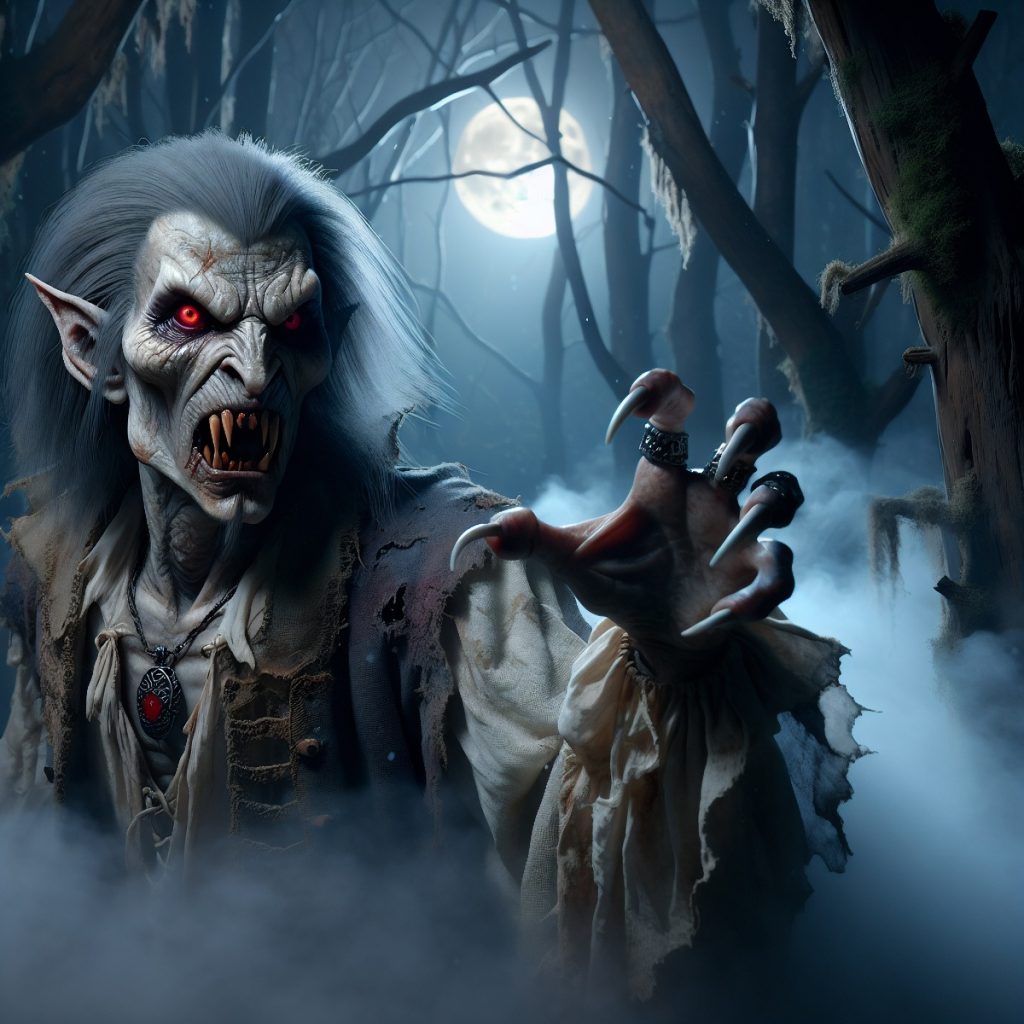
If Dracula had a terrifying extended family, the Strigoi would be the ones no one invites to dinner. Originating in Romania folklore, Strigoi are restless spirits of the dead who rise from their graves to torment the living—because apparently, dying wasn’t enough of a commitment.
They were believed to drain blood, but also to cause illness, nightmares, and general chaos in their communities. What makes them extra unsettling is that they weren’t always strangers—Strigoi were often thought to be your neighbors, relatives, or that one guy who always gave off weird vibes.
Villagers took this threat very seriously. Suspected Strigoi might be exhumed, staked, or even burned to stop their late-night activities. Subtle? Not at all. Effective? According to folklore… absolutely. The Strigoi set the blueprint for the modern vampire: undead, parasitic, and extremely bad at respecting personal boundaries.
2. Lamia (Greek Mythology)
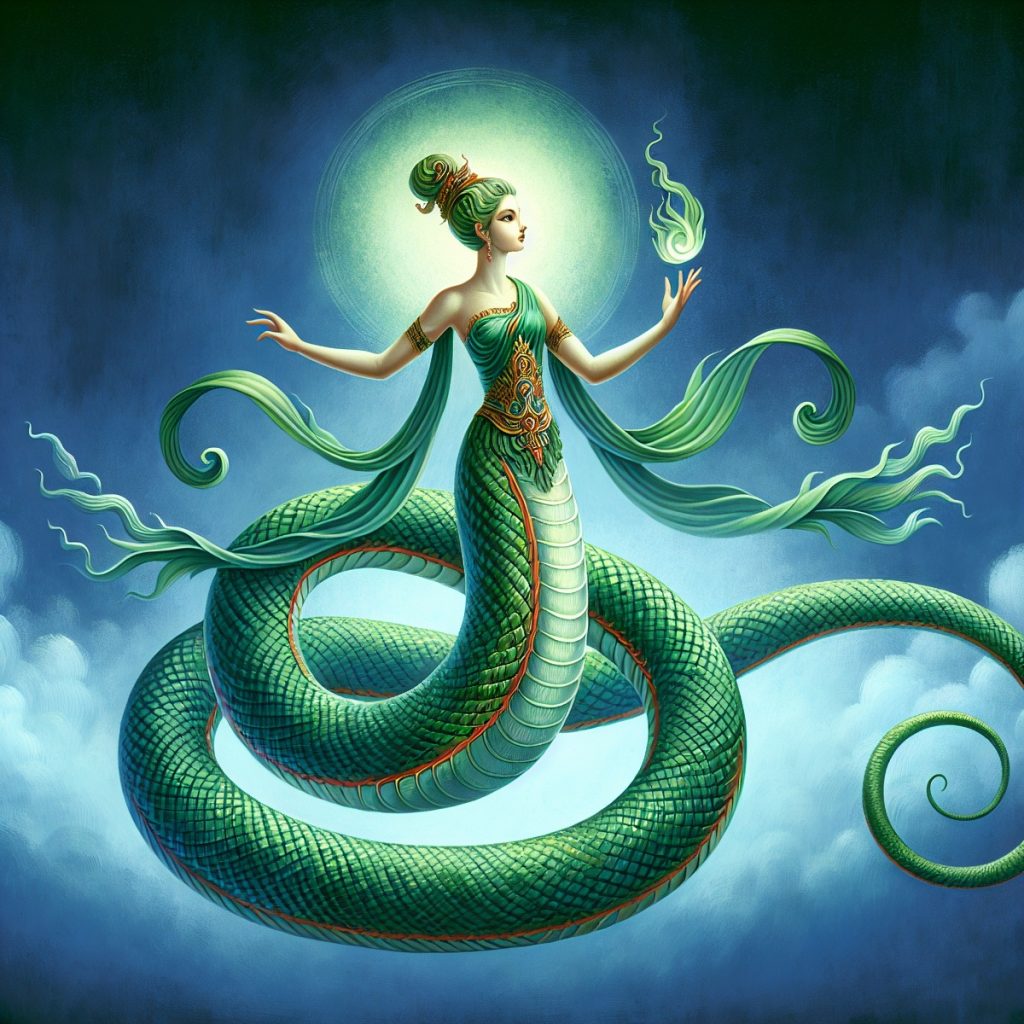
Meet Lamia, the original “don’t go out after dark” cautionary tale from Greece mythology. Once a beautiful queen, Lamia’s story takes a dark turn thanks to divine drama (as most Greek myths do). After losing her children, she transforms into a child-devouring monster with a particular appetite for the young—and occasionally their blood.
While she’s not a vampire in the strict “fangs and capes” sense, Lamia checks several boxes: she feeds on human life, lurks in the shadows, and inspires widespread fear. She was also believed to seduce or lure victims, proving that ancient myths already understood the power of a dangerously charismatic villain.
Lamia’s legend reflects deep fears about loss, grief, and the unknown dangers lurking in the night. Also, she singlehandedly ensured that Greek children listened when their parents said, “Go to bed.”
3. Jiangshi (Chinese Folklore)
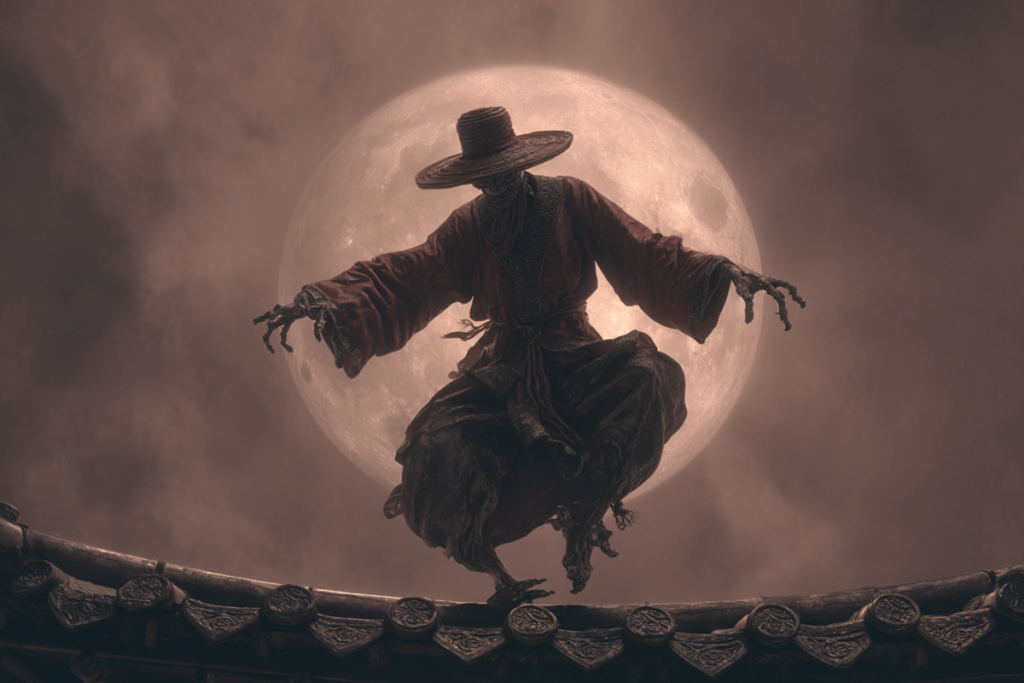
If you thought vampires were all smooth and elegant, allow China to introduce the Jiangshi—a hopping, corpse-like creature that looks like it took a wrong turn out of a haunted laundry room. Often called “hopping vampires,” Jiangshi are reanimated bodies that move stiffly with arms outstretched, because rigor mortis is apparently forever.
Instead of sipping blood like a refined villain, Jiangshi drain life energy (qi) from their victims. So yes, they’re basically supernatural energy vampires… just with significantly worse posture.
They’re also famously warded off by things like mirrors, talismans, and even holding your breath (because they supposedly track the living by breathing—logic is optional here). Despite their slightly awkward movement style, Jiangshi are deeply unsettling and have haunted Chinese folklore for centuries, proving that you don’t need elegance to be terrifying—just persistence and very committed hopping.
4. Vetala (Indian Folklore)
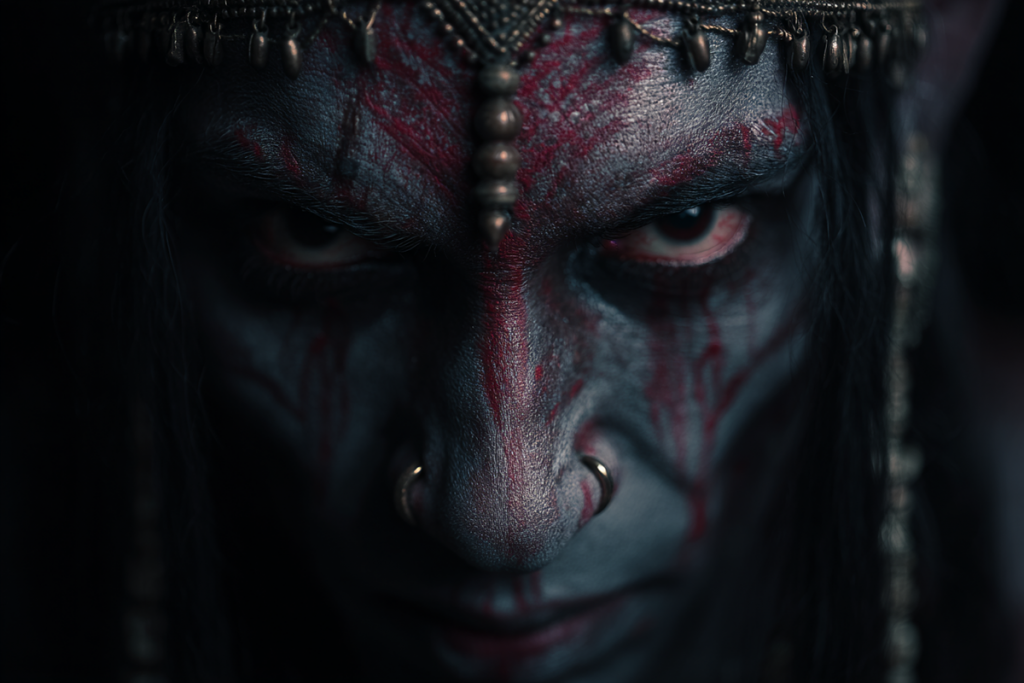
In India folklore, the Vetala is less about blood and more about psychological horror—but don’t worry, it’s still nightmare-worthy. These entities inhabit corpses and can reanimate them, turning dead bodies into… well, very talkative problems.
Vetalas are known for their intelligence and love of riddles, often engaging humans in complex conversations that feel like a supernatural pop quiz you didn’t study for. Fail, and things go badly. Succeed, and… honestly, things might still go badly.
While they don’t always drink blood, their connection to corpses and their ability to possess the dead places them firmly in vampire-adjacent territory. Plus, the idea of a witty, corpse-possessing spirit judging your intelligence? Terrifying in a very specific, academic way.
5. The Aswang (Filipino Folklore)
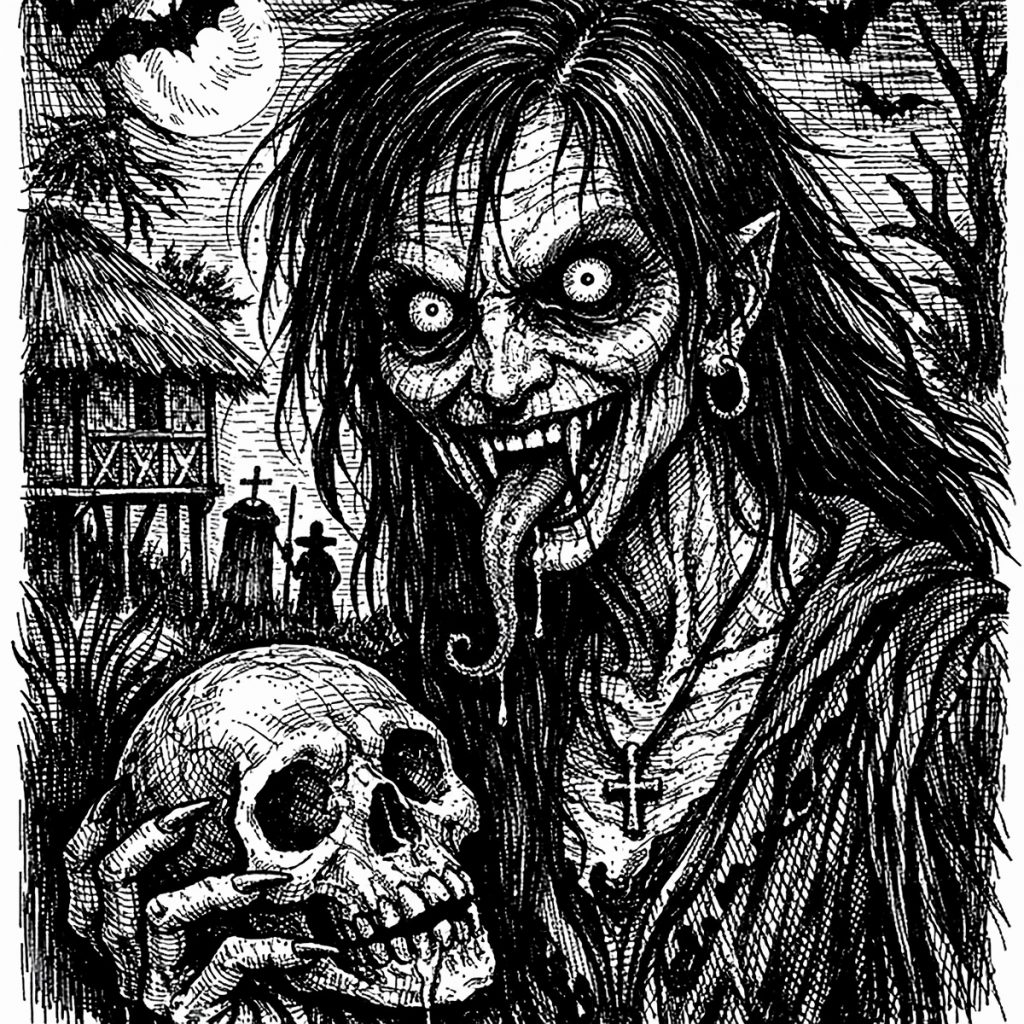
The Aswang from the Philippines is not just a vampire—it’s a full horror franchise. This shape-shifting creature can appear as a normal human by day, then transform into something far more disturbing at night. Think: elongated tongues, detachable body parts, and a very questionable diet.
Some versions of the Aswang specifically prey on pregnant women, using their long, straw-like tongues to feed on fetuses. Yes, it’s as horrifying as it sounds, and no, you will not sleep peacefully after learning that.
What makes the Aswang particularly chilling is its ability to blend in. It could be your neighbor, your friend, or someone casually buying groceries next to you. This dual nature—ordinary by day, monstrous by night—makes it one of the most psychologically unsettling vampire legends in the world.
6. The Upir (Slavic Folklore)
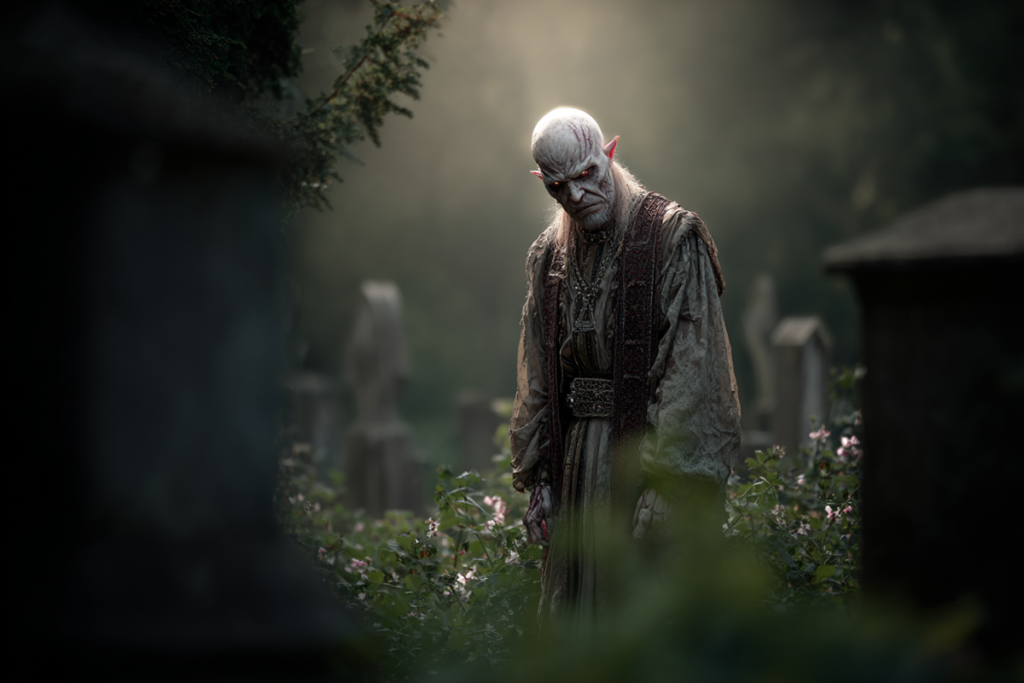
Before “vampire” became the global term, Slavic folklore had the Upir—a creature that makes modern vampires look almost… polite. Found across Eastern Europe, including regions like Ukraine, the Upir was believed to rise from the grave bloated, ruddy, and very much not glamorous.
These undead beings were associated with disease, death, and misfortune, often blamed for outbreaks and unexplained tragedies. They didn’t just drink blood—they spread fear on a community-wide scale.
Preventative measures were intense: staking, decapitation, and even placing objects in the grave to keep the Upir occupied (because apparently, even vampires can be distracted). The Upir represents one of the earliest and rawest forms of vampire mythology—less romance, more rot.
7. Final Thoughts
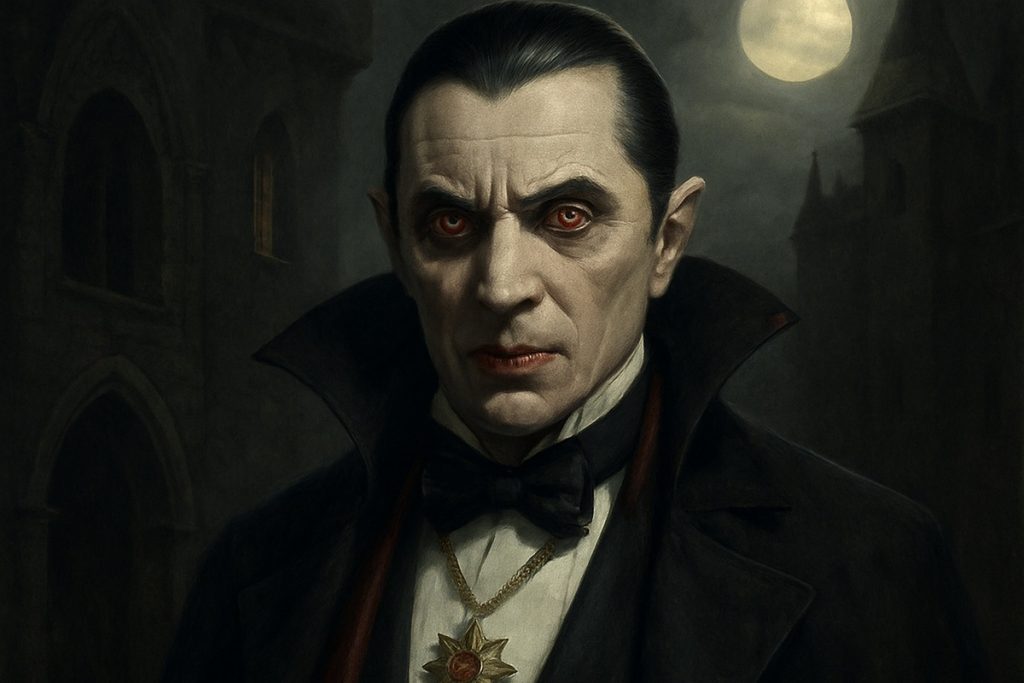
Ancient vampire legends weren’t about charm or tragic love stories—they were about survival, fear, and making sense of the unknown. These creatures reflected real anxieties: disease, death, betrayal, and the unsettling idea that something familiar could turn dangerous overnight.
So the next time you see a vampire in a perfectly tailored outfit looking emotionally unavailable, just remember: their ancestors were out here hopping, haunting, and causing absolute chaos. And honestly? That version is way scarier.

Lover of good music, reading, astrology and making memories with friends and spreading positive vibes! 🎶✨I aim to inspire others to find meaning and purpose through a deeper understanding of the universe’s energies.