
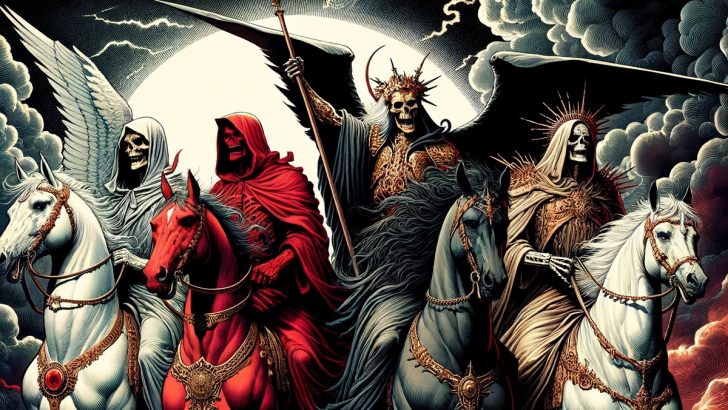
If you’ve ever casually thrown around the phrase “the end is near” while your phone battery hits 2%, congratulations—you’ve already tapped into the dramatic energy of the Four Horsemen. These iconic figures ride straight out of the Book of Revelation, the Bible’s most intense, symbolic, and frankly cinematic finale. The Four Horsemen of the Apocalypse aren’t just random harbingers of doom—they each represent a specific force that has shaped human history in very real ways.
Think of them less as spooky ghost riders and more as the original “disaster influencers,” each with their own aesthetic, vibe, and deeply inconvenient impact on humanity. Let’s break down who they really are—because once you get past the horses, it’s uncomfortably relatable.
1. Conquest (a.k.a. The Ambitious Overachiever Gone Rogue)
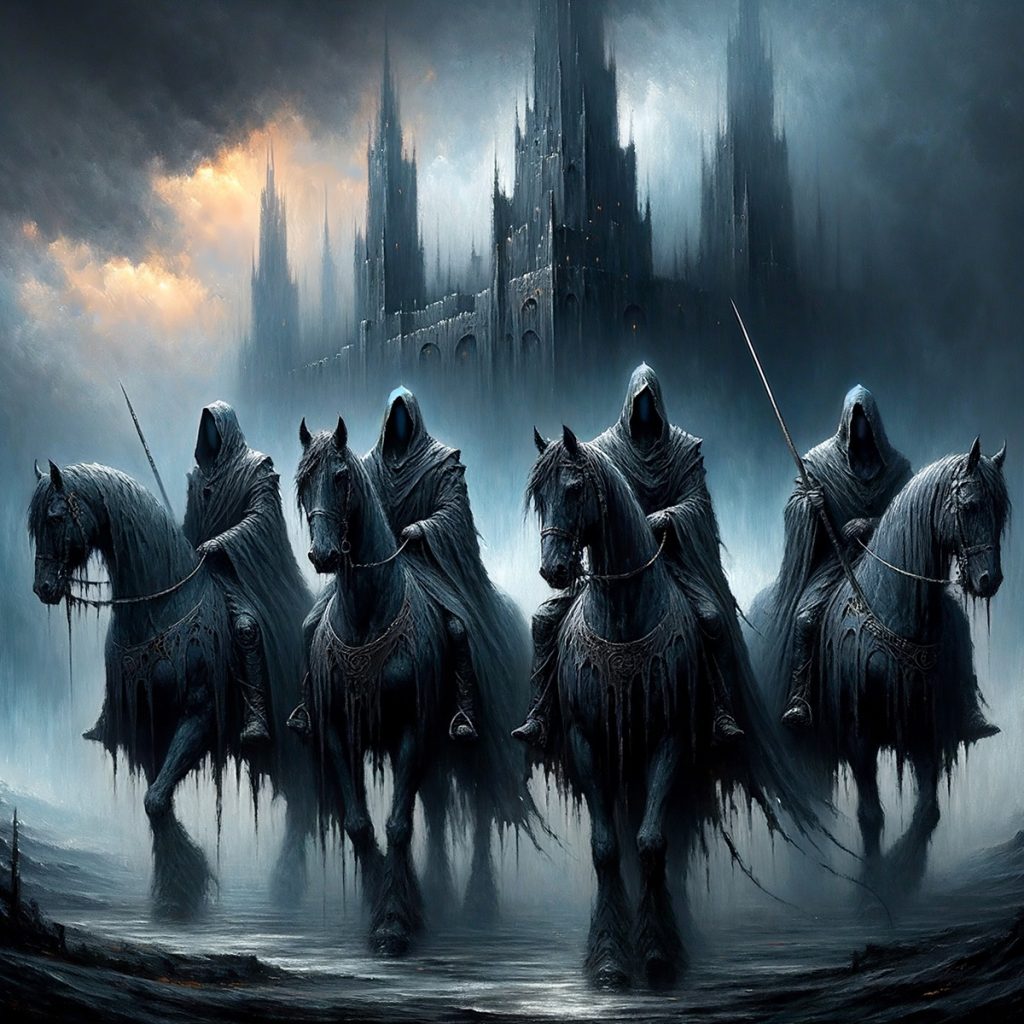
First up, we have Conquest, riding a white horse like he’s about to accept an award at the Apocalypse Oscars. Often depicted holding a bow and wearing a crown, this guy screams “winner”—but in a slightly terrifying, world-domination kind of way. Scholars debate whether he represents pure conquest, political power, or even deception disguised as righteousness.
In modern terms, Conquest is that person who says, “I just want to succeed,” but then somehow ends up taking over everything and leaving chaos in their wake. Historically, he reflects empires expanding, leaders rising with questionable intentions, and the seductive idea that power equals progress. Spoiler: it doesn’t always.
What makes Conquest especially tricky is that he doesn’t look like the villain at first. He rides in looking polished, confident, even hopeful. But give it time, and suddenly everything’s under his control and no one remembers agreeing to it. Classic.
2. War (a.k.a. The Human Argument That Escalated Way Too Far)
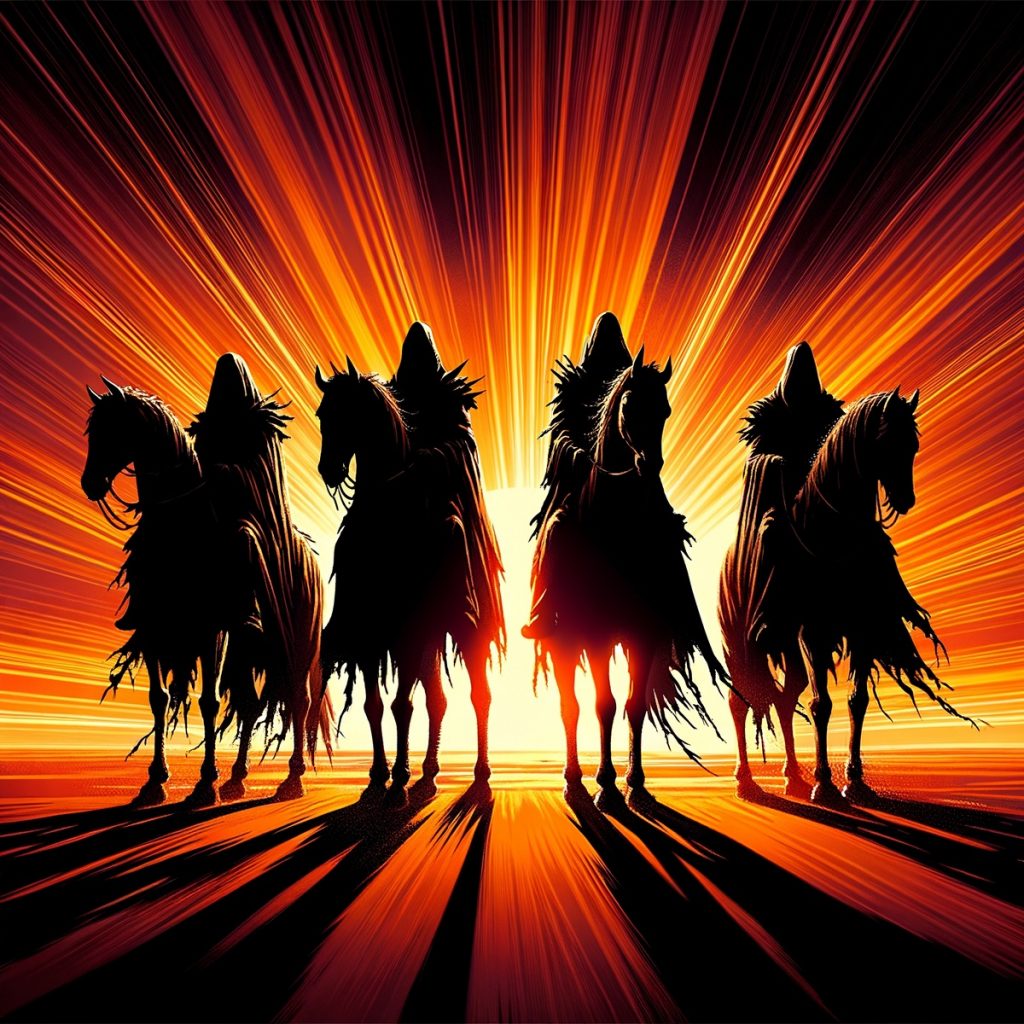
Next comes War, riding a fiery red horse and carrying a sword like he’s permanently stuck in fight mode. His entire job description? Removing peace from the earth. Casual.
War represents exactly what you think: conflict, violence, and humanity’s unfortunate tendency to turn disagreements into full-blown chaos. From ancient battles to modern conflicts, this Horseman is disturbingly consistent. If Conquest opens the door, War kicks it off its hinges.
The scary part? War isn’t just about armies and battlefields. It’s also the everyday conflicts that spiral out of control—the grudges, the power struggles, the “this could’ve been an email” situations that somehow become disasters. War thrives on escalation, and humans… well, we’re pretty good at providing that.
If Conquest is the planner, War is the executioner—loud, messy, and impossible to ignore.
3. Famine (a.k.a. The Economy When It’s in Its Villain Era)
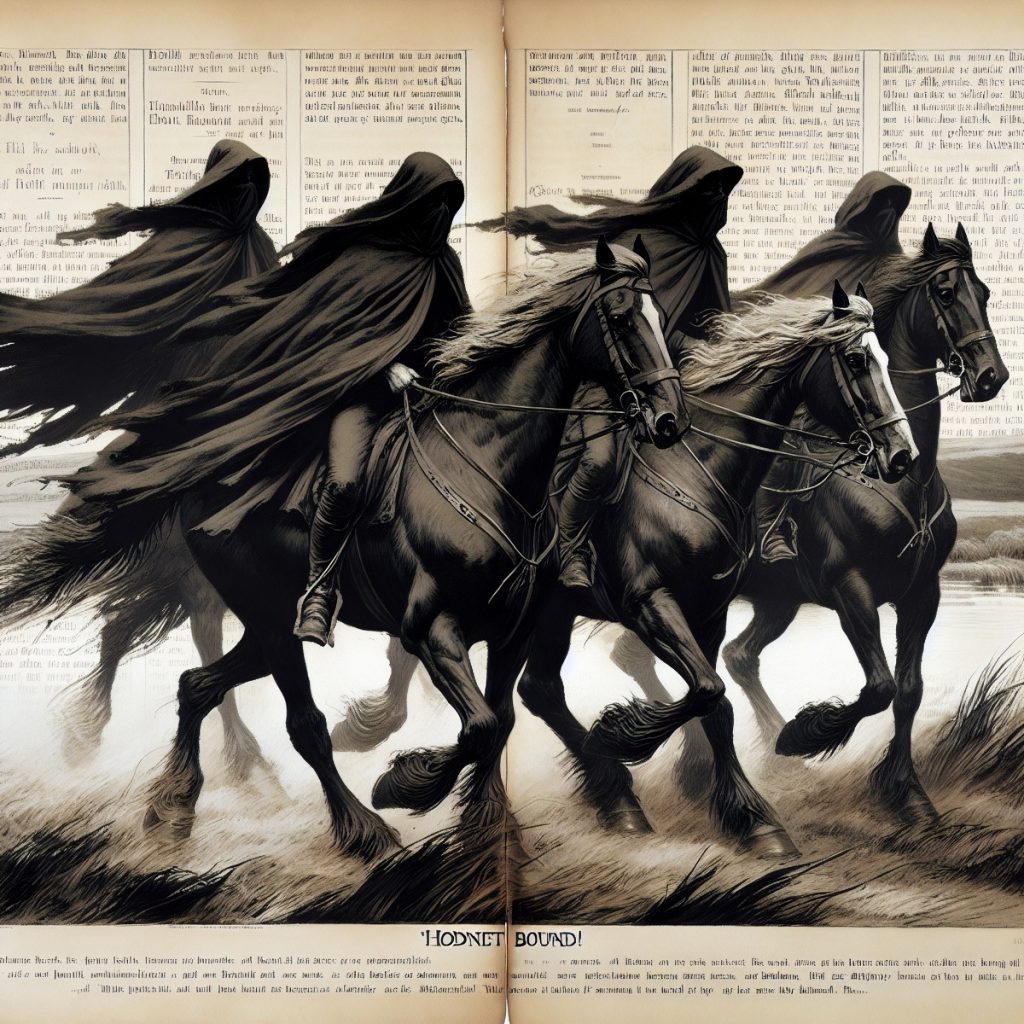
Then we meet Famine, riding a black horse and holding scales, which is basically ancient symbolism for “things are about to get expensive.” And not in a fun, “treat yourself” kind of way—more like “why is bread suddenly a luxury item?”
Famine represents scarcity, hunger, and economic imbalance. It’s not just about literal food shortages (though that’s a big part of it); it’s also about inequality and the fragile systems that determine who gets what. When Famine shows up, resources become uneven, and survival suddenly feels like a competitive sport.
In today’s terms, Famine is that moment when prices skyrocket, wages don’t, and everyone collectively sighs at the grocery store. It’s a reminder that stability is more delicate than we like to think.
Unlike War, Famine is quieter—but somehow just as devastating. It doesn’t shout; it slowly tightens the pressure until people have no choice but to feel it.
4. Death (a.k.a. The One Who Doesn’t Need an Introduction)
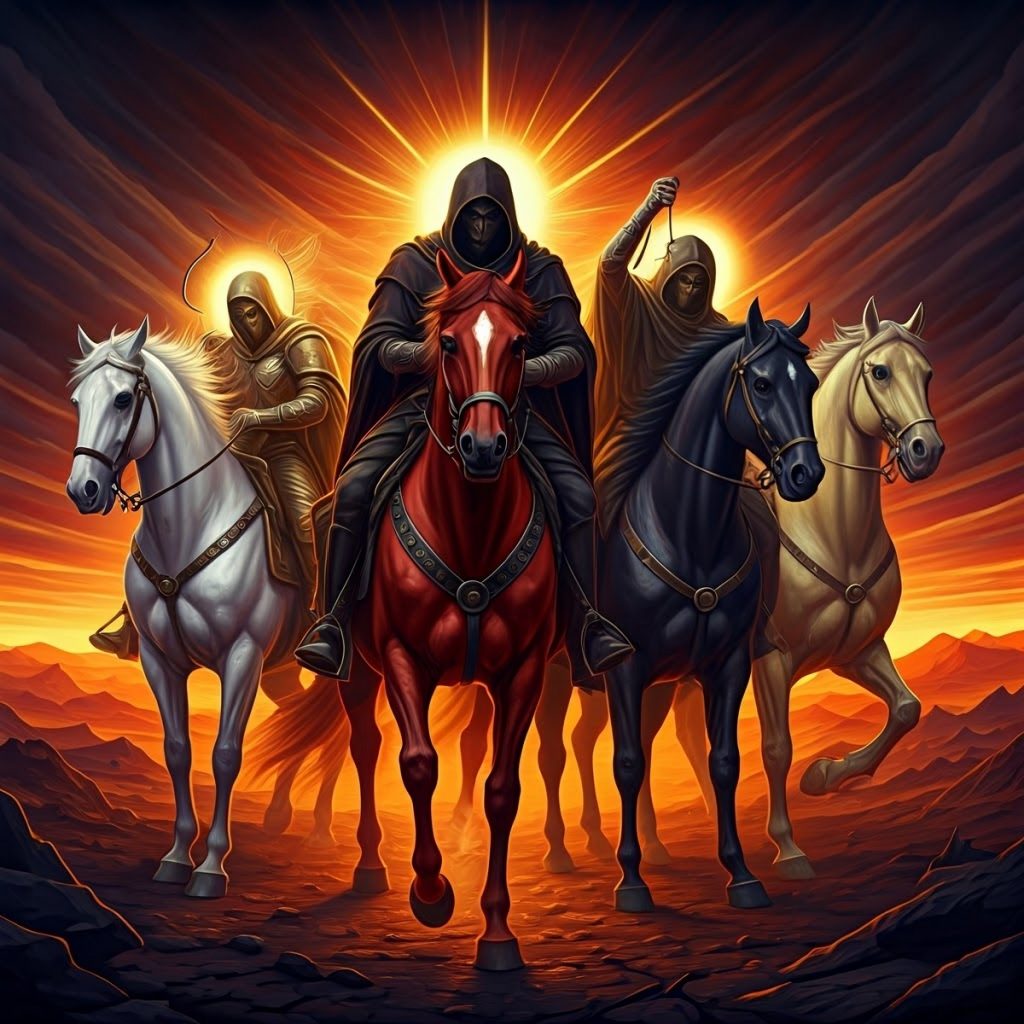
Finally, we arrive at Death—arguably the most famous Horseman, mostly because his branding is extremely clear. He rides a pale horse, and unlike the others, he’s literally named Death. No confusion, no metaphor needed.
Death represents, well… the end of life, but also the inevitability of it. He’s often followed by Hades, reinforcing the idea that this isn’t just about dying—it’s about what comes after. Cheerful stuff.
What’s interesting about Death is that he doesn’t cause chaos in the same flashy way as the others. He’s more like the final chapter—the result of everything that came before. Conquest expands, War destroys, Famine weakens… and Death finishes the job.
In a strange way, Death is the most honest Horseman. There’s no pretending, no buildup—just a stark reminder that everything has an endpoint. Grim? Yes. But also deeply real.
5. Final Thoughts
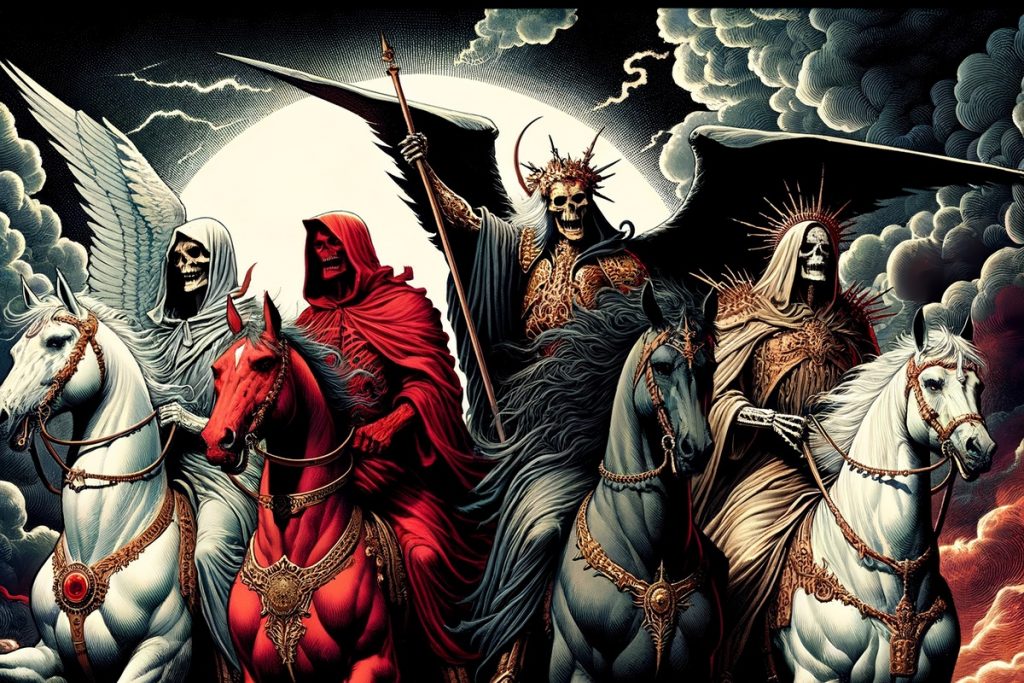
The Four Horsemen aren’t just ancient symbols meant to scare people into behaving. They’re reflections of patterns humanity has repeated for centuries: the pursuit of power, the inevitability of conflict, the fragility of resources, and the certainty of mortality.
In other words, they’re less about the world ending and more about how the world works. Which is somehow even more unsettling—because it means they’re not just riding in some distant apocalypse.
They’ve kind of been here the whole time.

Lover of good music, reading, astrology and making memories with friends and spreading positive vibes! 🎶✨I aim to inspire others to find meaning and purpose through a deeper understanding of the universe’s energies.