
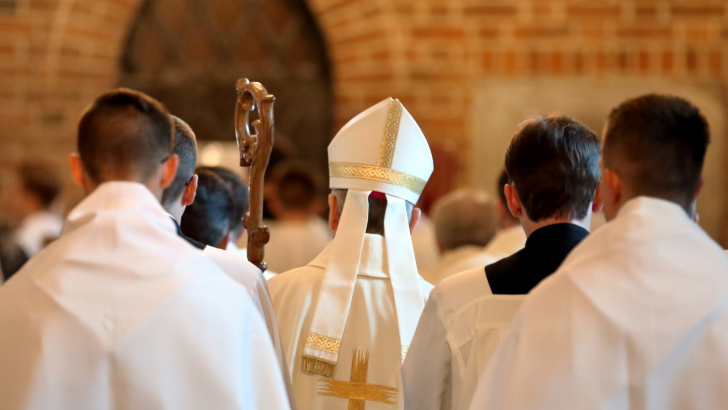
Throughout history, people of faith, philosophers, and theologians have wrestled with a number of difficult concepts regarding religion, authority, and tradition.
Nowadays, there are some subjects that many people find awkward to discuss publicly in churches.
Those subjects usually revolve around issues such as church leadership structures, finance, church scripture interpretation, and the influence of culture on the church.
Many people feel that asking questions is not an indication of a rejection of faith, but rather a way to foster a greater understanding of faith, which will build a stronger community.
Below are examples of subjects that critics say churches try to keep their members from questioning too deeply.
1. How Church Finances Are Managed

Most churches depend on donations for their operation. These donations are used to provide for all aspects of the church, from the building to staff salaries and other charitable work.
While church members want to know how their giving is being used, financial transparency can vary greatly between churches.
Some provide complete financial reports, while others maintain the majority of their financial decision-making processes solely among their church leadership.
Critics of this practice believe that increasing the level of financial transparency could help build trust between congregation members and church leadership.
When congregation members have a better understanding of how their donations are used, they usually feel more comfortable making additional contributions. Although the topic of finances may be a sensitive one for many congregation members, public discussion on finances encourages accountability and responsible handling of resources by churches.
2. The Influence of Church Leadership
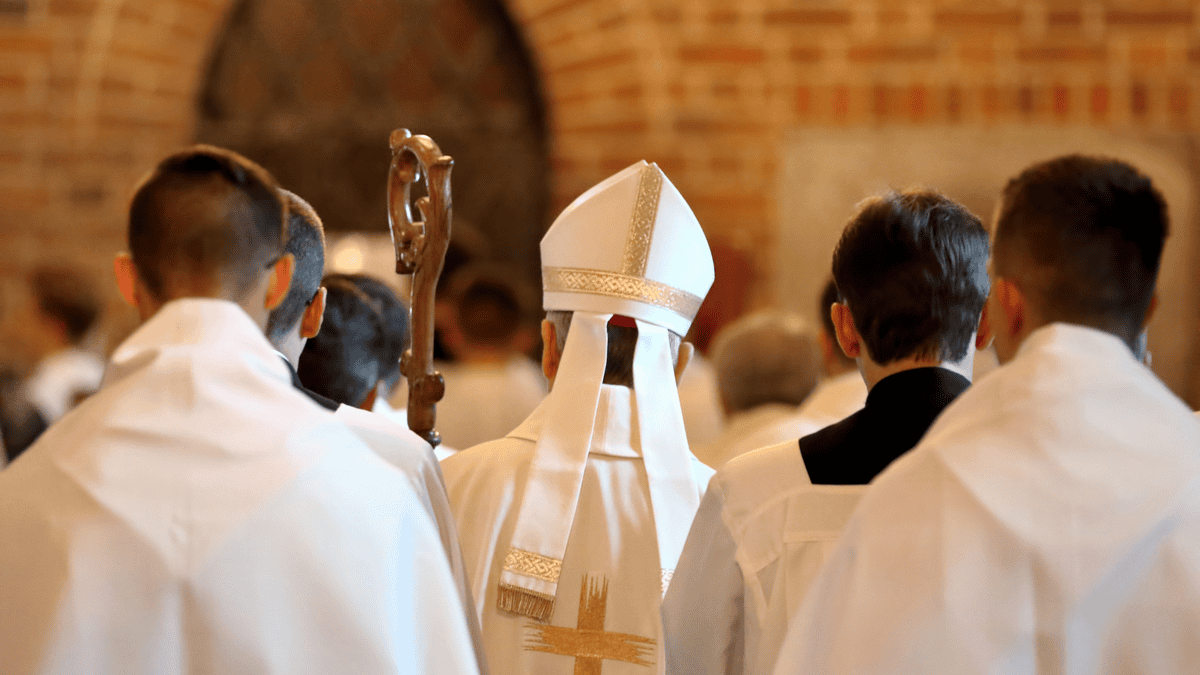
Church leadership plays a key role in providing spiritual education and direction to their communities and shaping the faith, tradition, and behavior of the people in their churches.
When members of the church question the decisions made by their leaders, there are some situations where these people may feel that they are discouraged by their leaders from doing so.
However, supporters of the authority of church leaders feel that questioning is unnecessary and that good leadership and strong leaders maintain unity and tradition and serve as the rock of their community.
In contrast, many individuals believe that churches ought to encourage open discussion about their leaders’ roles and how they make decisions and who they are accountable to, thereby promoting relationships and positive community-building experiences by having a healthy community.
3. Why Certain Traditions Remain Unchanged

Many religious traditions endure through long periods, and their rituals, ceremonies, and observances often have great significance for the cultures within which they belong.
When society transforms, some people may be left with unanswered questions about why a particular tradition is still observed in the same way as it has been in the past.
One reason could be that churches desire to maintain a connection to their cultural heritage or to the history of who they were as a group. Some have been critical of churches for failing to be more willing to reevaluate their traditions.
Having these conversations can be difficult; however, they can show congregations how to productively engage with their faith and with their history.
4. The Role of Modern Politics in Churches
Across numerous nations, communities engage with issues of governance or the state. Many denominations openly incorporate discussion of sociopolitical matters into sermons and other public expressions.
Critics contend that such involvement detracts from the church’s mission to serve as a source of spiritual support. Others argue that moral values are a natural extension of social or political issues.
The discussion continues regarding how involved the church should be in discussing politics. Some prefer that churches only provide spiritual direction, while others believe participation in advocacy for social justice is a core tenet of their faith.
These debates illustrate the intricate relationship of faith and public life.
5. Why Some Teachings Change Over Time

The interpretation of religion has changed in many instances over time. New information or cultural events in society can change how someone interprets a text or tradition.
Members sometimes wonder why some beliefs remain the same while others change. Leaders often describe changes in interpretation as a deeper understanding of scripture, while critics view the changes as a response to pressure from others.
Understanding how and why interpretations change can help those in a faith community understand how faith traditions have developed throughout history. A common theme in religious history is that religious interpretation always involved conversation and reflection.
6. The Balance Between Faith and Doubt

Strong faith and commitment are areas of focus for many religious communities, but so are doubt and questioning. Some believers find it difficult to be open about their uncertainty.
Critics argue that by allowing doubt to be expressed, believers can enhance their faith, and the result is that they will study more deeply and reflect upon what they believe.
All through history, theologians and scholars have had to deal with difficult issues relating to faith. Openly discussing doubts helps members of the community support others while they are in the process of exploring their beliefs.
If we realize that doubt is part of growing in faith, we can build more welcoming spiritual communities.
7. Church Authority Over Personal Decisions
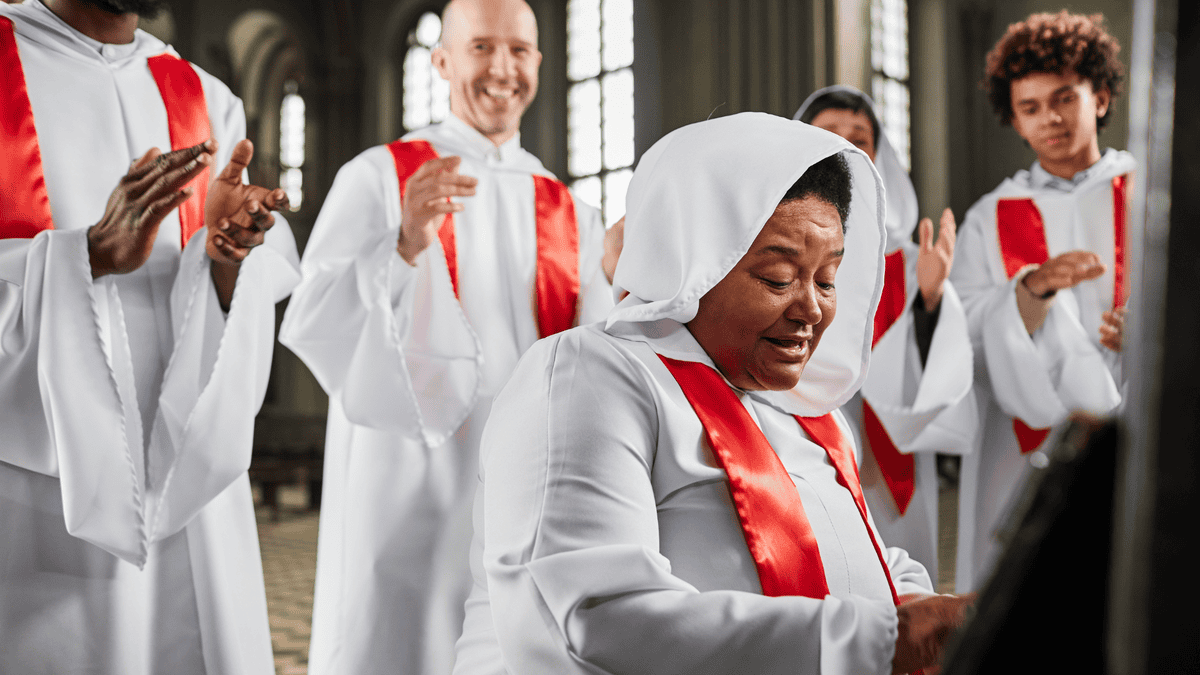
Many followers of different religions believe that spiritual guidance helps them live fulfilled lives through their choice of relationships, jobs, and lifestyle.
There are others, however, that are of the belief that personal decisions should be made by individuals without the interference of religious organizations.
The argument revolves around how much religious organizations should control the lives of their members. Modern believers generally want a balance between spiritual guidance and independence.
Understanding how you find your own balance will also help you determine what your faith means to your life choices.
8. How Religious Texts Are Interpreted

Many religions are based on sacred texts, but the many ways they can be understood mean that the interpretation of these texts varies between communities and leaders.
Some faith groups encourage their members to study the historical context and multiple interpretations of their texts, while others emphasize a more traditional interpretation of the same text.
Critics may wonder why certain interpretations of texts seem to hold finality, and scholars will point out to critics of the interpretation process that all ancient texts were written in different languages and cultures.
Therefore, understanding the historical context of a sacred text will help to provide additional insight into its meaning. Additionally, discussing and sharing ideas about the interpretation of these texts can help to create appreciation for the complexities of religious texts among followers.
9. Why Membership Numbers Matter

For example, church attendance and membership numbers are often seen as success markers by leaders. They often brag about growing congregations or worry about declining members.
Critics argue that focusing on numbers detracts from the goal of spiritual growth. Supporters of numbers argue that growing membership means that the church is connecting with its community.
This ongoing debate illustrates the different ways that people measure the success of religious congregations. Some measure religious congregational health via spiritual depth, while others emphasize creating new congregations/expanding.
10. The Role of Wealth in Religious Institutions

Many religious organizations receive large financial contributions from donations, as well as owning and investing in various forms of property and other assets.
Some people believe that having large amounts of wealth goes against the spiritual lessons of humility and charity.
Other advocates of religion argue that the funds that are made available to a church can also help to support their efforts to provide humanitarian assistance and community service opportunities for those in need.
The main issue with the continuing discussion of wealth is how it can be best utilized and shared among the members of the organization. Transparency and accountability are essential components to maintaining the trust between the organizations and their membership.

Born and raised in Bosnia and Herzegovina. Ever since I was a little girl, my imagination knew no bounds. I remember vividly how I’d scribble down short stories, each page bursting with adventures and characters conjured up from the whimsy of my mind. These stories weren’t just for me; they were my way of connecting with my friends, offering them a slice of my fantasy world during our playtimes. The joy and excitement on their faces as we dived into my fictional realms motivated me to keep writing. This early passion for storytelling naturally evolved into my pursuit of writing, turning a childhood hobby into a fulfilling career.