
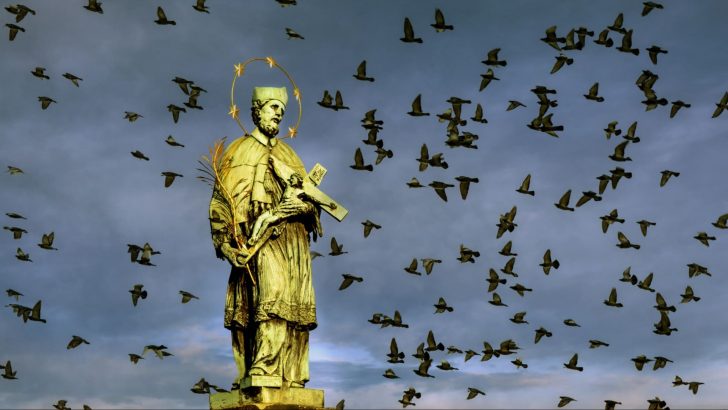
The path to sainthood is extremely difficult, and it doesn’t only depend on the individual who walks it.
In the Catholic Church, being officially recognized as a saint can take decades or even centuries!
It’s the Church’s declaration that a specific person lived a life of such radical holiness that they are in heaven interceding for the rest of us.
Let’s see what it actually takes to achieve this spiritual honor!
1. Living a Holy Life
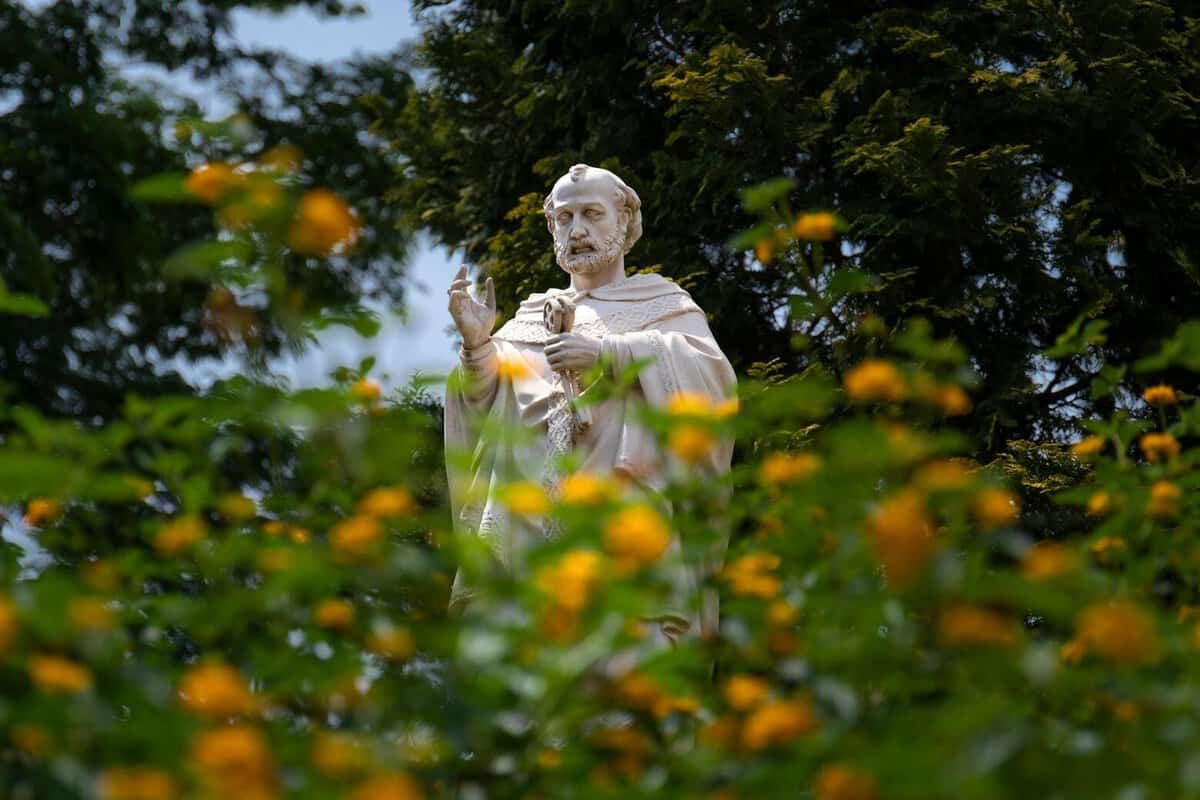
Long before any official documents are signed in the Vatican, the foundation of sainthood rests on the person’s daily choices.
To even be considered, an individual must live a life of exceptional virtue and charity. They have to be radically committed to the Gospel in everything they do.
The Church looks for heroic virtue, and that means going far beyond what’s expected of an ordinary person.
A saint’s life is marked by a complete surrender to God’s will, often through sacrifice, suffering, and absolute selflessness.
Their love for God has to be so strong that it inspires faith in others.
2. Posthumous Veneration
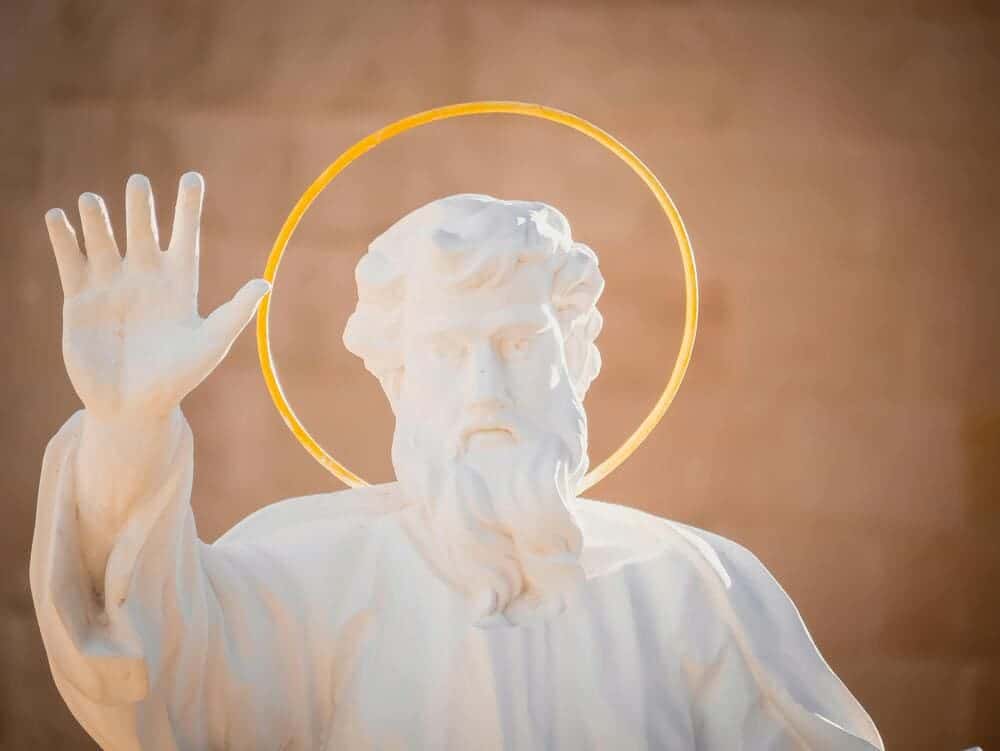
When a person who lived a holy life dies, their spiritual legacy only just begins. Posthumously, their holy reputation starts to spread among the faithful.
People might start praying to them for intercession and sharing stories about their incredible impact.
This step is crucial, even if nothing is yet official.
The veneration is not manufactured by the Church; it comes spontaneously, as people start to sense that this person is close to God.
Their veneration starts locally, with people going to their grave, praying, and leaving offerings and flowers.
This posthumous love is thought to be the Holy Spirit moving through the people, signaling that the person in question is extraordinary.
3. Being Named a Servant of God
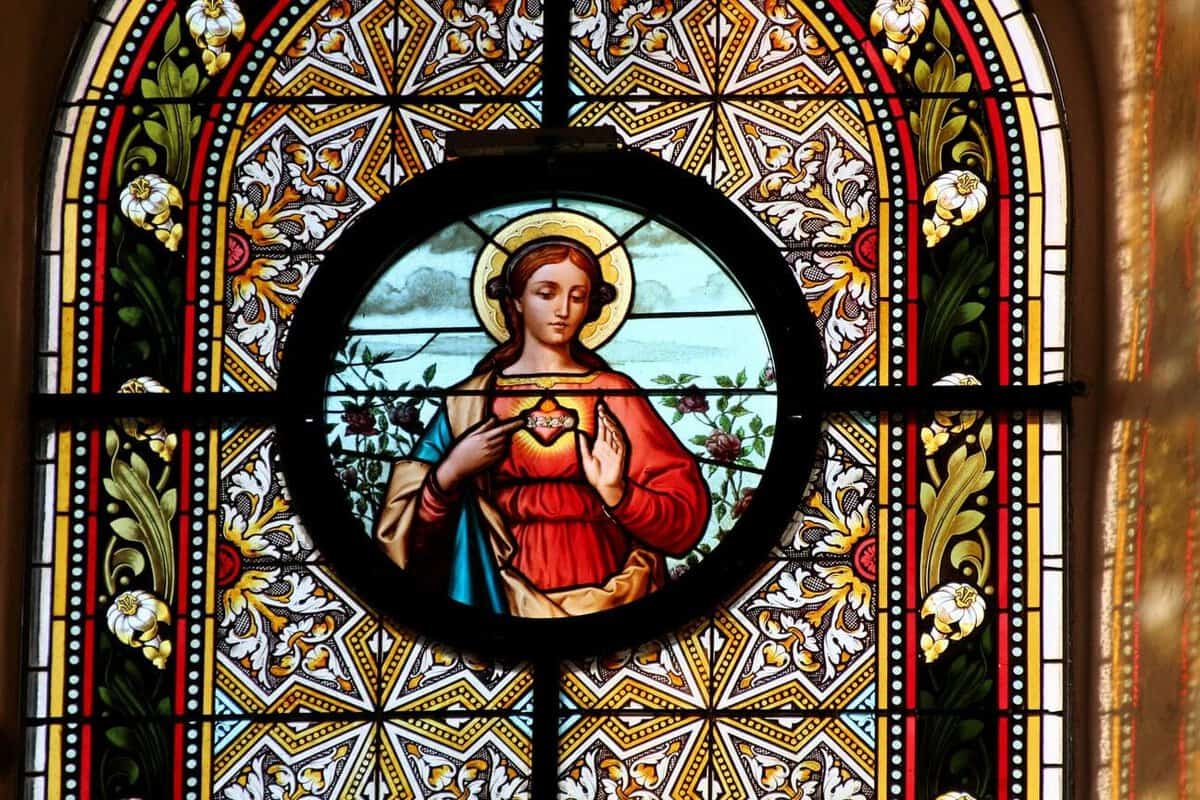
This is where the bureaucracy of the Church comes into play.
The process officially begins when a bishop in the saint’s local diocese decides that the devotion is legitimate and worth investigating.
He formally opens an inquiry a few years after the individual has passed, to give their loved ones time to grieve and to be objective.
This is when they’re given the title of “Servant of God.”
It acknowledges that their life was dedicated to God and other people. However, this is only the beginning.
The Church is only taking the first serious look at their life, but they’re still miles away from official sainthood.
4. The Diocesan Investigation
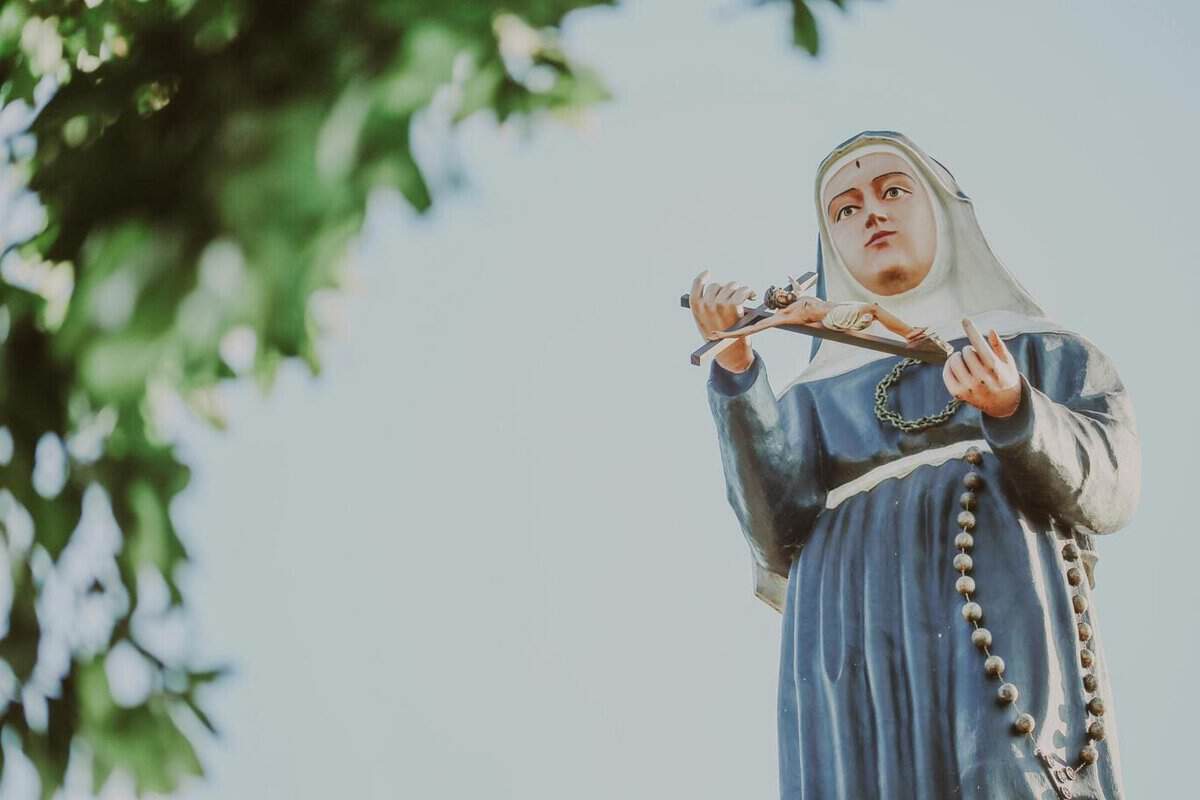
Once the title of Servant of God is bestowed, the local bishop assembles a tribunal, and the diocesan investigation begins.
This is an assessment of the person’s entire life. Essentially, it’s a legal proceeding.
They collect every single document the person ever wrote, like their letters, books, and even diaries. Witnesses who knew them are interviewed under oath.
The Church needs strong evidence of the person’s life and virtues.
They also carefully investigate any claims of miracles. Every detail is scrutinized, and when it’s done, it’s sent to the Vatican for further review.
5. Being Officially Declared Venerable
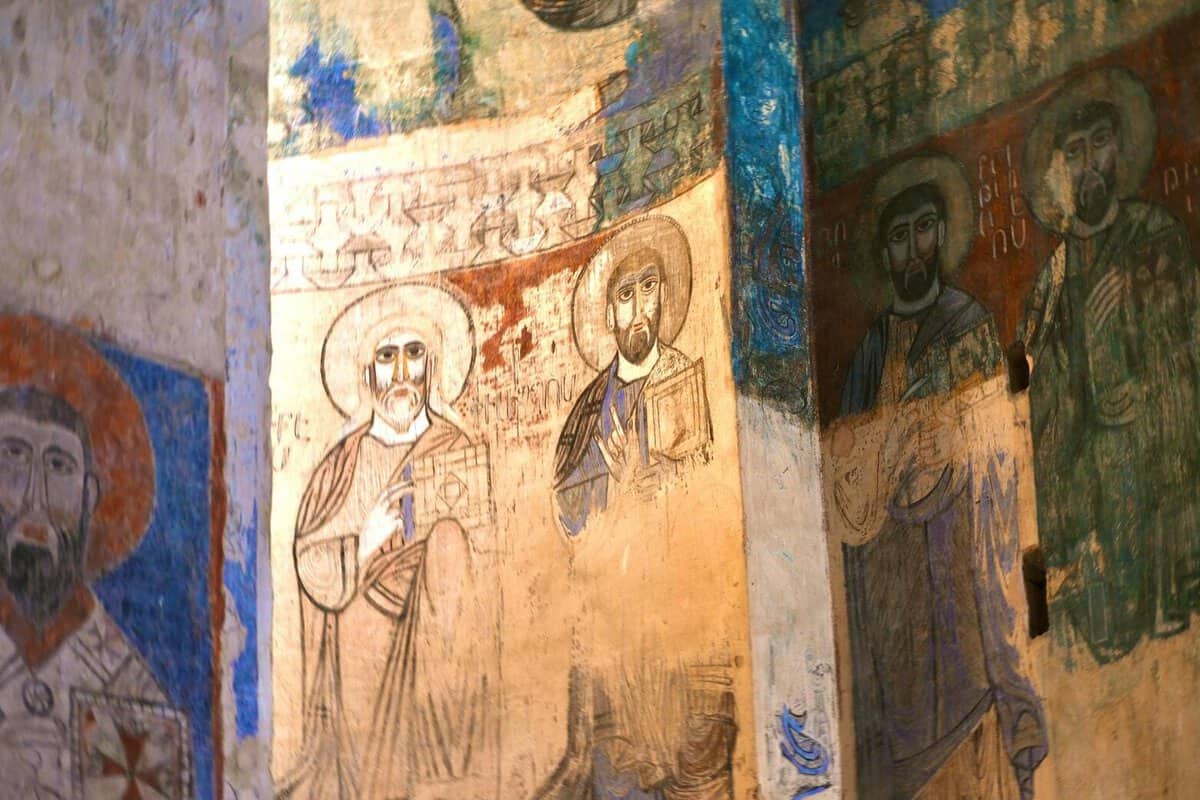
When the evidence arrives in Rome, it’s taken by the Dicastery for the Causes of Saints.
Theologians and historians review the evidence with one specific thing in mind: proof that the Servant of God lived a life of heroic virtue.
If these experts conclude that was the case, they go on to present their findings to the Pope.
When the Pope agrees and issues a decree, the person is officially “Venerable.”
They’re still not a saint, though. But the Church has stated that their live was profoundly holy.
6. The Miracle of Beatification and the Blessing
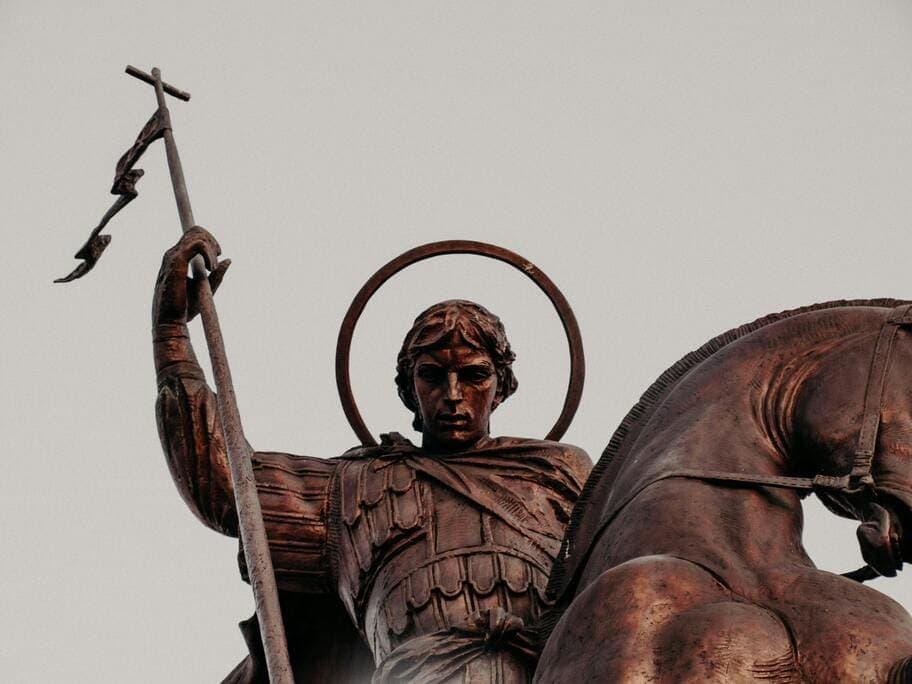
To move from Venerable to Blessed, the Vatican requires a verified miracle.
The Church requires a miracle that exists and is scientifically inexplicable. Most commonly, this ends up being a miraculous healing that medicine can’t explain.
For instance, when healing actually is the case, independent medical doctors have to examine the case and submit their findings. So, not clergy, but actual medical experts.
If they can’t explain the recovery, it’s considered a miracle.
Also, the healing has to come as a result of prayer, meaning someone prayed for the Venerable person to help.
7. Local Veneration
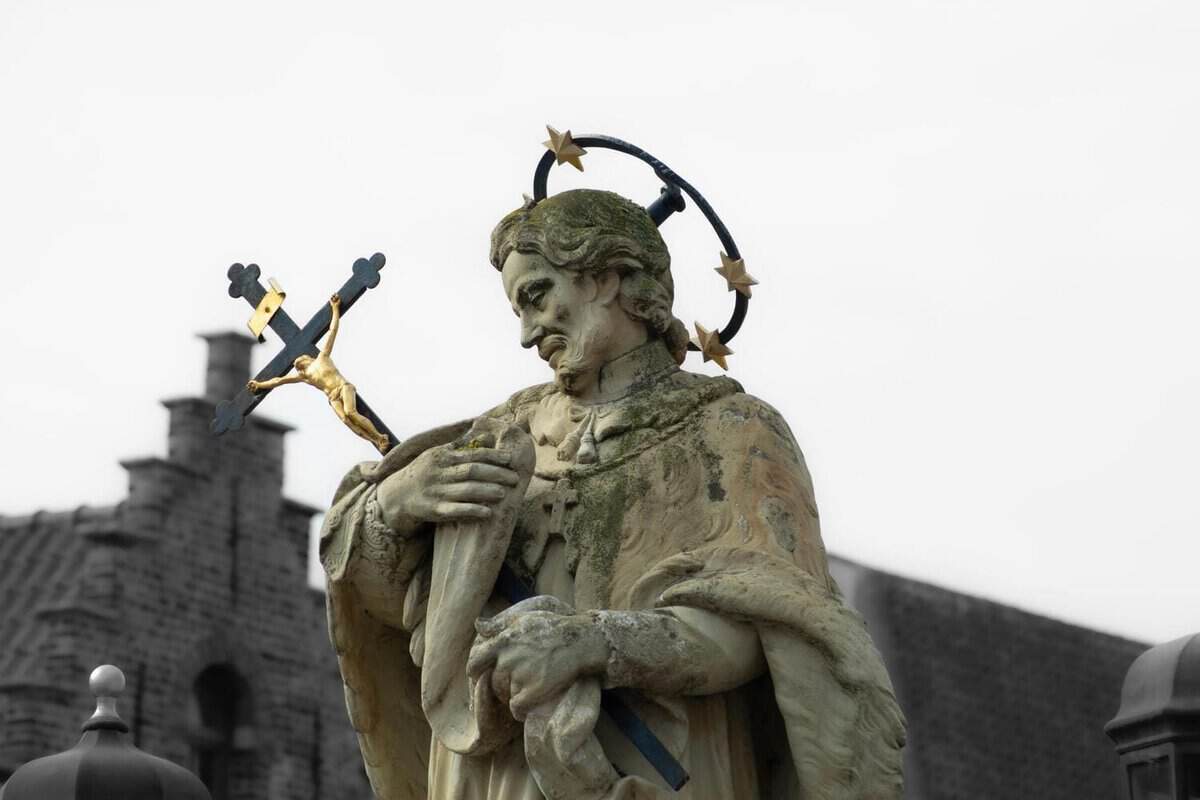
Once the first miracle is confirmed, the Pope schedules a ceremony called beatification.
During the ceremony, the Pope declares the Venerable person to be Blessed.
This is an official acknowledgment by the Church that this person is in heaven and is able to intercede for those who pray to them.
The ceremony is usually held in the person’s local diocese, so it’s usually very joyful and personal for their community.
The Blessed is now assigned a specific feast day for local celebration.
Unlike a canonized saint, they’re only venerated locally and are not found in the universal Catholic calendar.
8. Canonization and the Second Miracle
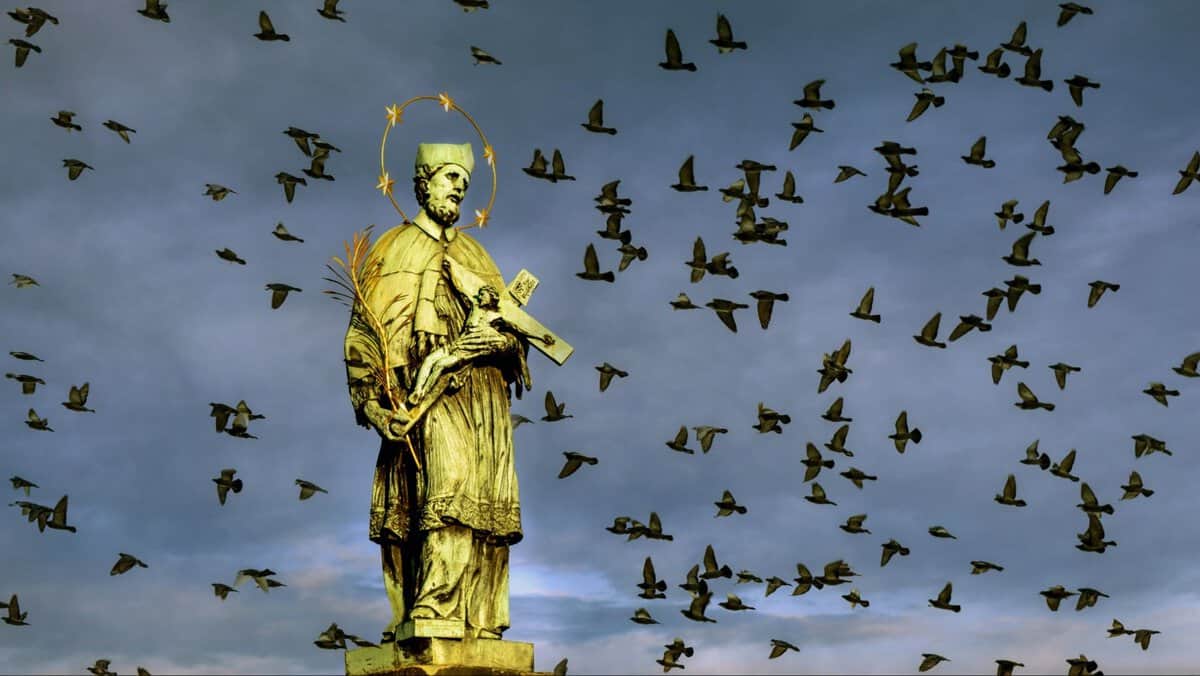
To officially make them a Saint, the Church needs a second miracle, and it must occur after the beatification ceremony.
The rules are the same – it must be lasting and inexplicable, and a direct result of praying to the Blessed person.
The second miracle is seen as the final stamp of approval.
Once it undergoes scientific and theological scrutiny in Rome, the Pope schedules canonization.
During this majestic mass, the Pope declares the person to be a Saint. Their name is added to the list of the Church’s recognized saints, and they’re venerated globally.

A little Aquarius, devoted to writing and embroidery. Through my writing, I hope to empower readers to align with their true selves and navigate life’s mysteries with confidence.