
The Bible is full of predictions that Christians have studied for almost two thousand years. Some relate events that believers claim have transpired; others represent a future that many Christians believe has not yet fully arrived.
The problem is interpretation. Not all Christians agree on which passages are to be taken literally, which are symbolic, or which prophecies are yet to be fulfilled.
But there are a number of key biblical promises that still impact Christian views of the future. These ten are among the most fascinating, mysterious, and discussed.
1. The Second Coming Of Jesus
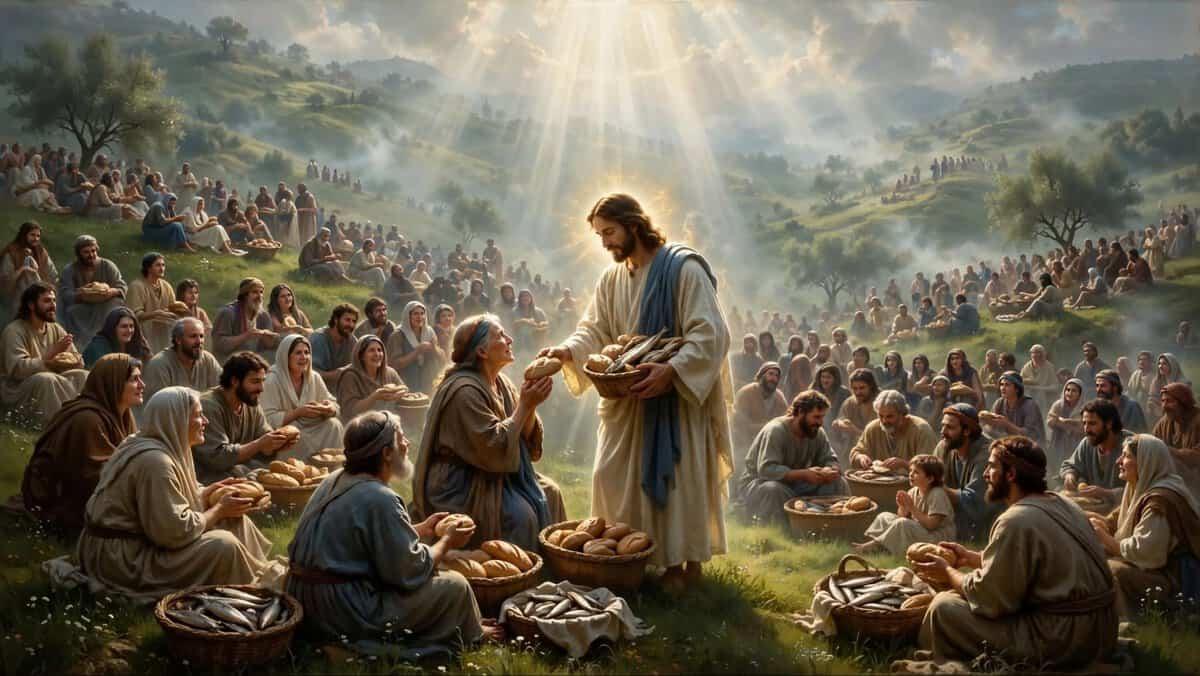
Christianity’s most important future prophecy may be the return of Jesus. The New Testament speaks over and over and over about the return of Christ, yet there is disagreement on how exactly the event will take place.
Acts speaks of the return of Jesus in conjunction with the way he left, and the Gospels tell of dramatic signs accompanying his coming. Christians have sought this since the first centuries of the faith. A reliable date for it is not given in Scripture.
Instead of telling his followers when he would come back, Jesus tells them to be ready so that his return is an ongoing expectancy rather than a date that believers can set their hearts on.
2. The Resurrection Of The Dead
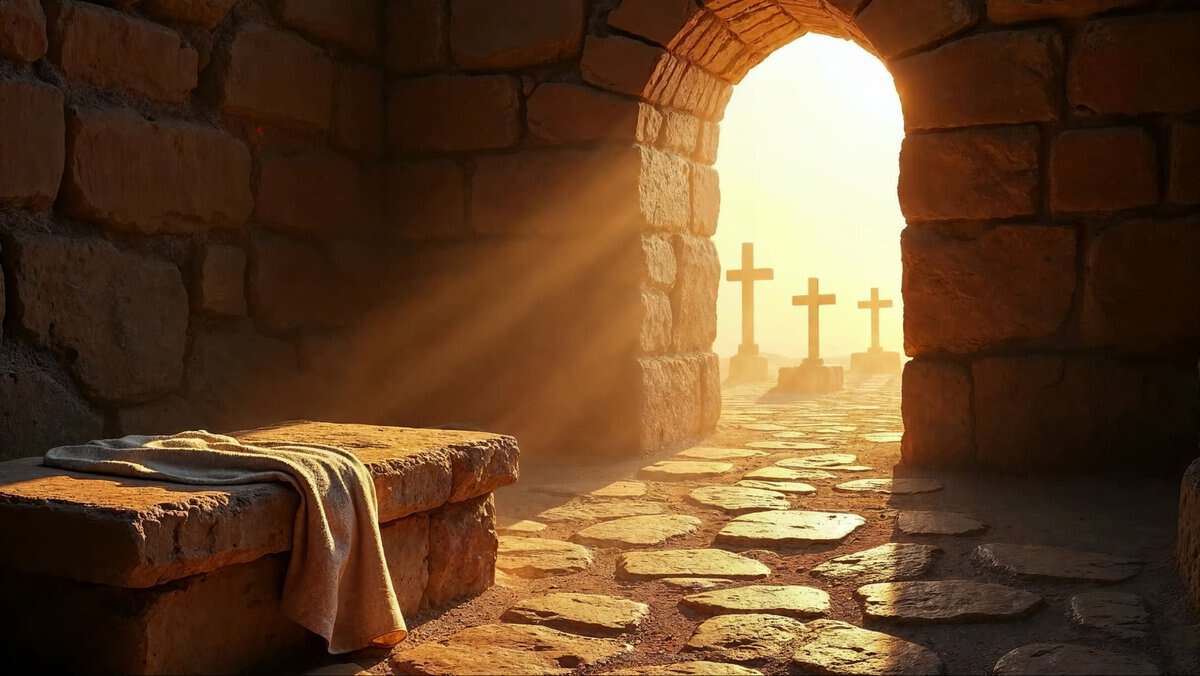
The simple departure of the soul from the body after death is not the end of Christian faith. The New Testament also looks forward to a future resurrection. In 1 Corinthians 15, Paul talks about the resurrection of the dead and the change of mortal bodies.
Christians dispute how this resurrection fits into the calendar of other end-times occurrences. Resurrection is still essential to orthodox Christian doctrine.
The prophecy states that death is not the end of man. For the believer, it indicates that the future is more than simply getting to another spiritual dimension.
3. The Appearance Of The “Man Of Lawlessness”

The second letter to the Thessalonians mentions a mystery entity named the “man of lawlessness.” The scripture does not use the title “Antichrist,” yet many Christians have identified this figure as the Antichrist.
He is called one who “opposeth and exalteth himself above all that is called God” and is destroyed with the arrival of Christ. Many historical figures have been suggested by Christians, but no explanation has garnered universal agreement.
Some theologians interpret the text as referring to a future individual, while others interpret it differently. Whatever the interpretation, the prophecy is one of the most discussed mysteries of Christianity since the scripture leaves many features of this figure unanswered.
4. The Gospel Reaching All Nations
Matthew 24:14 states that the gospel of the kingdom shall be preached in all the globe before the end arrives. Christians have discussed what completion actually might mean. All nations? All ethnic groups? All people?
Modern technologies and global missionary activity have taken Christianity to areas ancient Christians could barely have dreamed of.
But many Christian groups still believe that this prophecy is unfulfilled, because some groups do not have access to Christian teaching or Scripture.
5. A Time Of Extraordinary Tribulation

There are a few places in the Bible that talk about a time of tremendous suffering at the end of the centuries. Matthew 24 has Jesus speaking of “great tribulation.”
Revelation includes images of battle, devastation, persecution, and judgment. Some Christians believe that a certain amount of time in the future will be known as the Great Tribulation.
Others view much of this imagery as metaphorical or pertaining to events experienced by early Christians under Roman control. Revelation is written in highly symbolic language; therefore, interpretations differ considerably.
6. The Two Witnesses Who Will Shock The World

Revelation 11 speaks of two enigmatic witnesses who prophesy for 1,260 days. They have amazing powers and are opposed, and ultimately destroyed, by a beast.
Their bodies are left out for three and a half days before they are brought back to life and taken up to heaven. Some Christians think there will be two real prophets before the end times.
Others read the witnesses allegorically, perhaps as a sign of the Church and its witness. Moses and Elijah are often proposed but never definitely identified in Scripture. These are some of the most contested prophecies in Revelation, with cryptic identities and a dramatic fate.
7. The Battle Commonly Called Armageddon
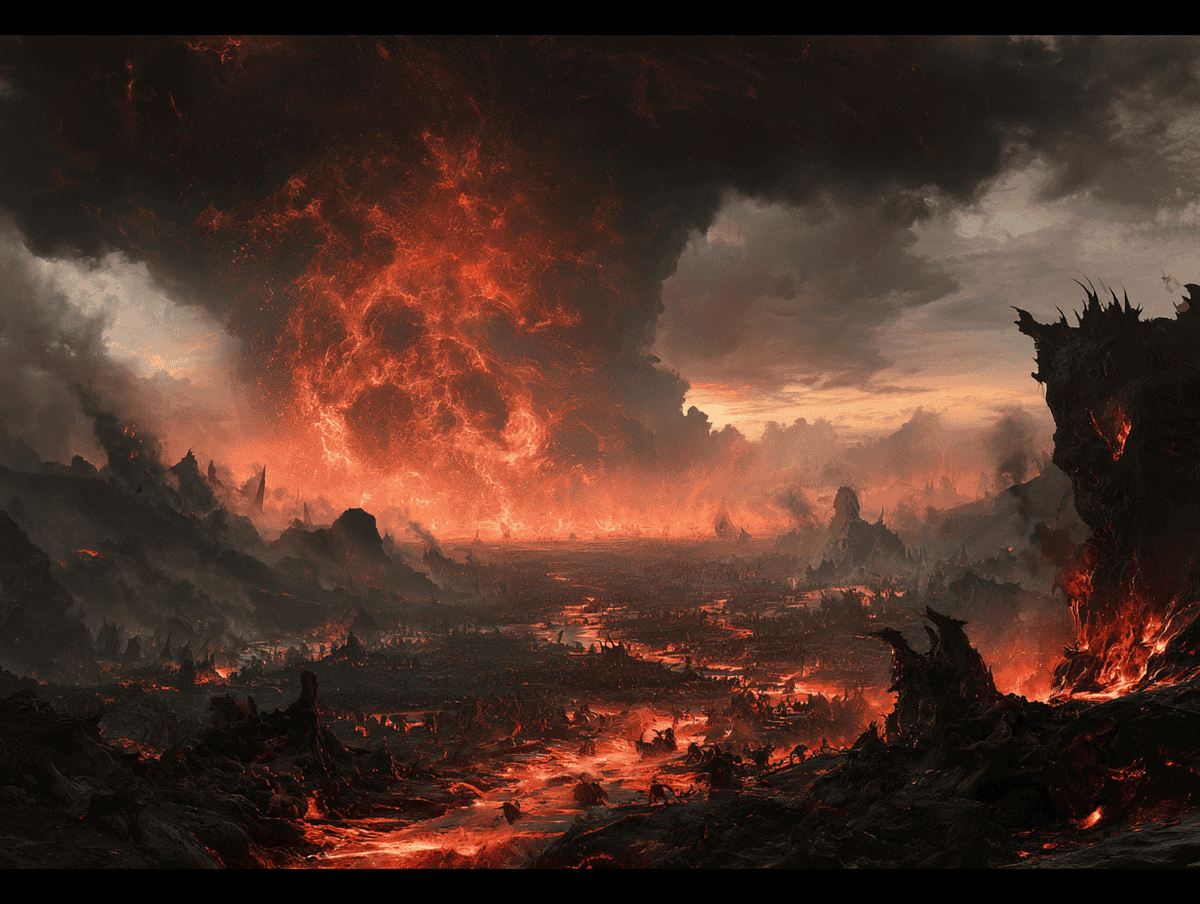
The name Armageddon appears in Revelation 16, where kingdoms are gathered together to make war at a place called Armageddon. In popular culture, the word has become a catch-all term for the end of the world.
But the biblical scripture is more particular and mysterious. Christians predict a real future military conflict tied to the return of Christ.
Some take the fight in a figurative sense, as the last struggle of the divine and rebellious forces.
8. Satan’s Final Defeat

Christian prophecy doesn’t predict evil to go on forever. Revelation 20 recounts Satan’s eventual defeat and judgment so that he can no longer deceive the nations.
This chapter also features the renowned thousand-year era known as the Millennium. Christians dispute a great deal on how to interpret these occurrences.
Premillennial, amillennial, and postmillennial traditions interpret or order them differently, and not everyone thinks the thousand years is literal. Amidst those debates, the bigger promise is evident across many Christian traditions: evil does not have the final word.
9. The Final Judgment
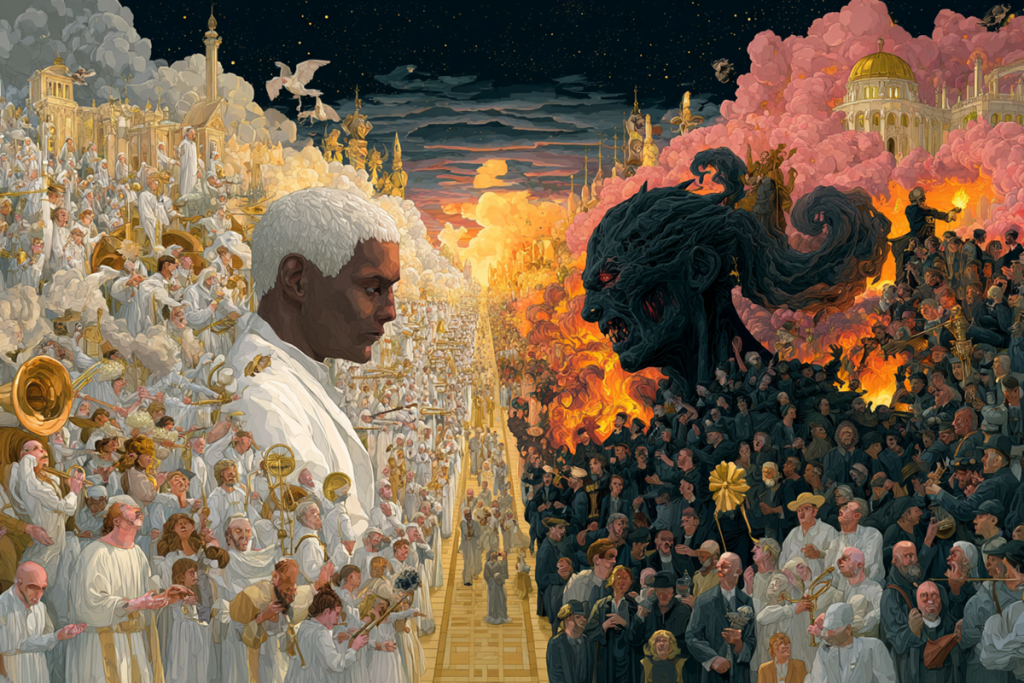
The New Testament often speaks of a future judgment. One of the most powerful pictures comes in Revelation 20, where the dead are called to stand before a large white throne and books are opened.
There are different views among the Christian traditions on a couple of things here, such as the relationship between judgment and salvation and the details surrounding Christ’s coming.
But the core premise still has profound roots in Christianity: human history arrives at a point of divine accountability. Nothing remains concealed forever, and a man’s earthly rank is not the last measure of his existence.
10. A New Heaven And A New Earth

The last chapters of Revelation do not end in disaster. They describe the renewal of creation. Revelation 21 offers “a new heaven and a new earth” and then the astonishing vision of God living with humanity.
They speak about death, grieving, weeping, and pain as things of the past. Christians interpret the intricacies of this vision in many different ways, but the fundamental promise has inspired Christian hope for centuries.
Of all the unfulfilled biblical prophecies, this may be the greatest: not just a change in people, but a creation itself made profoundly different.

Born and raised in Bosnia and Herzegovina. Ever since I was a little girl, my imagination knew no bounds. I remember vividly how I’d scribble down short stories, each page bursting with adventures and characters conjured up from the whimsy of my mind. These stories weren’t just for me; they were my way of connecting with my friends, offering them a slice of my fantasy world during our playtimes. The joy and excitement on their faces as we dived into my fictional realms motivated me to keep writing. This early passion for storytelling naturally evolved into my pursuit of writing, turning a childhood hobby into a fulfilling career.