

Taboos have been around for as long as human spirituality.
These prohibitions are deeply rooted in the collective subconscious because they were tools for survival.
They protected us from the unknown, jinx, magic, and misfortune.
Now, even though our understanding of the world has evolved, many of these ancient fears still influence how we behave.
Let’s explore what they reveal about our psychology.
1. The Origins of Taboo

Long ago, the world was far more mysterious than today. While there’s so much we still don’t know, modern science has demystified most natural and psychological phenomena.
To cope, people of the past created taboos as protective measures. For instance, refusing to say certain words was believed to help avoid inviting danger.
So, what’s the difference between a simple prohibition and a taboo?
Taboo is created out of a fear so great that the word itself gains a sacred status.
These words helped people feel safer by setting boundaries around what was considered sacred and dangerous.
Over time, they became embedded in culture, transforming into something that governed daily life.
Essentially, they gave people a sense of control over chaos and the forces they couldn’t understand.
2. The Power of Names
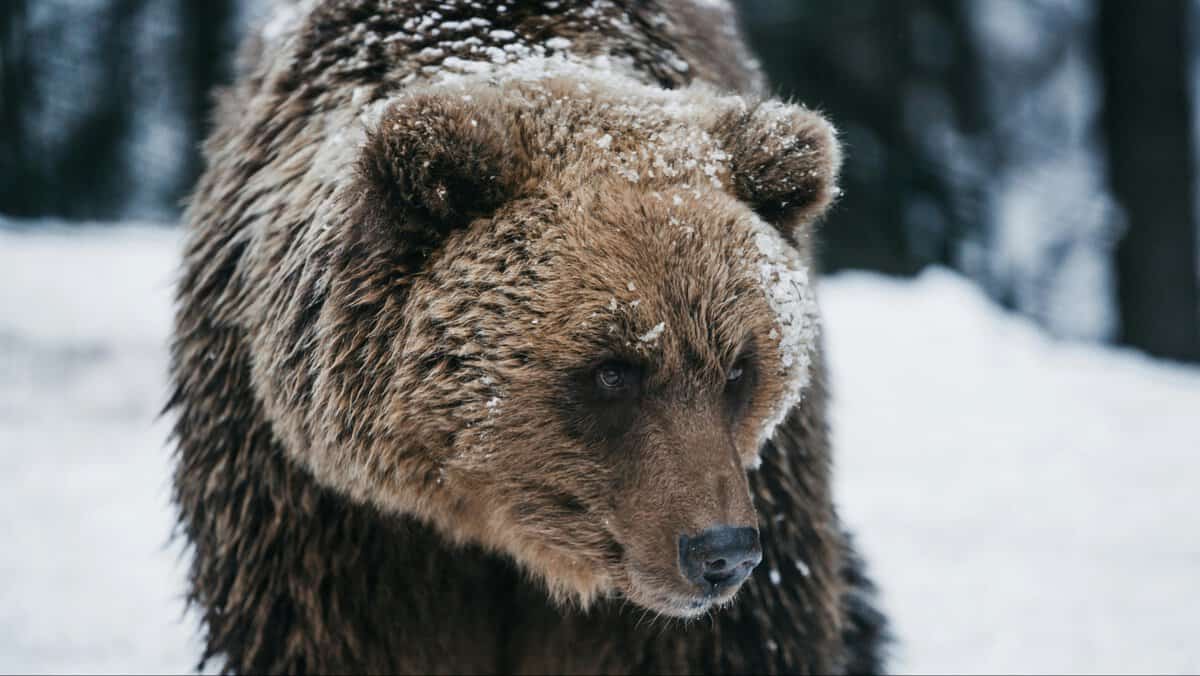
In ancient times, naming something, especially animals, spirits, or sickness, was seen as giving it power.
Bear, as a totemic animal, is always a good example, since its actual name was tabooed ages ago.
People believed that pronouncing it could summon or anger the sacred animal. Instead, they used euphemisms or replaced the word altogether.
The act of not naming it was considered an act of control. It protected the whole community, and became something everyone had to adhere to.
Certain words have turned into taboos even today.
Think about how we avoid naming certain illnesses, or how we’ve invented numerous euphemisms for death (a better place, eternal sleep, passing, rest…).
Subconsciously, we’re trying to control these forces and keep them away.
3. Taboo in Domestic Life

Beyond spirituality, taboos also governed personal and family matters.
In many ancient societies, topics like fertility or future plans were hidden because discussing them was believed to invite failure.
Similarly, people kept quiet about their health struggles or doubts, believing that revealing vulnerabilities might expose them to evil.
These taboos created a culture of silence, where secrets were fiercely guarded.
The idea was that you were safe as long as you didn’t name your troubles or plans out loud.
And if you did, you gave negative forces a chance to latch onto your problems and make them worse.
4. The Modern Echo of Ancient Fears

The old fear of attracting bad luck by oversharing persists even today.
The philosophy of “moving in silence” is a modern reflection of ancient taboos.
People don’t discuss their goals and efforts openly, convinced that revealing them might jinx the outcome.
Young couples often wait to announce pregnancies until after the risky first trimester, as a subconscious act of protection.
Also, we still refuse to reveal our birthday wishes, claiming they won’t come true otherwise.
Our minds are wired to believe that silence and secrecy can shield us from unseen forces that might sabotage our plans.
5. The Psychological Roots
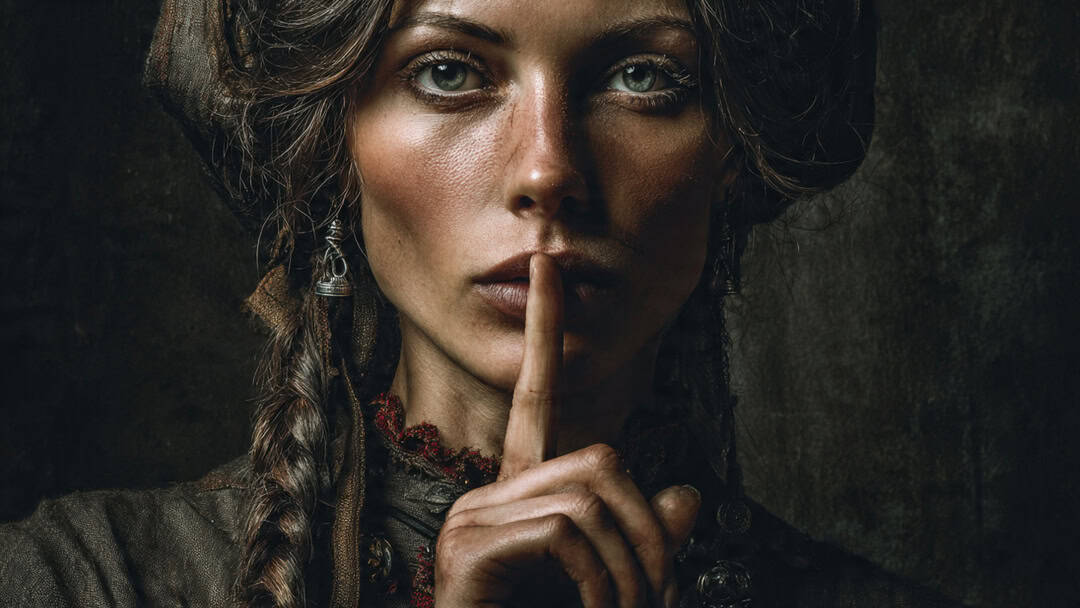
The core of taboo psychology lies in our innate fear of vulnerability and chaos.
We’re aware that very little is actually under our control, so taboos became a defense mechanism that helps us cope.
By keeping secrets, we try to control the uncontrollable. This behavior is part of our primal instincts.
Our ancestors believed that revealing too much could awaken destructive forces, so silence became a way to maintain stability.
To this day, we link disclosure with danger, which leads us to keep secrets until it feels safe to share them.
It’s a survival instinct that helps us live with uncertainty.
6. How the Meaning of the Word Changed

Originally, taboos were sacred prohibitions tied to religion, magic, and protection.
Over time, its popular meaning became drastically different, especially in the West.
Today, taboo is mostly associated with sexuality – things considered inappropriate or forbidden in society.
This change reflects changing social norms and moral attitudes. What was once spiritual has now become a social boundary, often related to identity and morality.
The word now carries meanings of shame and controversy, rather than sacredness.
7. Why We Still Adhere to Them

Despite scientific advances, many taboos endure because they satisfy psychological needs. They provide a sense of order and safety.
For many, adhering to taboos feels instinctual.
Additionally, some of them are reinforced by fear of judgment and shame, which remain powerful motivators.
We follow them not just out of tradition, but because they make the world feel slightly more predictable.
These ancient rules continue to shape our behavior because they fulfill fundamental human needs for safety, belonging, and control.
8. The Hidden Power of Modern Taboos
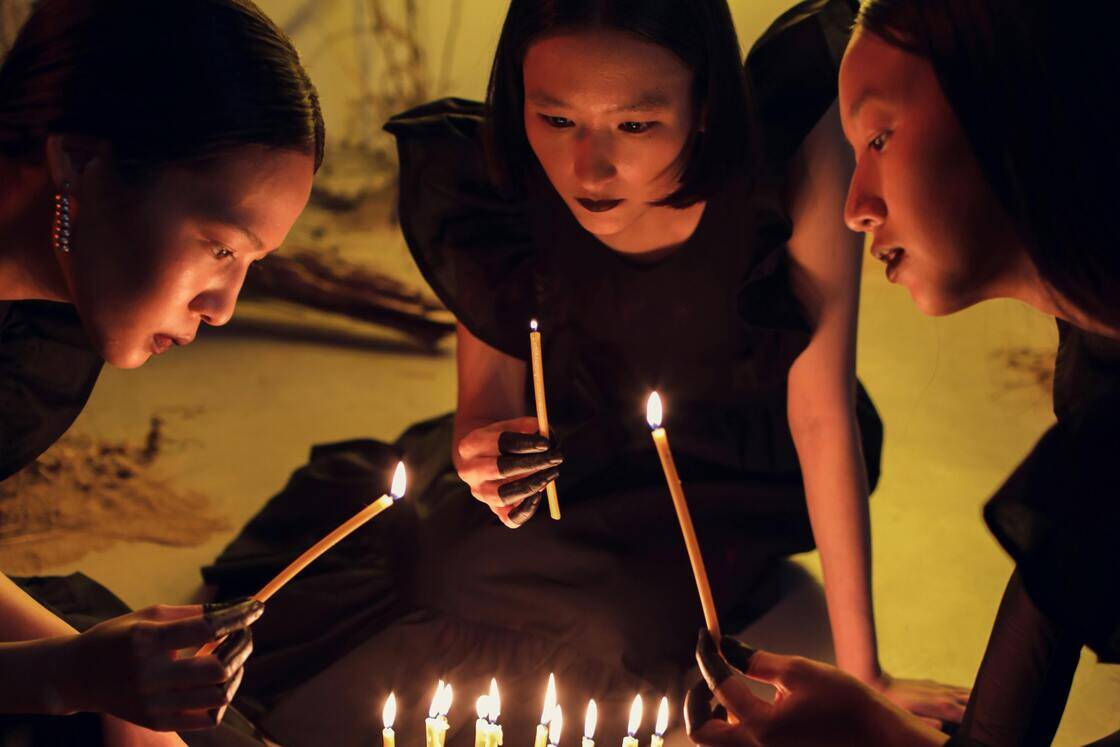
Though subtly, taboos still influence our lives.
We may not fear spirits or curses, but social taboos about money, health, success, and fertility still govern what we talk about openly.
What we call taboo today is mostly tied to sexual and controversial topics, though we subconsciously adhere to these rules the same way our ancestors did.
We hide our important plans and struggles, not because other people might use them against us, but because unseen forces could lead us to fail.
Recognizing this helps us understand ourselves better.
It also offers fascinating insight into how similarly we think to the people of the distant past, though we tend to think of ourselves as completely different.

A little Aquarius, devoted to writing and embroidery. Through my writing, I hope to empower readers to align with their true selves and navigate life’s mysteries with confidence.