

There’s a certain idea of what a desirable person looks and acts like.
Se feel invisible in your own life, you might start dressing a certain way and even faking interests just to seem appealing.
The act of trying to be desirable instead of just ser starts weighing down on you pretty soon.
The worst part is, you end up feeling even more invisible because the version of you that people see isn’t actually real.
Once more, you’re left thinking that if they only knew how you really are, they’d turn away – but stopping the pretense can feel impossible.
1. Why We Think We Have to Fake It

So why do we do this to ourselves?
Society has enforced these impossible standards for our looks, behavior, social lives, success, etc.
Not meeting these standards makes you feel like a failure.
Looking around, it might seem like everyone is desirable enough, and only you’re falling short.
The media keeps showing us curated versions of actors and business people who seem to have it all. Of course, social media doesn’t help.
So you adapt. You think that if you’re funny, fit, or successful enough, you’ll finally feel like you can measure up.
But here’s the thing, none of it feels authentic.
And the more you chase the standard, the more you lose touch with who you really are.
That’s where the weight of invisibility really kicks in.
2. Inauthenticity & Confidence

It’s hard to feel desirable when you’re being performative.
Inauthenticity is a major confidence killer. When you’re always worrying about whether you’re doing things right, you lose trust in yourself.
Você duvidar your choices and your words.
Instead of feeling secure in your own skin, you’re stuck in this loop of doubt.
Since it’s all an act, you’re never sure how well you’re doing it, how much is too much, etc.
True confidence only comes from owning who you are.
When you’re busy performing, you never give yourself the chance to build that.
Instead, you’re left playing a character.
3. The Cost of Pretending

Performing desirability takes a lot of energy.
You’re constantly editing yourself and putting on a show. At the end of the day, you’re drained.
You have no strength left for the things that are actually meaningful to you, like your actual hobbies and friendships.
Your brain is working overtime to maintain this fake version of you.
In all this mess, you forget what joy and excitement feel like, and without them, you can’t feel desirable.
It’s a numb and lonely existence.
4. Being Dishonest with Your Partner
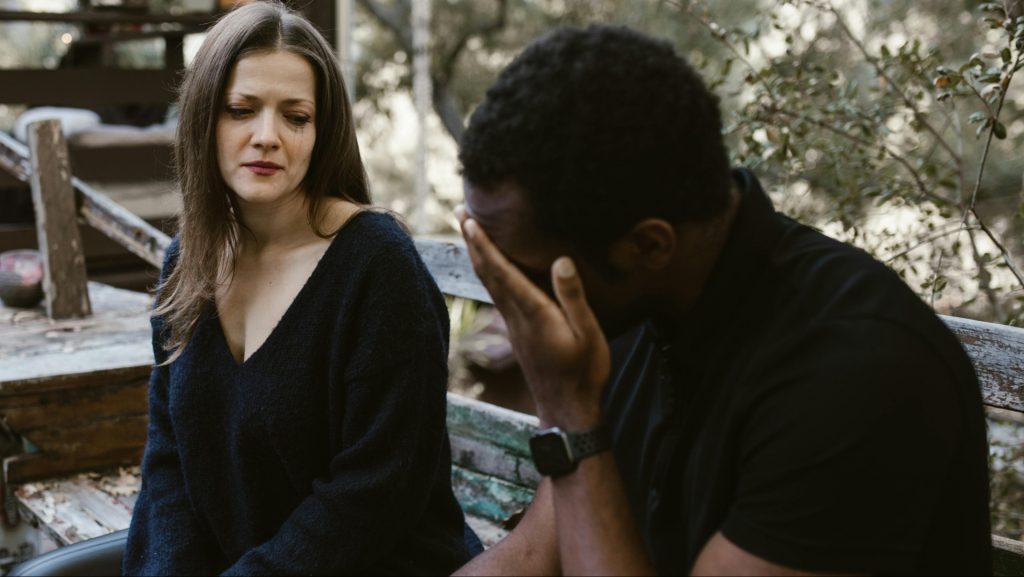
Let’s talk relationships.
If you’re performing desirability, you’re not really letting your partner see you, and that’s a huge problem.
How can they love you if they don’t know who you are? It’s kind of a catfish situation.
The version you show them might be desirable for a time, but it’s not sustainable.
Eventually, the cracks will show.
They’ll feel cheated, you’ll feel rejected, and it’s a recipe for a disaster.
You’re robbing both of you of the chance to have something real, thinking they wouldn’t like the real you.
However, that’s their call. Your job is only to be honest.
5. The Libido Killer

Inauthenticity kills libido.
Desire comes from ligação, from feeling seen and wanted for who you are.
But when you’re performing desirability, intimacy becomes just another act; another thing to get right.
You’re too busy worrying about how you come off instead of enjoying yourself.
Instead of losing yourself in the moment, you’re stuck in your head.
No wonder desire takes a fall.
Real intimacy requires vulnerability, but when you’re hiding behind a mask, that’s impossible.
6. Pretending Blocks Your Creativity
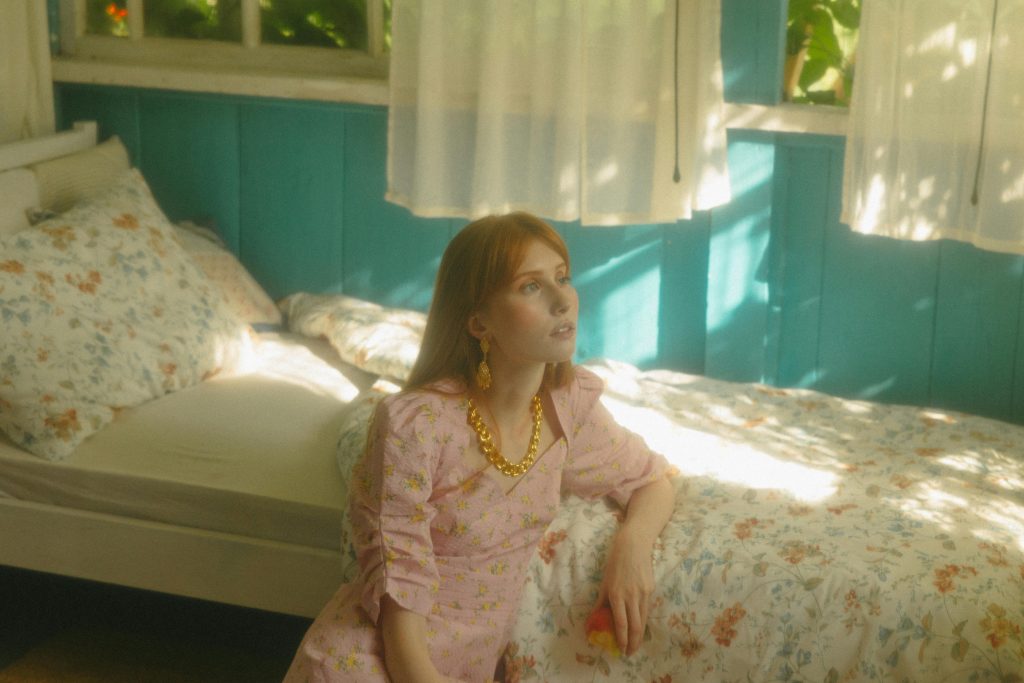
Creativity and authenticity are inseparable.
When you’re being performative, you shut down the part of you that creates.
Creativity requires the freedom to mess up, to be weird, to try new things and fail.
And when you’re obsessed with being desirable, you choose play it safe.
Your ideas become filtered through what you think others will like. And that’s how you lose your spark.
Instead of creating from the heart, you’re creating from a place of fear.
And that’s not just bad for your art; it’s bad for your soul.
Creativity is one of the ways we express who we are. When you can’t do that, you lose a piece of yourself.
7. Reclaiming Desirability

How do you stop this cycle?
It starts with admitting to yourself that you’re tired of pretending.
Maybe you can share something real with a friend, something unpolished or embarrassing.
The more you practice being authentic, the easier it gets.
And when you stop performing, you start attracting people who actually like you; not the version you crafted, but the real you.
That’s where your desirability lives.
So, let yourself be seen.
Invisibility weighs down on you because you keep choosing to hide.

A little Aquarius, devoted to writing and embroidery. Through my writing, I hope to empower readers to align with their true selves and navigate life’s mysteries with confidence.