
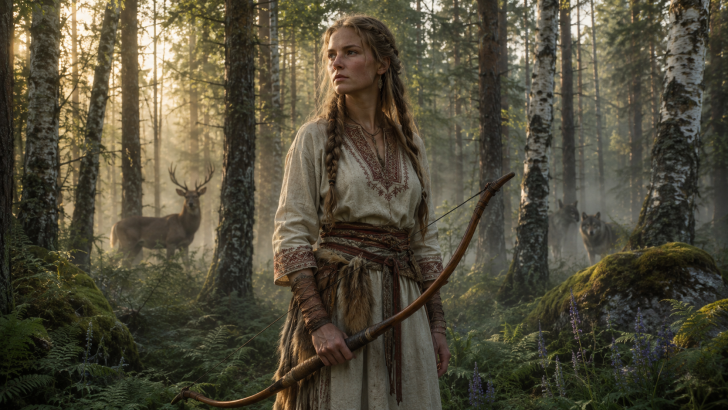
Deep forests occupied a powerful place in the imagination of early Slavic communities.
Beyond villages and cultivated fields stretched a world of ancient trees, wild animals, hidden paths, and dangers that humans could never completely control.
It is easy to understand why the wilderness became connected with supernatural beings and divine protectors.
One fascinating figure associated with this untamed world is Devana, also known by names such as Dziewanna and Děvana in different traditions.
She is commonly described in later accounts as a Slavic goddess of forests, hunting, wild animals, and the wilderness.
Here are ten fascinating things about Devana, the Slavic goddess of the wild.
1. Devana Was Associated With Forests and Wilderness
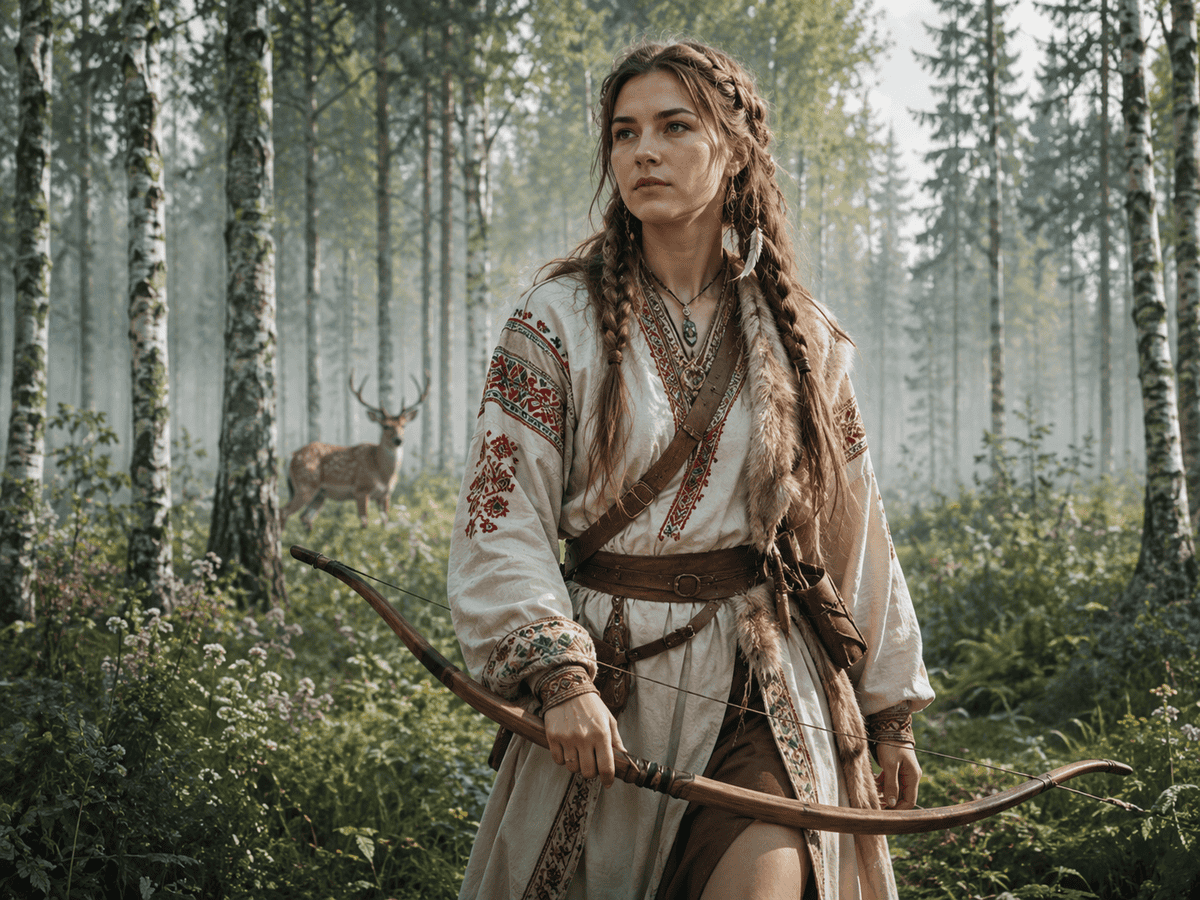
Devana’s strongest connection is with the untamed natural world.
She is commonly described as a goddess of forests, wild landscapes, and places beyond cultivated farmland.
For early communities, forests were both valuable and dangerous. They provided wood, herbs, berries, game, and shelter, but they could also contain predators and unfamiliar paths.
She was not a goddess of carefully planted gardens or peaceful farms. Her symbolic territory was the wilderness where nature followed its own rules.
This makes her an especially powerful representation of freedom. The forest could provide everything people needed, yet it could never be completely controlled.
2. She Was Closely Connected With Hunting
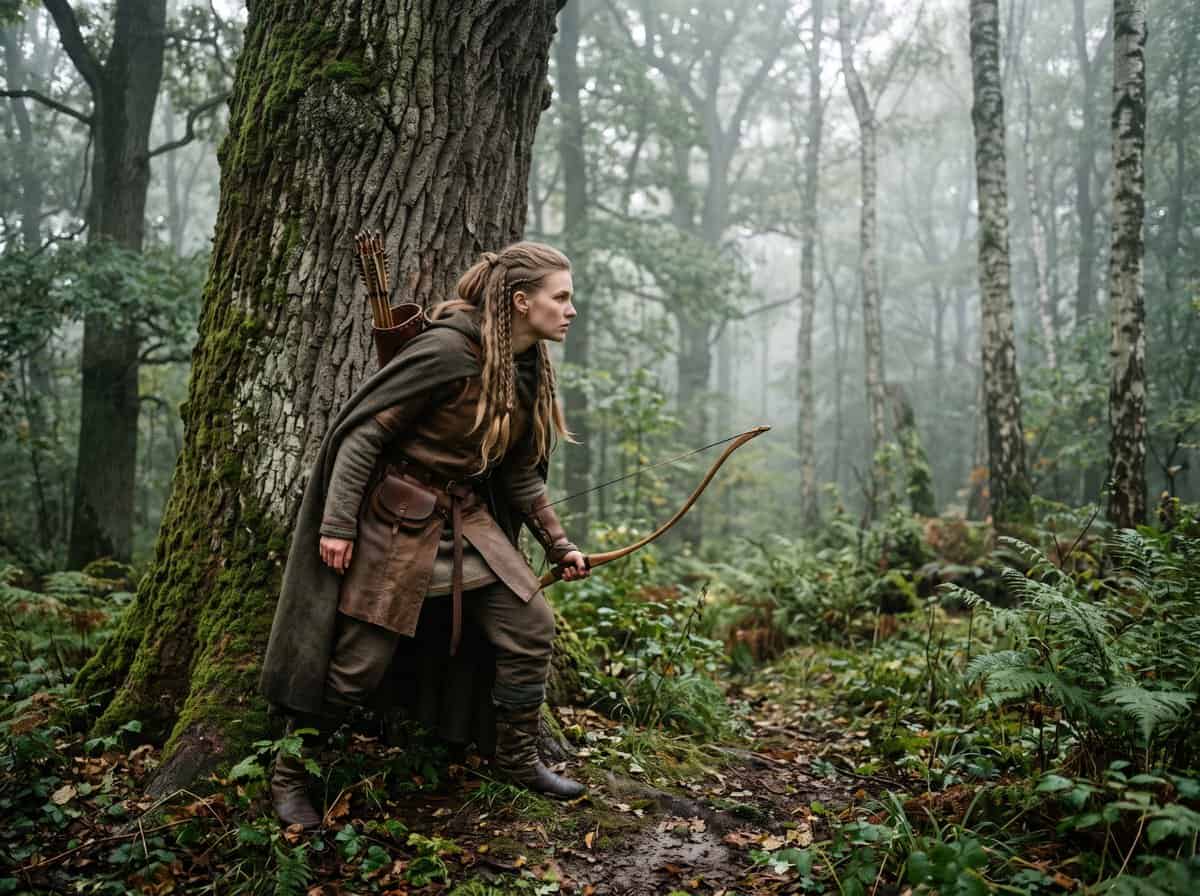
Hunting was essential to many early Slavic communities, providing food, hides, bones, and other valuable materials.
Because Devana was associated with forests and wild animals, she naturally became connected with hunters as well.
Later traditions often describe her as a divine huntress who moved freely through woodland landscapes.
This role has encouraged comparisons with Artemis from Greek mythology and Diana from Roman religion.
However, Devana belongs to a distinctly Slavic cultural setting. Her association with hunting reflects the complicated relationship between humans and wilderness.
Hunters depended upon animals but also needed to respect their strength and unpredictability.
3. Wild Animals Were Part of Her Symbolic World
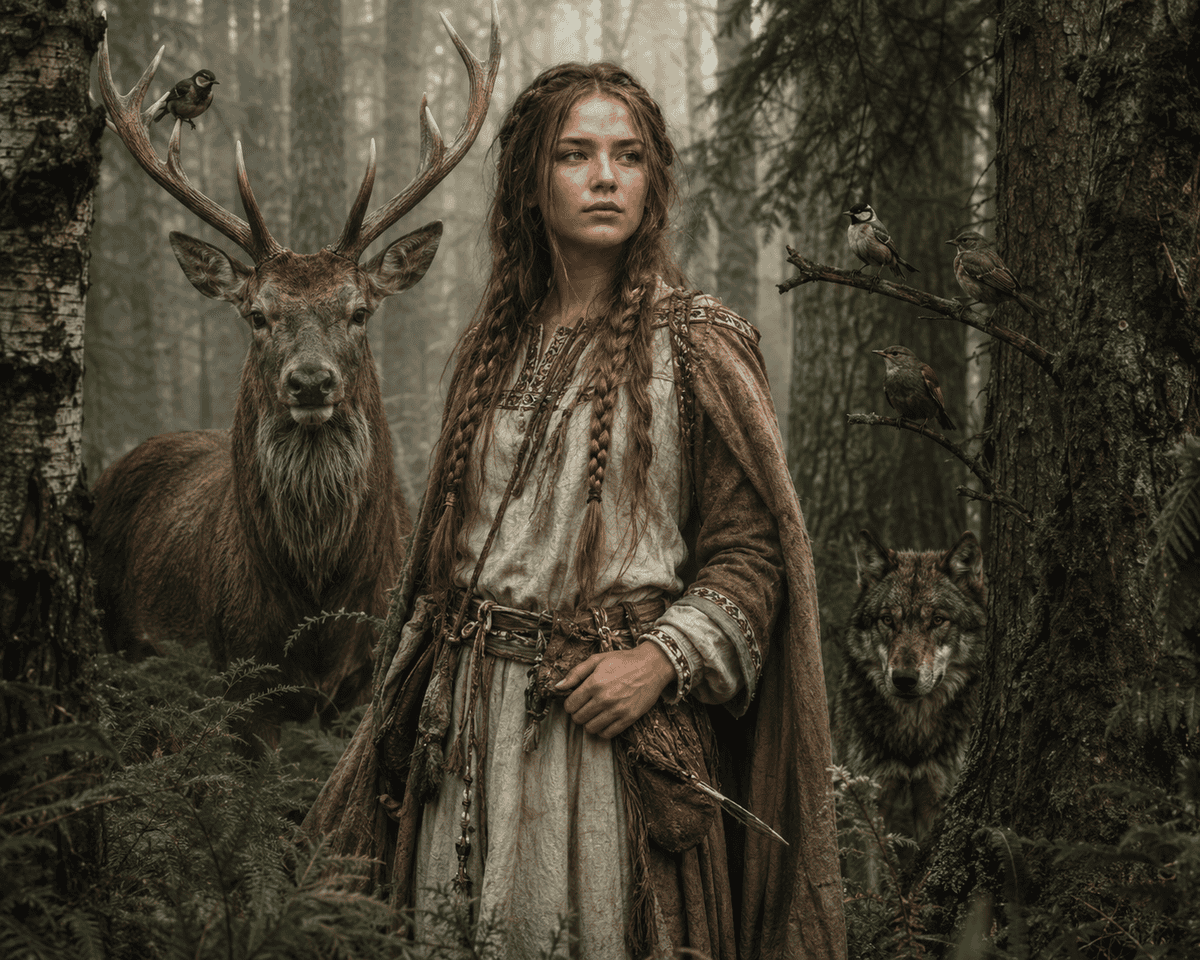
A goddess of the wilderness would naturally share her realm with animals.
Deer, wolves, bears, birds, and other forest creatures are frequently associated with modern interpretations of Devana.
These animals represented different qualities found within the wilderness.
The deer could symbolize grace and alertness. The wolf represented independence, intelligence, and survival.
The bear reflected enormous strength. Birds moved freely above the forest and could symbolize freedom itself.
She represents nature existing independently of human control. The animals surrounding her are not possessions.
They are inhabitants of the same wild realm she symbolizes.
4. Her Name Appears in Different Slavic Forms
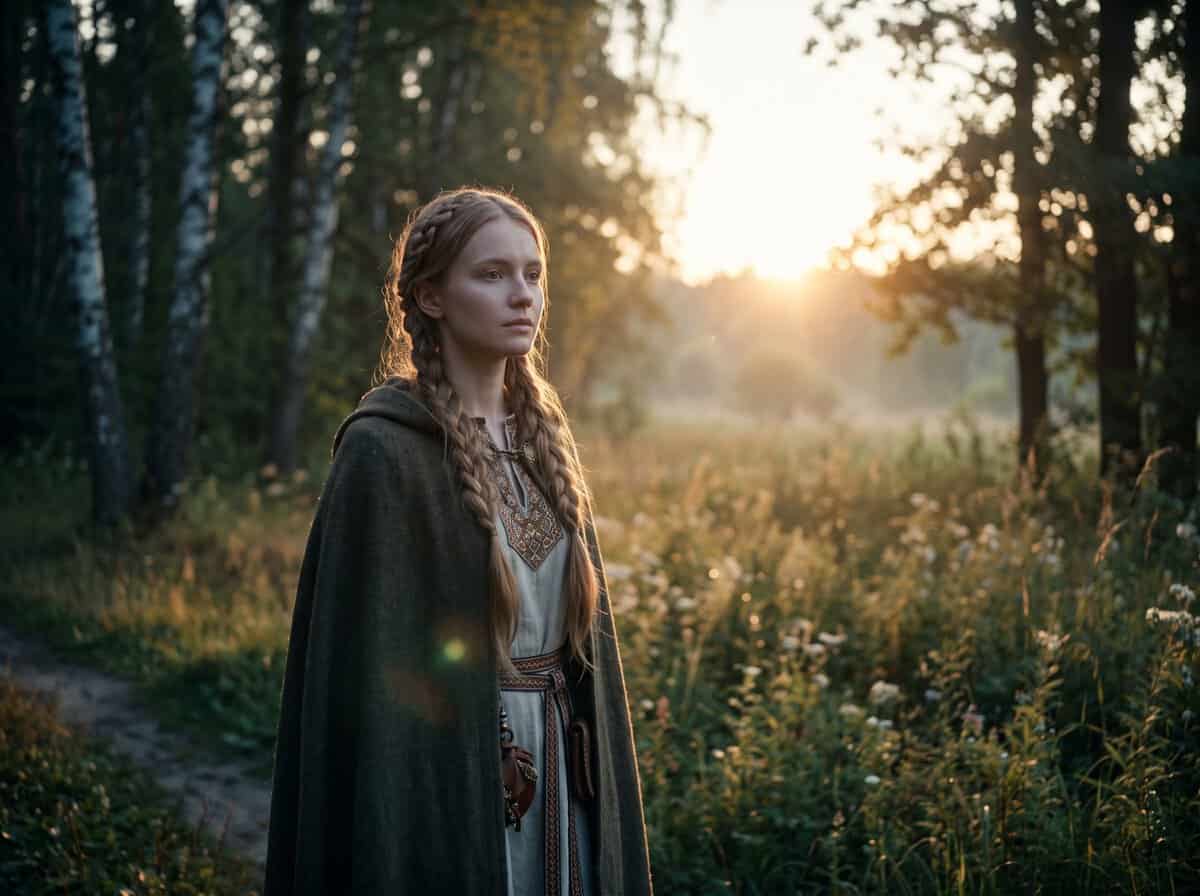
One reason Devana can seem confusing is that her name changes depending on language and region.
Forms associated with her include Devana, Děvana, Dziewanna, and similar variations.
This is common with Slavic mythological figures because Slavic peoples developed across a large geographical area with related but distinct languages and traditions.
Stories were also transmitted orally for generations. Names naturally changed as legends moved between communities.
The Polish form Dziewanna is particularly well known. Some scholars have connected the name with ideas involving maidenhood or wild nature, although interpretations remain debated.
These different names demonstrate why reconstructing ancient Slavic religion can be difficult.
5. She Is Often Compared With Diana and Artemis
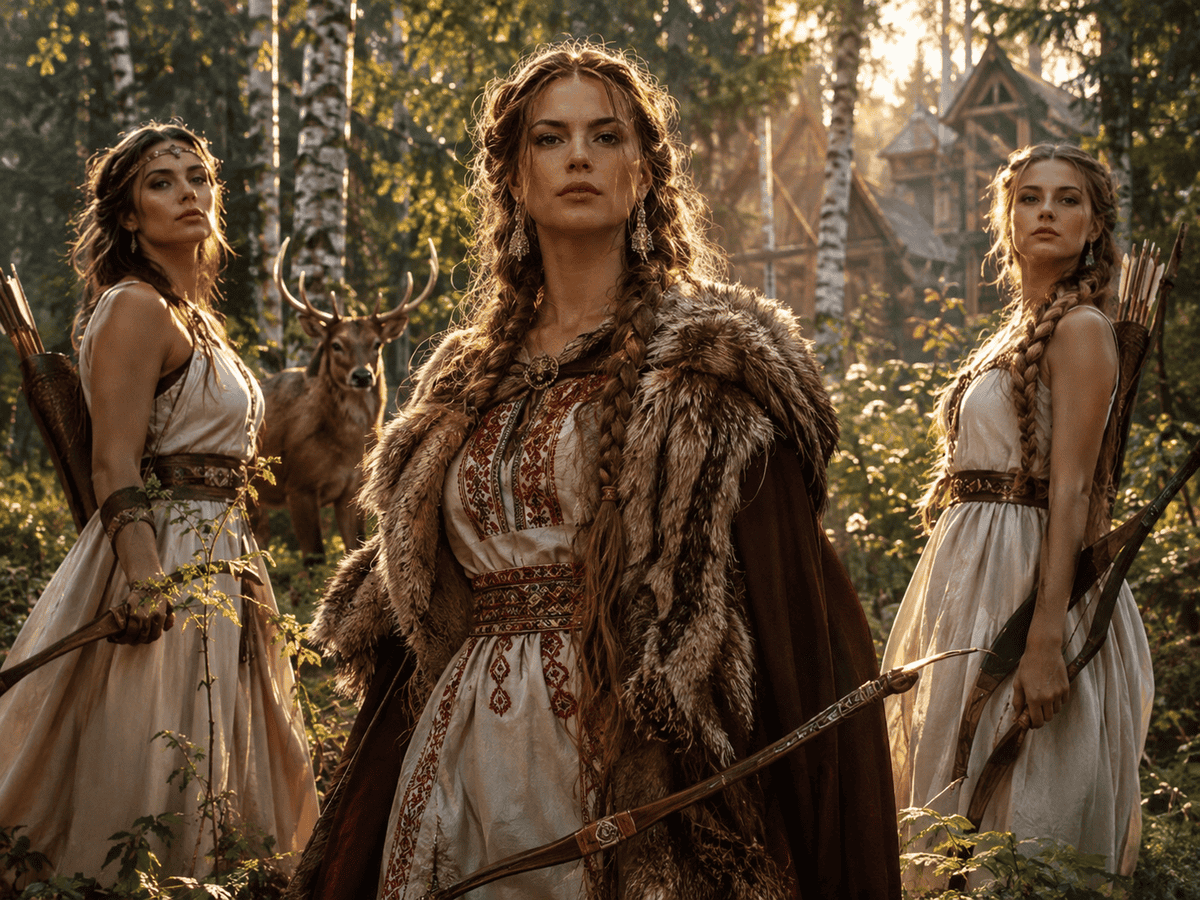
Modern discussions of Devana frequently compare her with Diana and Artemis. The similarities are easy to understand.
All three figures are associated with wilderness and hunting, and all can represent feminine independence.
Slavic mythology developed within its own cultural environment and did not simply copy Greek or Roman religion.
Some medieval writers may also have interpreted unfamiliar Slavic beliefs through the names of classical gods they already understood.
As a result, similarities between Devana and Diana do not necessarily prove that their ancient worship was identical.
She represents a female divine presence that belongs to forests rather than palaces and whose strength comes from independence rather than political authority.
6. Devana Represented Freedom From Civilization
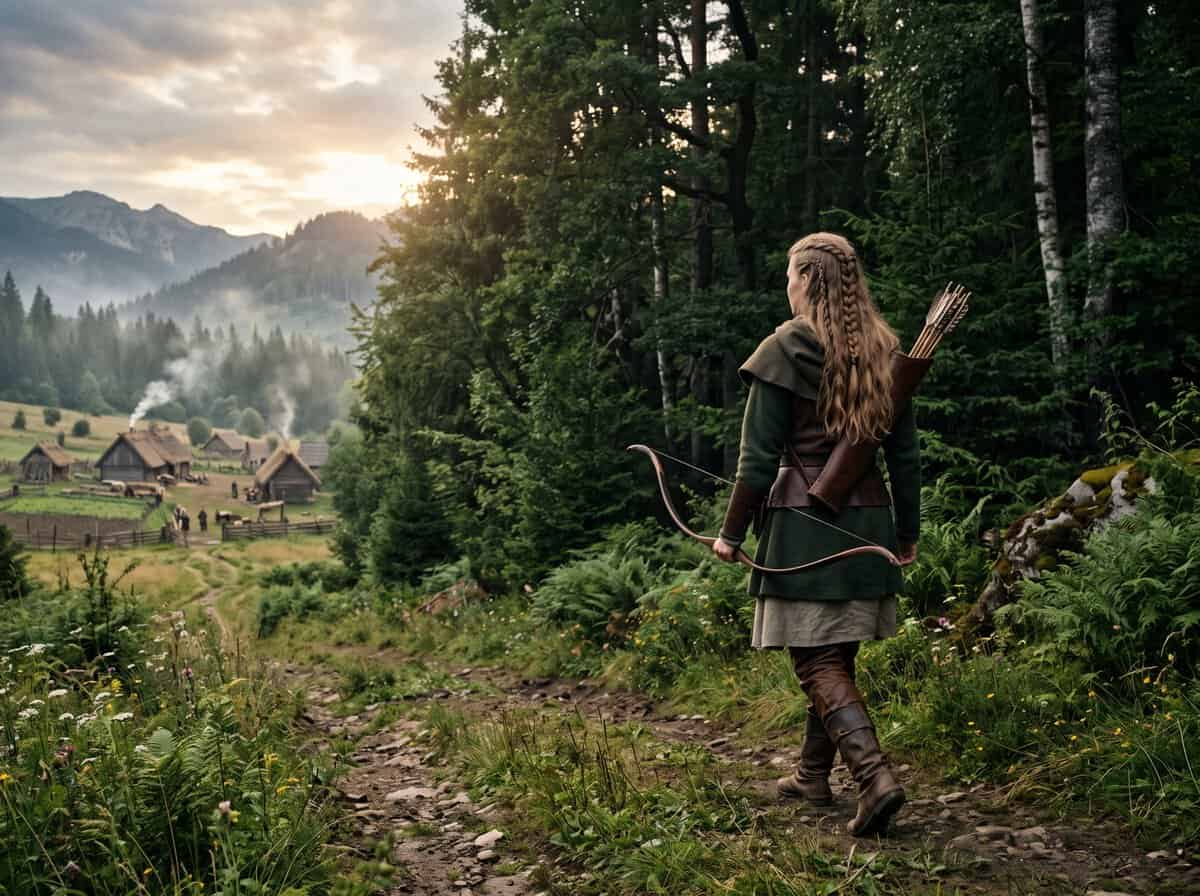
Many ancient deities were closely connected with cities, households, agriculture, or organized society.
Devana represents almost the opposite. Her realm begins where cultivated land ends.
This gives her a strong symbolic connection with freedom. The wilderness does not follow human schedules or social expectations.
Trees grow where conditions allow them to grow. Animals travel according to instinct.
Seasons change regardless of human wishes. Devana embodies this independence.
Her symbolism can therefore represent the part of nature that refuses to be completely controlled.
7. She May Have Been Connected With Spring and Vegetation
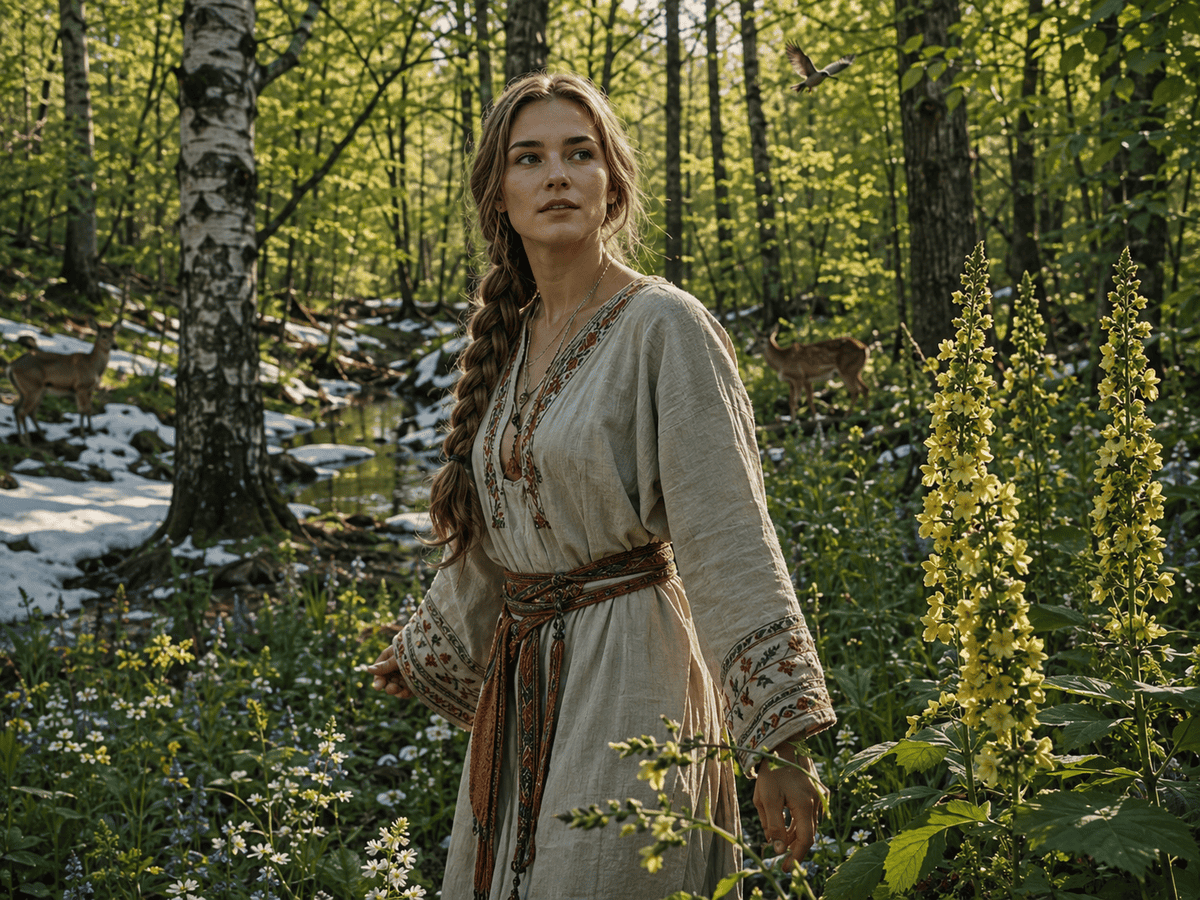
Some later interpretations connect Devana not only with hunting but also with vegetation and seasonal growth.
Forests change dramatically throughout the year. Winter leaves them quiet and bare, while spring brings leaves, flowers, animals, and new activity.
A wilderness goddess could therefore naturally become associated with these cycles.
The Polish word dziewanna is also the name used for mullein, a tall flowering plant, which has encouraged additional connections between Devana and vegetation.
However, historians remain cautious about using later linguistic associations as proof of ancient religious beliefs.
Even so, the symbolic connection is fitting. Devana’s wilderness is constantly changing.
Growth, decay, and renewal occur together within it. She represents nature not as something frozen in time but as a living force that continually transforms itself.
8. Devana’s Historical Origins Remain Mysterious
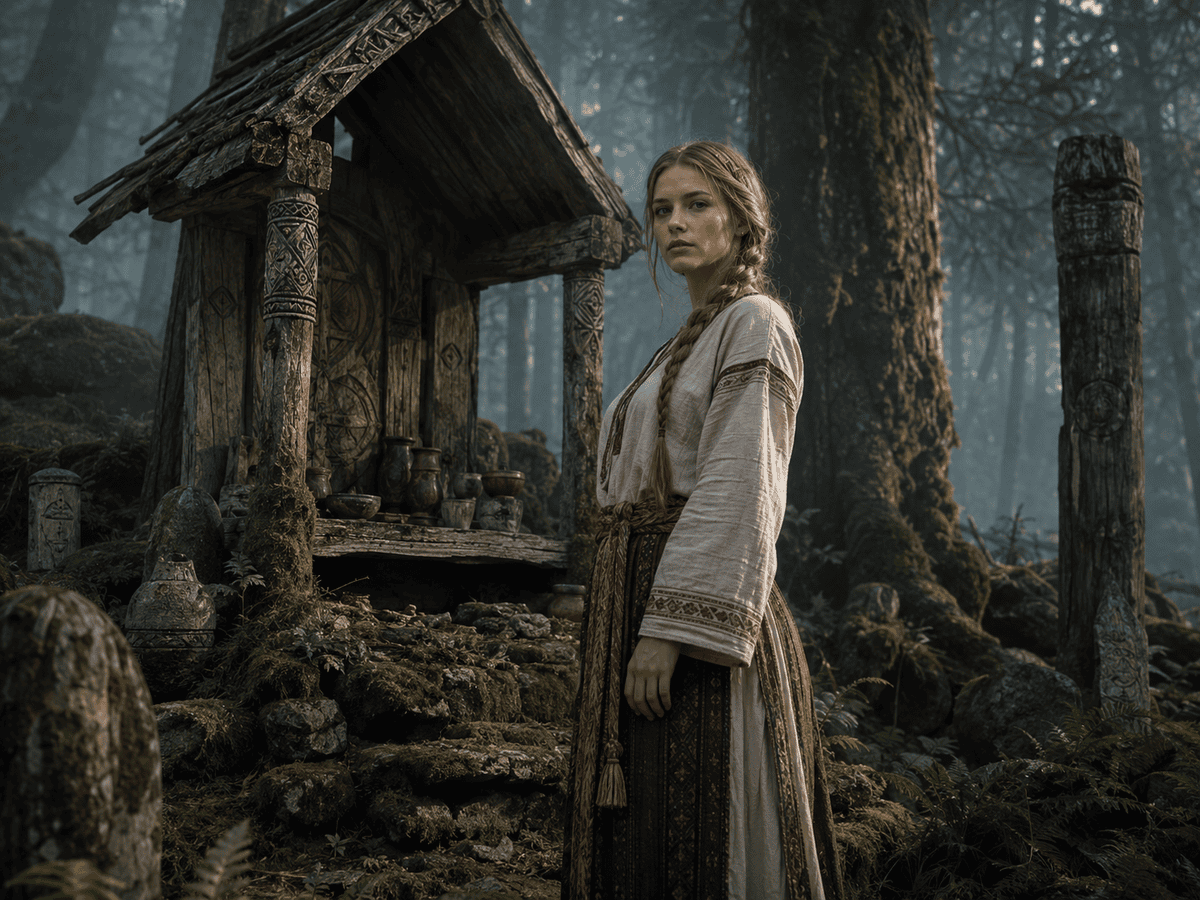
One of the most important things to understand about Devana is that much of her history remains uncertain.
Unlike Greek and Roman mythology, which survives through numerous ancient literary works, many Slavic traditions were recorded only after Christianization.
Some medieval writers mentioned deities while criticizing older religious practices.
Others compared Slavic gods with familiar classical figures. This creates challenges for modern researchers.
It can be difficult to determine which details reflect genuine pre-Christian traditions and which developed later through folklore or scholarly interpretation.
9. She Represents Respect for Untamed Nature
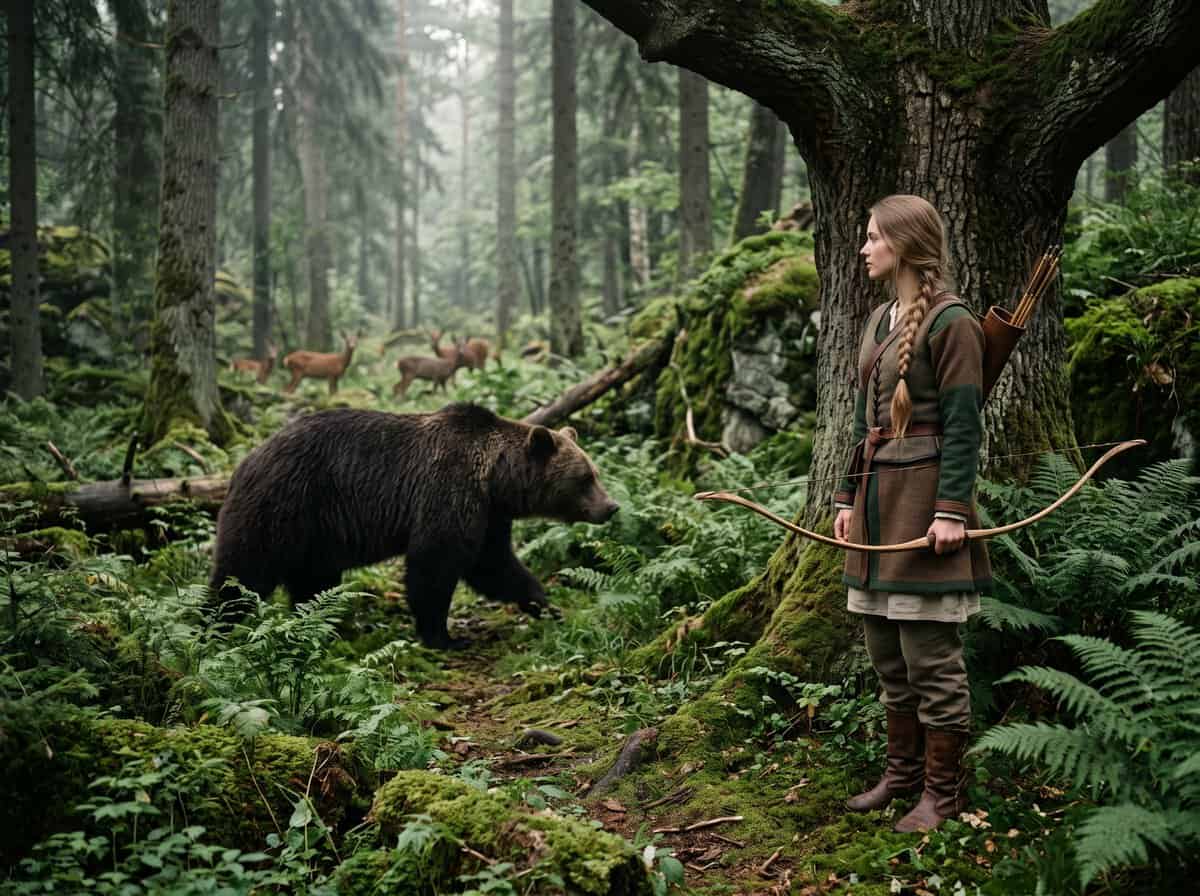
Devana’s symbolism carries an idea that remains meaningful today. Nature deserves respect even when humans cannot control it.
Ancient forests could be frightening places, but they were also essential sources of food, medicine, materials, and spiritual inspiration.
People entering them had to understand their limits. A hunter who ignored the weather, animal behavior, or unfamiliar terrain could quickly find himself in danger.
Devana represents this balance between admiration and caution. The wilderness can be beautiful without being harmless.
It can provide abundance while demanding respect. Her symbolic presence reminds people that humans do not stand completely outside nature.
10. Devana Has Found New Life in Modern Slavic Mythology
Although historical information about Devana is limited, interest in her has grown significantly in modern times.
Writers, artists, mythology enthusiasts, and people exploring Slavic cultural traditions have rediscovered her as a powerful symbol of wilderness and independence.
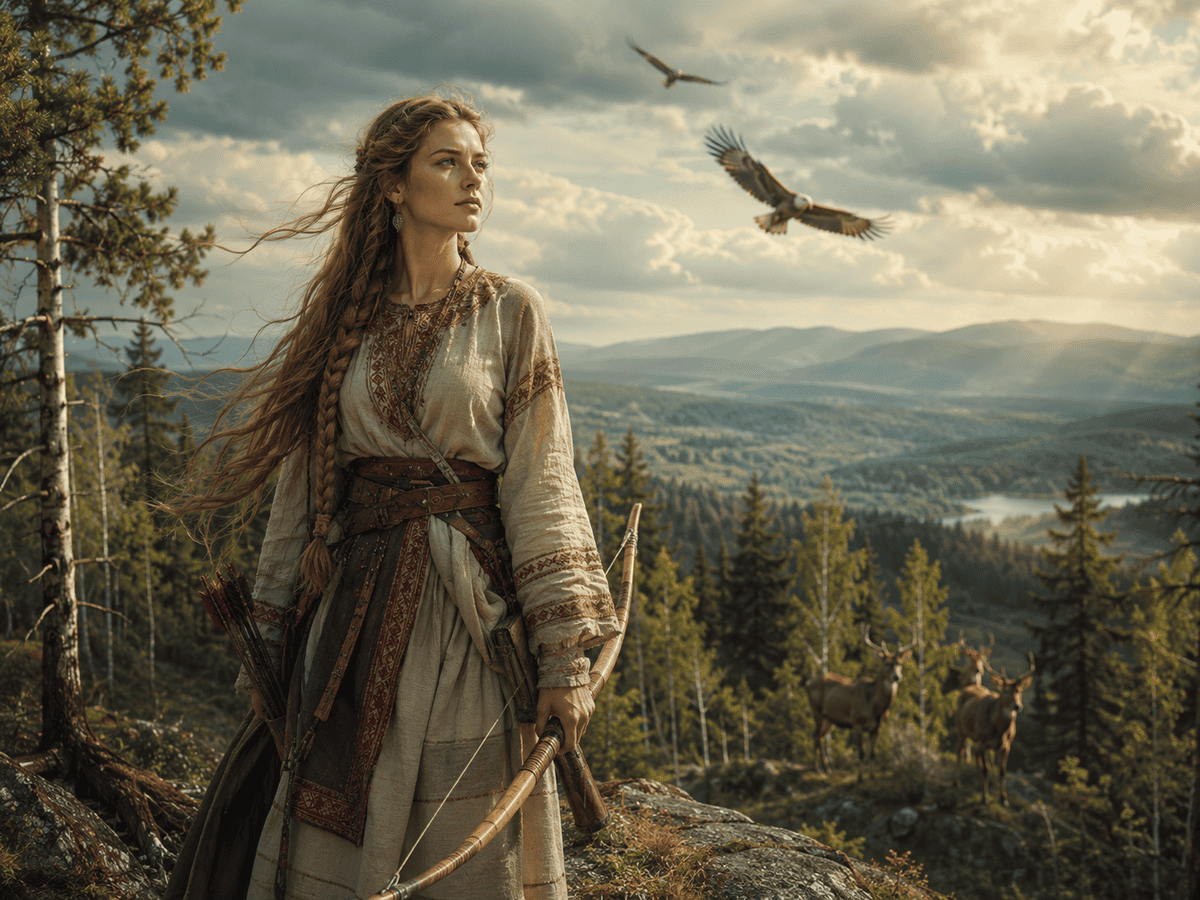
Modern artwork often portrays her walking through dense forests, surrounded by wild animals or carrying hunting equipment.
These images may include details that cannot be confirmed from ancient sources, but they demonstrate how mythological figures continue evolving long after their earliest stories disappear.
Devana now represents freedom, courage, wildlife, and humanity’s ancient connection with the forest.

Sempre senti uma forte ligação com o Divino desde o meu nascimento. Como autora e mentora, a minha missão é ajudar os outros a encontrar o amor, a felicidade e a força interior nos momentos mais sombrios.