

Superstitions can have an actual effect on decision-making. Some superstitions may cause individuals to alter their decisions, halt their activities, or avoid certain experiences for no apparent reason.
Many superstitions have been taught from one generation to the next and have therefore become a part of everyday life. The issue with superstitions is not their existence but rather how they affect the way you act.
When superstitions replace reality and/or reason, to a large degree, it will affect the end result of what you do. Here are several examples of dangerous superstitions that may hinder your success and growth.
1. Breaking Glass Equals Bad Luck

Many people continue to believe that breaking glass is an omen of bad luck. This belief creates unnecessary worry and concern about an accidental act.
In some cases, the individual may be more concerned about the meaning of breaking glass than about the fact that they broke glass (a fully tangible event).
This lack of focus makes it harder for them to take the appropriate action of either safely cleaning up or moving on.
Many individuals perceive breaking a glass as a symbol of bad luck, and in reacting as if this were a real-life warning, they may become more negative in their feelings and the way they make their decisions, hence transforming a small event into something much larger.
2. Walking Under a Ladder Brings Misfortune
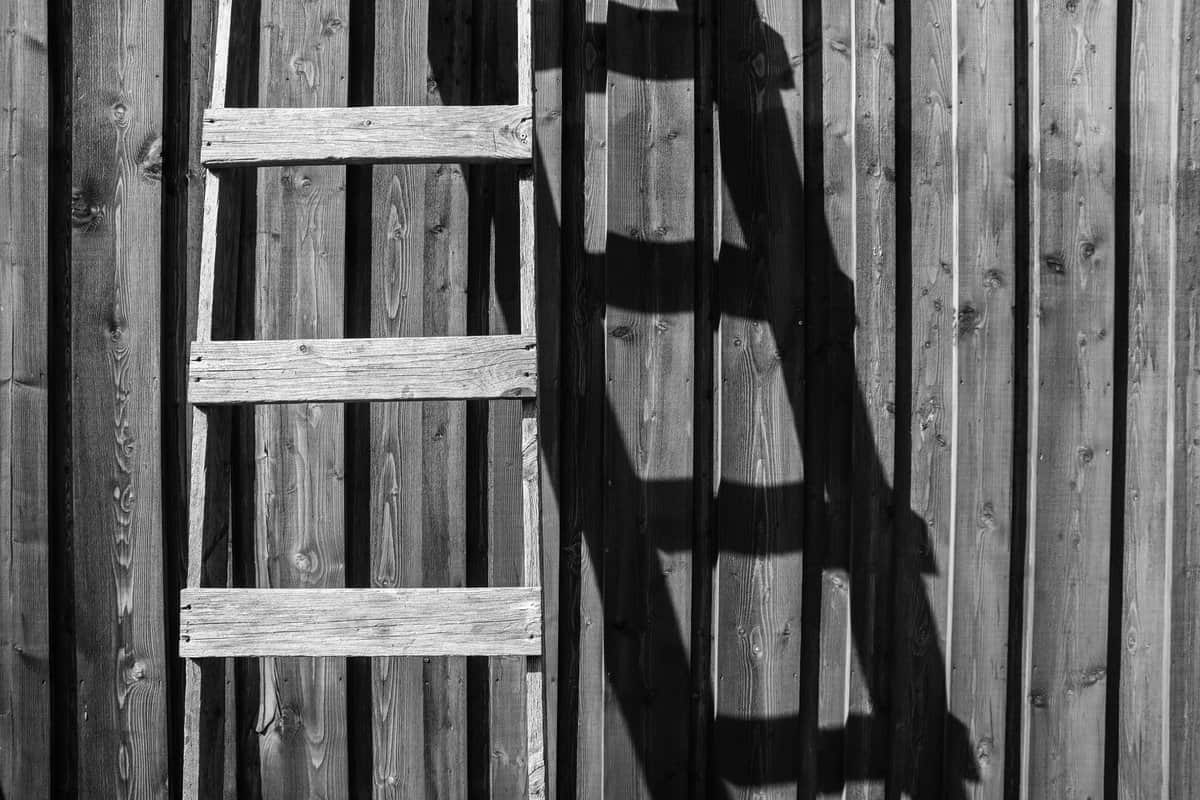
When you see someone avoiding walking underneath a ladder, it seems to be an innocent little habit. However, this superstition may cause you to avoid taking a certain path simply because you do not want to walk beneath a ladder.
In terms of practical application, protection should be based on real safety conditions rather than tradition.
The risk of injury from walking under a ladder or not is unrelated to superstition. Combining legitimate safety concerns with superstition can lead to confusion when making decisions.
3. Black Cats Bring Bad Luck
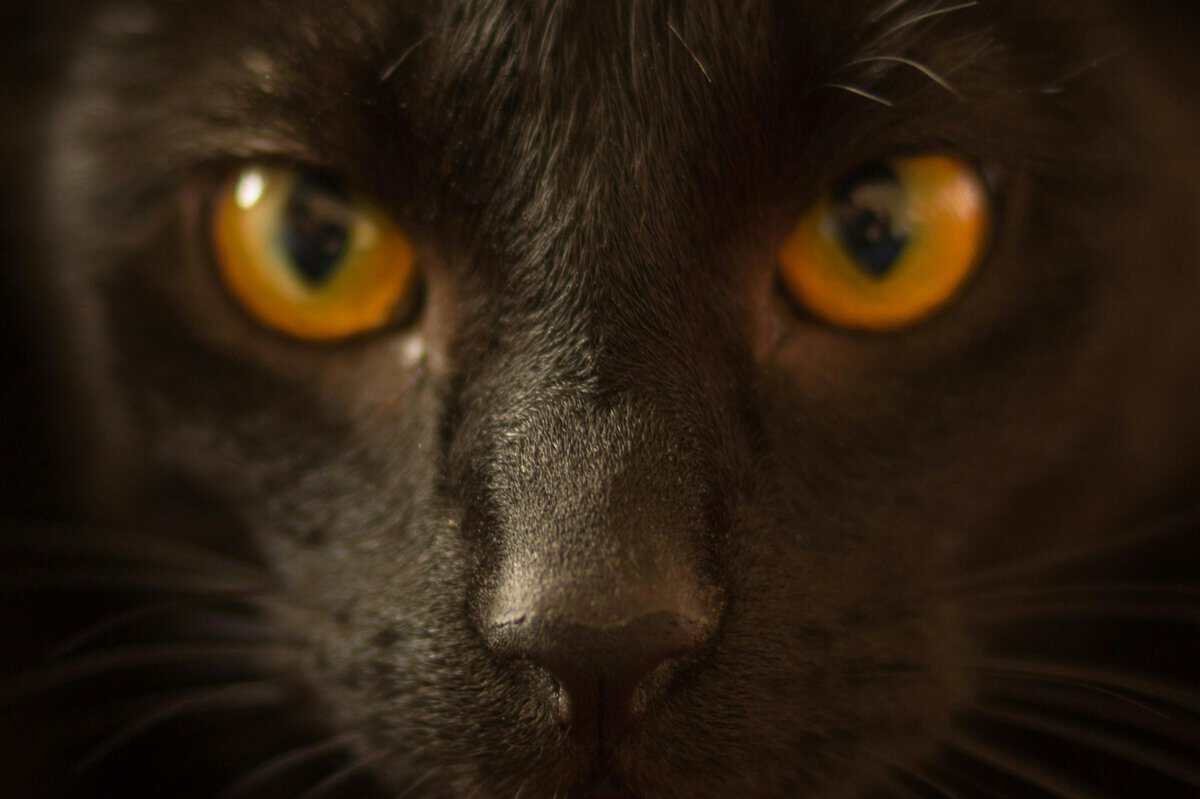
Many people believe black cats bring bad luck, which affects how people see those animals. Some people may avoid dealing with these cats because they’re assumed to be bad luck.
If a black cat crosses your path, you may spend all day overthinking and bringing bad luck to yourself. Black cats will not change your life because you believe in superstition.
If we realize this, we separate reality from things we are taught to believe but are now useless.
4. Spilling Salt Means Trouble Ahead

Most people view spilling salt as an omen that something bad will happen soon. Some people will actually throw salt over their shoulder as a way of fixing it.
This reaction creates unnecessary stress when there is no clear reason to fear an event in the future because of what has happened.
This pattern reinforces the connection between random acts and future results. This causes a reduction in the ability to think clearly.
5. Friday the 13th
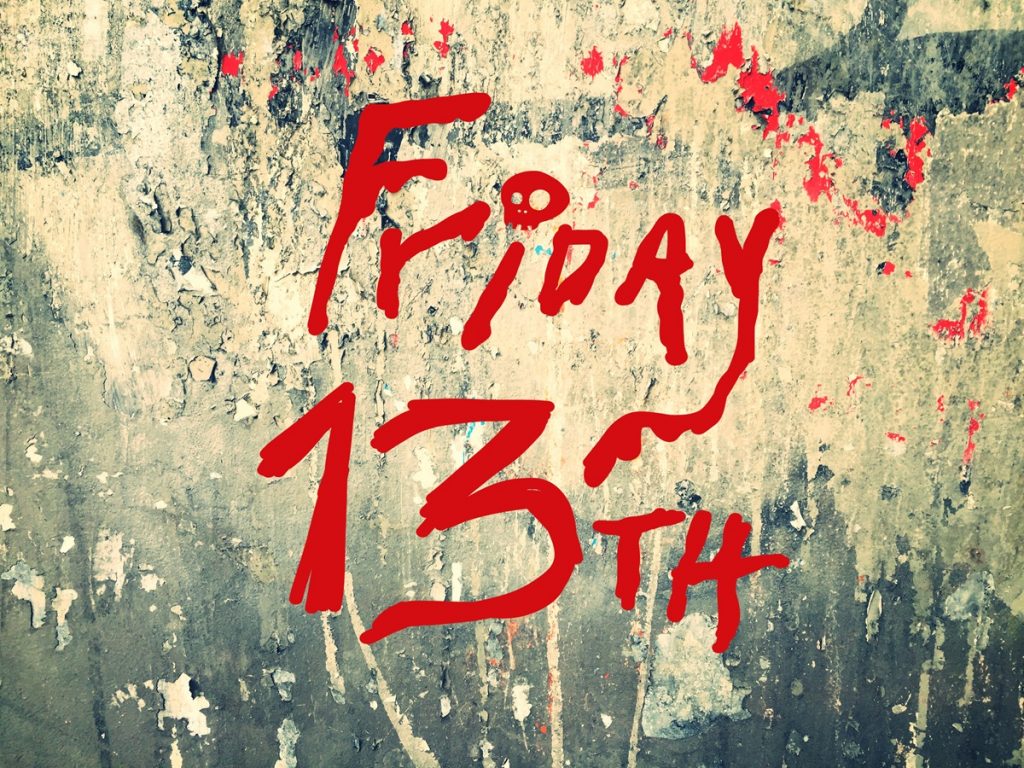
Many people will not make decisions on Friday the 13th. Due to this, there is often a delay in doing things, such as planning, going to work, or traveling.
Although the date does not affect the outcome of your decision, the belief in it often determines your behavior. You may think you are making a safe choice by waiting until a different day, but in reality, you are missing out on potential opportunities.
Therefore, any decision you make should be made on the basis of good timing and preparation, rather than what day of the year it is.
6. Breaking a Mirror Equals Years of Bad Luck
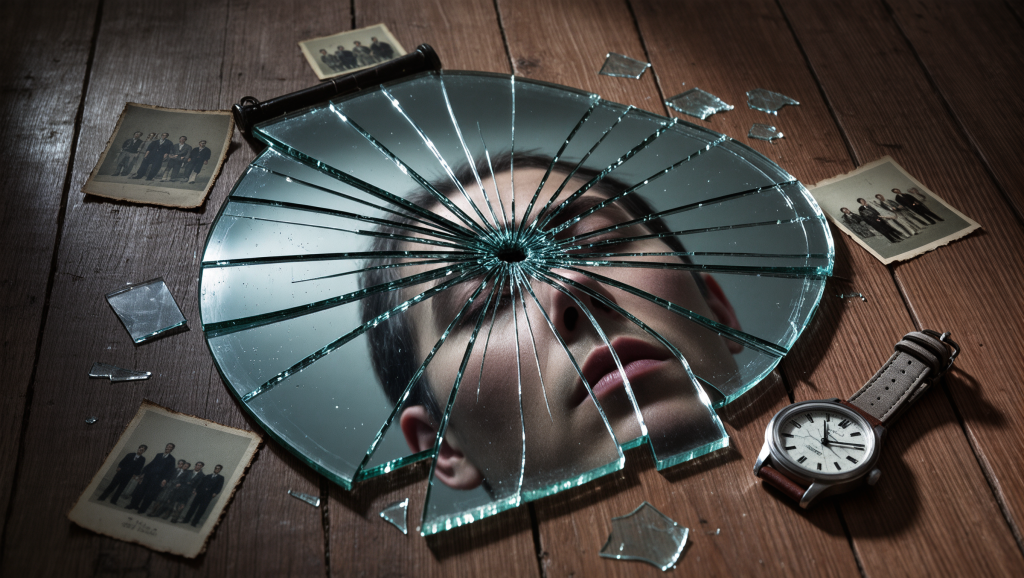
Breaking a mirror equals long-term bad luck is an unreasonable belief that adds unnecessary stress to an accident, making it feel permanent.
This superstition can affect an individual’s mood and future decisions for years. Breaking a mirror is a safety problem and should be dealt with as such; however, if the person maintains this superstition, the impact of the broken mirror remains.
This delays an individual’s ability to deal with the present and instead focuses their attention on something that has no real effect on what happens in the future.
7. Opening an Umbrella Indoors Brings Bad Luck

For some, opening an umbrella indoors is considered to be a sign of bad luck. Therefore, many will not open an umbrella indoors, causing them to exercise unnecessary caution in a situation that poses no danger whatsoever.
Originally, there was likely a reasonable reason to discourage this action; for example, an umbrella might break if opened in a confined area. However, over time, this has evolved into a rule of imagery with no real meaning.
Therefore, if an individual performs an action without understanding its meaning, they will create a habit and replace their thought process with fear.
Instead of creating unwanted habits based on a superstition that no longer applies, it is best to only give consideration to the present situation.
8. Knocking on Wood Prevents Bad Outcomes

Knocking on wood is often used as a form of “protection” from bad outcomes. Although it is a simple act, it creates the belief that outcomes depend on a ritual to succeed.
Over time, a habit of connecting the outcome of success to random acts will occur. As a result, the person lacks confidence in real-life factors affecting achievement.
Acknowledging that success depends on action rather than superstitions generates an improved decision-making process.
9. Itchy Palms Are a Sign of Money Coming

The belief that an itchy palm means money will be received creates an unrealistic expectation about receiving money. This can cause an individual to wait for money to be received rather than take action to obtain money.
This shifts an individual’s focus away from taking action on practical items such as budgeting and creating a financial plan.
Over time, an individual’s habit of assuming money is going to be received will lead to the individual being less motivated to act.
10. Saying Something Positive “Jinxes” It

Some people are cautious about saying something good about a situation because they believe it could cause it to become bad. This habit can limit a person’s confidence and create tension.
This will cause them to become too closed-up and uncommunicative, which can add extra stress. Untold words do not change outcomes; they only change the approach individuals take to solve problems.
Being communicative regarding plans and expectations creates clarity for everybody. A fear of jinxing a good outcome could prevent open and useful conversations and/or decision-making.

Born and raised in Bosnia and Herzegovina. Ever since I was a little girl, my imagination knew no bounds. I remember vividly how I’d scribble down short stories, each page bursting with adventures and characters conjured up from the whimsy of my mind. These stories weren’t just for me; they were my way of connecting with my friends, offering them a slice of my fantasy world during our playtimes. The joy and excitement on their faces as we dived into my fictional realms motivated me to keep writing. This early passion for storytelling naturally evolved into my pursuit of writing, turning a childhood hobby into a fulfilling career.