
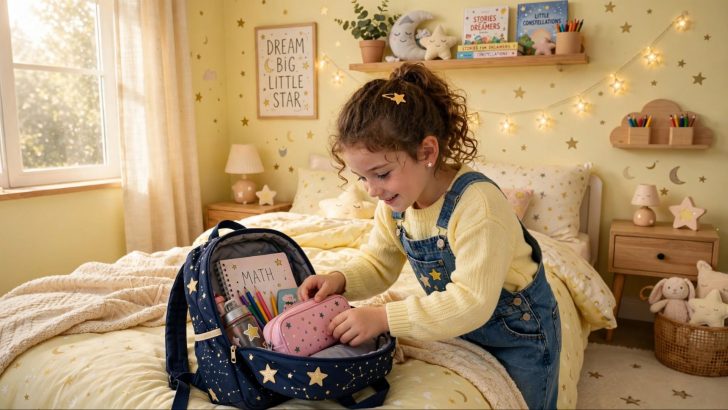
The most important thing with learning is pacing.
When it comes to little kids, there are specific limits to what they’re able to comprehend at every age. It can feel quite tricky to figure out what you can expect from them.
If you fail to challenge them, they get bored and restless, missing out on important skills. And if you overwhelm them, they resist, and their confidence suffers.
So, here’s a guide with all the things you should teach your kids by age, from infancy to the age of eight!
1. 0 to 6 Months

In these first months, your baby is only learning to exist.
They’re learning that voices mean safety and that sounds have patterns. They’re starting to notice how the world responds when they try to communicate.
The most important thing you can do for your kid at this early age is talk to them constantly. Speak softly and with warmth.
When you’re doing something, like preparing their bottle or changing their diaper, narrate what you’re doing.
Tell them what you’re feeling and describe the things you see around you. Every word you say to them is slowly building their future vocabulary.
Also, play them short and repetitive songs, and show them simple images with clear, contrasting colors.
All of these things help develop their senses without overwhelming them.
2. 6 to 12 Months
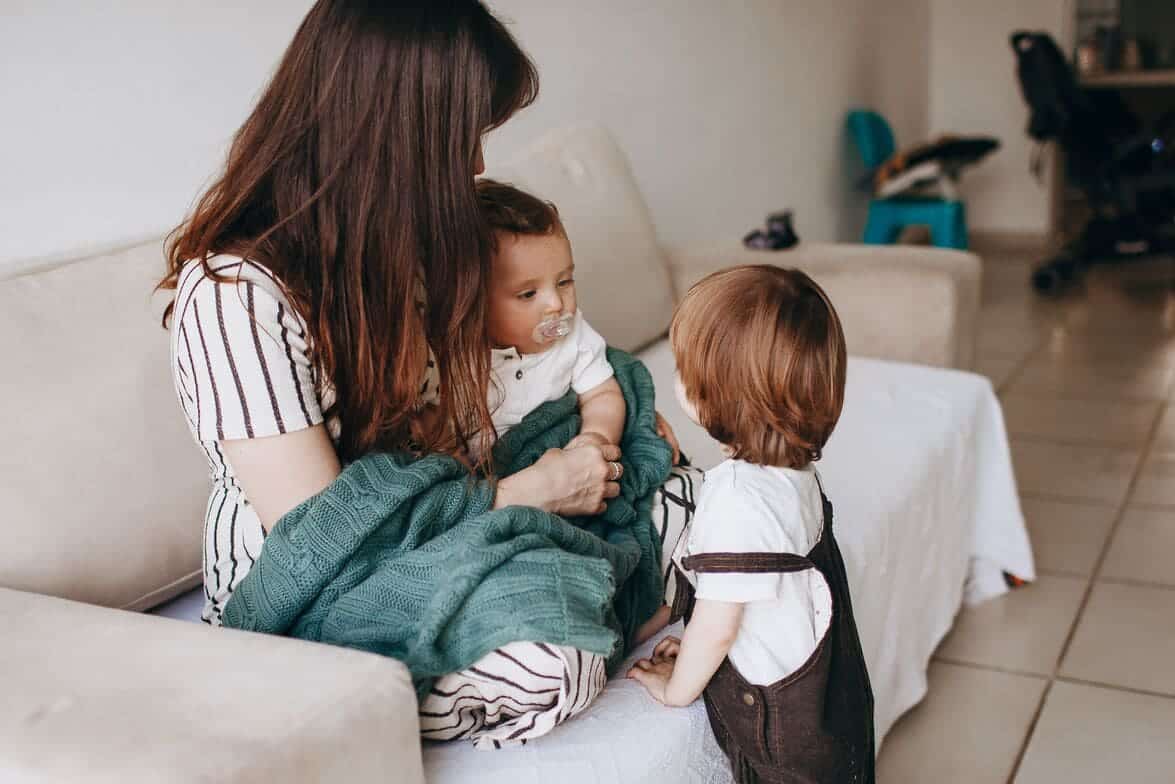
By six months, your kid can actually participate in interactions rather than just receiving!
This is the time to introduce them to board books with clear images and minimal text. Look at the books together and name what you see.
Play with sounds, help them learn animal sounds and even imitate them through play!
Repetition is most important at this age, so make sure to always name things, like family members, colors, food, furniture, etc.
This builds a simple vocabulary they can use daily.
Repeating the same songs and games helps them truly understand what they’re seeing and hearing, rather than simply watching.
Repeat some gestures like clapping and waving, too.
3. 12 to 18 Months

At this age, kids start to walk and have opinions, and there’s so much more they’re able to learn!
It’s the ideal time to help them learn more about their body. Through games and songs, you can teach them to point to their nose, ears, eyes, tummy…
Repetition and playfulness are still important because you need to keep their attention while trying to teach them.
It’s also the time to start giving them simple instructions, such as telling them to bring their shoes over or to wave goodbye to someone.
Their confidence grows every time they’re able to understand an instruction and complete it. Naturally, your excitement and praise motivate them to keep learning!
4. 18 to 24 Months

This is when kids start to understand more, so they become curious about how things work and relate to each other.
It’s time to start connecting colors and objects, such as a red apple or a yellow banana. Flash cards are a reliable tool for learning and naming all these new things.
However, it’s even more important to help them name the things they see in the real world. That’s much more engaging and memorable for them.
Learn the names of fruits and vegetables together while shopping. Allow them to touch the food you’re naming to provide a sensory experience.
This is also the time for kids to start playing simple logic games, like stacking rings by size and doing shape puzzles.
Give them some paper and crayons, too. It’s time to create their first art!
5. 2 to 3 Years

At this age, kids want to investigate! Everything is interesting to them, so they’ll try to touch and taste everything they can reach.
Throwing things around is also fun for them as they familiarize themselves with the weight of different objects.
They’re able to imagine and play for longer.
This is a good time to teach them shapes em everyday life: the round wheel, the triangular roof, the square biscuit…
Learning shapes can get boring quickly if you try to make them learn shapes; instead, do it organically, as you play and go about your day.
Introduce simple jigsaw puzzles with large pieces to develop their capacidade de resolução de problemas.
Finally, it’s important to let the child set the pace of learning. Don’t try to rush them; just give them space and attention.
6. 3 to 4 Years

By three to four years old, many kids become interested in the specific sounds of language. They enjoy rhymes and make up nonsensical words because it’s fun.
To feed this interest, play rhyming games e sing songs together. Also, make up silly words together from time to time.
This new awareness of sounds will help them become a good reader down the line. Tedious instructions can never help them reach the same success as natural interest and play.
It’s also the ideal age to start introducing them to kids’ tools, such as plastic scissors and garden tool toys.
This builds their fine motor skills and helps them feel more confident.
You might also introduce them to simple activity books designed for this age.
7. 4 to 5 Years

Some people hold that teaching kids letters at this age is too soon, but it’s up to the child. If they show interest, support it and introduce them to their first letters.
When they start recognizing and pointing to letters they see on clothes or on cereal boxes, name them to make the sounds the letters represent.
Maybe they could even learn to read their own name at this age!
Learning to count is another natural focus at this age. It’s also best to rely on the environment, so rather than teaching them numbers, start counting steps, fruit, windows, pets, etc.
Numbers feel more real when they’re attached to something concrete.
Your kid might also be ready to learn about lugares beyond what they know, such as other countries and climates.
8. 5 to 6 Years

Nowadays, many kids start to read at this age. If your child had access to a tablet or phone, they’ve been encountering symbols and letters for a while.
It’s natural that they’ll feel ready to learn to read.
You might encourage them by reading together and reading them storybooks before bed.
Continue to play with sounds and rhymes, since they go hand-in-hand with reading skills.
Practice counting to ten consistently, and start introducing them to comparação.
Which house is bigger? Which bowl contains more fruit? Which toy is closer?
These simple questions support mathematical thinking and develop their spatial awareness.
Also, work on developing their logic through pattern recognition.
9. 6 to 7 Years
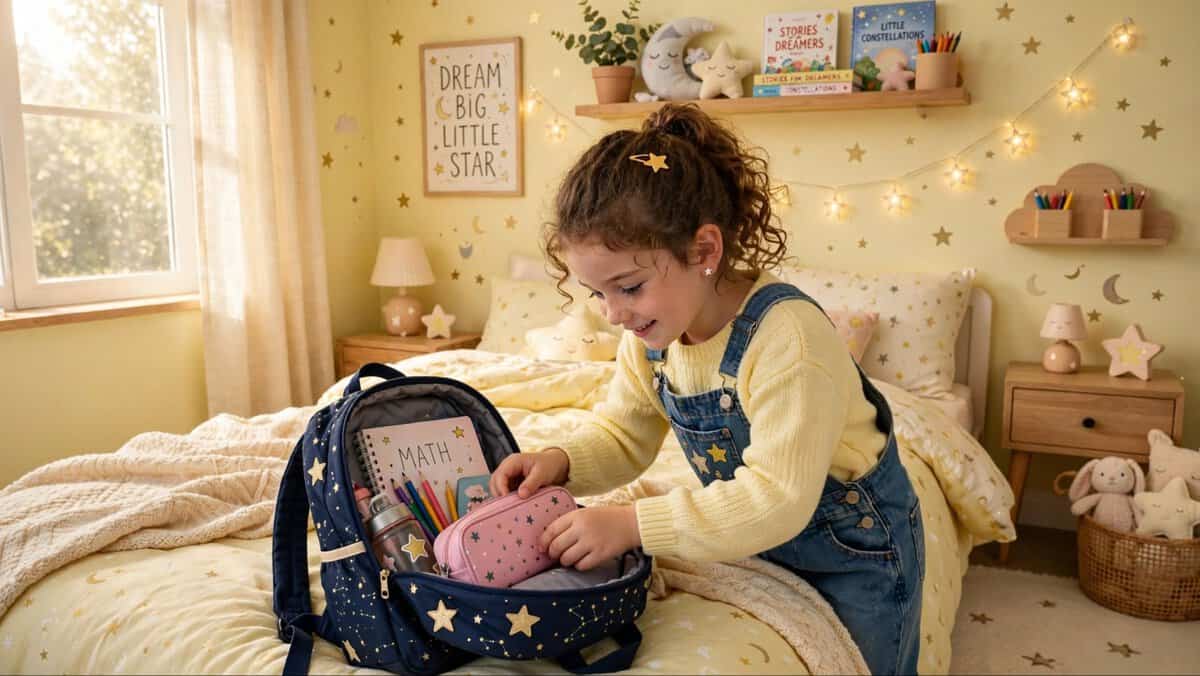
At six to seven years old, numbers stop being something to learn as kids actually start using them!
Reading becomes a way to access stories and information, and numbers help them figure out how much candy they can buy with their allowance!
Finally, this knowledge allows them more independence.
Escrita begins to develop alongside reading, and if you want to make it more fun, help them write letters to their friends and grandparents rather than sticking to school books.
Drawing also becomes more intentional and precise at this age. Support it by handing them crayons and paper whenever they’re bored.
They also learn to pack their bag or get snacks on their own.
One of the most important skills they learn by this age is knowing how and when to ask for help rather than waiting for an adult to take notice.
10. 7 to 8 Years

At this age, kids’ social development is in focus. They become more interested in friendships, social dynamics, fairness, and how others view them.
They might start comparing themselves to others, so gentle, understanding conversations are necessary to help them through it.
They start having more responsibilities, such as morning and night routines and remembering school tasks.
It’s also time to teach them to contribute at casa in small ways, such as setting the table and making their own bed.
Being trusted with real responsibility is an important experience for them, so the best thing you can do for them is give them some space.
They’re not going to do the dishes how you would have done them, and that’s okay. Let them slowly build their confidence.

A little Aquarius, devoted to writing and embroidery. Through my writing, I hope to empower readers to align with their true selves and navigate life’s mysteries with confidence.