

Disrespect in relationships isn’t usually about yelling, name-calling, or spectacular fights. Sometimes it develops into little everyday habits that are easy to miss. Your spouse may interrupt your story, ignore your wishes, or make jokes that make you uncomfortable.
One casual moment doesn’t necessarily mean someone is disrespectful, but repeated patterns over time can slowly erode emotional connection and trust.
Noticing small indicators of disrespect can assist you in getting in touch with your needs, setting better boundaries, and deciding if your partner is willing to make big changes.
1. They Regularly Interrupt You When You Speak

Your partner’s habit of interrupting you while you’re talking is a subtle kind of disrespect. You might begin to tell a story, state a problem, or provide an opinion, but are interrupted before you get to the end.
It’s okay to interrupt every now and then, especially when emotions are high. But if you are being constantly interrupted, it can feel as though your partner thinks what they have to say is more essential than your story.
2. They Make Jokes About Your Insecurities

Jokes can be a component of a successful relationship, but jokes are cruel when they are about personal fears.
Your partner could say things about how you look, how smart you are, your family background, or things you did in the past and then tell you that you are being too sensitive.
And even if it’s funny, it’s still emotional. If you said that a certain topic was painful to you, and they kept making jokes about it, that can be a sign of thoughtlessness.
3. They Keep Looking at Their Phone While You Talk

Checking a phone every now and then isn’t impolite in and of itself, especially when someone is waiting on an important message. But if you’re mindlessly perusing social media when your partner is talking, you may start to feel ignored.
You may find that they answer without listening or ask questions you have already answered. But over time, these little events can trivialize big topics.
4. They Make Plans Without Considering Your Schedule

You don’t have to ask your spouse before doing anything on your own, but you should give reasonable attention to shared plans.
Disrespect can be seen when someone keeps making plans for social events, family visits, or weekend activities without verifying that you are free.
They may want you to adapt your schedule, but they rarely will make adjustments themselves. It can make you feel that your time is not so important. Each spouse should be able to talk about plans, independence, and commitments that are important to the other.
5. They Dismiss Your Feelings as Overreacting

You can say something damaged your feelings, and your partner would say you are being dramatic or overly sensitive. Partners may not always agree on the severity of a problem, but dismissing feelings without talking about them can build distance.
Your feelings don’t automatically mean someone did something wrong, but they still need to be heard. Asking questions and seeking to comprehend the experience is a respectful reaction.
Continual minimization of issues can make someone hesitant to speak out. Healthy couples learn to talk about emotional reactions without every quarrel becoming a debate about whether those sentiments are valid.
6. They Correct You in Front of Other People

There’s nothing wrong with correcting misinformation, but the manner in which they do it is a telltale sign of how considerate they are.
Your partner might always interrupt stories to correct little things or point out flaws in front of friends.
Even when the correction is technically true, the public embarrassment can seem unwarranted. This is, of course, especially worrying when they seem to be trying to make themselves look smarter/more capable. Respectful partners can differ without degrading each other.
7. They Rarely Thank You for Everyday Efforts
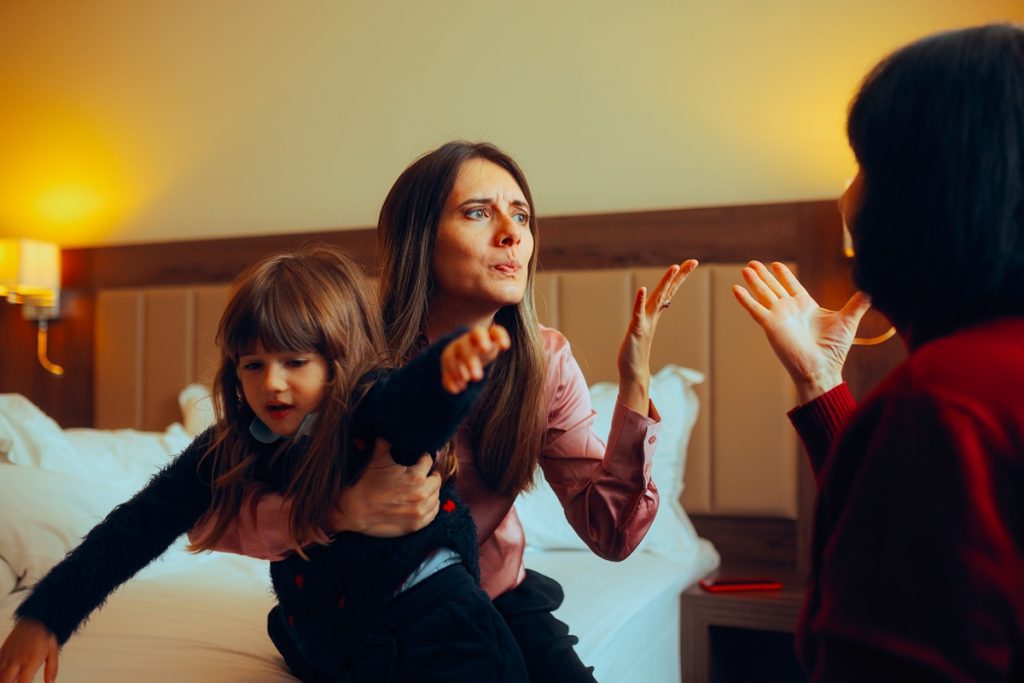
In long-term relationships, the day-to-day contributions can slowly become unnoticeable. You may cook frequently, schedule meetings, clean common areas, or provide emotional support without recognition.
Partners don’t need to be praised constantly for the things they are expected to do, but appreciation goes a long way to minimize resentment. A simple thank you lets someone know that you see the effort and work they put in.
8. They Share Personal Details Without Asking

Privacy is crucial even in a committed relationship. Your partner may also be casually sharing your money worries, arguments with family, health problems, or humiliating situations with others without thinking about whether you wanted that information shared.
They might think the info is harmless, yet boundaries are different for everyone. If they are repeatedly sharing intimate things when told not to, it can break trust.
9. They Make You Feel Guilty for Needing Personal Time

While spending time together is crucial, healthy partnerships also provide opportunity for individual hobbies and friendships.
A partner can subtly indicate disdain by grumbling about your need for an evening to yourself, visiting friends, or pursuing a hobby.
This may signify that they feel your need for personal space means you don’t care enough about the connection. Both spouses should be sensitive to each other’s emotional needs, but independence isn’t a sign of rejection.
10. They Apologize but Keep Repeating the Same Behavior

An apology can go a long way, but it loses its value when the same cruel behavior persists and nothing changes. Your partner can apologize for being late, making an inappropriate joke, or disregarding an essential request, only to repeat the behavior shortly thereafter.
Everyone makes mistakes, and it takes time to change behaviors. But real accountability is about work, not just saying the right things.

Born and raised in Bosnia and Herzegovina. Ever since I was a little girl, my imagination knew no bounds. I remember vividly how I’d scribble down short stories, each page bursting with adventures and characters conjured up from the whimsy of my mind. These stories weren’t just for me; they were my way of connecting with my friends, offering them a slice of my fantasy world during our playtimes. The joy and excitement on their faces as we dived into my fictional realms motivated me to keep writing. This early passion for storytelling naturally evolved into my pursuit of writing, turning a childhood hobby into a fulfilling career.