

When it comes to forgiveness, most of us are harsh with ourselves.
Though we don’t think twice before giving our loved ones a second chance, somehow our own mistakes always seem unforgivable.
If you’re on a journey of faith, trying to heal and move on from the past, the one thing holding you back might be your refusal to let go of past mistakes.
Here are 14 signs that you might be struggling to forgive yourself.
1. You Keep Overthinking Your Mistakes

You have done the thing, you opened your heart, faced your sins, and perhaps even confessed. So, why are you still stuck in the loop?
According to faith, you’ve been absolved. You took accountability and asked God to forgive you.
In your mind, however, the trial isn’t over.
You replay the event over and over again as though you’re trying to make yourself feel worse. You pick at the wound and analyze unnecessary details.
You might think that by torturing yourself, you’re showing God how regretful you are, but you’re only revealing that you don’t trust His word.
2. You’re Weighed Down by Shame

You feel so torn by your mistake that it’s come to define your whole character. There’s deep shame inside you, whispering that something is fundamentally wrong with you as a person.
This goes beyond your actions. It’s like a stain on your soul that can never be removed.
You might compare yourself to other people who appear good, while you see yourself as inherently bad.
The shame convinces you that you’re defined by your worst moments, and it’s wrong.
There’s not an adult in the world who hasn’t done something wrong, but that doesn’t mean we’re all unworthy.
The idea that you’re broken beyond repair is a huge sign that you’re refusing to forgive yourself.
3. You Avoid Prayer

Prayer is the most direct way for us to connect with God, but for you, it’s become a source of anxiety.
You avoid it because it terrifies you. Subconsciously, you might believe that if you try to come closer to God, you’ll get rejected because of your past sins.
You’re not only refusing forgiveness; you actively hide from it!
People who are weighed down by their mistakes need God’s grace the most, yet you run from it in fear that you don’t qualify for it.
You judge yourself harshly and project that same judgment onto God.
Running from prayer keeps you away from the healing you need.
4. You Can’t Take a Compliment

When someone says something nice about you, your immediate reaction is to deny it.
You might think that they wouldn’t be so kind if they knew what you did, but the truth is, they did things they’re not proud of, either.
Taking a compliment makes you feel like a fraud.
Accepting praise feels like accepting a reward you didn’t earn, or worse, like you’re deceiving the person complimenting you.
You refuse to believe good things about yourself because remembering your mistakes might make you feel even worse.
This is a clear sign that you need to forgive yourself and stop letting past mistakes define you. You deserve joy and validation, despite not being perfect.
5. You Settle for Wrong People
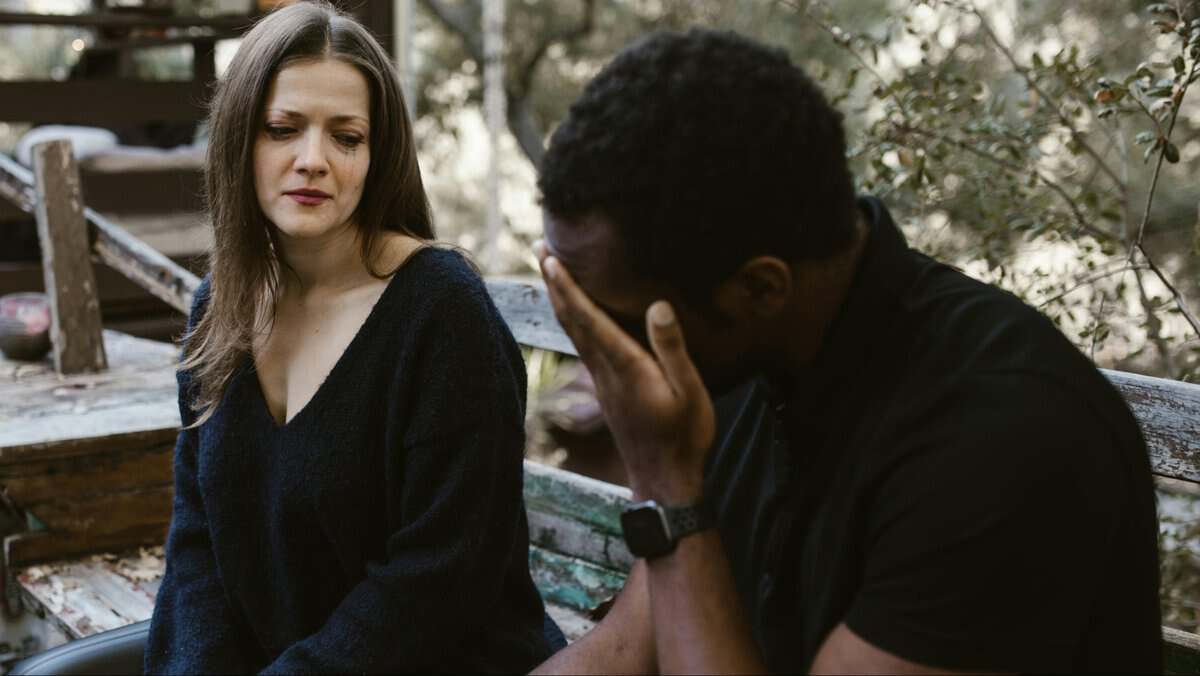
Your relationships say a lot about how you view yourself. You tend to settle for people who are unkind and toxic because, on some level, you think that’s what you deserve.
You settle for crumbs because you feel that anything better is far more than you deserve. And why? Because you did something wrong in the past?
People who struggle to forgive themselves actually feel uncomfortable when others treat them well.
Receiving kindness doesn’t align with how they view themselves.
Essentially, you choose partners who affirm the bad opinion you have of yourself.
6. You Distance Yourself from Your Support Systems

The guilt forces you to isolate yourself. You start avoiding family and friends who want to help you.
Because you can’t forgive yourself, you’re afraid of letting them too close. You feel like a burden, or like they’ll be disappointed when they learn about your mistakes.
Isolation is dangerous because it gives your shape more room to grow. You stay too much in your own head and blow things out of proportion.
When you push away your support systems and stay alone, it’s easier to believe the worst about yourself.
You’re in desperate need of love and fresh perspective, but instead of reaching them, you push them away.
7. You’re Very Critical of Others

Over time, you might become harsh on the people around you, especially those who struggle with the same sins as you.
Ironically, when you see someone making the same mistakes you made, you don’t react with empathy but with judgment.
Their mistakes trigger your guilt; it’s like they’re a mirror you never wanted to look into.
You might try to deflect by painting them as worse than you.
Having someone to criticize might provide short-term relief, because you don’t have to look at your own shortcomings as much.
You’re denying them the mercy as you deny it to yourself.
You can’t be expected to forgive someone else’s mistakes when you can’t even make peace with your own.
8. You Self-Sabotage

Just when things start to go well in your life, you choose to mess it up. You might get a great job opportunity, and subconsciously, you’ll start acting out and ruining it for yourself.
It’s the same with private relationships. You might engage in behaviors that you know will push the other person away.
This self-sabotage is another way for you to deny yourself happiness and forgiveness.
You are so used to feeling bad that peace and joy start to feel foreign.
Suffering isn’t the only way to show remorse. Life has to go on, even as you work on forgiving yourself.
9. You Feel Physically Distressed About Your Mistakes

Simply thinking about your past mistakes makes you spiral. Some people experience actual panic attacks.
The bad memories and guilt consume you so much that you’re unable to function properly.
This is a clear sign that you haven’t healed, and you’re far from being able to forgive yourself.
While it’s normal to feel bad about past mistakes, it shouldn’t paralyze us. You might still be reliving the trauma of it as though it’s happening right now.
You need help processing these memories.
A fresh perspective is necessary, and you can’t get it by yourself.
10. You Misunderstand Forgiveness

This one might be at the core of everything: You don’t have a clear idea about what forgiveness actually is.
You think that you’ll experience some epiphany and never feel bad about yourself again. That’s clearly not how it works.
Our feelings are fickle, and from time to time, you might experience waves of guilt about mistakes you thought you had overcome.
Just because you still feel sad doesn’t mean the person you wronged didn’t accept your apology.
Forgiveness isn’t a feeling; it’s a decision.
11. You Keep Repeating the Same Mistakes

A refusal to forgive yourself might also look like a refusal to stop sinning.
It’s the cycle of taking accountability, being absolved, and making the exact same mistake again. Whether it comes from God or other people, you don’t take their forgiveness as real enough.
You might believe that one more sin won’t make any difference, since you’re already “doomed.”
You’re trying to prove to yourself that you’re beyond saving; you’re giving up.
This cycle can be broken once you accept your absolution as real.
12. You Doubt Absolution
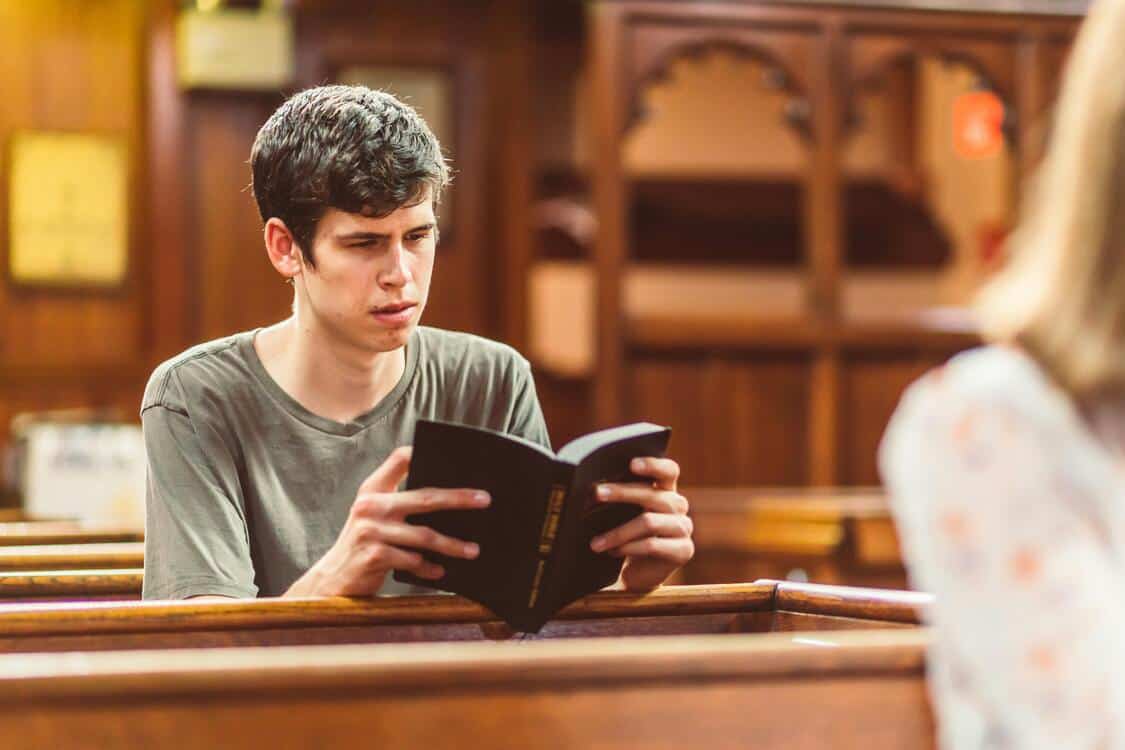
You keep analyzing your repentance like it’s a complicated set of actions. You overthink your exact words and try to measure your guilt.
You’re actively looking for reasons to believe you’re not truly absolved.
But it’s all so much simpler than you make it out to be. You feel truly bad, you reach out, take accountability, and ask for forgiveness.
That’s it. Your life won’t change, and you can’t expect to become reborn overnight, but grace was given to you.
Remember that God knows your heart better than you do. By questioning the validity of your absolution, you’re questioning Him.
13. You Avoid Church

The church is a house of healing, where you go with the intention to feel closer to God. However, if you refuse to forgive yourself, the house of God might feel like a courtroom.
So, you avoid attending church and taking part in parish activities because of your shame.
You hold on to this misconception that everyone else there is holy and perfect, but they’re far from it.
They’re a community of people who all struggle with their own mistakes, and being around them is the best thing you can do.
By staying away, you deprive yourself of connection with fellow believers.
14. You Use the Past as an Excuse

This is the worst part of failing to forgive yourself. You give up on trying to do better and use past mistakes as an excuse to keep sinning.
You have convinced yourself that God has rejected you while you actively reject Him.
You have decided that you’re a lost cause, so you might as well act like it.
There is no point where God stops loving you.
Your past only dictates your future if you let it.
It’s never too late to turn back and accept His forgiveness, no matter how long you’ve been running.

A little Aquarius, devoted to writing and embroidery. Through my writing, I hope to empower readers to align with their true selves and navigate life’s mysteries with confidence.