
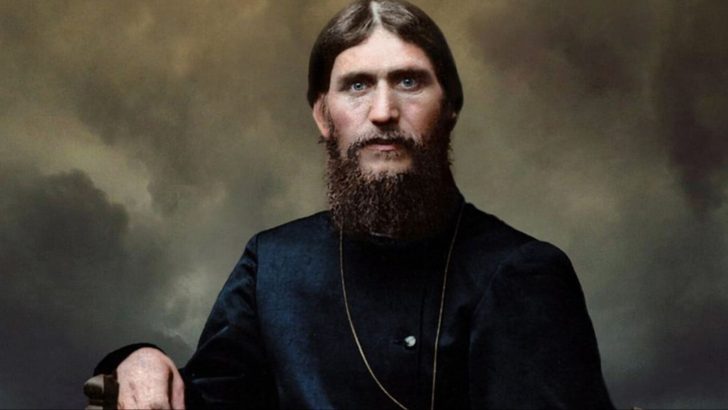
For over a century, the name Grigori Rasputin has been synonymous with madness and debauchery. He became the face of the Russian Empire’s decay.
We’ve grown up seeing him depicted as the mad monk who hypnotized the Tsar and seduced the Tsarina.
But it turns out that much of his dark reputation was not the result of reality, but a carefully crafted political operation.
Recent research, particularly books like A Life for the Tsar, suggests that the stories were fabricated to destroy the influence of a man who was a friend of the royal family.
Let’s explore who Grigori Rasputin truly was under the layers of slander.
1. Between a Saint and a Madman
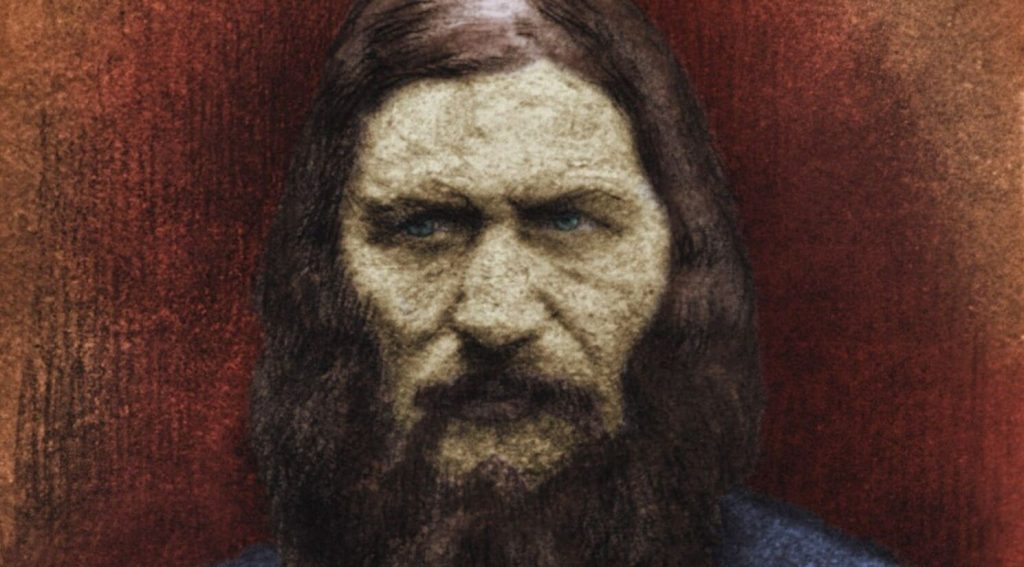
Recently, the idea that Rasputin was a disheveled lunatic is seen as a Hollywood invention rather than the objective truth.
More and more people recognize him as the representative of the Russian peasantry at the court.
Besides, long before he even set foot in the capital, he was already respected as a spiritual elder.
It’s known that Tsar Nicholai and the Tsarina welcomed him into the court in hopes that he would cure their son, but it’s suggested that his influence on the imperial family goes beyond that.
Your mind might have gone straight to the occult, but it’s actually believed that Rasputin had a strong spiritual presence at the court, as an Orthodox Christian monk.
It’s assumed that the Russian aristocracy first started to slander him because he was “of the people” and not a noble.
They felt threatened because he became a direct link between the throne and the ordinary people of Russia.
2. The Medical Miracle
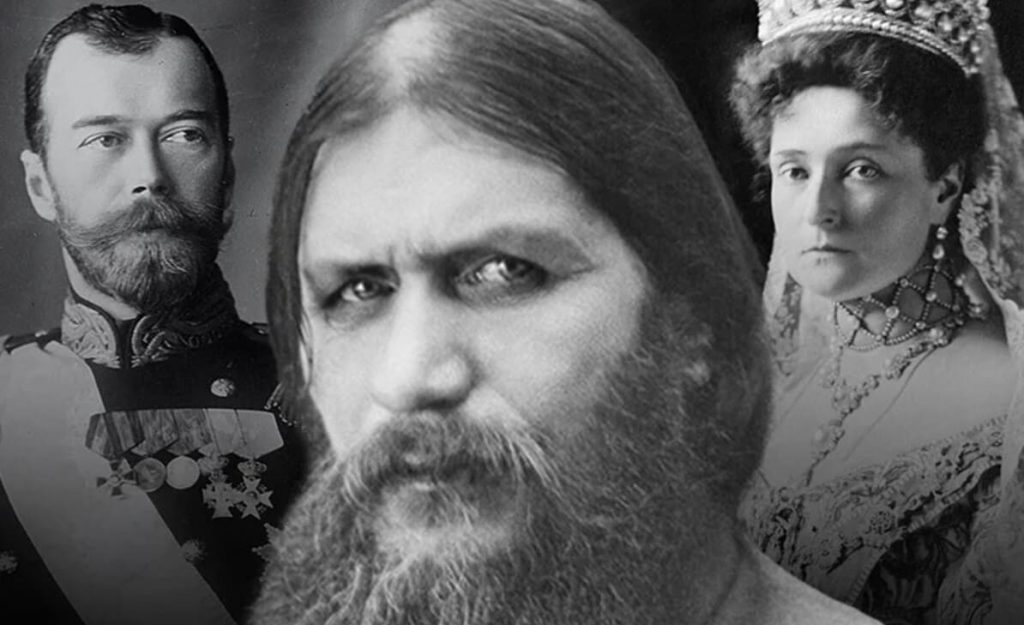
If you’ve had any interest in the Romanov family, then you might know that little Alexei Romanov, the youngest child and the only son in the family, suffered from hemophilia.
The illness was inherited from his mother’s side, and the doctors at the time could do very little to help.
Grigori Rasputin would stay with the boy and pray for him, and soon, his presence became the only thing that could calm Alexei down.
To the desperate parents, he became the only hope. The usual narrative pinpoints this as the time when he gained control over the royal family.
However, some people also believe that court nobility created this narrative out of jealousy.
Allegedly, they couldn’t stomach the fact that a peasant monk had this unique ability to heal the young heir and impress the royal family.
That’s where the stories of hypnosis and evil spells first started.
3. The Fake Scandals?
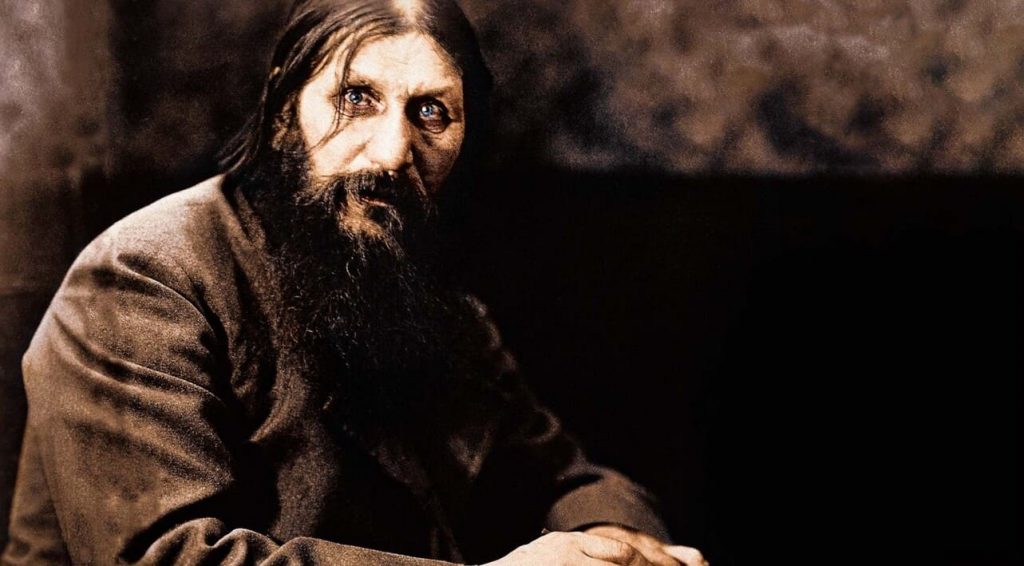
We’ve all heard rumors about Rasputin’s insatiable lust. However, these accusations are taken with a grain of salt in recent times.
They’re seen as the main weapons of the slander campaign against him.
The secret police monitored Rasputin around the clock, yet their authentic reports don’t contain much of the juicy details that could be found in the newspapers.
Of course, it’s also suggested that the Tsarina suppressed negative reports to keep his scandals under the radar.
The available information is very contradictory, but the fact remains that the actual police reports are either vague or without much scandalous content.
Now, some also claim that his opponents actually hired impostors who behaved indecently in an attempt to ruin his reputation.
This sounds very far-fetched, and personally, I don’t buy it. But I also don’t buy that he was the devil on earth, who singlehandedly ruined the imperial family.
4. A Voice for Peace
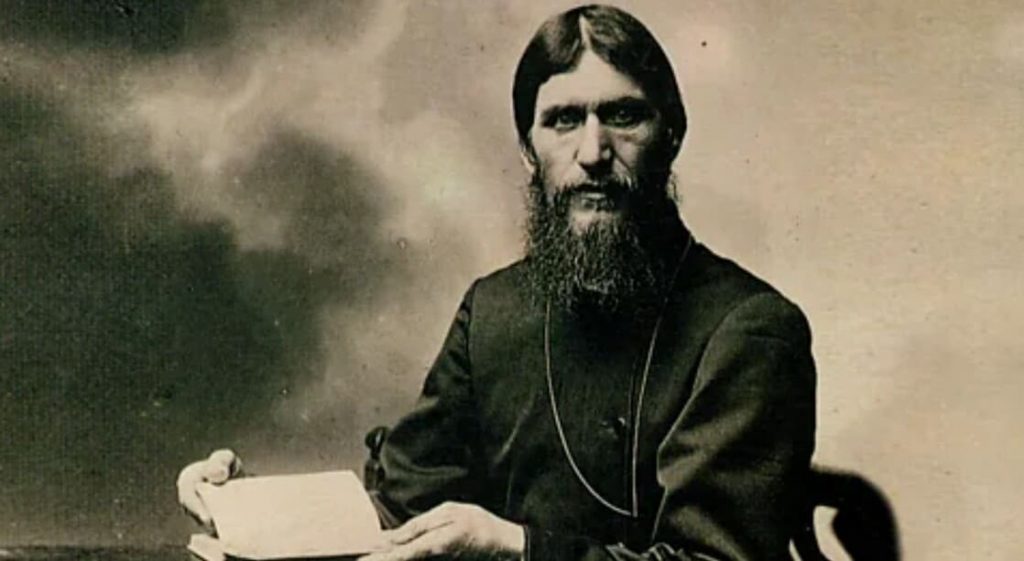
One of the biggest untruths was that Rasputin pulled Russia into chaos, when the truth was the very opposite.
He was targeted because he was passionately against Russia’s entering World War I.
He foresaw with terrifying clarity that the conflict would ruin the ordinary people and ultimately destroy the Empire.
His closeness to Tsar Nicholai allowed him to be a rare voice for peace in the court filled with warmongers.
It’s believed that this also made him a dangerous enemy to war profiteers and foreign interests.
So, his desire to keep Russia out of the war is suggested as another reason behind all the propaganda and slander against him.
5. The Demon Monk Theory
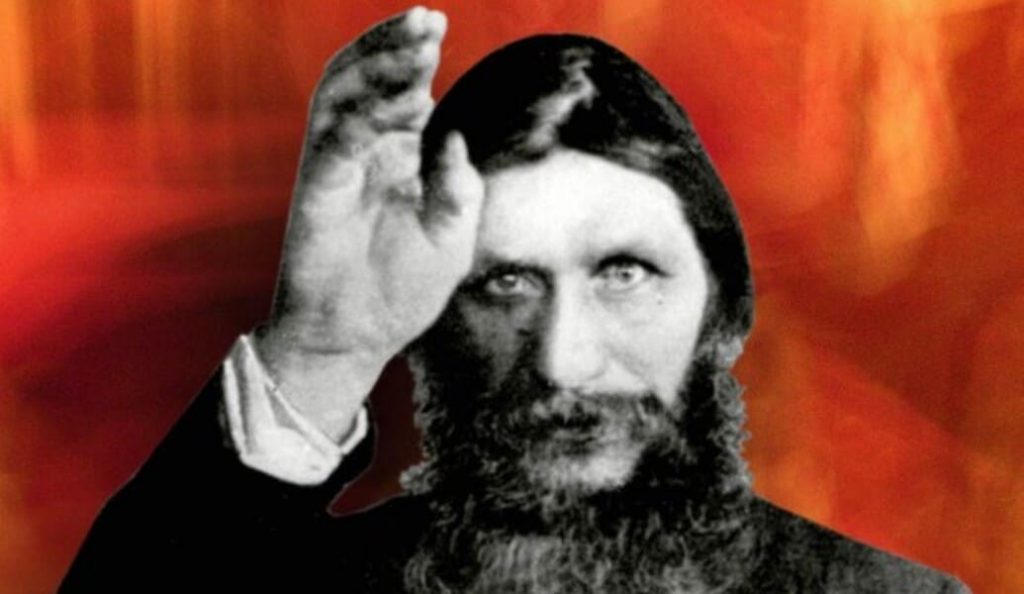
Perhaps the most fascinating conspiracy theory against Rasputin was that he was a demonic entity wanting to possess Empress Alexandra.
This one is also credited to the elite who felt threatened by his influence.
It’s said that it was they who portrayed her as a weak woman under the spell of the crazy mystic. Modern voices also characterize this theory as sexist.
All of this is thought to be a ploy of the aristocrats so they could justify a coup. They needed a villain to blame, as Rasputin was the perfect target.
By painting him as a demon, they could claim they were saving Russia from evil.
6. Rasputin’s Invincibility
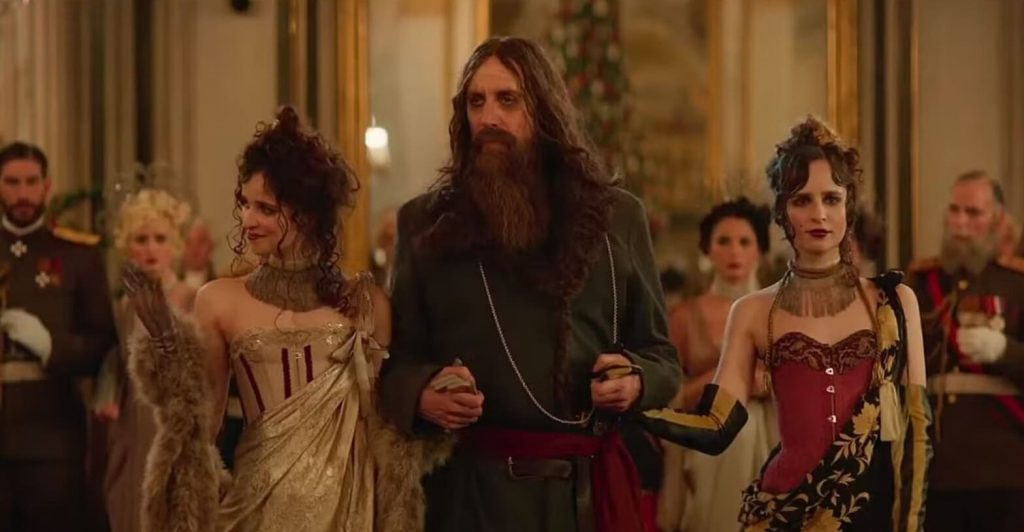
Another fun fabrication was that Rasputin was nearly impossible to kill.
The Kingsman (2021) pays homage to this theory in the fight scene where he is stabbed, drowned, and then finally shot before he dies.
While his assassination was indeed brutal and prolonged, it wasn’t due to his invincibility but the murderers’ incompetence and panic.
Their goal was to make the assassination look like a struggle against a monster. Instead, it was a murder committed by a group of terrified nobles.
This myth only served to dehumanize him further, making it easier for the public to accept his execution without questioning the motives and methods.
7. The Tragic Prophecy
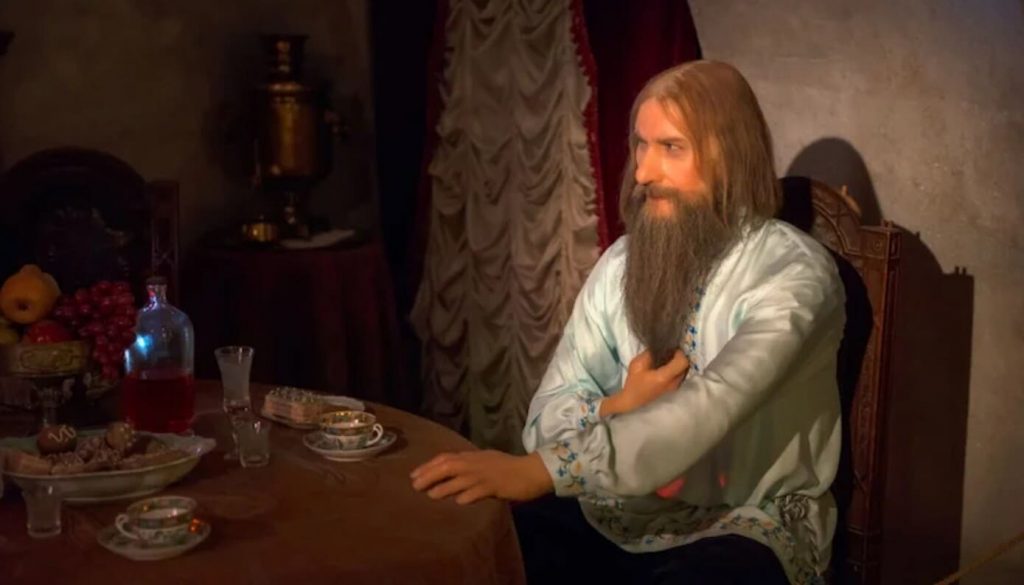
Rasputin’s death was the tipping point for the nation.
In the weeks before he died, he wrote a chilling letter to the Tsar predicting that if he was killed by the nobles, the entire Romanov family would be killed by the Russian people.
His martyrdom marked the beginning of theirs.
Only two months after his death, the February Revolution began, leading to the total collapse of the dynasty.
It’s eerie how prophetic his words were. And the people who thought they were saving Russia by killing him only sped up its destruction.
8. Justice for the Scapegoat
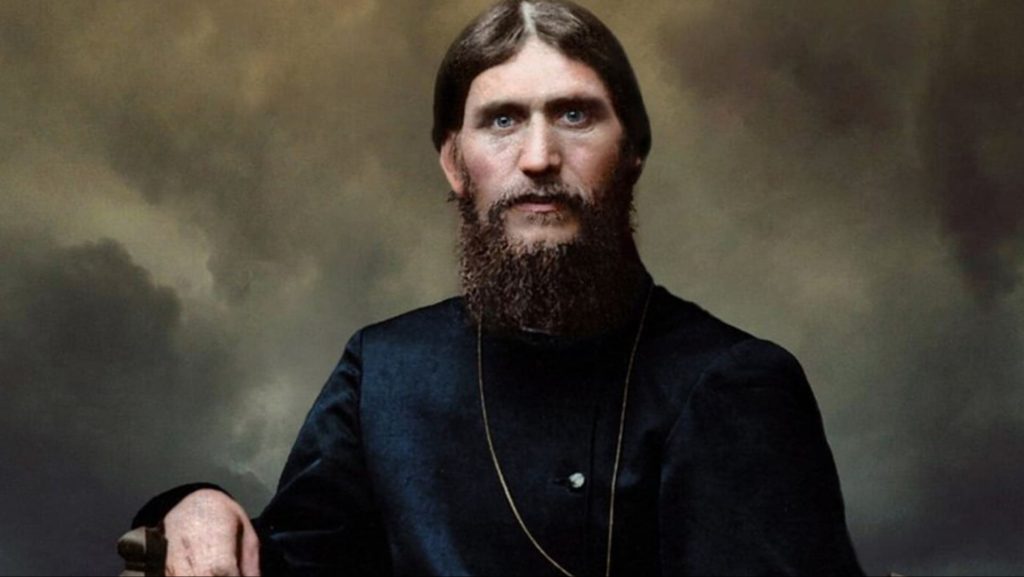
The villainization of Grigori Rasputin goes far, but so do the people who seek to improve his reputation.
In their search for the truth, they go to the other extreme, in which he was a completely innocent, humble monk; a picture-perfect Christian.
It’s hard to separate fact from fiction when it comes to his life, but he was definitely a convenient scapegoat for the problems the Empire was facing.
He was a complex and flawed man, but ultimately, it seems like he was trying to serve God and his country in the only way he knew how.

A little Aquarius, devoted to writing and embroidery. Through my writing, I hope to empower readers to align with their true selves and navigate life’s mysteries with confidence.