
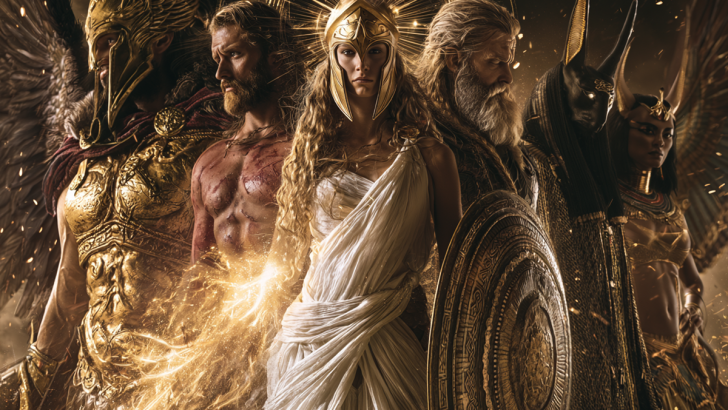
War has been a recurring part of human history, so it should probably come as no surprise that ancient cultures imagined divine beings who ruled over battle, victory, courage, strategy, and destruction. These gods and goddesses weren’t simply celestial versions of soldiers. Many represented the complicated nature of warfare itself: the glory of victory, the chaos of battle, the courage required to fight, and the devastating consequences that followed.
Interestingly, different cultures had very different ideas about what made a great war deity. Some celebrated brute strength, while others valued strategy and discipline. Some gods were terrifying embodiments of destruction, while others were surprisingly protective figures who helped warriors return home alive. And yes, some mythology comes with enough divine family drama to make a modern reality show look like a peaceful afternoon.
Here are some of the most powerful and fascinating gods and goddesses of war from mythologies around the world.
1. Ares – Greek God of War
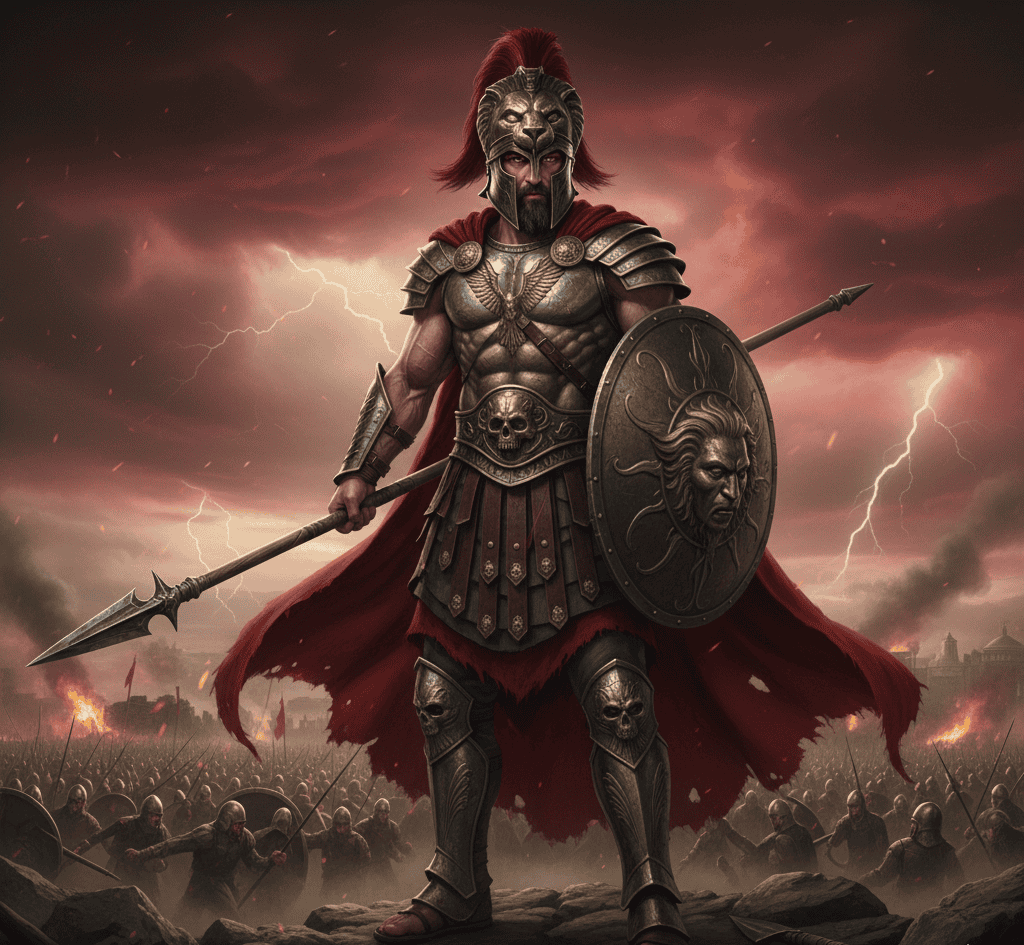
Few ancient gods have a reputation quite as recognizable as Ares. In Greek mythology, Ares represented the violent and chaotic aspects of warfare. He was associated with bloodshed, brutality, rage, and the uncontrollable fury that could erupt during battle. If warfare had a particularly bad day, Ares was probably somewhere nearby enjoying himself.
Ares was the son of Zeus and Hera, making him part of the central Olympian family. Despite his divine status, he wasn’t always portrayed as especially respected by the other gods. Even his father, Zeus, is described in myth as having little affection for him.
Interestingly, Greek attitudes toward Ares were complicated. The Greeks valued military courage, but they did not necessarily admire reckless violence. Ares represented the uglier side of war—the chaos that exists when discipline disappears. His counterpart Athena represented strategy and intelligent warfare, making their differences particularly significant.
Ares was powerful, but mythology often suggests that raw aggression alone isn’t enough to win a war. Apparently, even the ancient Greeks understood that charging around screaming isn’t technically a battle plan.
2. Athena – Greek Goddess of Strategic Warfare
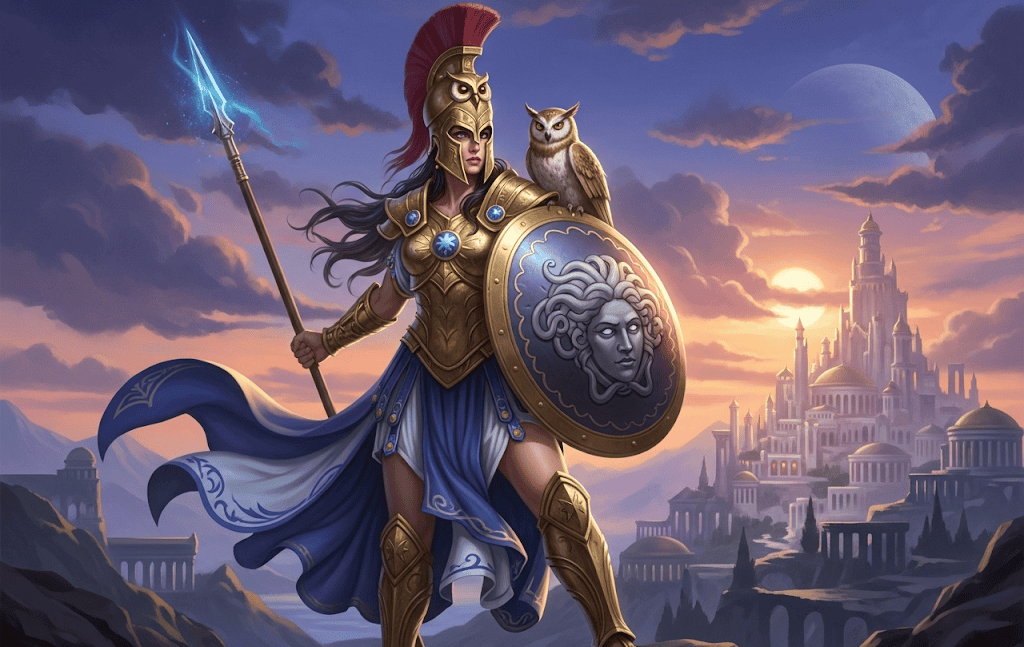
Athena was also associated with warfare, but her approach was considerably more sophisticated than Ares’s. While Ares represented violence and bloodlust, Athena represented strategic warfare, military intelligence, planning, discipline, and tactical skill.
Born in an extraordinarily dramatic fashion from the head of Zeus, Athena became one of the most important Olympian deities. She was associated not only with war but also wisdom, crafts, justice, and civilization. Her connection with warfare reflected the idea that victory required more than physical strength.
Athena frequently helped heroes in Greek mythology, including Odysseus, whom she favored for his intelligence and cleverness. She could guide warriors toward victory by helping them make better decisions rather than simply handing them supernatural weapons.
Her power is especially interesting because it reflects a broader ancient belief: the smartest warrior could defeat the strongest one. Athena was essentially mythology’s reminder that having a plan is useful.
Ares might have been the god you wanted beside you when things got violent. Athena was the goddess you wanted beside you before things got violent, when someone needed to figure out what on Earth everyone was supposed to do.
3. Mars – Roman God of War
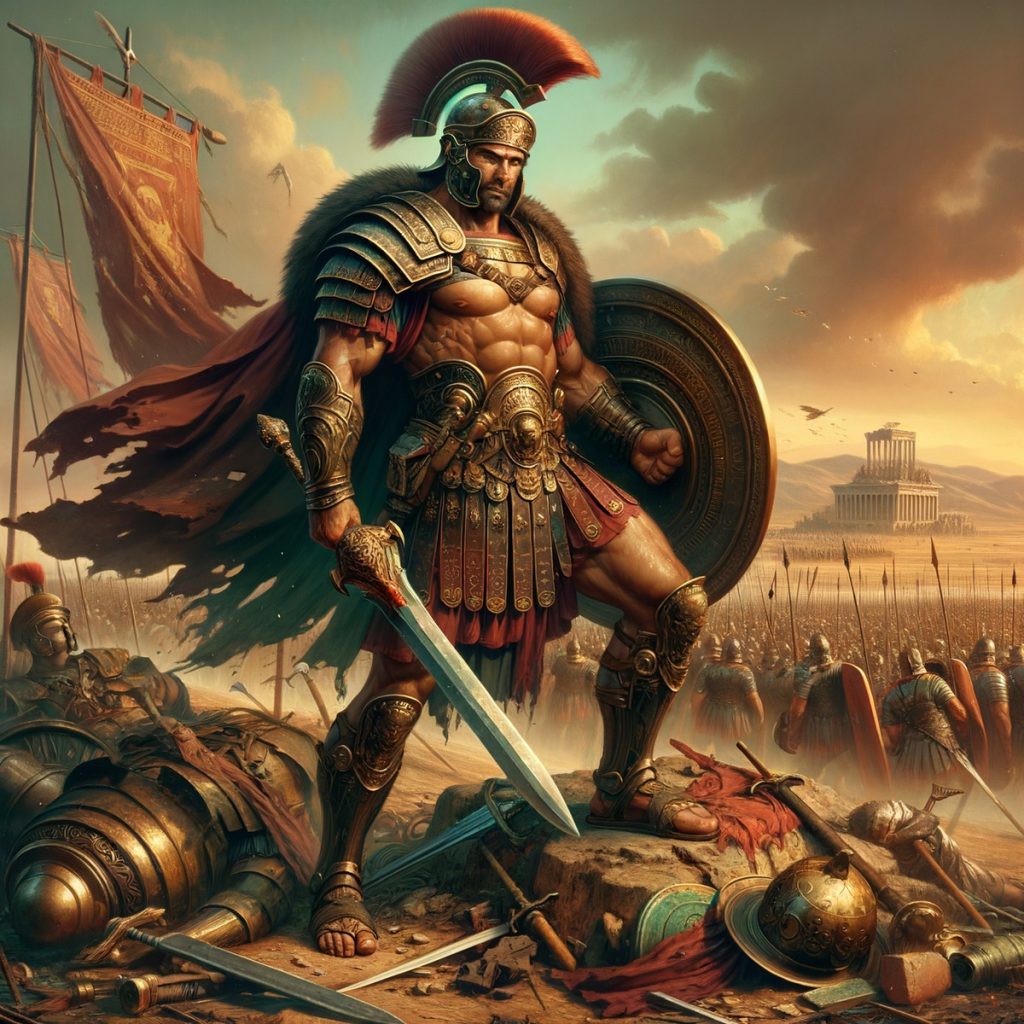
Mars was one of the most important gods in Roman religion and was associated strongly with warfare, military power, agriculture, and the protection of Rome. Although he was broadly identified with the Greek Ares, Mars had a considerably more prestigious role in Roman culture.
For the Romans, warfare wasn’t simply chaotic destruction. Military strength was deeply connected with the expansion and security of the state. Mars therefore represented a more disciplined and socially respected form of warfare.
Mars was considered the father of Romulus and Remus in Roman tradition, the legendary founders of Rome. This connection made him particularly important to Roman identity. He wasn’t merely a god who liked battles; he was woven into the mythological story of how Rome itself came into existence.
Roman soldiers honored Mars through rituals and festivals, asking for his protection and favor. His importance demonstrates just how closely Roman society connected military success with divine approval.
Compared with Ares, Mars feels less like “I enjoy fighting” and more like “We have established a military strategy, completed the paperwork, and now it is time to conquer.”
4. Tyr – Norse God of War and Courage
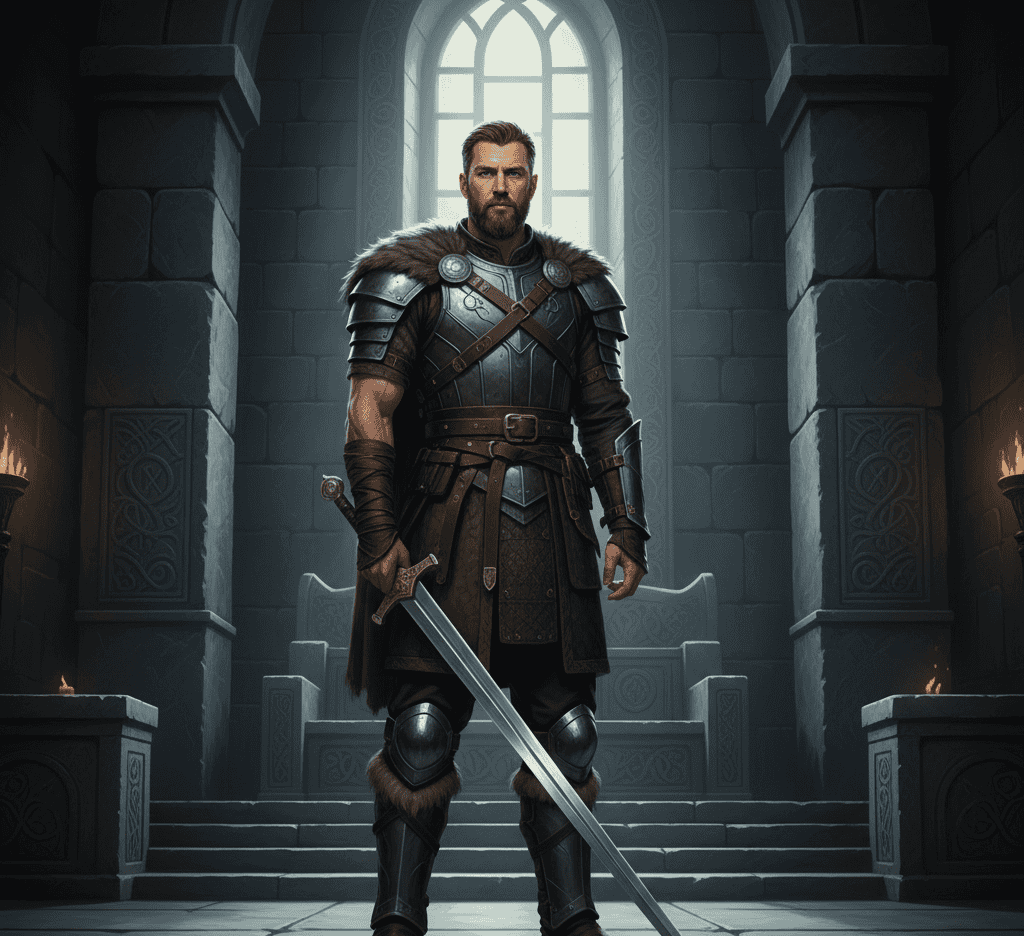
Tyr is one of the most fascinating figures in Norse mythology because his association with war is strongly connected to courage, honor, law, and sacrifice. He was considered a brave and respected deity, and one of his most famous stories involves the monstrous wolf Fenrir.
The gods needed to restrain Fenrir because they feared the destruction he would eventually cause. Fenrir agreed to be bound only if one of the gods placed a hand in his mouth as a guarantee that the gods would release him. Tyr volunteered.
The gods then used a magical binding that Fenrir could not escape. Realizing he had been tricked, Fenrir bit down and severed Tyr’s hand.
That story says a lot about Tyr. His strength wasn’t simply physical. He was willing to sacrifice himself for the greater good. His missing hand became a symbol of courage and the consequences of keeping order in a dangerous world.
Tyr may not have the flashy reputation of some other war gods, but his willingness to sacrifice himself makes him one of the most heroic figures associated with warfare.
5. Odin – Norse God of War, Wisdom, and Death
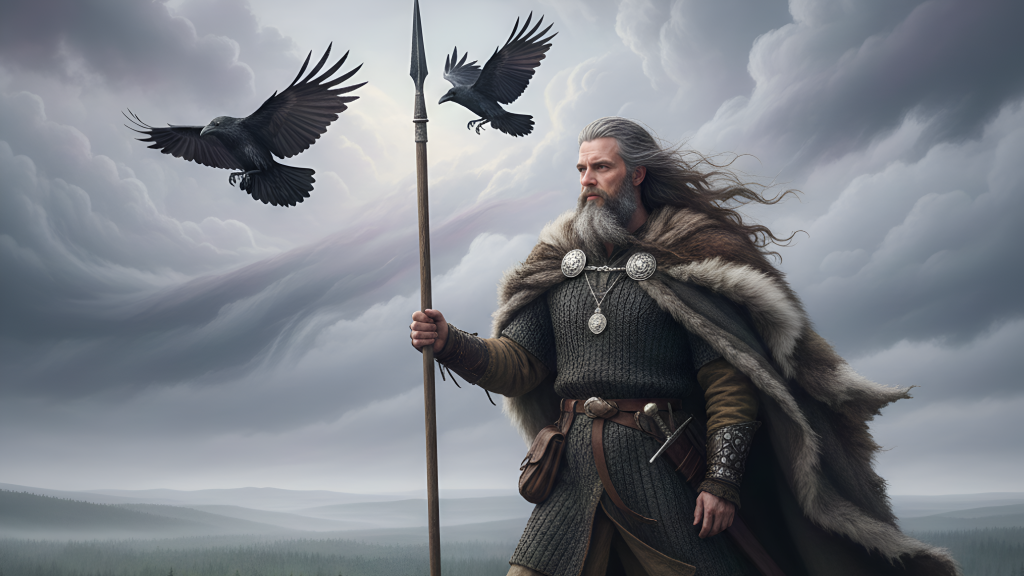
Odin is difficult to categorize because he wasn’t exclusively a war god. He was also associated with wisdom, magic, poetry, kingship, prophecy, and death. Basically, Odin looked at the divine job market and decided one position wasn’t enough.
Yet warfare was an important part of his mythology. Odin was associated with warriors who died in battle and with the selection of the slain. Those chosen warriors were believed to be taken to Valhalla, where they would prepare for the events of Ragnarök.
Odin’s relationship with warfare was therefore deeply connected to fate and death. He wasn’t simply the deity of winning battles. He represented the larger forces surrounding heroic death and the destiny of warriors.
His pursuit of knowledge was also central to his power. Odin famously sacrificed an eye in exchange for wisdom and endured extraordinary trials to gain magical knowledge.
That combination of intelligence, magic, and warfare makes Odin particularly formidable. He isn’t the god you want to challenge in a fight, a chess game, or an obscure trivia competition. Frankly, the man has prepared for all three.
6. Sekhmet – Egyptian Goddess of War and Destruction
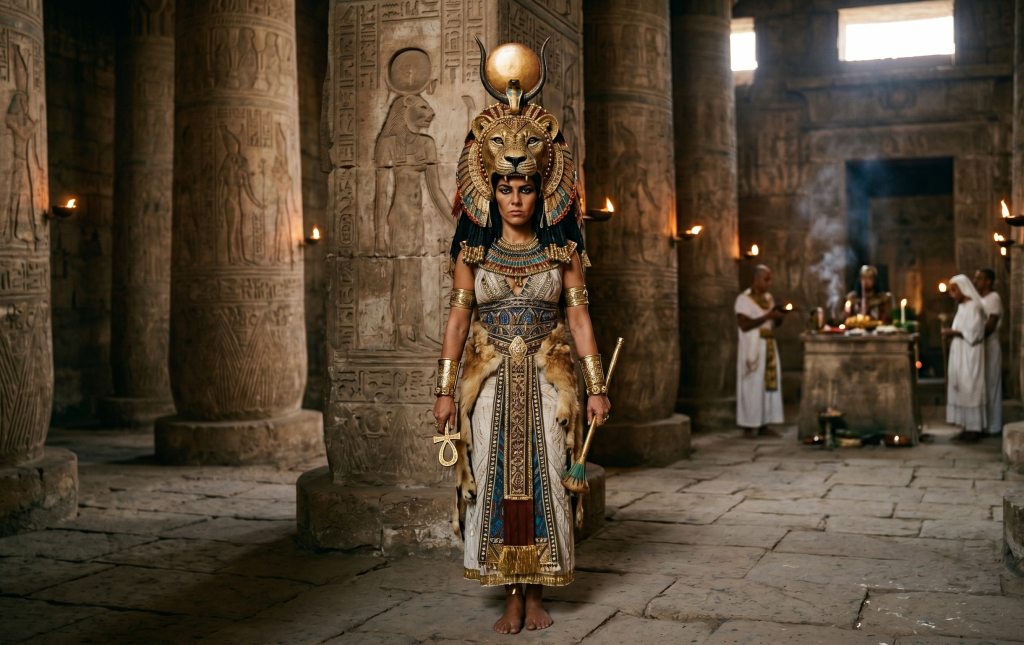
Sekhmet is one of the most fearsome deities in ancient Egyptian mythology. Depicted as a lioness-headed goddess, she was associated with war, destruction, disease, healing, and divine power.
Her name is often translated as “the Powerful One,” which is an appropriately understated title for a goddess capable of terrifying entire populations.
One famous Egyptian myth tells of Sekhmet being sent by Ra to punish humanity. Her bloodlust became so intense that Ra eventually needed to trick her into stopping. According to the story, red-colored beer was used to resemble blood. Sekhmet drank it, became intoxicated, and stopped her rampage.
The story captures an important aspect of Sekhmet’s character: destruction and healing could exist within the same divine figure. She could bring disease and death, but she was also associated with protection and healing.
Sekhmet’s mythology reflects the frightening unpredictability of war. She wasn’t simply a warrior goddess marching into battle. She represented a force of destruction that could become difficult even for the gods to control.
7. Durga – Hindu Warrior Goddess
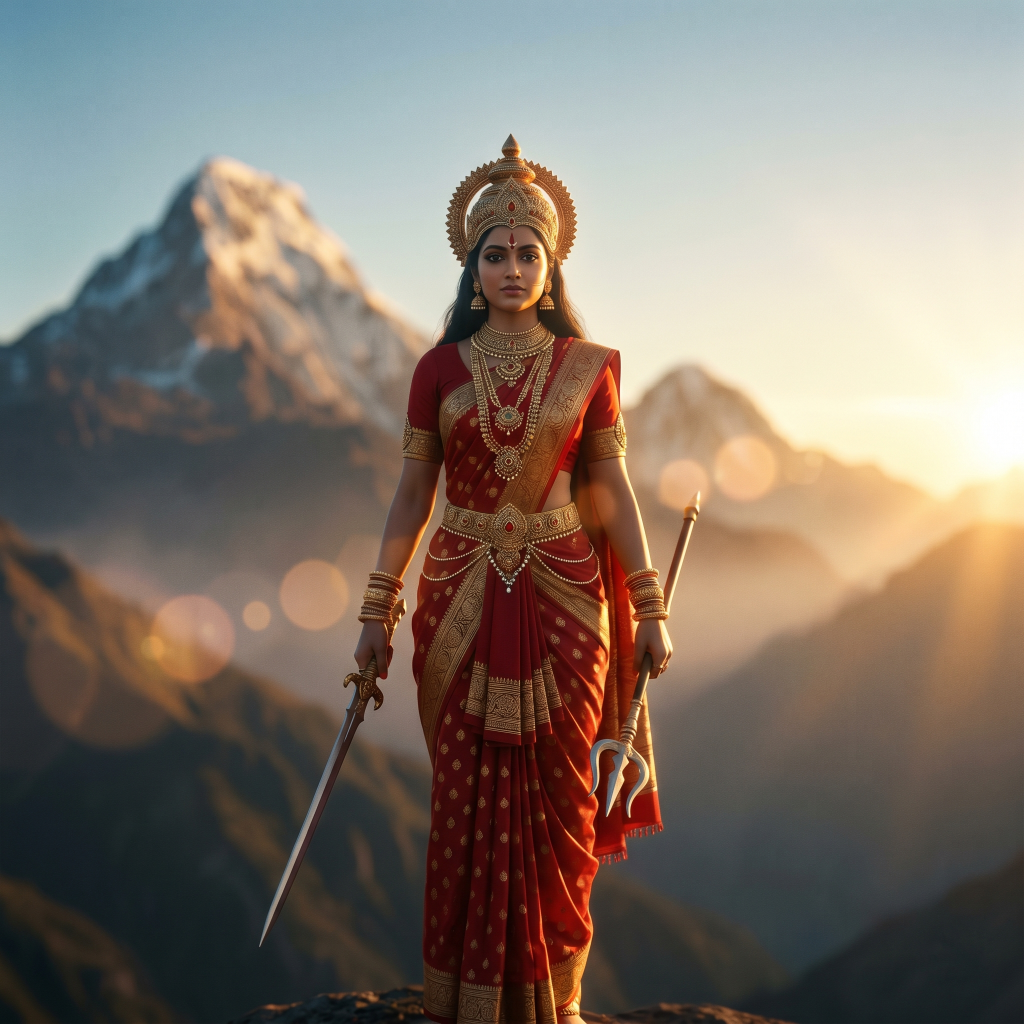
Durga is one of the most powerful warrior figures in Hindu traditions and is especially celebrated as a protector who defeats forces threatening cosmic and moral order. She is commonly depicted riding a lion or tiger and carrying multiple weapons, often shown with numerous arms.
Her most famous battle is against the buffalo demon Mahishasura, who had become so powerful that the gods were unable to defeat him. Durga was created through the combined divine energies of the gods and ultimately defeated him.
Her story represents the triumph of good over destructive forces and the restoration of balance. Unlike portrayals of war that focus purely on conquest, Durga’s martial power is connected to protection and justice.
Her many arms are particularly symbolic. They allow her to wield different weapons simultaneously, which is impressive enough without considering how difficult it must be to coordinate all those elbows.
Durga’s warrior identity also challenges the assumption that power and femininity are opposites. She embodies compassion and protection while remaining an extraordinarily formidable warrior. Her strength is not presented as a contradiction to her divine femininity but as an essential part of it.
8. Kartikeya – Hindu God of War
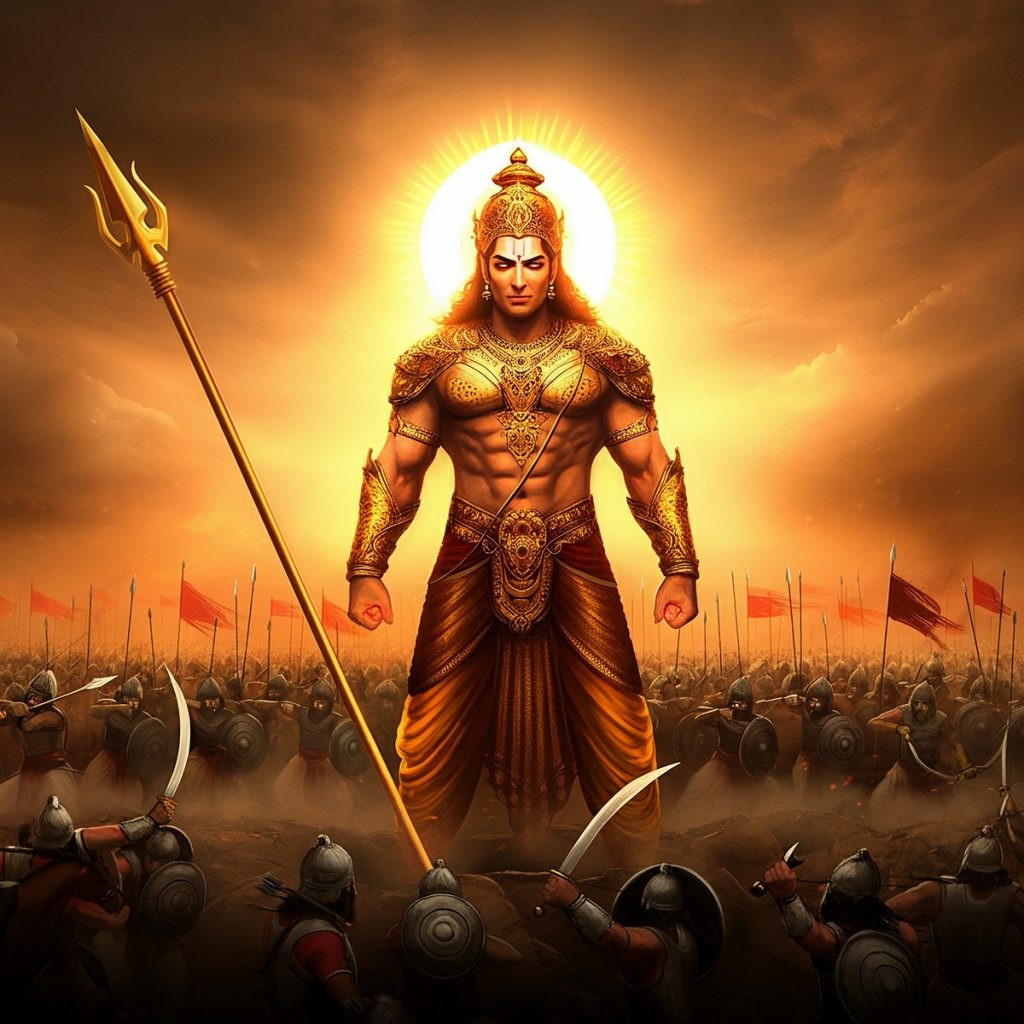
Kartikeya, also known by names including Skanda and Murugan, is a major Hindu deity associated with war, victory, courage, and leadership. He is particularly prominent in South Indian traditions and is often depicted as a youthful warrior riding a peacock.
According to various traditions, Kartikeya was born to defeat powerful demonic forces threatening the gods. He eventually became the commander of the divine armies, making him the mythological equivalent of being promoted directly to general because apparently everyone agreed you were overqualified for the entry-level position.
Kartikeya’s weapon is the spear or lance known as the Vel, which is strongly associated with his ability to overcome evil. His peacock mount is also significant and is sometimes shown defeating or trampling a serpent, representing the triumph of divine power over destructive forces.
His stories emphasize courage, military leadership, discipline, and victory. Unlike gods who represent the chaos of battle, Kartikeya is often portrayed as a focused commander with a specific purpose.
9. Guan Yu – Chinese God of War
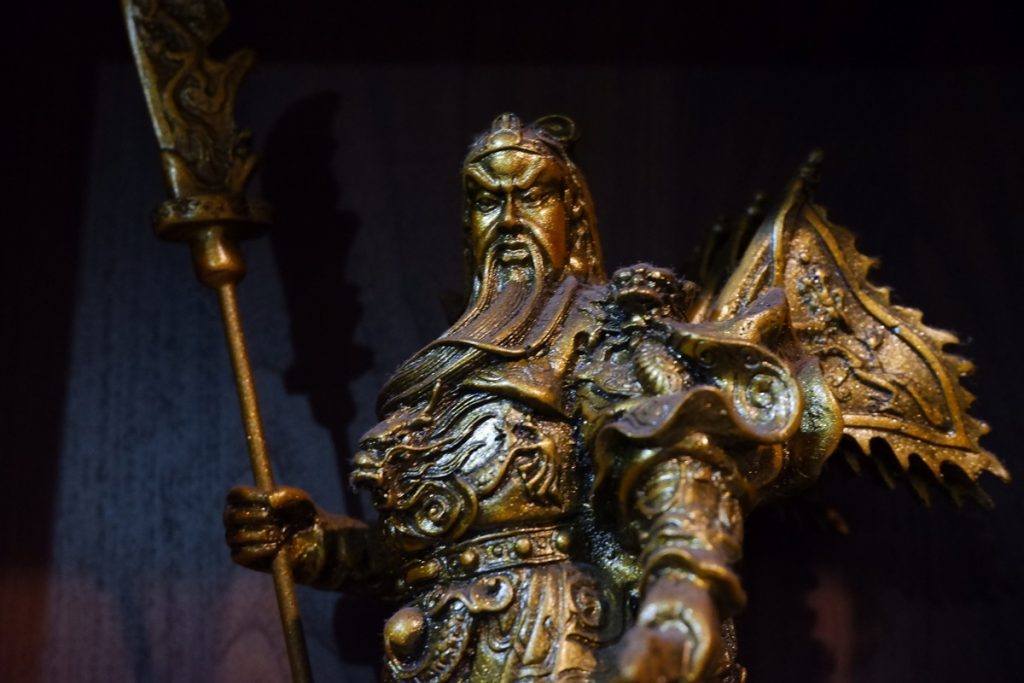
Guan Yu is an unusual but fascinating figure because he was originally a historical person rather than a purely mythological deity. A military general during China’s Three Kingdoms period, Guan Yu eventually became revered and deified, particularly as a symbol of loyalty, righteousness, courage, and martial virtue.
He became an important figure in Chinese folk religion, Taoist traditions, and popular culture. Statues of Guan Yu often portray him with a long beard, red face, and his famous weapon, the Green Dragon Crescent Blade.
Unlike some war gods whose identities center almost entirely on destruction, Guan Yu became associated with moral character. His legendary loyalty to his sworn brothers and his reputation for courage contributed heavily to his divine status.
His story demonstrates how humans can become divine figures when their lives and legends embody cultural ideals.
In other words, Guan Yu’s superpower wasn’t just being good at fighting. It was being the kind of person people believed deserved respect even when nobody was keeping score.
10. What These War Deities Tell Us About Ancient Cultures
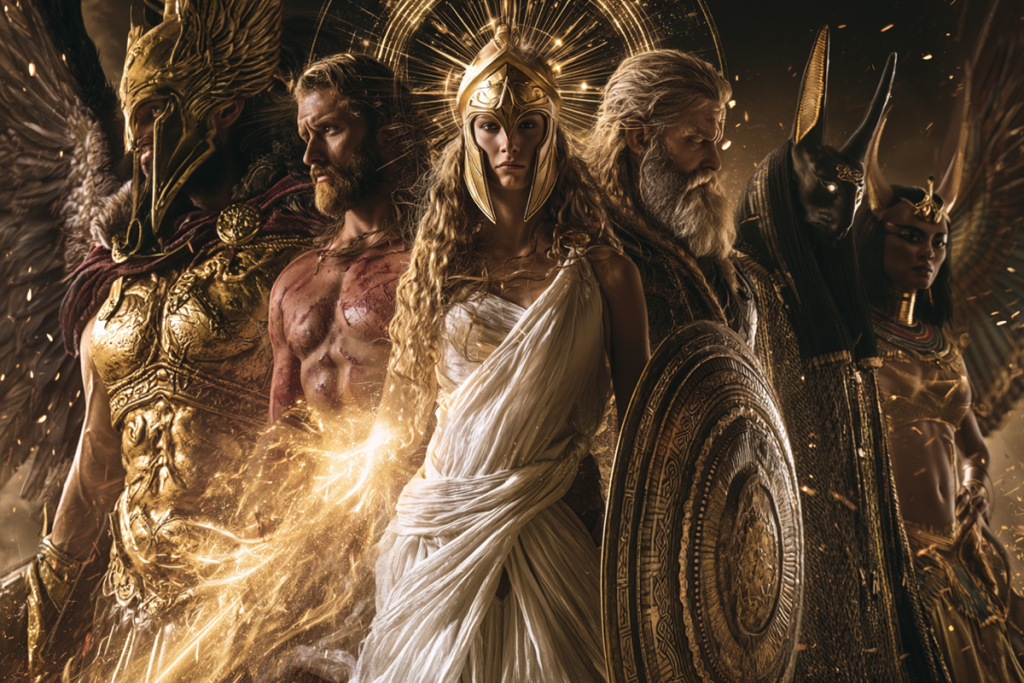
The fascinating thing about war gods is that they reveal what different cultures believed about conflict itself. Ares represents uncontrolled violence. Athena represents strategy and intelligence. Mars represents military power and the state. Tyr embodies sacrifice and courage. Odin connects warfare with fate and heroic death. Sekhmet represents destruction that can become uncontrollable, while Durga and Kartikeya emphasize protection and the defeat of evil.
These figures show that ancient people rarely viewed war as a simple matter of fighting. It could represent courage, chaos, justice, sacrifice, political power, cosmic balance, survival, or destruction.
And perhaps that is why war deities remain so fascinating today. They aren’t really just about battles. They reflect humanity’s complicated relationship with power itself—the desire to protect what matters, the temptation to dominate others, and the eternal hope that somehow, despite everything, someone has a plan.
Preferably Athena’s plan. Not Ares’s.

Lover of good music, reading, astrology and making memories with friends and spreading positive vibes! 🎶✨I aim to inspire others to find meaning and purpose through a deeper understanding of the universe’s energies.