
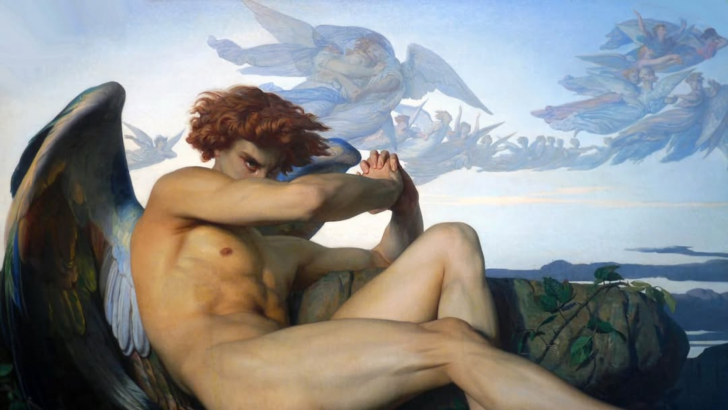
Lucifer is a famous figure in religious history. He is often referred to as a fallen angel and God’s greatest enemy. His presence in various forms of expression, art, literature, and popular culture has been well-documented over the years.
Scholars disagree, however, as to the cultural origins and development of the character we know today.
Changes in the meaning of certain words when translated from one language to another were paralleled by the addition of more layers of meanings by subsequent writers.
In short, we explore the influence of language on one of the most famous religious characters in history.
1. Lucifer Was Originally A Latin Word
Many people commonly think of Lucifer as his own personal name; however, it was originally a Latin term meaning “light bringer” or “morning star.”
In ancient Rome, this term was used to describe the planet Venus when it rose above the horizon at dawn, and not inevitably as an evil being.
This word became well known in relation to a biblical passage after the passage was translated. Hence, what was originally a descriptive word became a character name.
It is within this format that some scholars postulate some of the development of modern concepts of Lucifer.
2. The Isaiah Passage Is About A King

One of the most widely used passages of scripture in relation to Lucifer is found in the book of Isaiah. The passage discusses the fall of a proud ruler and includes imagery of the fall of the morning star.
Many modern readers connect this passage to Satan or Lucifer immediately. On the contrary, some scholars believe the original context was referring to a human king rather than a supernatural being.
Readers began interpreting the text in a symbolic way, and this increasingly influenced the association of the name Lucifer with a story about rebellion and falling from grace over time.
3. Meaning Can Change Through Translation
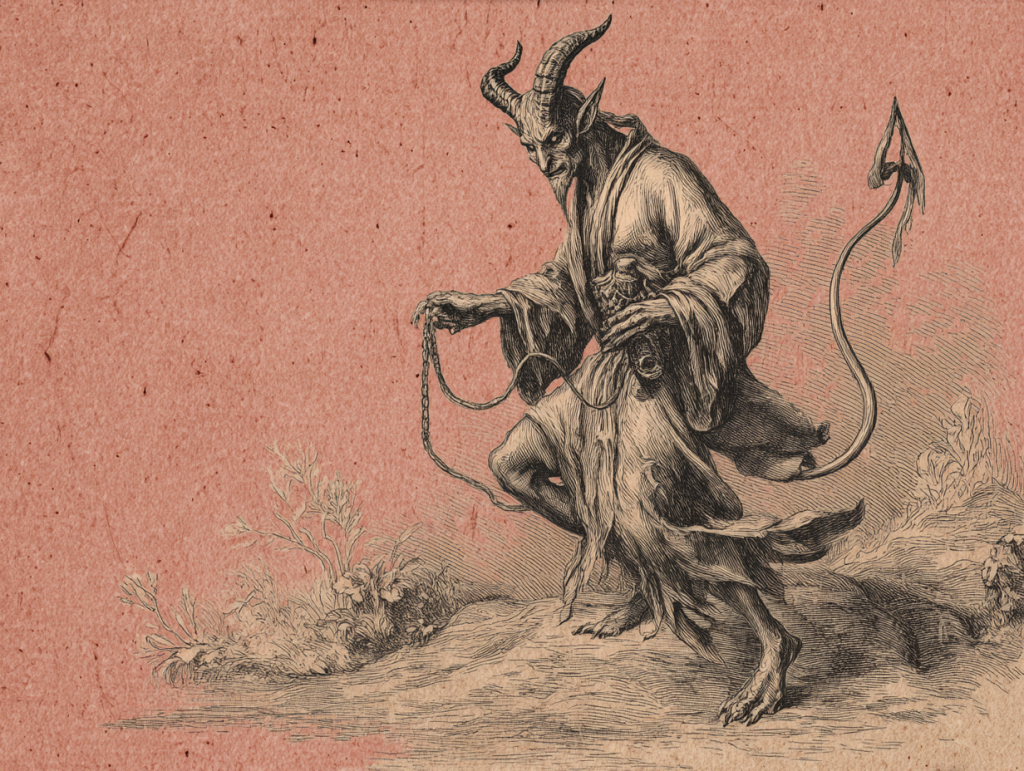
It’s rare for ancient documents to translate perfectly from one language to another. Words often have cultural significance, figurative meanings, and historical significance that can be difficult to maintain.
A translator has to choose how best to represent an idea, and those decisions have impacted how people will interpret things for years. With the example of Lucifer, the translation of one word came to be associated with a whole character.
This doesn’t mean that the original translation was wrong, but rather that language will continue to change over time. Sometimes, small choices made by translators can have a huge impact on culture many generations later.
4. Ancient Readers Created Connections Between Different Stories
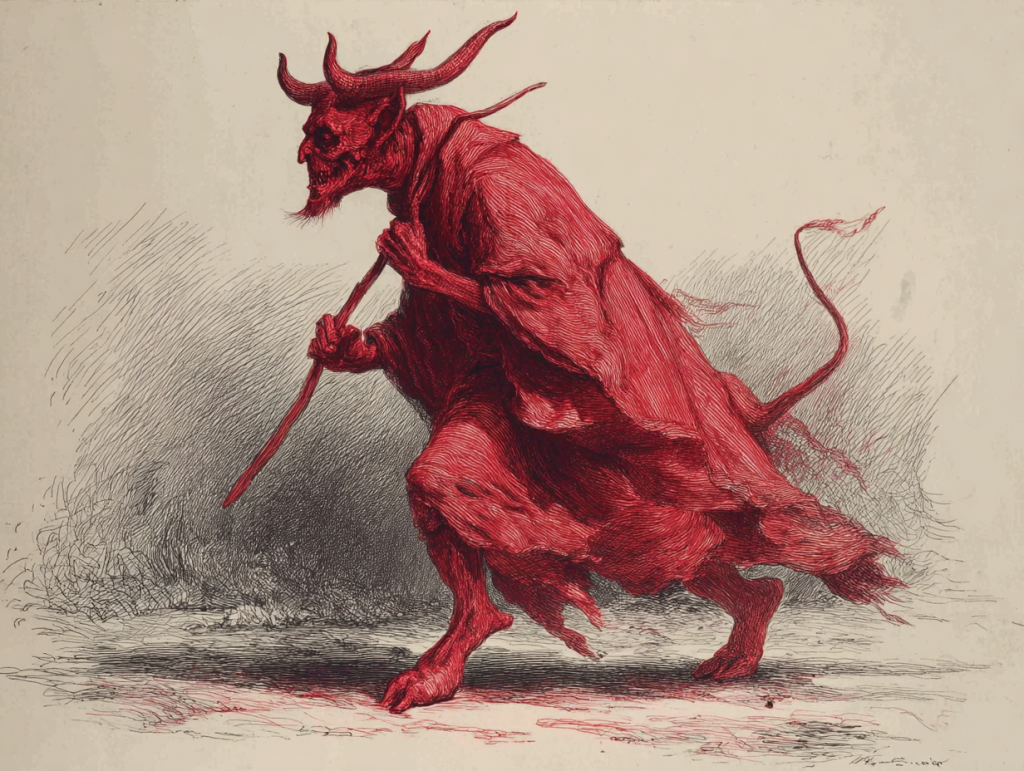
Ancient readers would often relate bits of different stories together based on what they had read. Over time, descriptions of prideful kings, rebellious angels, and epic battles began merging.
As such, Lucifer became incorporated into a much more expansive story built from many sources. This process took place over hundreds of years.
It was not a matter of one translator’s error producing the image of Lucifer; rather, it was the cumulative efforts of many interpretive attempts resulting in the outstanding and recognizable character of Lucifer throughout the world of religion.
5. Medieval Writers Expanded the Story

During the Middle Ages, writers expanded upon images of Lucifer that were only mentioned a few times in earlier sources, and theologians, poets, and storytellers expanded upon the images that they found.
The influence of pride, rebellion, and the downward fall from heaven can be observed in the various works of writers.
The many associations that people today attach to Lucifer largely come from later writing and not the Bible. As these stories spread across Europe, so did the established public imagination of Lucifer’s character.
6. Art Helped Create the Modern Image
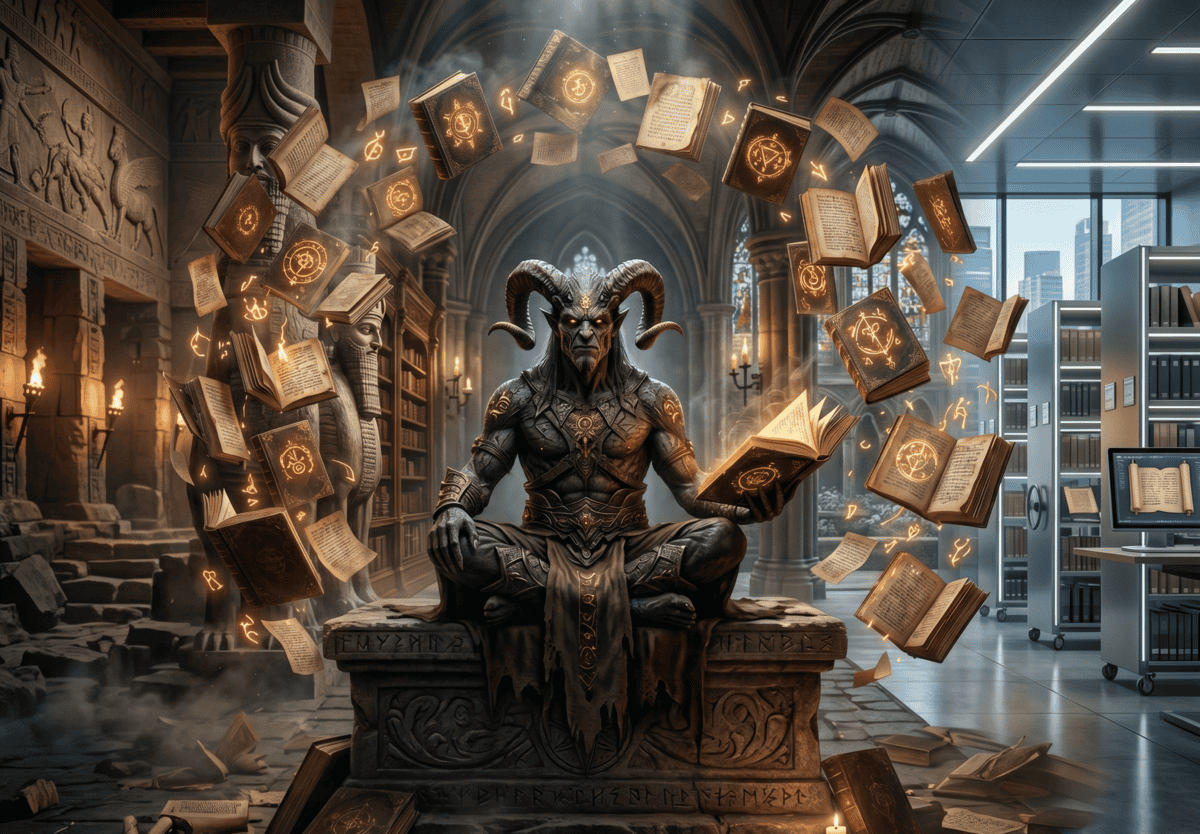
Due to the lack of visual representations, artists were required to depict grand scene illustrations of angels descending from heaven.
This practice created familiarity with images of Lucifer as people began seeing him through these forms of art, rather than through textual means.
As a result, these artistic media established many characteristics of Lucifer that had not been explicitly represented in earlier records and allowed these ideas to be physically represented visually through art for many centuries.
7. Literature Added New Details

Not many works have created the modern image of Lucifer more so than the epic poem “Paradise Lost.” Here, Milton created an image of Lucifer that was complex, charismatic, ambitious, and tragic.
Although Milton was creating a work of art and not using scripture, the work had a great influence on everyone who read it.
Readers also absorbed these ideas without acknowledging how much of the story came from creative interpretation by Milton. The modern image of Lucifer typically derives from literature rather than scripture.
8. Different Religions View Lucifer Differently
There are many different interpretations of Lucifer, as there are different religions. In many cases, the different cultures have had much debate over how to interpret him.
The varied views used by the multiple religious denominations confirm that the story has been told for centuries and is not singularly developed out of one specific view or explanation.
9. The Debate Continues Among Scholars
Scholars today continue to examine ancient manuscripts, historical settings, and old languages. Some believe that the interpretation of Lucifer being synonymous with Satan has been strengthened more by the interpretation of people.
Others believe that the traditional interpretation is correct and that it still has meaning today. The discussions surrounding each interpretation are not simply about the mistranslation of words but rather involve theology, literature, history, and culture.
Recent translations and new discoveries are being made available to bring new perspectives on a subject and are adding to a debate that has gone on for generations.
Overall, this continued scholarly debate remains one of the most exciting topics in religious studies.
10. Language Can Shape Entire Belief Systems

Perhaps the best example of how much we can be influenced by language is how an individual word that was translated many centuries ago has been the topic of debate for centuries and continues to be debated today.
Depending on how one views Lucifer, be it symbolic, literal, or as a product of changing interpretations, the soliloquy illustrates the tremendous power words carry. The translation of a word is not based solely on the word itself.
Instead, the true translation of a word includes a definition of the word, a cultural meaning, and a particular context. The example of Lucifer illustrates how language can potentially create a person’s interpretation of reality and their entire worldview.

Born and raised in Bosnia and Herzegovina. Ever since I was a little girl, my imagination knew no bounds. I remember vividly how I’d scribble down short stories, each page bursting with adventures and characters conjured up from the whimsy of my mind. These stories weren’t just for me; they were my way of connecting with my friends, offering them a slice of my fantasy world during our playtimes. The joy and excitement on their faces as we dived into my fictional realms motivated me to keep writing. This early passion for storytelling naturally evolved into my pursuit of writing, turning a childhood hobby into a fulfilling career.