
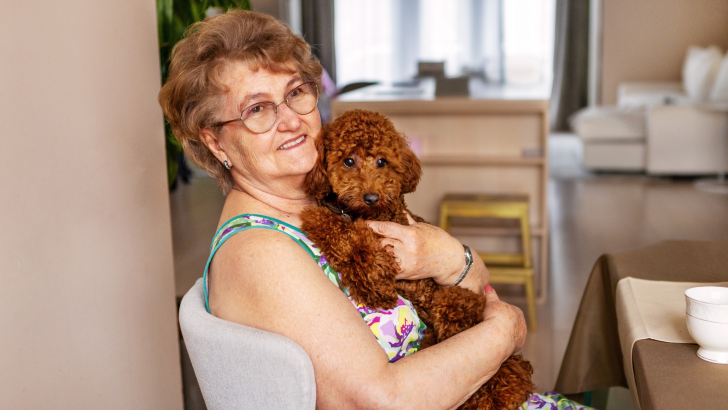
Many pet owners treat their pets like children and see them as family members rather than just animals. This trend is becoming more common in modern society.
There is nothing silly or random about this type of behavior. It reflects emotional attachment, personality characteristics, and the psychological bond between man and animals.
Understanding why individuals develop parent-like attachments to their pets explains why humans seek love, reassurance, and support. This also tells us a lot about the people who have chosen to do so.
1. They Have Strong Nurturing Instincts
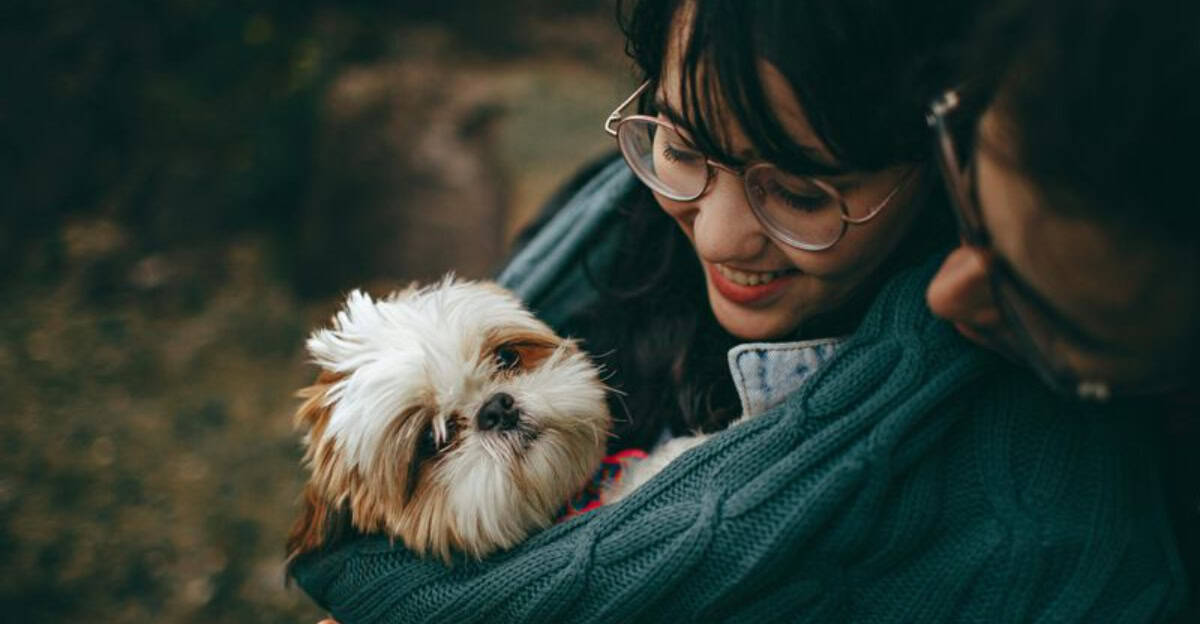
People who view their pets as their children are typically driven by a natural caregiving instinct. They derive satisfaction from caring for another being by nurturing and providing them with protection and support.
The nurturing routines of feeding and grooming a pet fulfill that instinct. These same people feel empowered as caregivers (and experience emotional connection to their pets) through their ability to fulfill a nurturing role, which includes providing an emotional outlet.
Pets provide an opportunity to nurture consistently and safely without restriction.
2. They Form Deep Emotional Attachments

People with stress or serious problems in their lives form a unique bond with their pets. They feel comfort, security, and companionship through their emotional connection.
Pets always provide emotional support through their presence. The bond has some characteristics of a parent/child relationship.
For many people, their pet becomes an emotional anchor, helping them manage their stress and feelings of isolation. In many cases, the emotional attachment to a pet provides stability in difficult or unsteady situations.
3. They Seek Unconditional Love
Pets give unconditional love without any expectations. If a person treats a pet like a child, they usually have an attachment to the feeling of being emotionally secure.
A lot of times, human relationships can be emotionally complicated or conditional in nature, but pets provide an individual with stability and loyalty as well.
The stability and loyalty that pets exhibit provide healing ability, which is something that serves as a way for people to meet their emotional needs without pressure. Due to the simplicity, individuals can relax emotionally and experience total acceptance in the bond.
4. They Value Routine and Structure
Caring for pets establishes daily routines, which provide the stability and productivity that individuals receive through structure, especially when people treat their pets as though they are children.
The consistent schedule of feeding, walking, and going to the vet creates a rhythm to daily routines and adds a feeling of responsibility, resulting in a more organized schedule; moreover, structure reduces anxiety and promotes emotional balance.
Pets also serve as anchors for grounding within the chaos of a busy work schedule.
5. They Are Highly Empathetic

Highly empathetic people understand their pet’s emotions without communicating verbally.
They feel deep affection for their pets, thus making a strong emotional bond between the two.
In addition, they care for their pet’s emotional well-being and know that helping them will create a feeling of being loved and appreciated.
6. They May Delay Traditional Parenthood
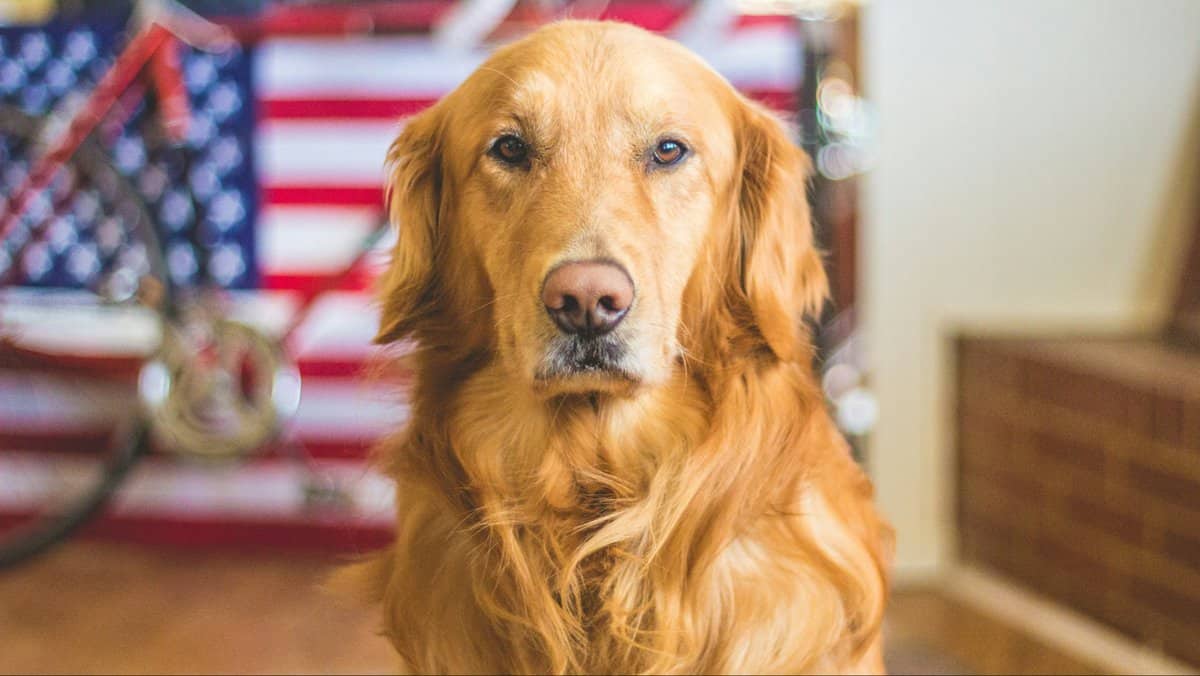
People opt for pets instead of kids for financial, lifestyle, or personal reasons.
People who treat their pet as their child fulfill a parental role without long-term commitments to children.
This is indicative of thoughtful decisions, not a sign of immaturity. Pets provide people the ability to care for the emotional welfare of another being while being independent and flexible.
7. They Use Pets For Emotional Regulation
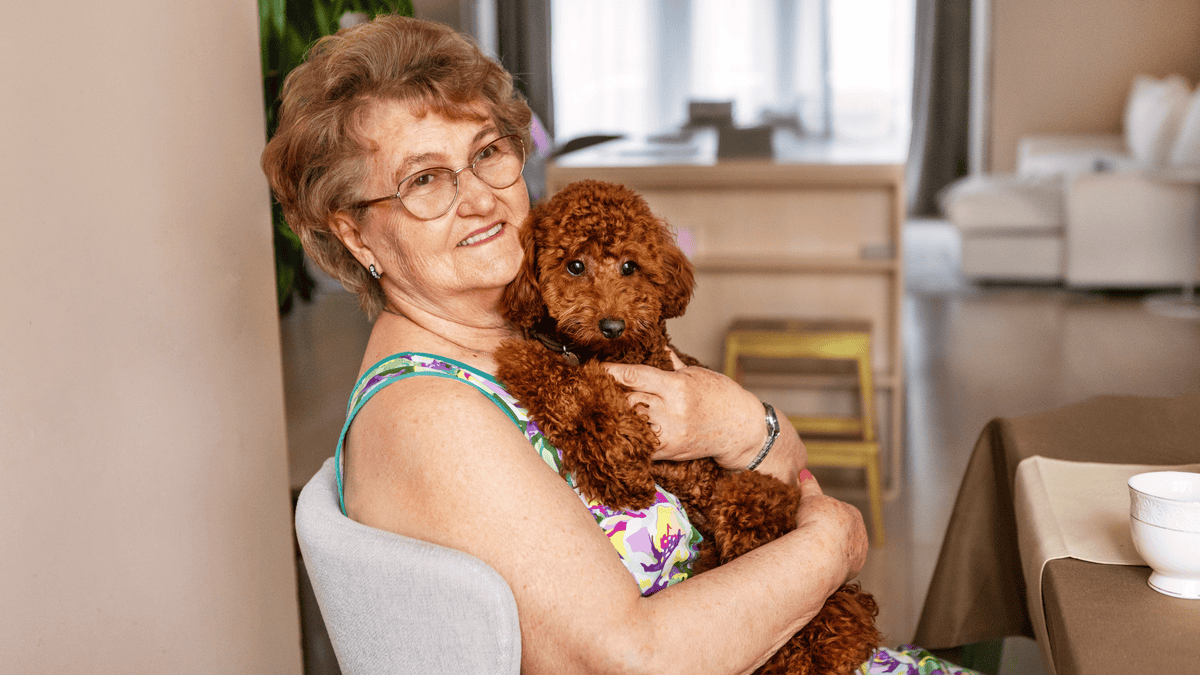
Pets reduce stress, anxiety, and emotional excess because caring for them releases calming substances.
Talking to pets also offers an emotional outlet. This calming regulatory relationship feels like soothing a child. Many people who treat their pets like children get comfort and love.
The relationship with their pet becomes a source of emotional stability and support during times of need.
8. They Humanize Emotional Bonds
When children are raised with “humanized animals,” they develop greater empathy and understanding with their caregivers by treating them as family members.
As these children grow up, treating animals like people creates an intuitive sense of being a caregiver to an animal.
A person can fully express their feelings for their pet through emotional attachment; therefore, projecting their feelings onto their pets enhances the relationship and does not take away from the reality of that relationship.
9. They Prioritize Emotional Safety
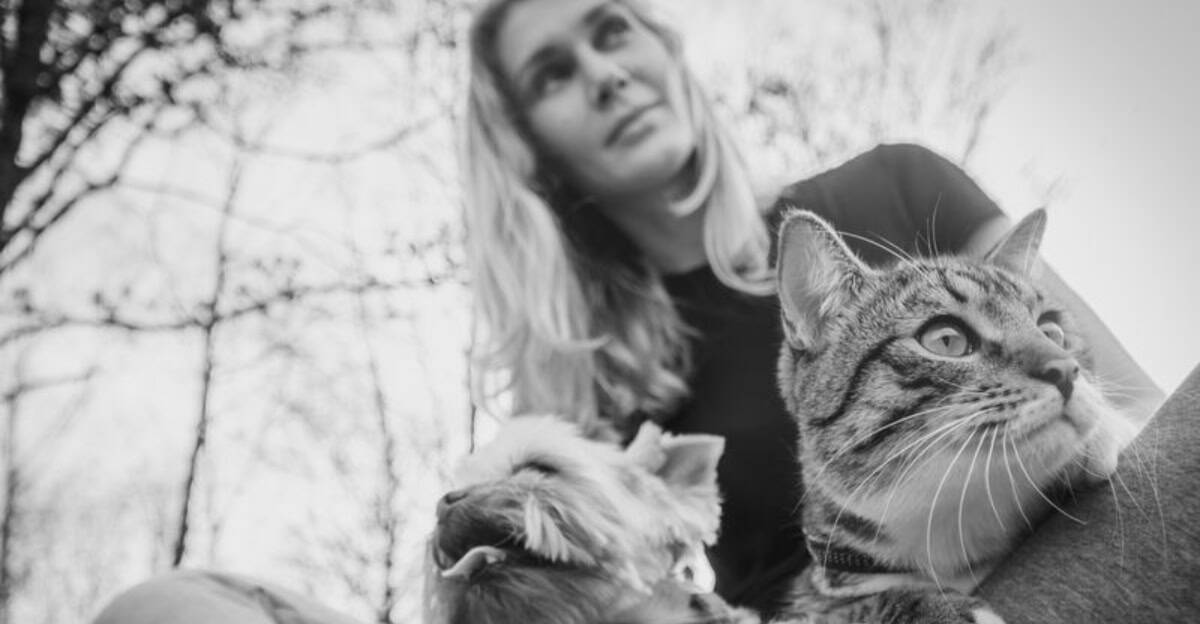
For people who have been emotionally wounded, having a pet is a safe and comforting experience. Pets are predictable and always respond to us with love and respect.
In this environment of emotional safety, people feel comfortable being emotionally vulnerable.
This dynamic creates an opportunity for emotional healing and growth and creates an atmosphere of emotional safety in the relationship between the human and the pet.
10. They Redefine Family Bonds

The modern definition of family is being redefined. They don’t place limitations on family; they see the family as being larger than just the traditional definitions of it, and their focus is on love, not biology.
Pets have become part of the chosen family, and this represents emotional maturity. There is a deep emotional connection built by caring for and supporting pets.
The evolving emotional values and modern means of connecting with other beings are represented in individuals who consider their pets as their children.

Born and raised in Bosnia and Herzegovina. Ever since I was a little girl, my imagination knew no bounds. I remember vividly how I’d scribble down short stories, each page bursting with adventures and characters conjured up from the whimsy of my mind. These stories weren’t just for me; they were my way of connecting with my friends, offering them a slice of my fantasy world during our playtimes. The joy and excitement on their faces as we dived into my fictional realms motivated me to keep writing. This early passion for storytelling naturally evolved into my pursuit of writing, turning a childhood hobby into a fulfilling career.