
We’ve all heard of St. Helena, the mother of the Emperor Constantine, who first legalized Christianity.
One of her most important deeds was finding the True Cross, the one upon which Jesus Christ was crucified.
Reading about her find, I asked myself: how was the Cross lost in the first place?
Come to find out, this holy relic has been through so much, proving how far the faithful were willing to go to preserve the greatest tangible proof of Christ’s sacrifice.
1. The Initial Burial
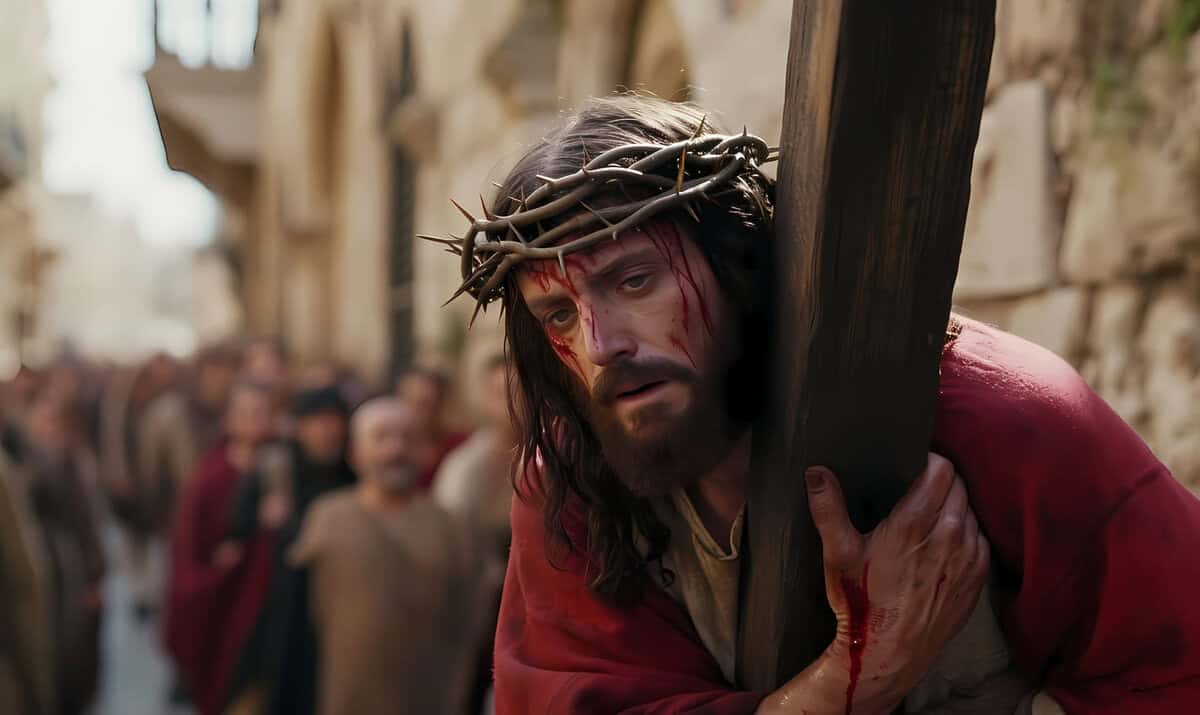
Right after the tragic Crucifixion, Roman authorities had one priority: avoid any kind of rebellion from Christians. So, the first thing they did was try to erase the evidence.
They took the True Cross along with the other two and threw them into a pit near Mount Calvary. And just to make sure no one came to turn the site into an altar, they covered it all with rubble.
They wanted the sight of Golgotha to be forgotten, with nothing to remind Christ’s followers of His sacrifice.
To the terrified Christians, this must have looked like complete defeat.
The physical connection to their savior was seemingly lost.
2. Pagan Disguise
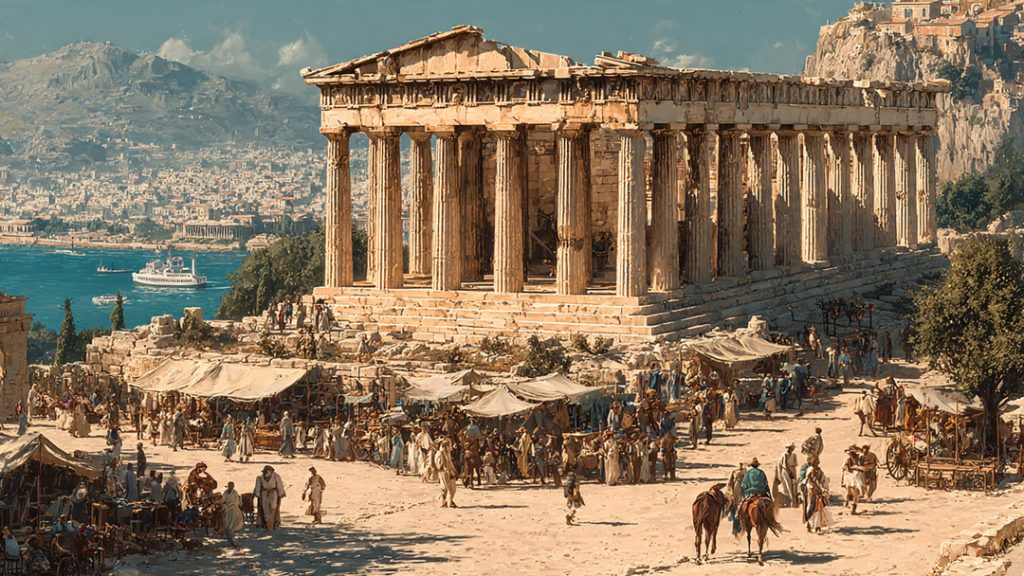
In the 2nd century, the Roman Emperor Hadrian decided to put in the final nail. He ordered a magnificent temple to Venus to be constructed directly on top of the hill of Golgotha.
With this, he aimed to reclaim the site that was now venerated by Christians, and to completely overwrite what had happened there.
Funnily enough, this was exactly what preserved the True Cross and its location.
The foundations of the temple protected the Cross from the elements, and it became a permanent marker for those who would want to find it later on.
For nearly 300 years, the temple sat atop the ultimate symbol of Christian sacrifice.
3. The Origins of the True Cross

Before we talk about the discovery of the True Cross, let’s see the amazing legends told about it!
According to tradition, it wasn’t carved out of just any wood. Its origins trace back all the way to the Garden of Eden!
It was said to have grown from a seed of the Tree of Knowledge of Good and Evil, planted right at the burial site of Adam.
This is pure poetry: the very tree that led to humanity’s fall ended up taking part in its salvation!
Another legend claims that this very wood was used to make a bridge during the reign of King Solomon.
However, the Queen of Sheba sensed its holy purpose and refused to walk on it to cross the river. She warned Solomon that it would destroy the kingdom, so he removed it.
4. St. Helena in Jerusalem
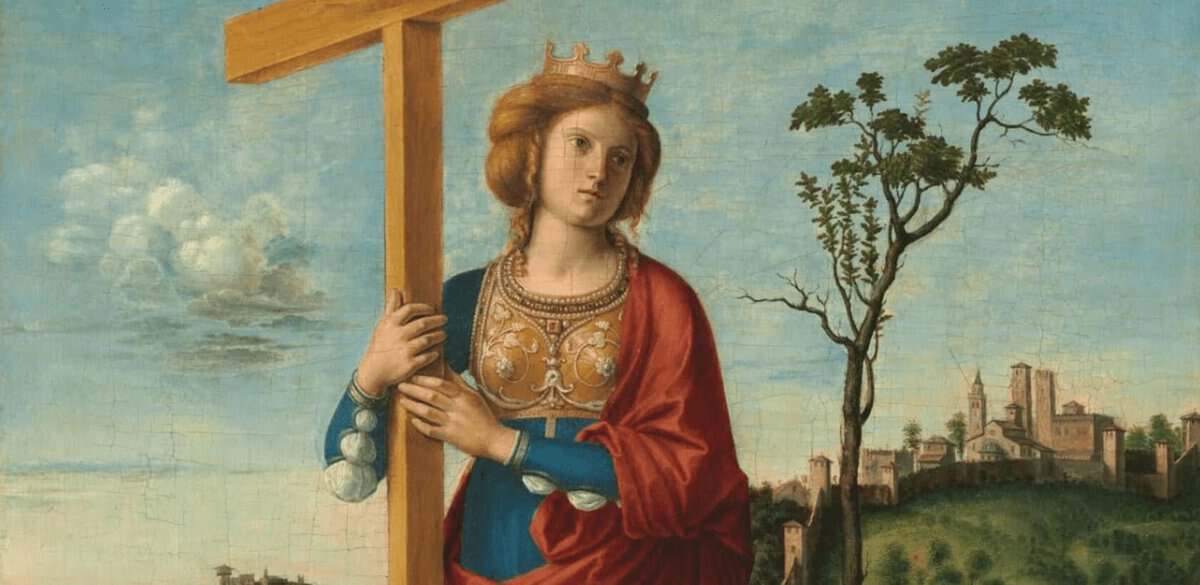
In 326 AD, the Roman attitude toward Christianity dramatically changed!
The faith in Jesus Christ stopped being a forbidden underground movement and instead became a legitimate religion, thanks to Emperor Constantine.
His mother, St. Helena, embraced the faith with the same zeal and decided to travel to the Holy Land.
She wanted to locate the crucial sites of Jesus’s life and teaching, as well as the holy relics.
So, when she arrived in Jerusalem, she immediately targeted the temple of Venus. She commanded to have it torn down.
It’s unclear whether anyone knew that the True Cross was buried beneath, or St. Helena simply wanted to reclaim Golgotha in the name of Christianity.
5. Testing of Three Crosses
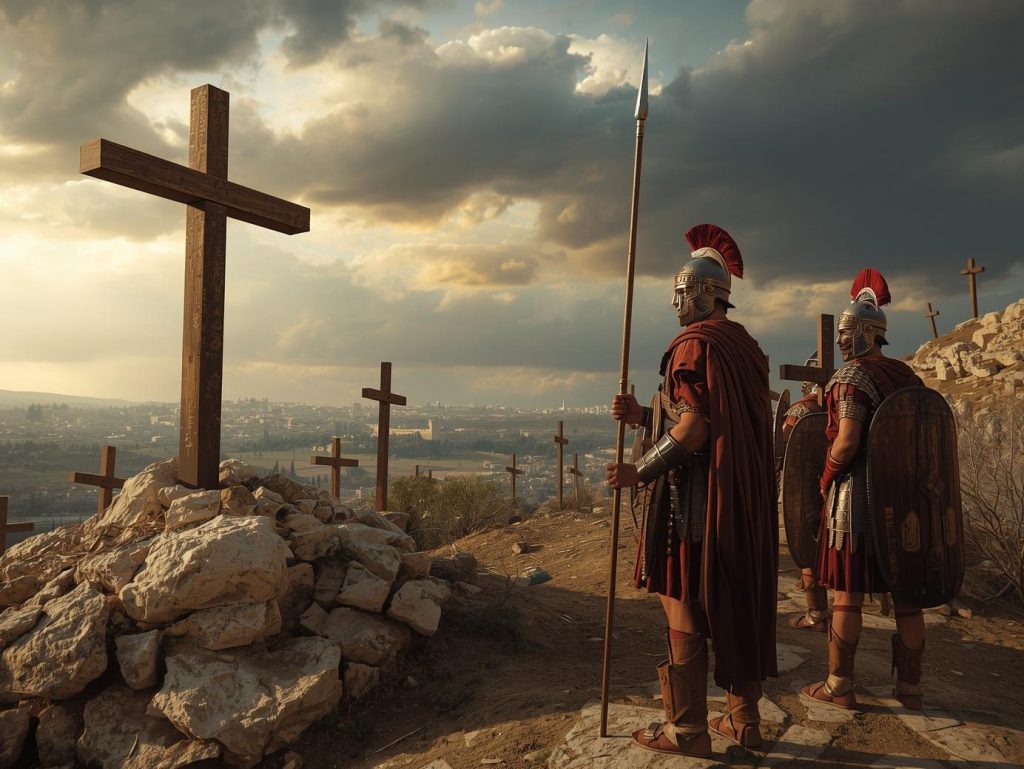
During the excavations, St. Helena’s people uncovered the three distinct crosses underneath the rubble. Even the nails that were used in the crucifixion were still there.
But the issue was that no one knew which one was the True Cross. All three crosses looked identical.
The Bishop of Jerusalem, Saint Macarius, ordered that a terminally ill woman be brought to the site. He firmly believed that the True Cross would lead to a miracle!
The woman was guided to touch the first two crosses, and nothing happened. Then, as she laid her hand upon the third one, her illness completely disappeared!
It was an undeniable sign from God!
The Cross essentially revealed itself.
6. Sharing the Relic
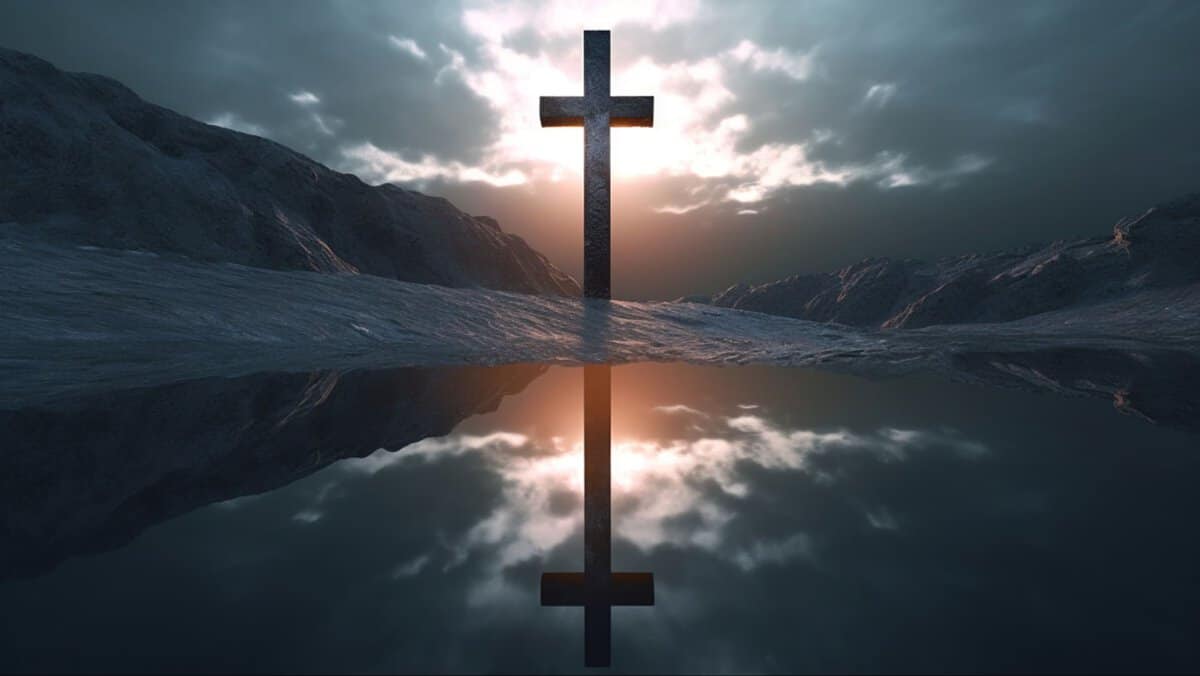
Once the True Cross was identified, the question was what should be done with it.
It was a precious relic, and St. Helena understood that she couldn’t keep it all to herself.
So, she made a decision to divide the sacred Cross between the East and the West.
A significant portion was left in Jerusalem. Eventually, it was housed within the Church of the Holy Sepulchre.
The magnificent basilica was built by the order of Constantine I exactly over the discovery site.
Helena took the remaining fragments of the cross, along with the nails, and took them back to Rome.
She kept them in her own private palace, which was later turned into the Basilica of the Holy Cross.
7. The Persian Invasion
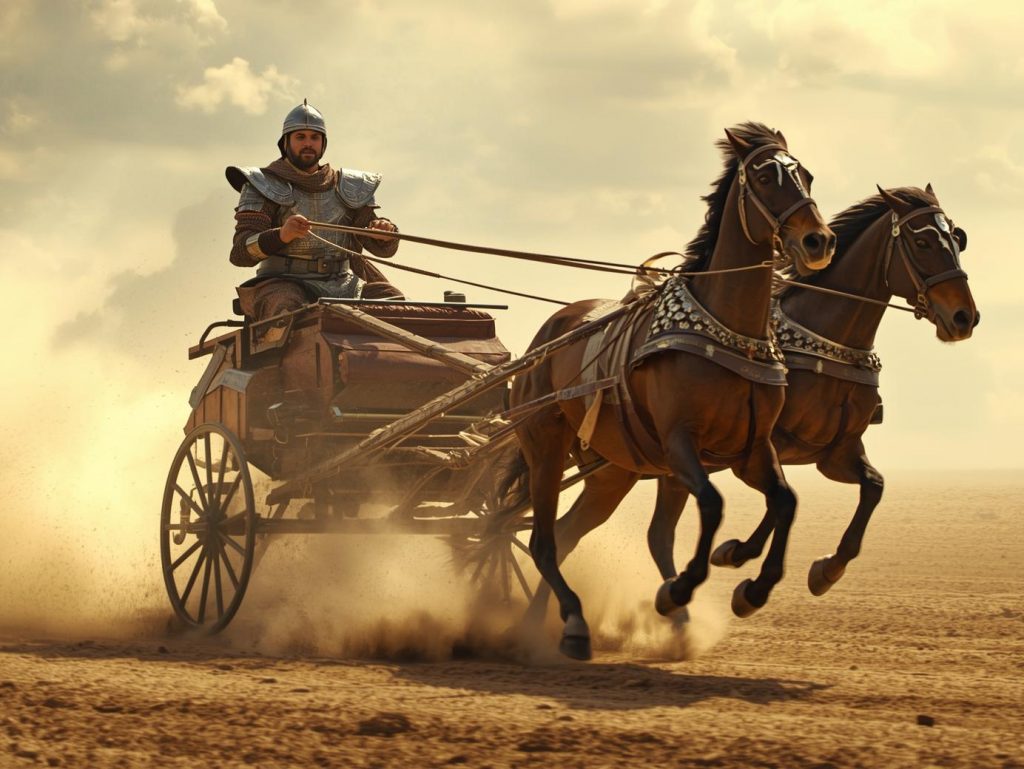
For nearly three centuries, the True Cross peacefully stayed in Jerusalem, attracting pilgrims from all over the world.
But in 614 AD, the Persian Emperor Khosrau II brutally sacked the city of Jerusalem.
The attack resulted in the death of thousands, and the Church of the Holy Sepulchre was torn down.
But Emperor Khosrau didn’t just want territory; he wanted to humiliate the Byzantine Empire.
So, he targeted the True Cross, taking it from its sanctuary and taking it back home as a trophy of war. This act devastated the Christian world.
At the time, it felt as though the dark forces had won.
8. Heraclius Reclaims the True Cross
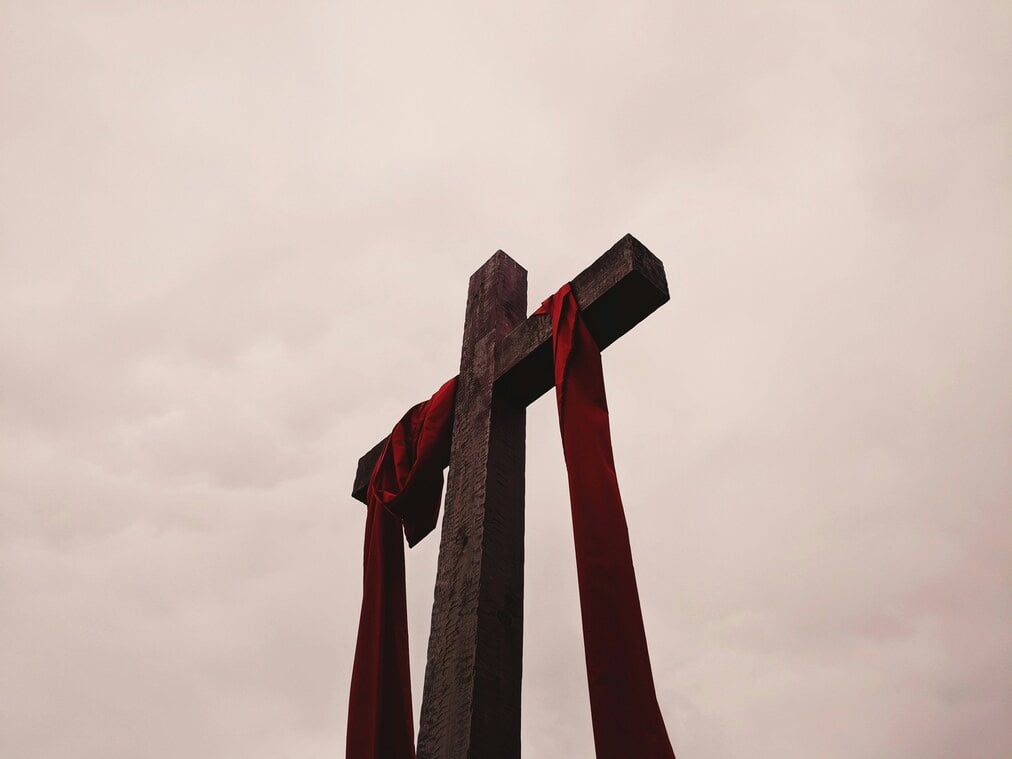
The theft of the True Cross enraged the Byzantine Emperor Heraclius.
He waged a bloody campaign against the Persians, aiming to avenge the Holy City and take back the holiest Christian relic.
The war went on for years until Heraclius finally defeated the Persians, and the negotiations could begin.
In 628 or 629 AD, Heraclius triumphantly carried the True Cross back to Jerusalem.
The story goes that he approached the city wearing his royal garments, but an angel appeared and wouldn’t let him enter until he humbled himself in the same manner that Jesus did.
Only when he obeyed, he could enter the city.
The return of the Cross is celebrated as the Feast of the Exaltation of the Cross every September 14th.
9. Conquests and Crusades
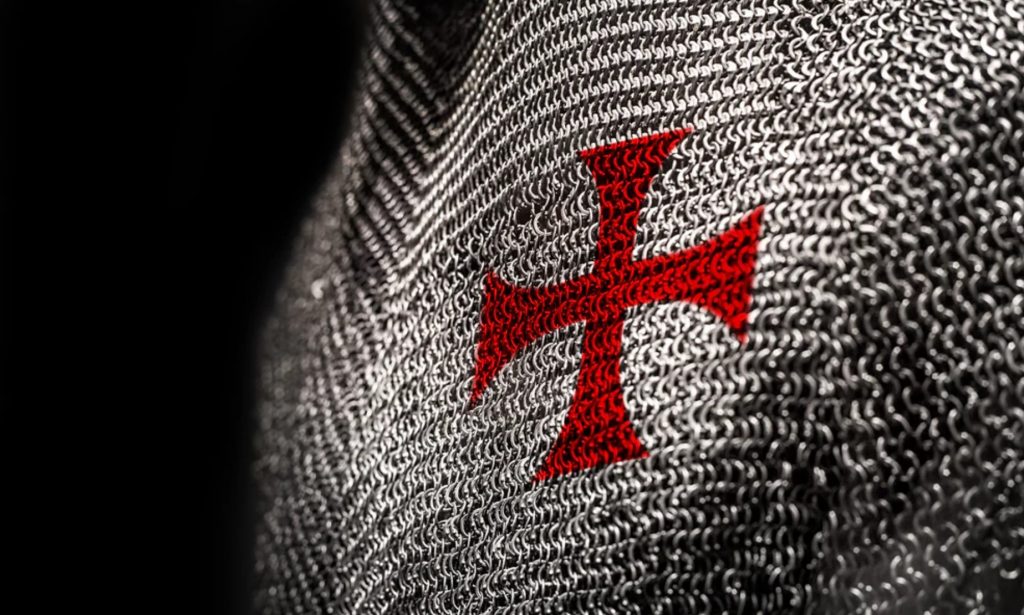
You’d think that the True Cross would finally get some peace after everything Heraclius did to get it back, but its journey was far from over!
During the Muslim conquests, the Caliph Al-Hakim tore the Church of the Holy Sepulchre to the ground for the second time in 1009 AD.
Thankfully, the faithful remembered to hide the Cross in time, so for nearly a hundred years, it remained hidden.
Finally, in 1099, the First Crusade came, and the Crusaders took back Jerusalem.
Only then was the Cross brought back into the light.
10. Where Is It Now?

By the Middle Ages, it was decided that the True Cross shouldn’t be kept as a single piece of wood. Instead, it was splintered.
Kings, queens, bishops, and crusaders desperately wanted a piece for themselves, so fragments were carved off and distributed in places of worship all around the world.
Some, like John Calvin, didn’t support this practice. However, the majority of the Christian world saw it as sharing the grace with everyone.
After all, isn’t that the whole point of Christ’s teachings?

A little Aquarius, devoted to writing and embroidery. Through my writing, I hope to empower readers to align with their true selves and navigate life’s mysteries with confidence.