
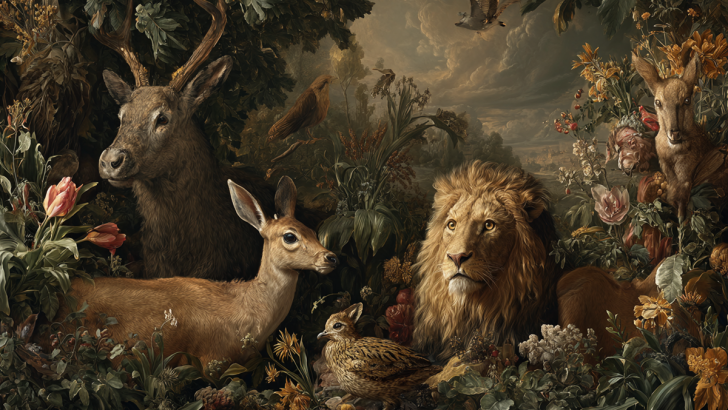
If you thought the Bible was all calm parables and peaceful shepherds, think again. Beneath the surface lies a whole cast of creatures that feel like they wandered in from a fantasy epic after a particularly dramatic plot twist. These beings aren’t just there for visual flair—they represent disorder, danger, and the untamed forces that stand in opposition to divine order.
In biblical symbolism, chaos isn’t just about messiness; it’s about forces that disrupt harmony, challenge authority, and remind humanity that things can spiral very quickly. Naturally, these ideas get expressed through some very intense creatures. Let’s meet the chaos icons of the Bible—each one bringing its own flavor of “absolutely not” energy.
1. Leviathan
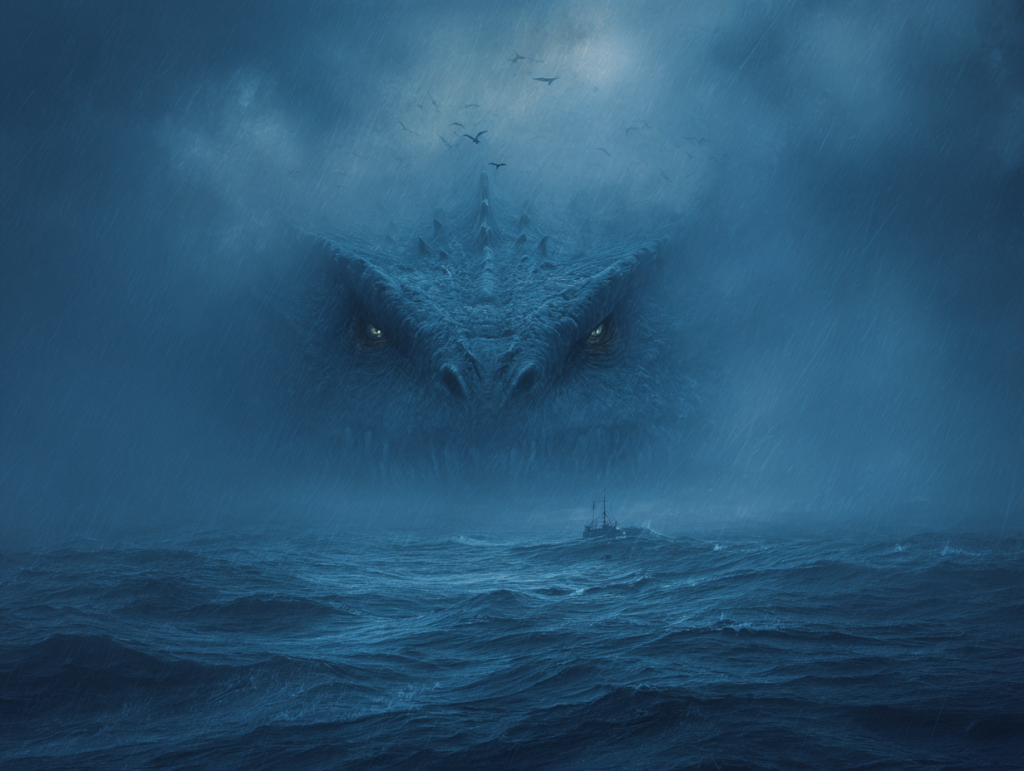
If chaos had a mascot, it would probably be Leviathan. This massive sea creature shows up in books like Job and Psalms, and it’s basically described as an untamable, fire-breathing, scale-covered nightmare lurking in the ocean. Casual.
Leviathan represents the uncontrollable power of the sea—a place that, in ancient times, symbolized mystery, danger, and pure unpredictability. You don’t reason with Leviathan. You don’t negotiate. You simply acknowledge that it exists and hope it’s not your problem today.
There’s also a deeper layer here: Leviathan isn’t just a literal creature, but a symbol of cosmic chaos—something only God can control. So while humans are busy trying to manage their daily problems, Leviathan is out there reminding everyone that some forces are way beyond human understanding. Comforting? Not exactly. Fascinating? Absolutely.
2. Behemoth
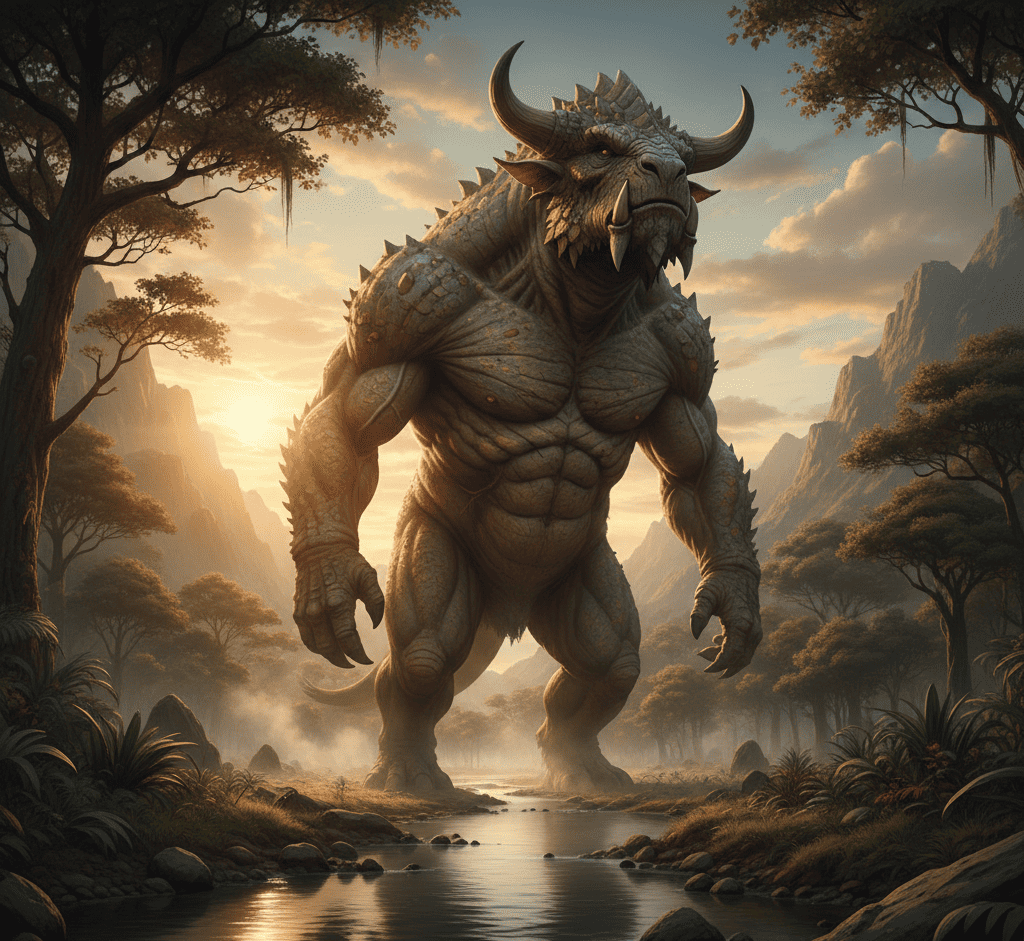
Now, if Leviathan rules the sea, Behemoth is its land-based counterpart—and it’s just as intimidating. Described in the Book of Job, Behemoth is a massive, powerful creature often associated with untamed wilderness and raw physical strength.
The exact identity of Behemoth has been debated (hippo? mythical beast? divine flex?), but the symbolism is clear: it represents the uncontrollable forces of the natural world. It eats, it moves, it exists on a scale that makes humans look… small and slightly irrelevant.
Behemoth isn’t necessarily evil—it’s more like a reminder that not everything in creation is neat, safe, or manageable. Some things just are, and they don’t care about your plans. It’s chaos in the sense of overwhelming power, not moral wrongdoing. Still, you probably wouldn’t want to meet it on a casual afternoon walk.
3. The Great Dragon
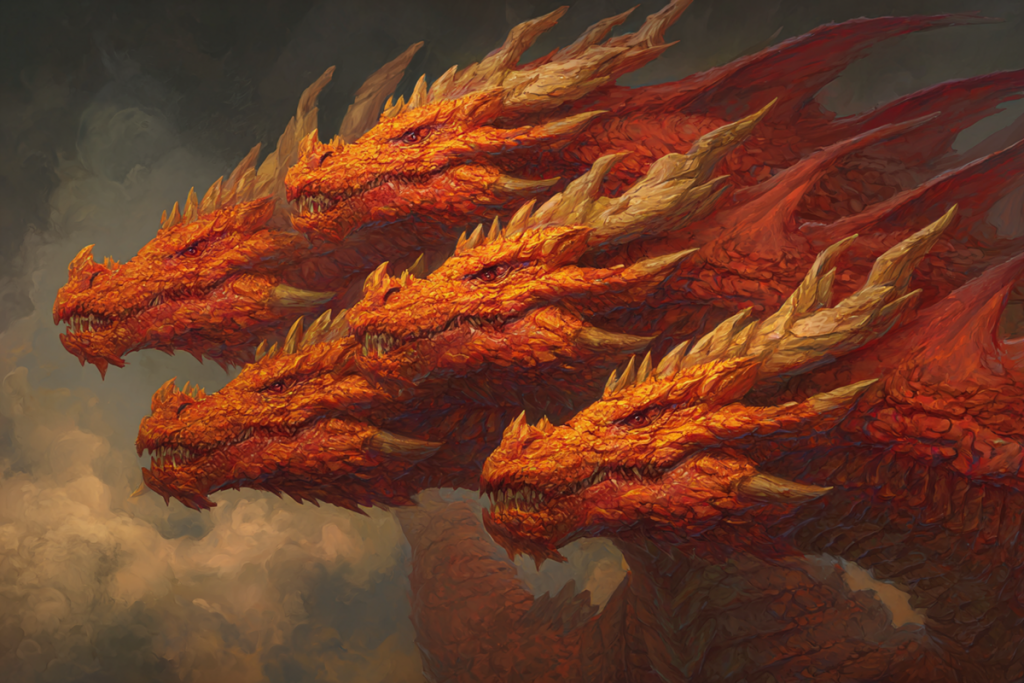
Enter the drama: the great dragon, most famously appearing in the Book of Revelation. This creature is often associated with Satan, making it less “mysterious natural force” and more “active agent of chaos and destruction.”
The dragon symbolizes rebellion, deception, and opposition to divine order. It’s not just chaotic—it’s intentionally disruptive, stirring up conflict and leading others astray. Basically, if chaos had a mastermind, this would be it.
Visually, it’s everything you’d expect: large, terrifying, and not here for peaceful coexistence. Symbolically, it represents the kind of chaos that comes from willful defiance and corruption. So while Leviathan is like “nature is scary,” the dragon is more like “someone chose violence, spiritually speaking.”
4. Serpents (Especially the One in Eden)
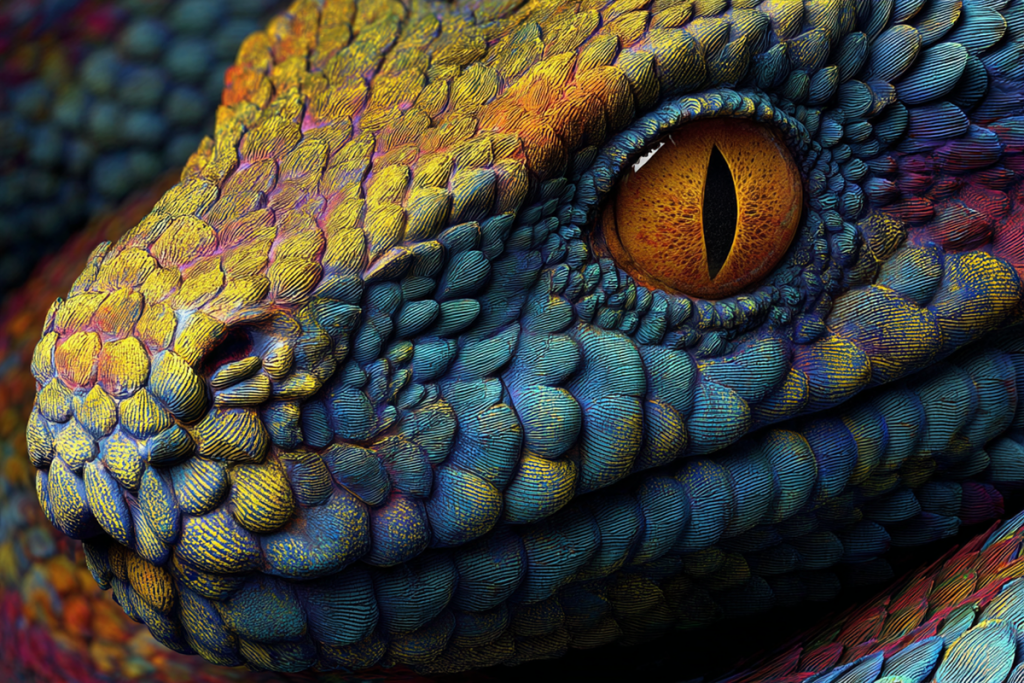
Ah yes, the original troublemaker. The serpent in the Garden of Eden might not look as dramatic as a dragon or a sea monster, but its impact? Absolutely unmatched.
This serpent represents subtle chaos—the kind that doesn’t crash through the door but quietly rearranges everything while you’re not paying attention. It introduces doubt, temptation, and the idea that maybe the rules aren’t as fixed as they seem.
What makes this creature particularly interesting is how understated it is. No fire, no massive size—just cleverness and persuasion. It’s chaos in its most psychological form, proving that you don’t need to be loud to completely change the course of history.
5. Locust Swarms
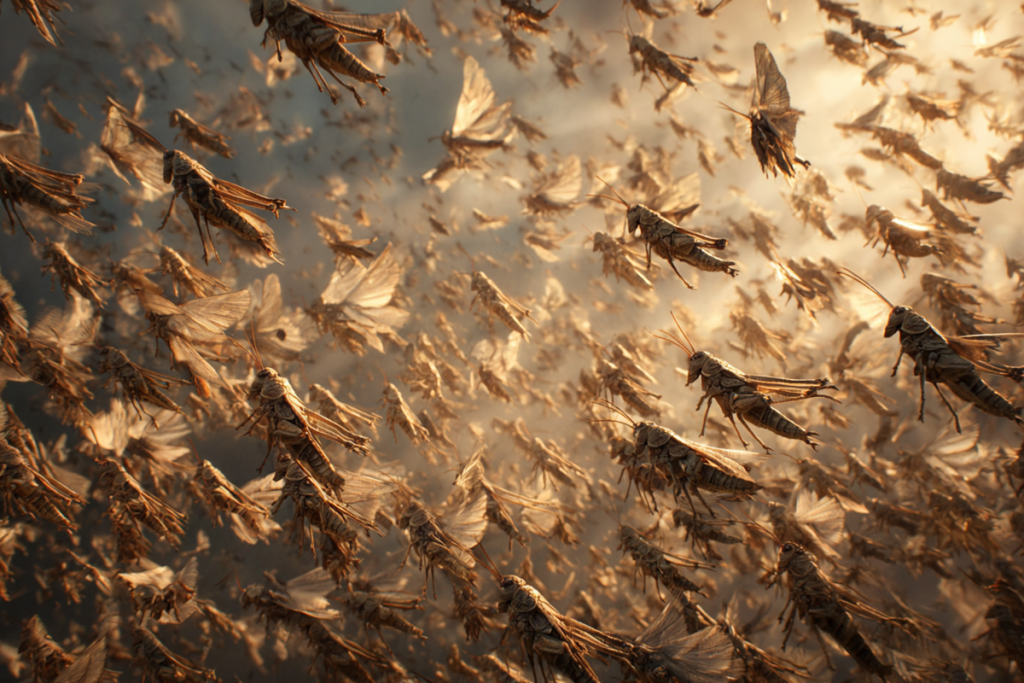
Not a single creature, but collectively? Pure chaos. Locusts appear in several parts of the Bible, most famously during the plagues in Egypt and again in Revelation, where they’re described in ways that are… let’s just say not comforting.
Locust swarms represent destruction, scarcity, and the overwhelming feeling of being completely out of control. You can’t fight a swarm. You can’t negotiate with it. You just watch as everything you relied on gets eaten away.
There’s also an element of inevitability here—chaos that comes in waves and leaves nothing untouched. It’s less about one terrifying monster and more about the power of sheer numbers. And honestly? That might be even scarier.
6. The Four Beasts of Daniel
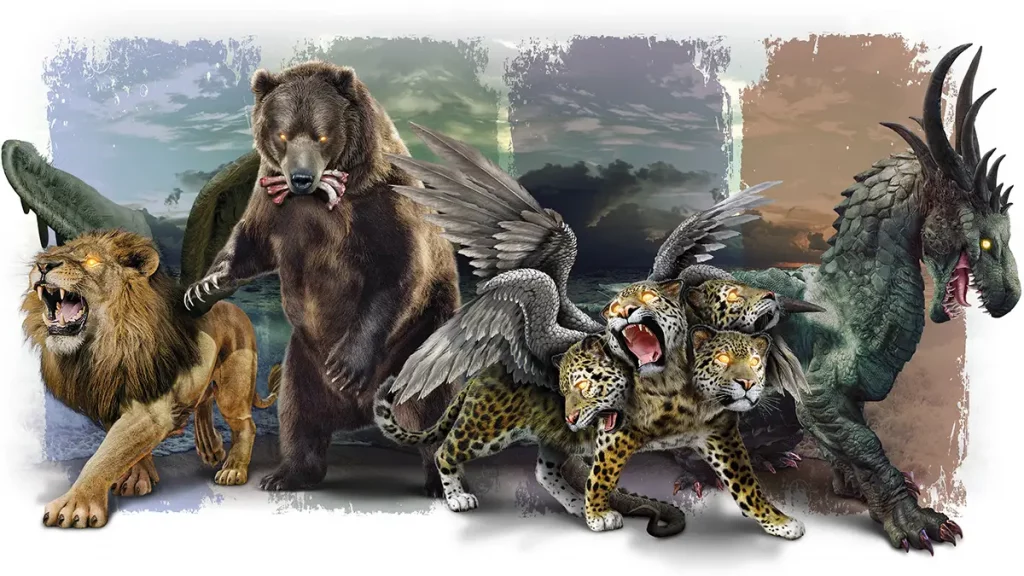
If you enjoy symbolic creatures that feel like they belong in a very intense dream, the Book of Daniel delivers. The four beasts described there are strange, hybrid creatures representing kingdoms and powers that rise and fall—often violently.
These beasts symbolize political and societal chaos—the kind that affects entire nations. They’re unpredictable, powerful, and often destructive, reflecting the instability of human systems when they spiral out of control.
Each beast is different, but they all share a sense of being unnatural and unsettling. It’s chaos on a grand scale, where entire worlds shift and change, and no one is entirely safe from the consequences.
7. Wild Beasts (General Symbolism)
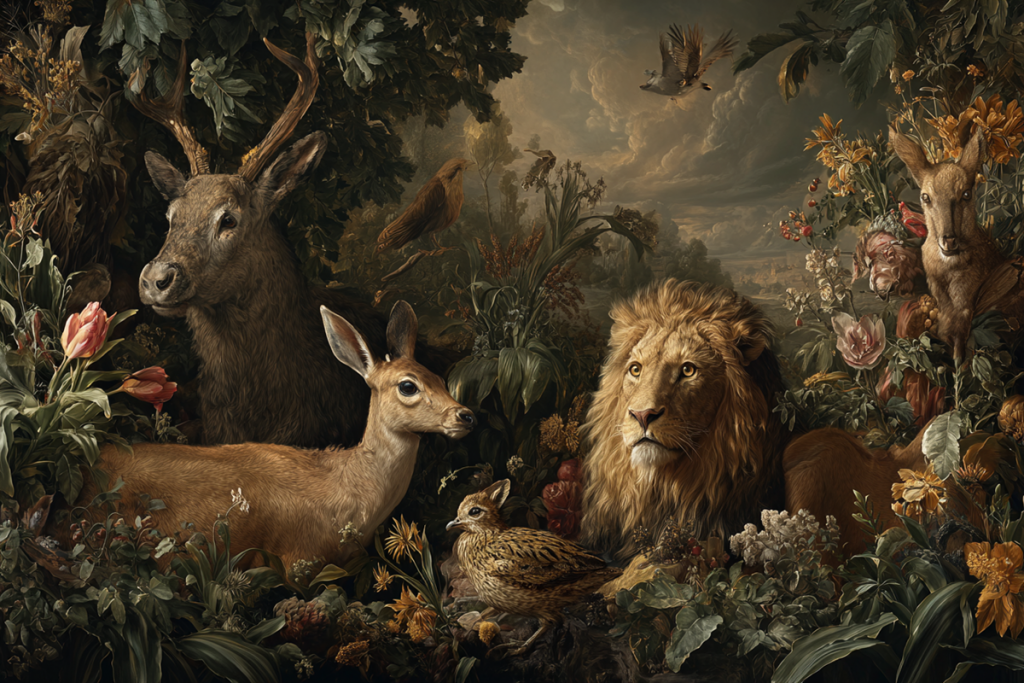
Beyond the specific named creatures, the Bible often uses “wild beasts” as a broader symbol of chaos, danger, and the unknown. These aren’t necessarily mythical—they’re real animals, but they represent what happens when order breaks down.
Wild beasts are what you encounter outside the safety of structured, civilized spaces. They symbolize vulnerability, fear, and the unpredictability of life beyond control. It’s chaos in its most grounded, everyday form.
What makes this symbolism powerful is how relatable it is. You don’t need a dragon to understand fear—you just need the sense that you’ve stepped into a space where the rules no longer protect you.

Lover of good music, reading, astrology and making memories with friends and spreading positive vibes! 🎶✨I aim to inspire others to find meaning and purpose through a deeper understanding of the universe’s energies.