

When people think about Hera from Greek mythology, they usually remember one of two things: either she was the terrifying queen of the gods who could ruin your life in seconds, or she was the elegant protector of marriage who deserved way better than her husband. Honestly, both are true.
Hera is one of the most complicated figures in mythology because she represents power, loyalty, rage, dignity, revenge, and emotional exhaustion all at once. She’s basically what happens when someone is forced to manage an entire divine kingdom while also dealing with the most unfaithful husband in existence. Imagine running Olympus while constantly hearing, “So… Zeus has done something again.”
People feared Hera because her anger was legendary. But they also respected and loved her because she stood for commitment, family, and royal authority. She wasn’t chaotic without reason — she was usually reacting to chaos somebody else created. Mostly Zeus. Almost entirely Zeus.
Here’s why Hera became one of mythology’s most feared and admired goddesses at the exact same time.
1. She Was the Queen of the Gods — and She Acted Like It
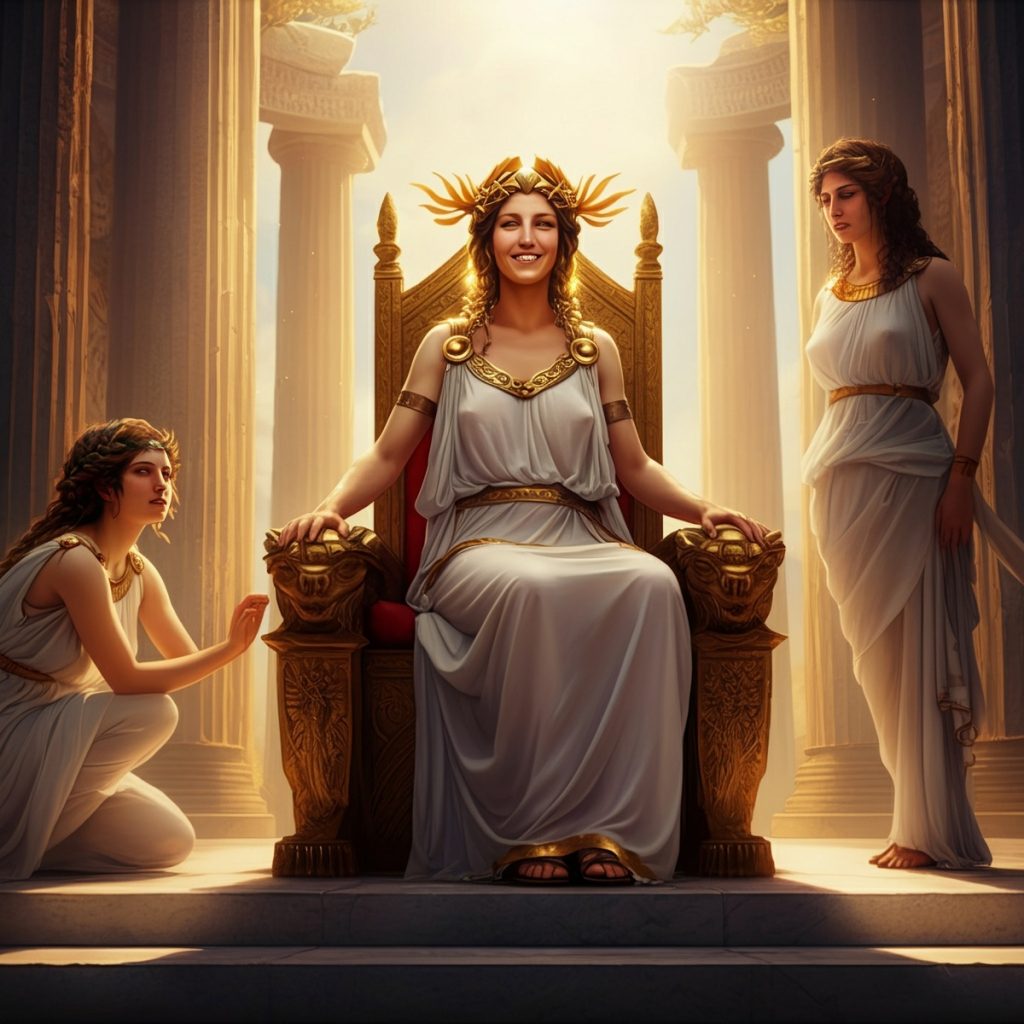
Hera wasn’t just “Zeus’s wife.” She was the queen of Olympus, and everybody knew it. In Greek mythology, titles mattered a lot, and Hera carried herself with the energy of someone who could absolutely destroy your future with one look across the dinner table.
Unlike some gods who acted impulsively, Hera represented authority, order, and royal power. Even other gods were cautious around her because she wasn’t easily manipulated. She had status, intelligence, and enough influence to make Olympus feel like the world’s most stressful family business.
At the same time, people admired her because she embodied dignity and strength. She didn’t beg for respect — she expected it. And honestly, considering she spent centuries married to Zeus, surviving that alone deserves several awards and probably a vacation.
Hera’s presence made people nervous because she symbolized consequences. In mythology, you could anger some gods accidentally and maybe survive. Angering Hera felt like accidentally replying-all to an office email and immediately realizing your career was over.
2. Her Anger Was Terrifyingly Personal
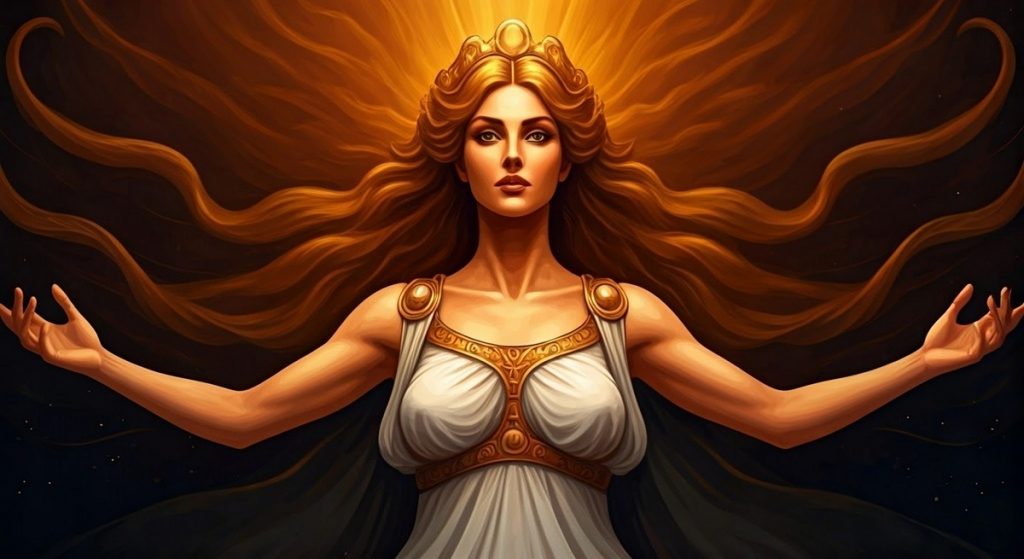
One reason Hera became feared is because her revenge was never casual. If she was angry, she committed emotionally, spiritually, and professionally.
Many myths describe Hera punishing Zeus’s lovers or children with shocking intensity. For example, she famously tormented Heracles — known to the Romans as Hercules — basically from birth. Imagine being hated by someone so powerful that your problems begin before you can even speak.
Now, to be fair, modern readers often point out that Zeus was usually the real problem. Hera frequently targeted the wrong people because mythology reflected ancient cultural attitudes about marriage, loyalty, and female rage. But from the perspective of ancient Greeks, Hera’s fury was terrifying because it felt unstoppable.
And unlike gods who exploded dramatically and moved on, Hera held grudges with frightening organization. She was not “seeing red.” She was creating a long-term revenge strategy with folders and timelines.
Oddly enough, this also made people respect her. Hera cared deeply about betrayal because marriage vows mattered to her. Her anger came from wounded loyalty, not random cruelty.
3. She Represented Marriage and Family

Despite her fearsome reputation, Hera was deeply loved as the goddess of marriage, women, and family life. Ancient Greek women especially prayed to Hera for protection, healthy marriages, fertility, and stability.
This is what makes Hera so fascinating: she could be compassionate and nurturing while also being emotionally terrifying. Basically, she invented the phrase “I’m not angry, I’m disappointed,” except the disappointment came with divine punishment.
To ancient worshippers, Hera represented sacred commitment. Marriage wasn’t seen as casual in Greek society — it was the foundation of family and social order. Hera protected that institution fiercely, which is why betrayal enraged her so deeply.
Ironically, her own marriage to Zeus was an absolute disaster. Greek mythology really said, “Here’s the goddess of marriage. Her husband will now behave like a man who should never be left unsupervised.”
Still, many people admired Hera because she stayed powerful even in humiliation. She wasn’t weak, passive, or invisible. She demanded recognition in a world dominated by male gods.
4. She Was One of the Few Gods Who Could Challenge Zeus
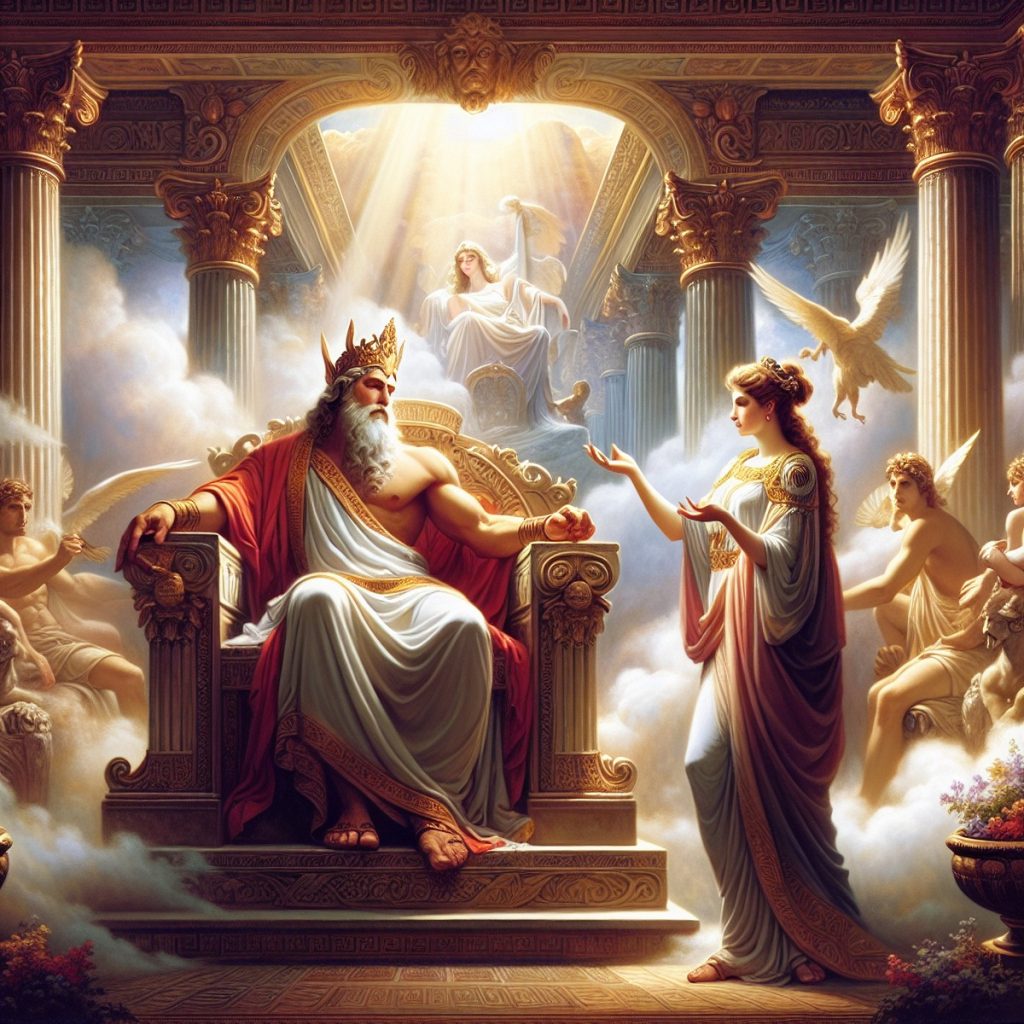
Most gods feared Zeus because he controlled thunder, the sky, and apparently everyone’s stress levels. But Hera regularly challenged him openly, which made her incredibly intimidating.
She argued with Zeus, plotted against him, and occasionally rebelled against his authority. That took serious courage because Zeus was not exactly known for calm conflict resolution. His favorite hobby was throwing lightning at problems.
Hera’s willingness to confront him made her respected among both gods and mortals. She wasn’t submissive. She was politically intelligent and emotionally fearless. Even when she lost arguments, she rarely backed down quietly.
At the same time, this made her dangerous. Hera understood Olympus better than almost anyone. She knew the gods’ weaknesses, secrets, and emotional vulnerabilities. Imagine living in a palace where the queen remembers everything you’ve ever done wrong. Terrifying.
Yet people also sympathized with her. Many myths portray Hera as a woman trapped in a painful marriage while trying to maintain her dignity in front of an entire divine audience. That emotional complexity made her feel strangely human despite her enormous power.
5. She Balanced Grace With Absolute Chaos

One of the reasons Hera remains so memorable is because she combined elegance with terrifying emotional intensity. She was associated with beauty, royalty, peacocks, crowns, and sacred ceremonies — but also with curses powerful enough to ruin generations.
In other words, Hera had the energy of someone arriving at a royal banquet looking flawless while secretly planning everyone’s downfall.
Ancient Greeks admired gods who reflected real human emotions, and Hera embodied jealousy, heartbreak, pride, and loyalty in extreme form. Unlike some gods who seemed emotionally detached, Hera felt painfully real. She loved deeply, became furious deeply, and remembered betrayals forever.
This made her relatable in a strange way. Plenty of people have experienced betrayal or humiliation. Hera simply responded with the power level of a divine queen instead of passive-aggressive social media posts.
Her dual nature — graceful yet terrifying — made her unforgettable. She wasn’t purely kind or purely cruel. She was layered, emotional, powerful, and impossible to ignore.
6. Modern Audiences See Her Differently Than Ancient Greeks Did

Today, many people reinterpret Hera more sympathetically than ancient myths originally intended. Modern readers often look at her stories and think, “Honestly, she was dealing with an impossible situation.”
Ancient Greek myths sometimes portrayed Hera as jealous or vindictive because society often judged women more harshly for anger. But modern audiences tend to notice how much humiliation and betrayal she endured constantly.
Imagine being the goddess of marriage while your husband repeatedly causes scandals across heaven, earth, forests, islands, caves, and apparently every available location in existence. Hera’s patience alone deserves historical recognition.
This modern reinterpretation has made her more loved than feared in some circles. People admire her resilience, intelligence, and refusal to disappear quietly. She wasn’t a perfect figure, but she was powerful in a way that still resonates today.
Also, let’s be honest: compared to many Greek gods, Hera’s reactions sometimes feel surprisingly understandable. Olympus as a whole was basically a supernatural reality show with lightning. Hera just happened to be one of the few characters who occasionally acted like someone should face consequences.
7. She Reminds People That Powerful Women Are Often Misunderstood

At the heart of Hera’s story is something timeless: society often fears powerful women while simultaneously admiring them.
Hera was commanding, emotional, intelligent, proud, and unwilling to tolerate disrespect quietly. Those qualities made her threatening in mythology, but they also made her deeply compelling.
She wasn’t written as a soft, agreeable figure who existed only to support others. Hera had her own authority, her own voice, and her own rage. Ancient stories sometimes framed that negatively, but modern audiences often see strength in it.
That’s why Hera continues to fascinate people thousands of years later. She represents the complicated reality of power: the stronger and more outspoken someone becomes, the more likely they are to be both admired and feared.
And honestly, Hera’s legacy can probably be summarized like this: she was elegant, loyal, emotionally exhausted, occasionally terrifying, and absolutely done with Zeus’s nonsense by year three of eternity.

Lover of good music, reading, astrology and making memories with friends and spreading positive vibes! 🎶✨I aim to inspire others to find meaning and purpose through a deeper understanding of the universe’s energies.