

Sin is a word that stirs up a lot of feelings and debates. Some see it as a heavy burden, and others as absolute freedom.
It’s essentially in our control, though it rarely feels like it.
Even people of faith can’t fully agree on what sin is: a necessary evil, or something to be avoided at all costs, or a constant that God will forgive at the end of the day.
Let’s hear what some wise people from the past have to say. They might just inspire us to live more godly lives!
1. Is Sin Freedom?

A popular Christian idiom goes, “Sin looks like freedom, until you try to stop.” Let that sink in.
Personally, these words came as an awakening to me because, like most people, I recognize that virtue takes a lot of work and restraint, and sin doesn’t.
You can stop being virtuous at the flip of a switch.
However, if you give in to drinking, substances, excessive lust, gluttony, sloth, or any other wrongdoing, stopping feels almost impossible.
The more you indulge, the tighter the chains become.
It takes all the strength you have and sometimes professional help to get out!
So, all things considered, which one sets you free?
2. The Danger of Self-Deception

We tend to try and convince ourselves that our wrongdoings aren’t truly that bad.
A person who indulges in small vices might compare themselves to a thief or a murderer, and think they’re morally superior.
But, as St. Augustine admitted, “My sin was all the more incurable because I did not think myself a sinner.”
This denial is common, and it blinds us to our true condition.
Coming to terms with our wrongdoings is the first step toward genuine change. Ignoring it only deepens the problem and makes it even harder to stop.
The more we refuse to see what’s broken, the harder it is to heal ourselves.
Self-awareness may be painful, but it’s necessary.
3. Sin as a Barrier to Clarity

When your mind is clouded by wrongdoing and vice, clarity and peace become impossible.
Gregory of Nyssa reminds us, “When the mists of sin no longer cloud the eye of the soul, you see that blessed vision clearly in the peace and purity of your own heart.”
Wrongdoing distorts our perception, making us blind to what truly matters.
Living in honesty and repentance clears that confusion, leaving our hearts pure. Clarity comes when we stop running from our faults, choosing to confront them instead.
Only then can we see the life God intended for us – a life of peace and genuine joy.
4. The Cost of Doing Wrong
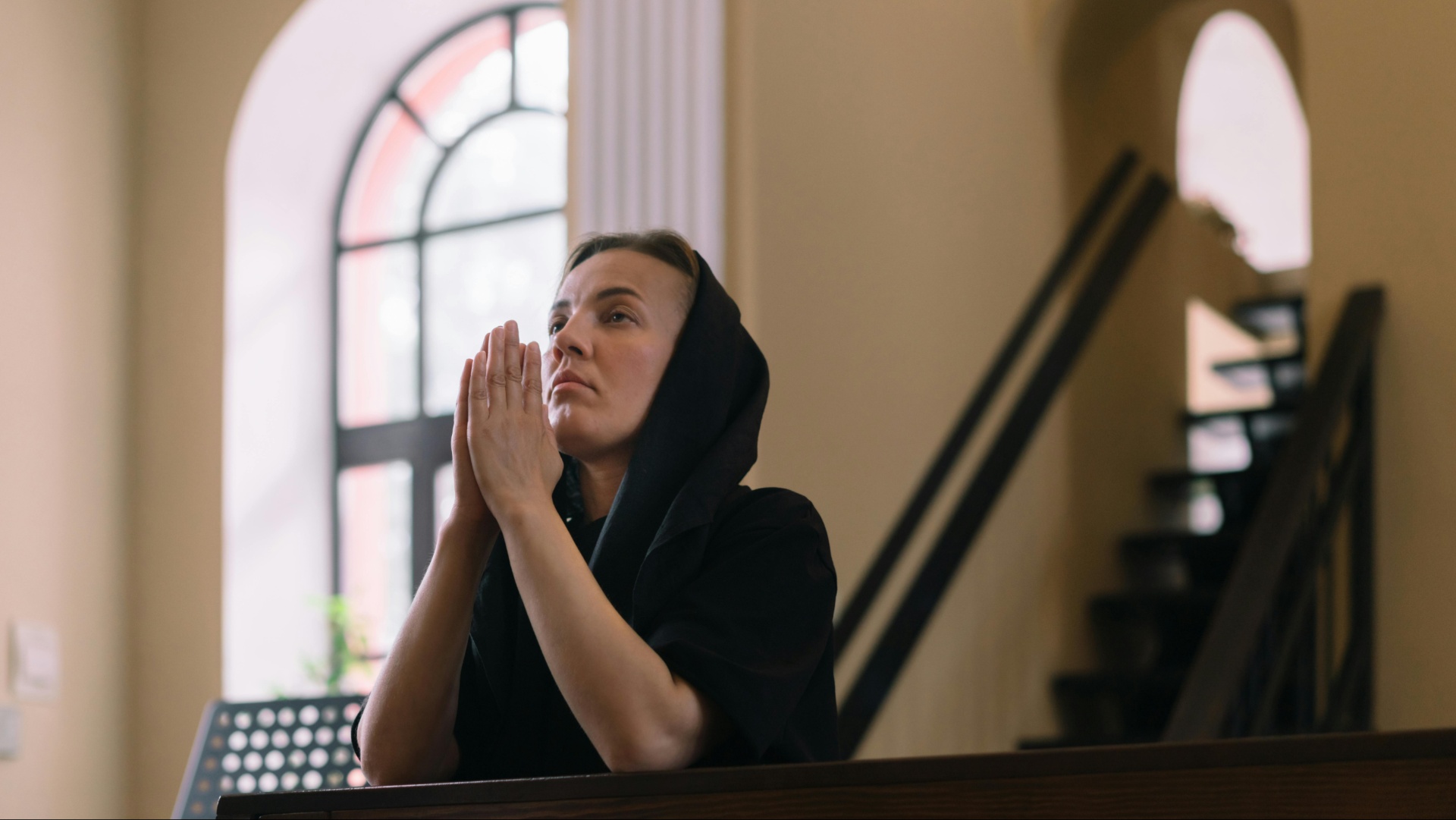
“Indeed, he who does wrong is more to be lamented than he who suffers it,” said St. Leo the Great.
Wrongdoers not only hurt others but also plunge themselves into a deeper punishment.
By sinning, we’re not just breaking rules; we’re breaking ourselves.
It’s a destructive force that leads us away from the goodness we were created for. The real tragedy is that many don’t see the harm they cause until it’s too late.
Recognizing the cost of wrongdoing helps us understand that turning away from it is an act of self-love and wisdom.
We have the choice not to be prisoners of our own destructive choices.
5. Remembering Christ’s Sacrifice
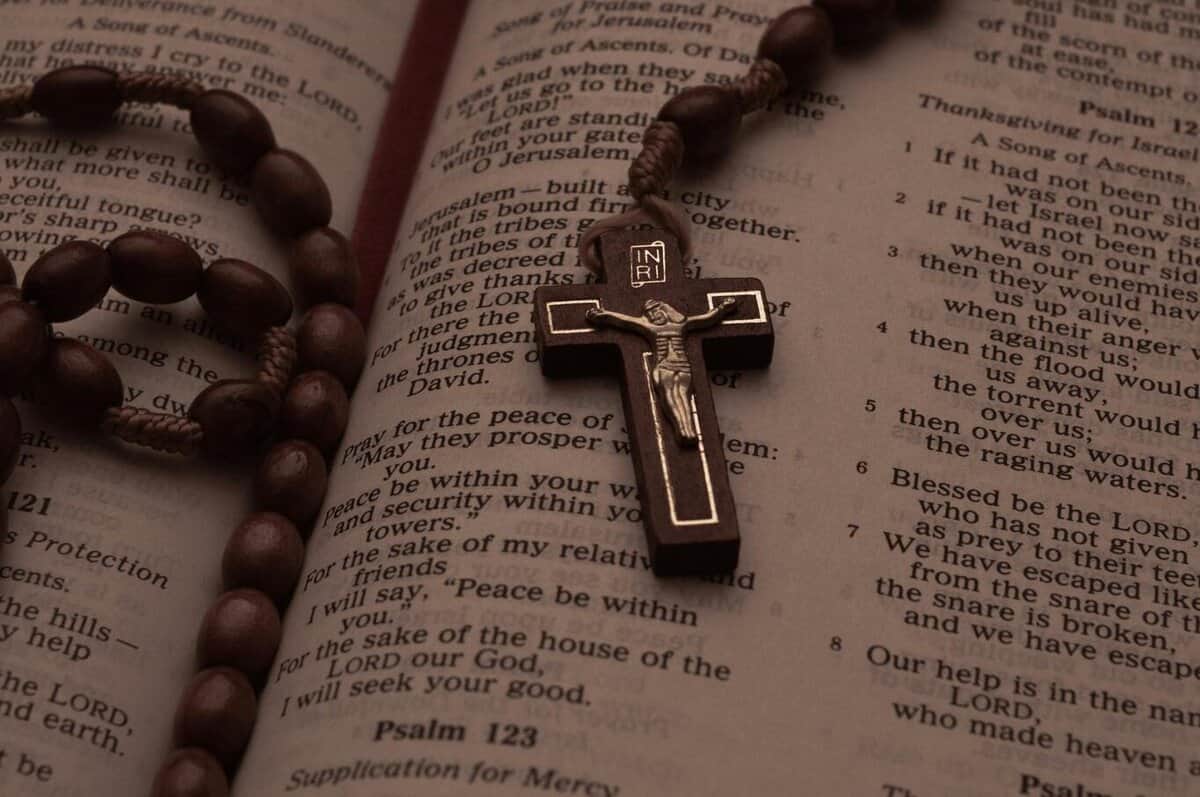
St. Gregory Nazianzen said, “For your sake, and because of your sin, Christ himself was regarded as a sinner.”
It’s a staggering thought.
We know this truth, but reflecting upon it still stops many of us in our tracks: Jesus, innocent and godly, took on the weight of our misdeeds.
His suffering wasn’t meant to make us feel guilty; it was meant to make us feel loved.
Let this also be a reminder that wrongdoing isn’t just a personal issue. It also affects the divine.
This should humble and motivate us to turn away from destructive habits. We’re called to stop doing wrong out of gratitude to Him.
6. Conscience as a Prison
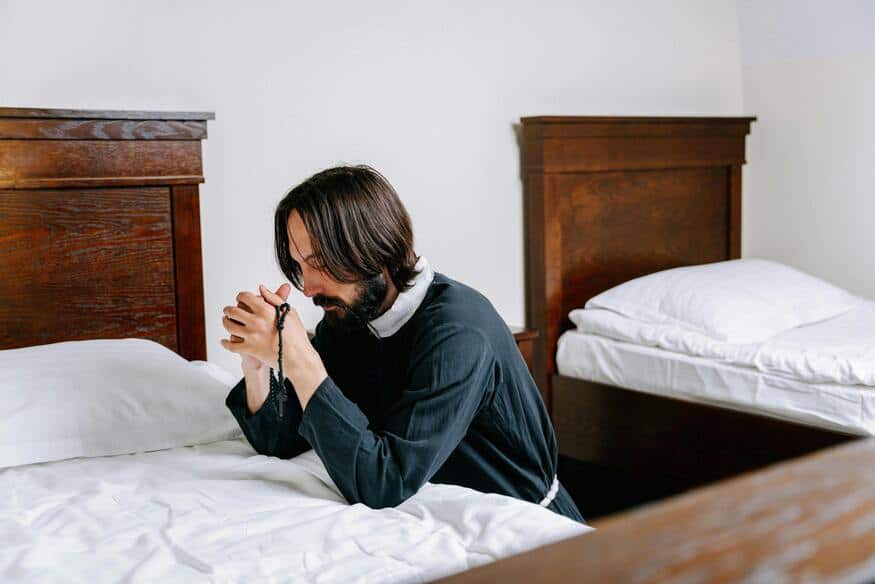
Fyodor Dostoyevski said through the mouth of Raskolnikov, “The man who has a conscience suffers whilst acknowledging his sin.”
That suffering can feel like punishment, but it’s also a sign of hope. Our conscience is a divine gift, meant to guide us toward righteousness.
By ignoring it, we become numb and indifferent, sometimes losing the ability to feel remorse or hope.
However, if we’re willing to suffer the consequences, we experience the pain of correction that leads to growth!
Facing our misdeeds honestly is the first step toward freedom.
Having an active conscience might be painful, but it’s our gateway to grace and transformation.
7. Sin as a Form of Theft

Khaled Hosseini said, “There is one sin, only one. And that is theft. Every sin is a variation of theft.”
These words ring truer the more you think about them. When we deceive or hurt someone, we’re essentially stealing the peace of another person.
Recognizing sin as theft exposes its true nature: it’s an attack on love and trust.
The antidote is generosity, honesty, and integrity.
Living righteously means giving instead of taking and restoring what’s been stolen.
Virtue enriches our lives and others’, while wrongdoing takes away from both.
8. Self-Destruction from Within
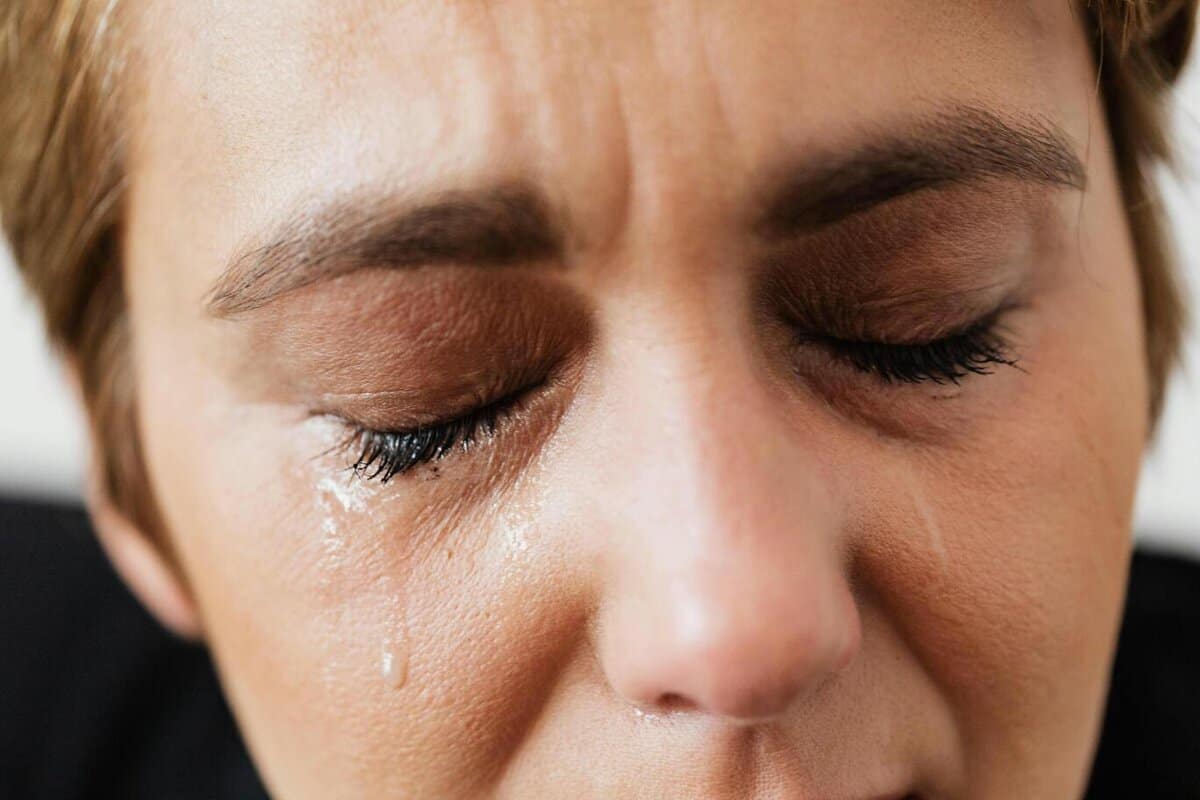
William Paul Young said, “Sin is its own punishment, devouring you from the inside.”
Sadly, that internal decay is often invisible until it’s too late. Wrongdoing and vice eat away at our relationships and our sense of purpose.
They promise pleasure but deliver emptiness.
The real danger is that we might become numb to its power, tricking ourselves into thinking we’re doing okay.
This is a warning and a wake-up call: true fulfillment comes from living a righteous life.
9. Growth as the Antidote

Richard Rohr reminds us, “Sin happens whenever we refuse to keep growing.”
Stagnation inevitably leads to complacency and moral failure. When we stop trying to learn and heal, we open ourselves to bad judgment.
Growth requires humility and effort, allowing us to become more patient, loving, and forgiving.
Sin often disguises itself as comfort, but true growth happens when we leave our comfort zone.
Choosing to keep developing keeps us alert.
We’re less likely to fall into destructive patterns and more focused on our divine purpose.
10. Pride as the Worst Sin

Eugene Peterson warned, “It is difficult to recognize pride as a sin when it is held up on every side as a virtue, urged as profitable, and rewarded as an achievement.”
Pride is sneaky; it often disguises itself as confidence and self-worth.
It makes us resistant to criticism and blind to our faults.
It’s the root of many other sins because it allows us to put ourselves above other people, and even above God.
Humility, on the other hand, pushes us to seek growth and forgiveness.
Letting go of pride allows us to live more freely and have a genuine connection with God.

A little Aquarius, devoted to writing and embroidery. Through my writing, I hope to empower readers to align with their true selves and navigate life’s mysteries with confidence.