
The ocean is already terrifying. It’s deep, dark, and full of creatures we still haven’t discovered—which is exactly why ancient civilizations looked at it and said, “You know what this needs? Monsters.”
Across cultures, the sea has always been a place of mystery and danger, so naturally, people filled it with giant serpents, tentacled nightmares, and creatures that seemed personally offended by boats. These weren’t just spooky stories—they explained storms, shipwrecks, and the general feeling that the ocean does 不 want you there.
So grab your imaginary life jacket and let’s meet the most legendary sea monsters that made sailors seriously reconsider their career choices.
1. Kraken (Norse Mythology)
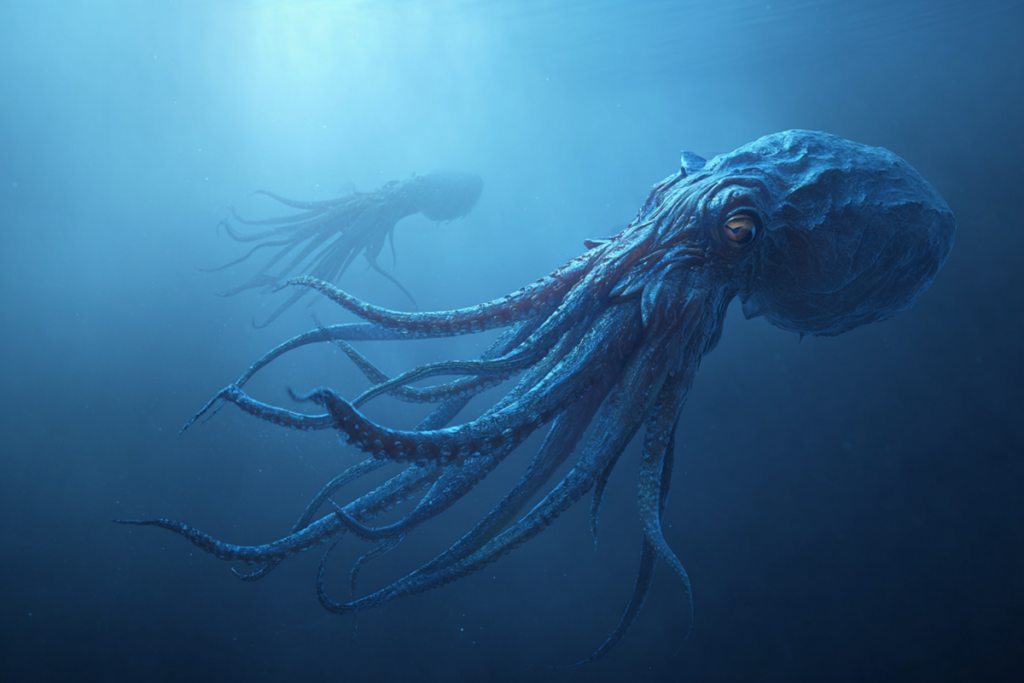
The Kraken is basically what happens when the ocean decides it’s tired of your nonsense. Originating in Scandinavian folklore, this massive, tentacled creature was said to dwell off the coasts of Norway and Iceland, patiently waiting for ships to come a little too close.
Descriptions vary, but one thing is consistent: it’s enormous. We’re talking “mistaken for an island” levels of huge. Sailors would allegedly land on it, thinking they’d found solid ground, only to realize too late that the “island” had opinions.
The Kraken would drag entire ships into the depths, often creating whirlpools in the process. Dramatic? Absolutely. But also a pretty effective explanation for mysterious disappearances at sea. Honestly, if I saw giant tentacles rise out of the water, I too would simply accept my fate.
2. Leviathan (Biblical Tradition)
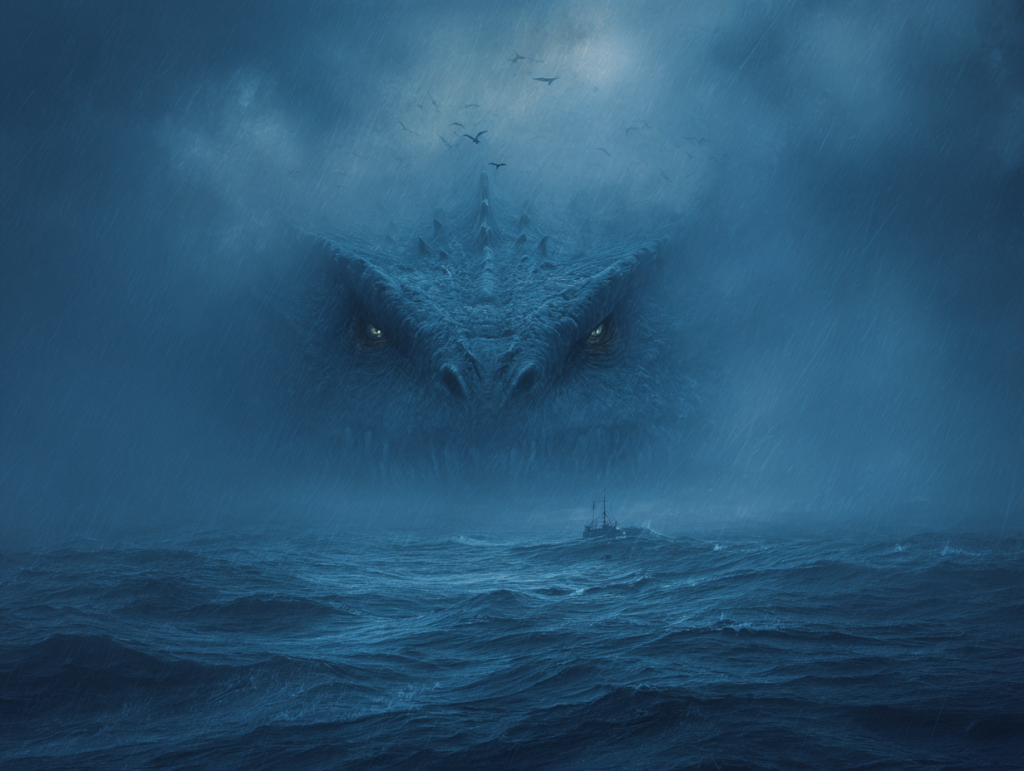
If the ocean had a final boss, it would be Leviathan. This massive sea serpent appears in texts like the Book of Job, where it’s described as a creature so powerful that only God can control it.
Leviathan isn’t just big—it’s unstoppable. Some descriptions even give it armor-like scales and the ability to breathe fire, which feels unnecessary but very on-brand for ancient chaos creatures.
Symbolically, Leviathan represents chaos and the untamable forces of nature. Translation: the ocean is not your friend.
Unlike some monsters that just sink ships for fun, Leviathan carries a deeper meaning. It’s less “random attack” and more “cosmic reminder that humans are not in charge here.” Which, honestly, still feels accurate.
3. Jörmungandr (Norse Mythology)
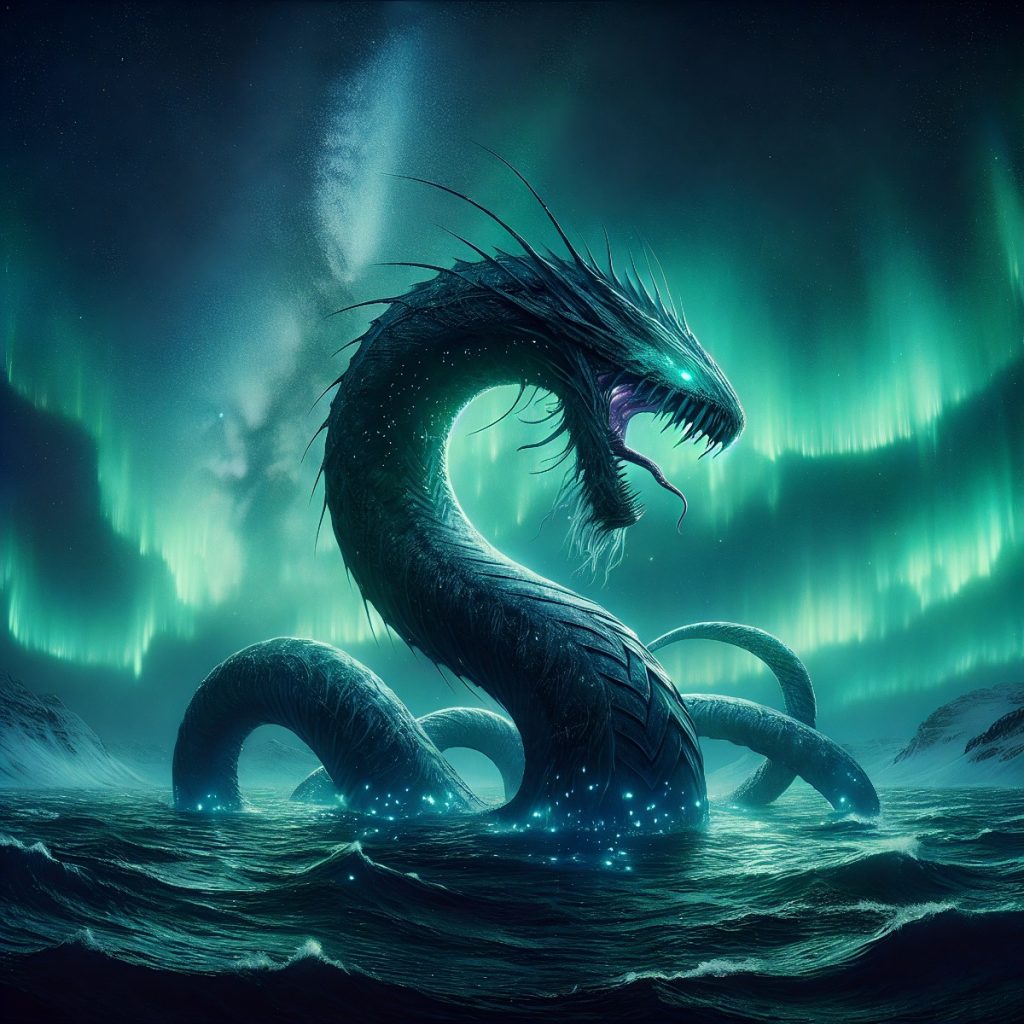
We’ve met him before, but he absolutely deserves a spot here too. Jörmungandr is so large that he wraps around the entire world, chilling in the ocean like it’s his personal bathtub.
Also known as the Midgard Serpent, he spends most of his time minding his business—by which I mean encircling the planet and occasionally causing existential dread.
At Ragnarok, he rises from the sea to battle Thor in a fight that ends with both of them dying. So yes, he’s not just a sea monster—he’s an apocalyptic event waiting to happen.
Casual.
4. Scylla (Greek Mythology)
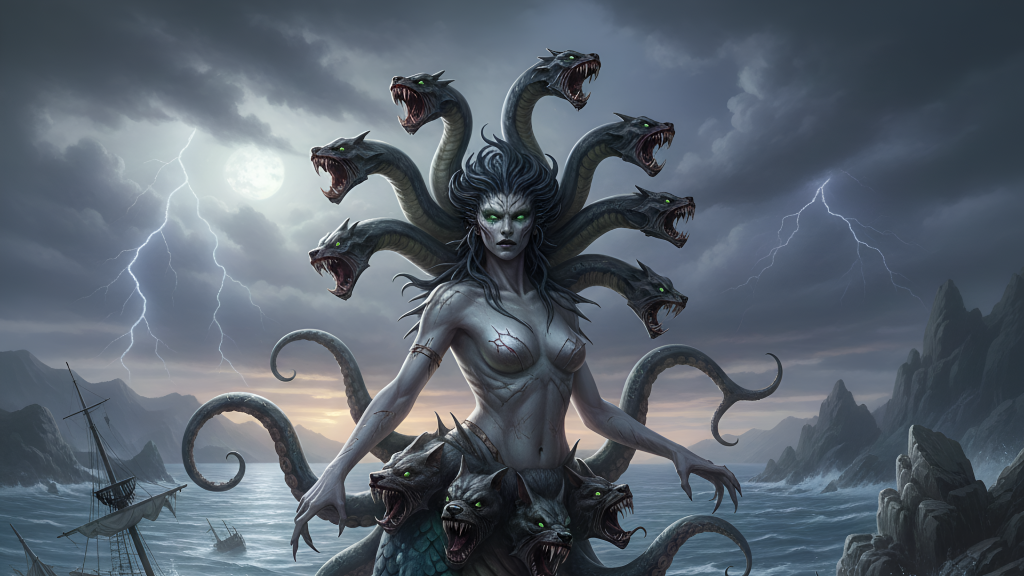
If you’ve ever heard the phrase “between a rock and a hard place,” you can thank Scylla. She lived on one side of a narrow strait, with another monster on the other side (we’ll get to that), making navigation a literal nightmare.
Scylla is often depicted as a creature with multiple heads—each one ready to snatch sailors off passing ships like snacks. Efficient? Yes. Horrifying? Also yes.
She appears in The Odyssey, where even the hero Odysseus has to make a tough call: lose a few crew members to Scylla or risk total destruction elsewhere.
Not exactly comforting odds.
5. Charybdis (Greek Mythology)
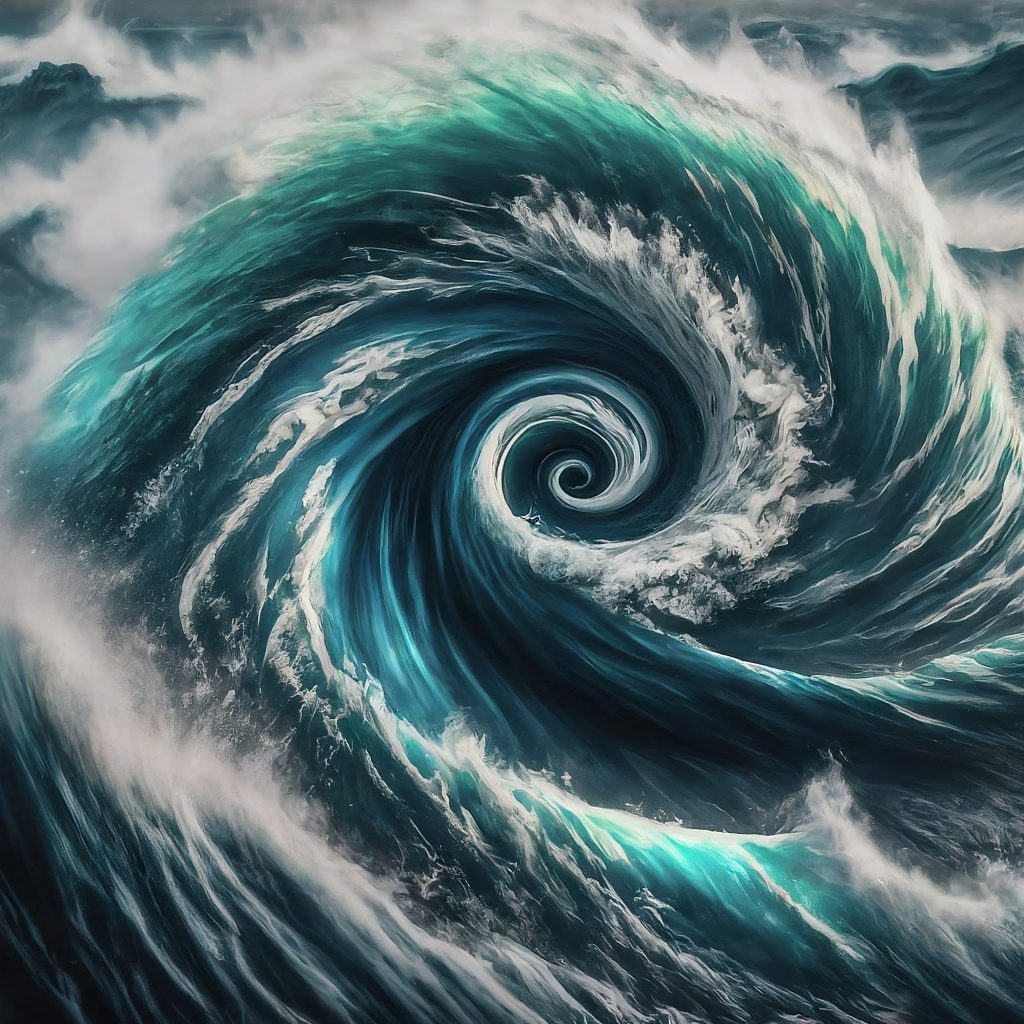
On the opposite side of Scylla’s cliff lives Charybdis, who proves that sometimes the ocean itself is the monster.
Charybdis isn’t a creature in the traditional sense—she’s a giant, living whirlpool that sucks in massive amounts of water (and anything in it) and then spits it back out. Repeatedly. Because one terrifying cycle wasn’t enough.
Sailors had to choose: get too close to Scylla and lose a few people, or get too close to Charybdis and lose 一切.
It’s the original lose-lose situation, and honestly, it really captures the vibe of ancient sea travel.
6. The Lusca (Caribbean Folklore)
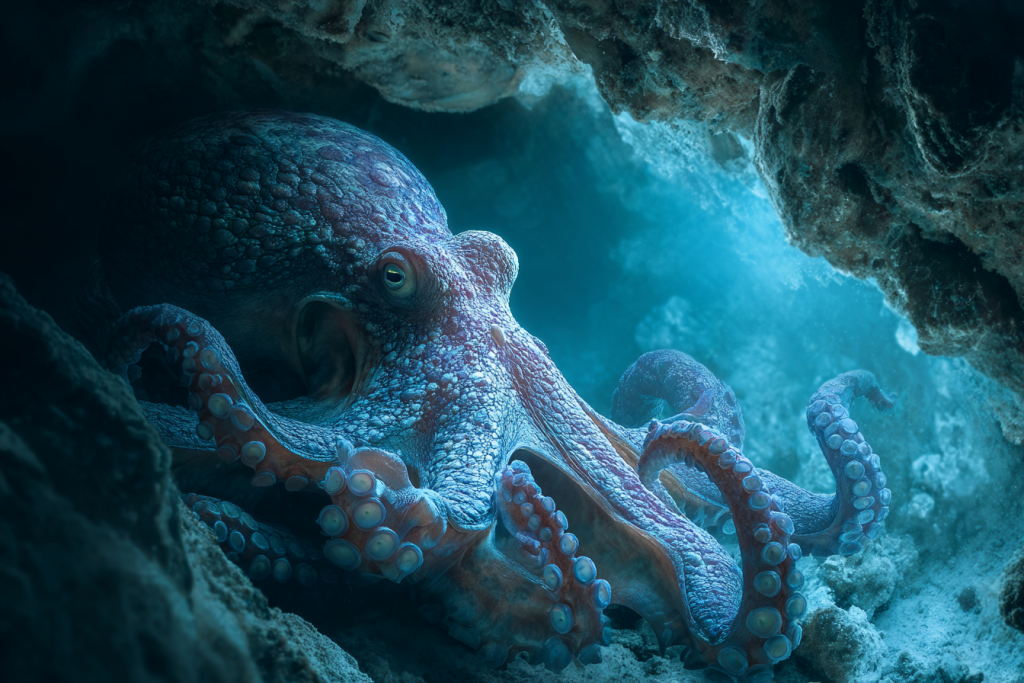
The Lusca is what happens when folklore looks at an octopus and says, “Let’s make it worse.” Found in Caribbean legends, especially around the Bahamas, this creature is described as a massive octopus—or sometimes a terrifying octopus-shark hybrid (because why not).
It’s said to lurk in underwater caves known as blue holes, waiting to ambush anything that gets too close. Which is already unsettling, considering how creepy underwater caves are 没有 monsters.
The Lusca is blamed for disappearances and mysterious events at sea, proving once again that if something goes wrong in the ocean, the default explanation is: “Probably a monster.”
7. Umibōzu (Japanese Folklore)
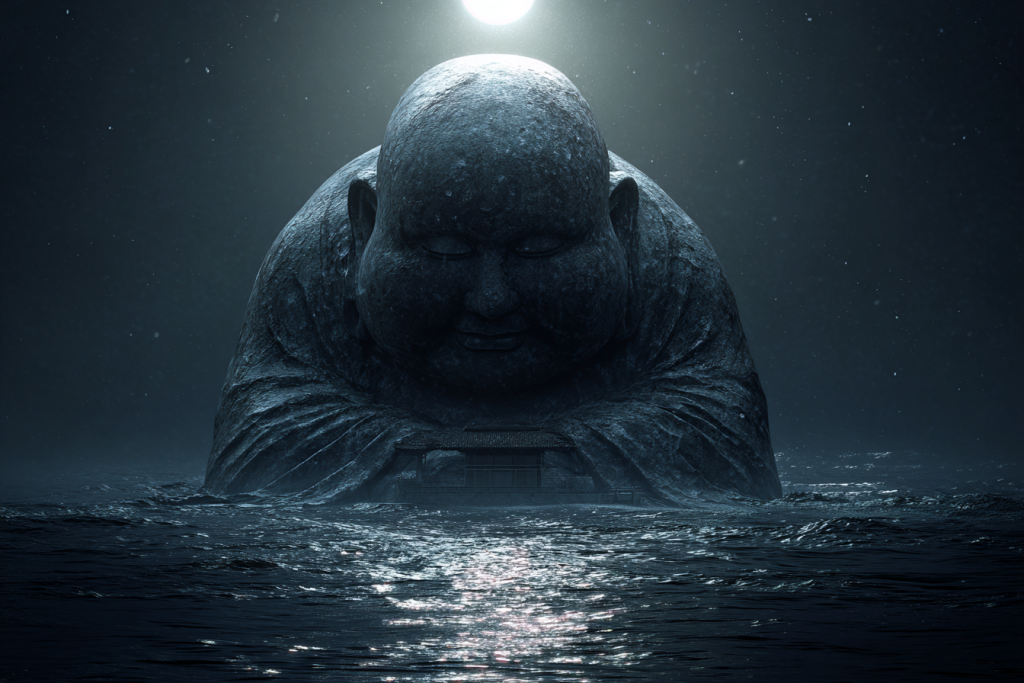
From Japan comes the Umibōzu, a sea spirit that appears suddenly during calm seas—because apparently, peace and quiet were suspicious.
It’s often described as a giant, shadowy figure rising from the water, with a smooth, rounded head and very bad intentions. Instead of dramatic tentacles or teeth, it relies on sheer presence and chaos.
The Umibōzu would capsize ships or demand offerings from sailors, who had exactly zero good options in that situation.
It’s less “monster attack” and more “supernatural ambush,” which somehow makes it even creepier.
8. Ceto (Greek Mythology)
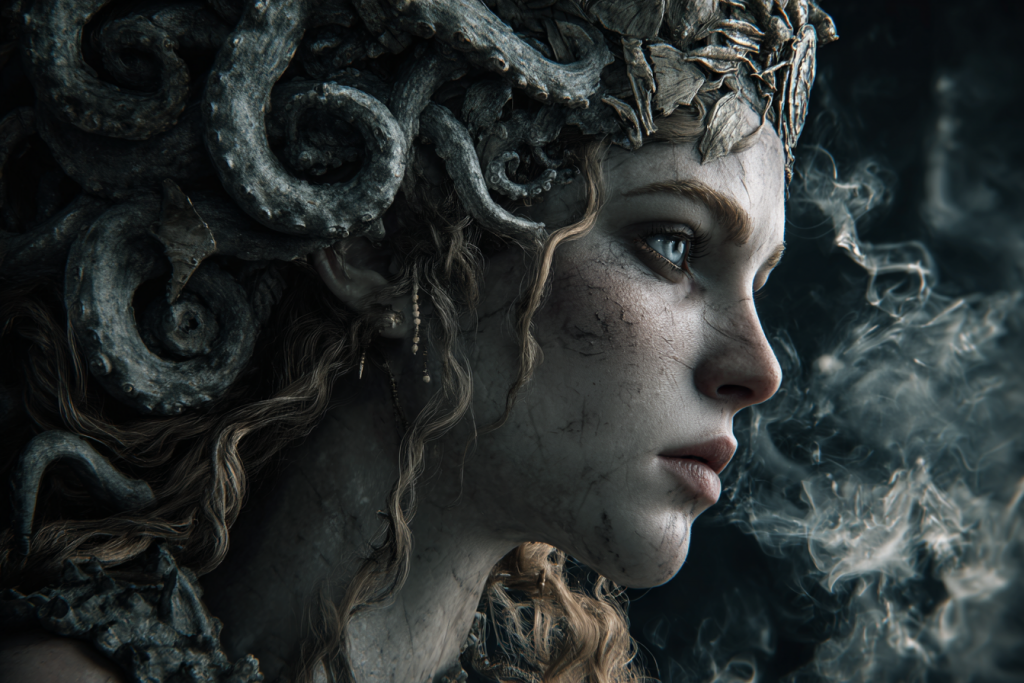
Ceto is less a single monster and more the mother of sea monsters—which honestly feels like an even bigger flex.
In Greek mythology, Ceto represents the dangers of the ocean itself and is associated with various monstrous offspring. Basically, if it’s terrifying and lives in the sea, there’s a good chance she’s related to it.
She embodies the idea that the ocean isn’t just dangerous—it’s generative, constantly producing new threats. Which is comforting. Not.
9. Makara (Hindu Mythology)
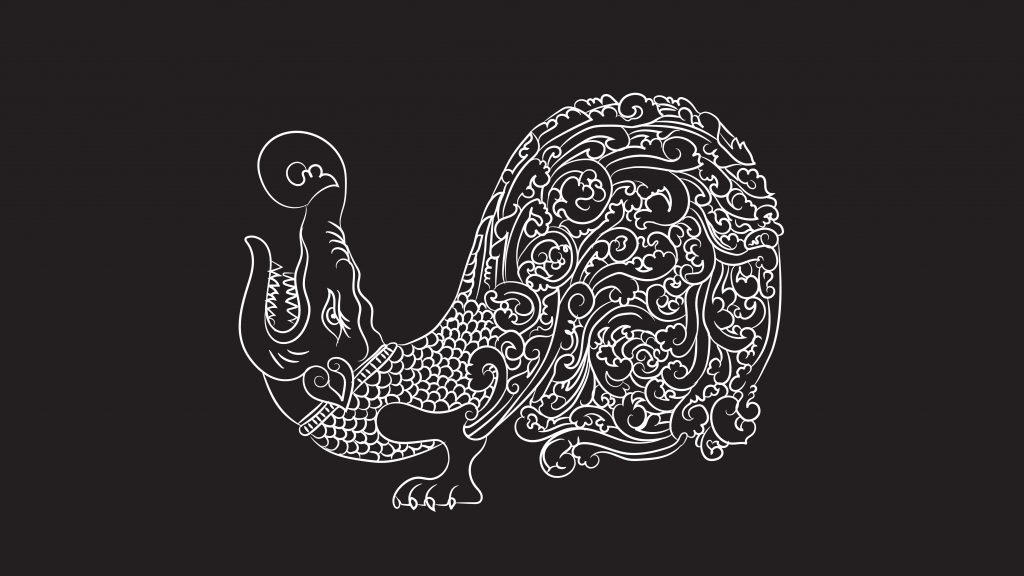
The Makara from India is a bit different—it’s not purely terrifying, but it’s definitely… creative.
Often depicted as a hybrid creature (part crocodile, part fish, sometimes with elephant-like features), the Makara serves as a vehicle or symbol for various deities, including river and sea gods.
It represents the unknown depths and unpredictable nature of water, combining multiple animals into one very confusing but powerful being.
So while it’s not always out here destroying ships, it still carries that classic mythological energy of “we do not fully understand what’s in the water, and that’s concerning.”
10. The Aspidochelone (Medieval Legend)
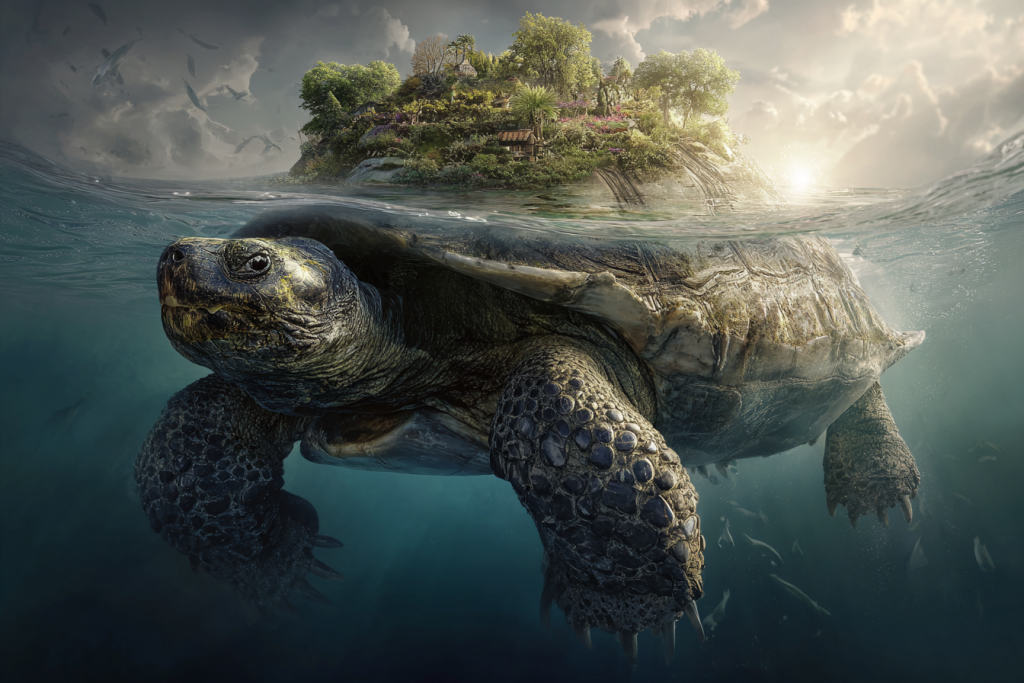
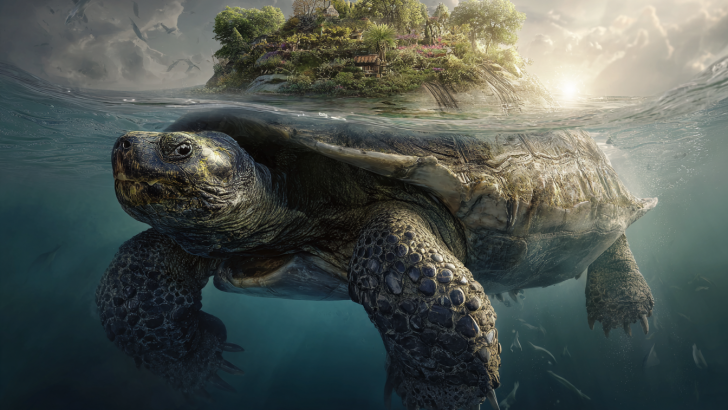
Ending on a classic: the Aspidochelone, a giant sea creature (often described as a turtle or whale) so large that sailors mistake it for an island.
Naturally, they land on it, set up camp, maybe start a fire—and then the creature dives, taking everything (and everyone) with it.
It’s basically the ocean version of a trapdoor.
This legend appeared in medieval bestiaries and served as both a cautionary tale and a metaphor for deception. Because sometimes, what looks safe… absolutely isn’t.
Also, maybe don’t trust random islands that appear out of nowhere. Just a thought.

Lover of good music, reading, astrology and making memories with friends and spreading positive vibes! 🎶✨I aim to inspire others to find meaning and purpose through a deeper understanding of the universe’s energies.