
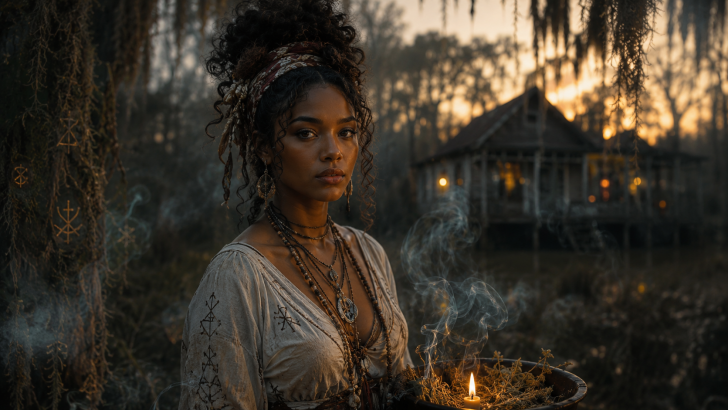
In the American South, especially in places like Louisiana, Voodoo developed through a long process of adaptation, survival, and cultural blending.
Enslaved Africans brought spiritual knowledge, rituals, and healing practices with them, and over time, these beliefs mixed with Catholic symbolism, Native American herbal knowledge, and local folk traditions.
Because of pressure, fear, and misunderstanding, many practices were hidden or practiced quietly within homes and small communities.
Still, these traditions did not disappear. Instead, they transformed into subtle forms that could survive changing times and social conditions.
Today, they remain present in herbal healing, spiritual customs, symbolic rituals, and cultural memory passed through generations.
These surviving practices are not about fantasy or horror stories. They reflect resilience, identity, and a deep connection to ancestral wisdom and nature.
Here are eight hidden Voodoo traditions that survived in the American South.
1. Gris-Gris Bags for Protection and Personal Power
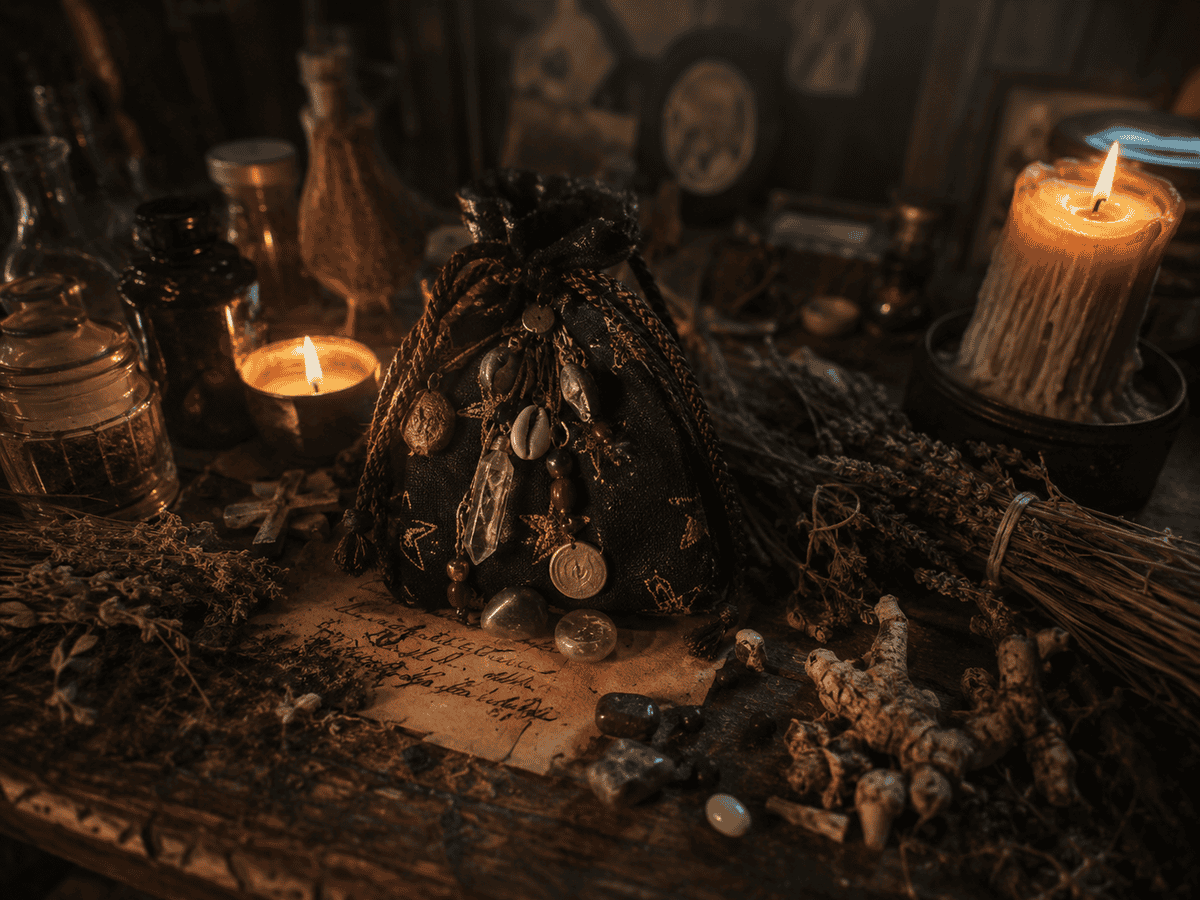
One of the most recognizable traditions linked to Voodoo in Louisiana is the gris-gris bag.
These small handmade bundles are usually filled with herbs, roots, stones, coins, written prayers, or symbolic objects chosen for a specific intention.
Each bag is created with a purpose in mind, such as protection, luck, emotional strength, or guidance during difficult situations.
The belief is not about the object itself, but about the intention and spiritual focus placed into it during preparation.
Some traditions involve carrying the bag secretly, keeping it close to the body as a personal source of spiritual support.
Gris-gris bags show how belief, intention, and symbolism can merge into something deeply personal and meaningful.
2. Spiritual Cleansing Baths for Renewal
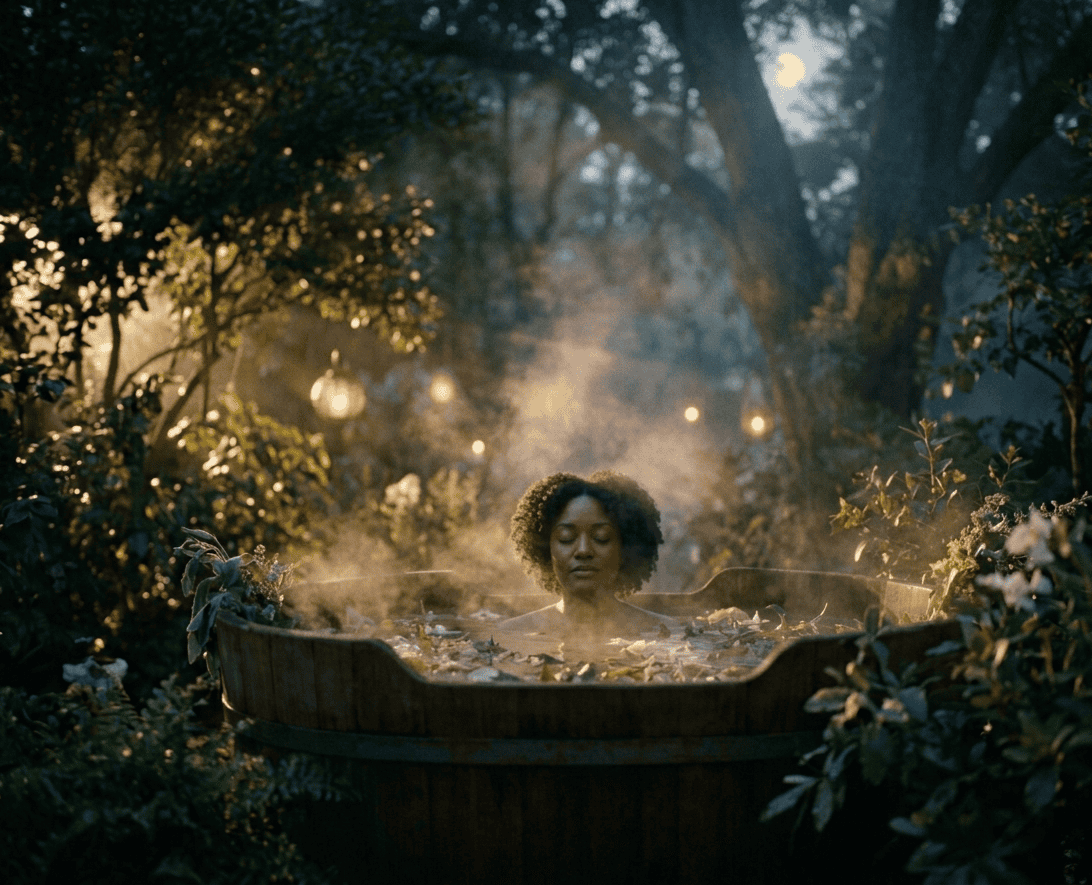
Spiritual baths are another tradition that has survived in Southern Voodoo-influenced culture.
Herbs, flowers, roots, or salts are placed into water to create a cleansing mixture believed to remove emotional heaviness or negative influence.
Voodoo traditions often view water as a powerful carrier of renewal and transformation.
These baths are usually performed during times of emotional stress, illness, or major life transitions.
The process is simple, but the meaning behind it is symbolic, focusing on restoration and balance.
In many communities, the ritual is treated as a way to reset both emotional energy and spiritual clarity, especially after periods of hardship or uncertainty.
3. Candle Rituals and Focused Intention
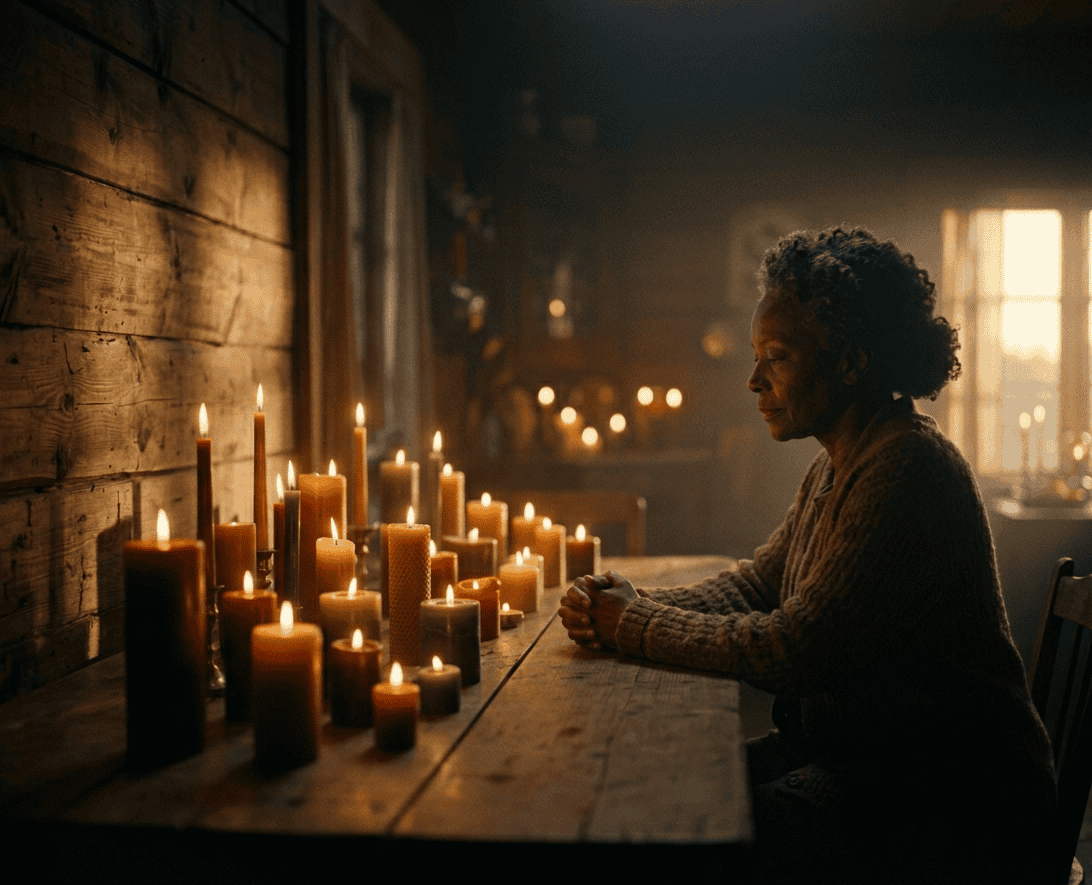
Candle rituals remain widely practiced in traditions influenced by Voodoo spirituality.
Different candle colors are connected with different intentions, such as healing, protection, love, clarity, or strength.
The flame itself is seen as a symbol of attention, focus, and spiritual presence.
Practitioners may pray, meditate, or reflect quietly while the candle burns, allowing intention to be symbolically carried into the spiritual realm.
Voodoo-influenced practices often treat fire as a living symbol of transformation.
Even simple candles become meaningful tools that represent hope, direction, and emotional focus during uncertain times.
4. Rootwork and Traditional Herbal Knowledge
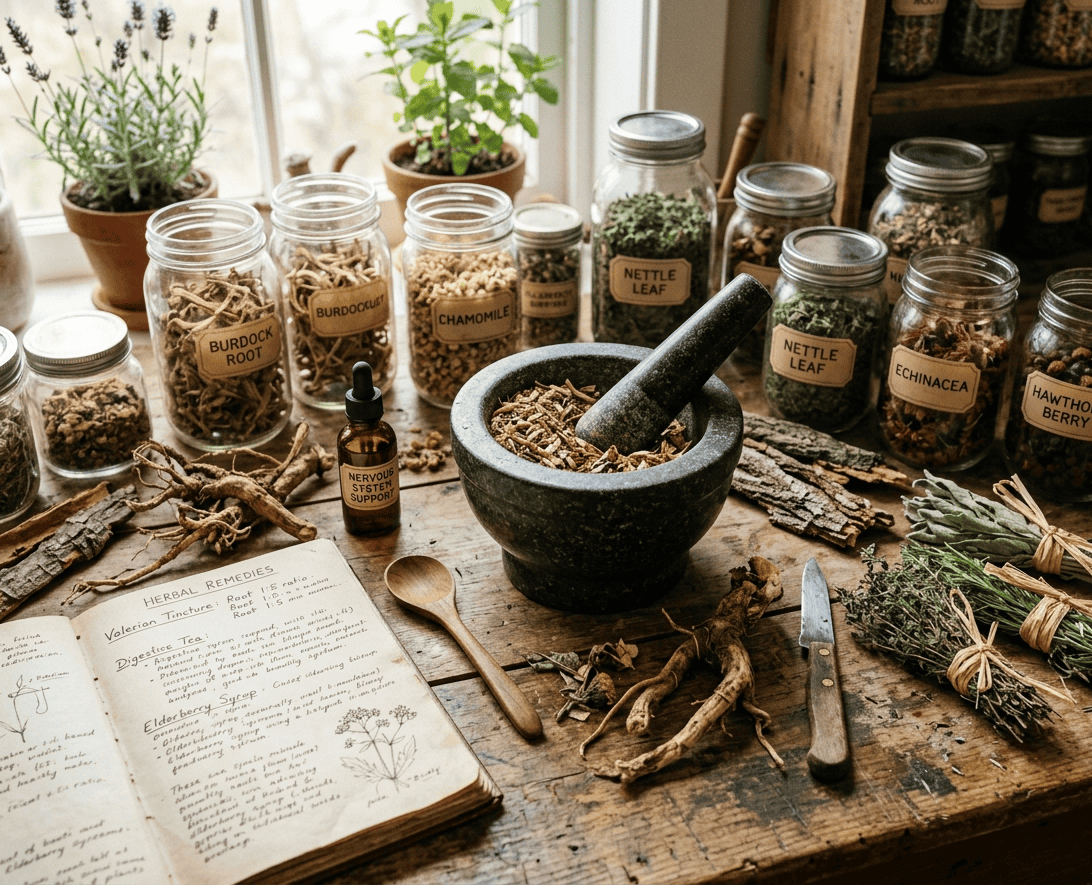
Rootwork is one of the oldest surviving traditions in the American South, influenced by African spiritual systems.
It involves the use of plants, roots, bark, and natural ingredients for both physical healing and spiritual support.
Knowledge of herbs was passed down orally through generations, often within families or small communities.
Voodoo contributed to this practice through African botanical wisdom that merged with local Southern plant knowledge.
Herbs could be used in teas, oils, washes, or protective mixtures depending on need and tradition.
Rootwork reflects a worldview where nature and spirituality are deeply connected, and where healing is understood as both physical and emotional balance.
5. Dreams as Messages and Spiritual Signals
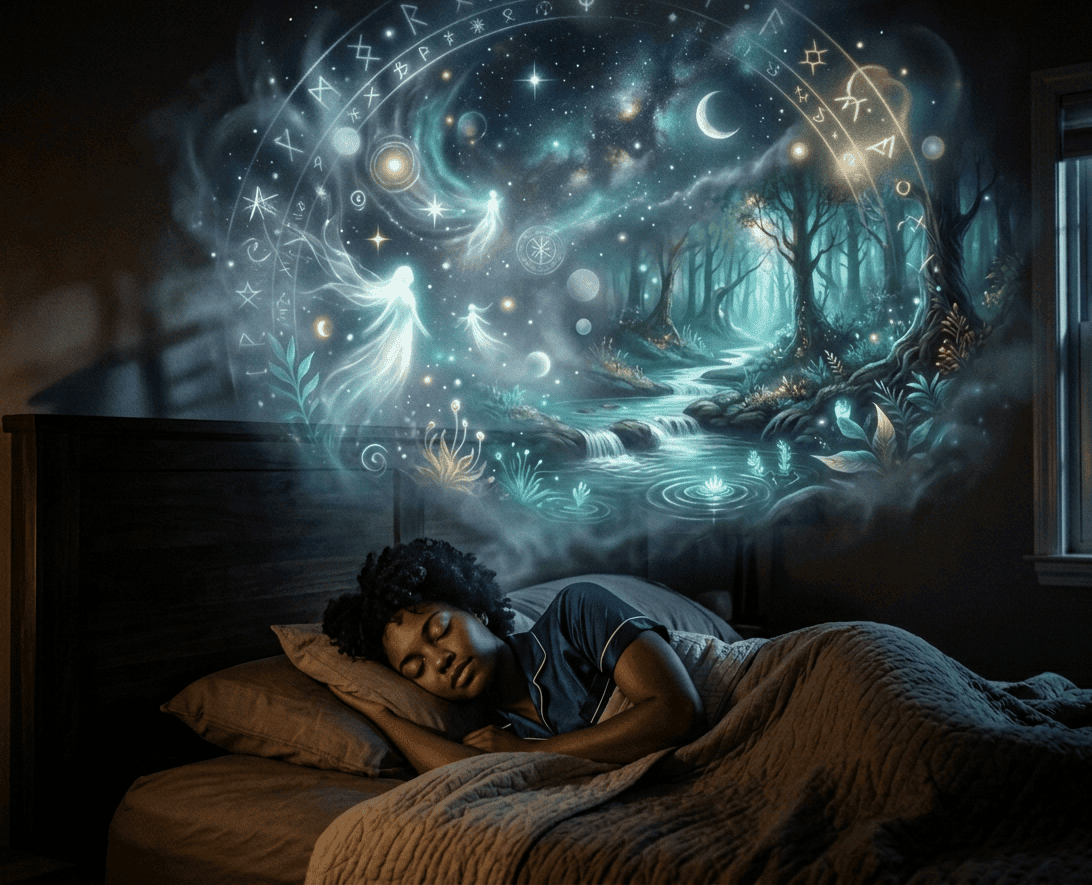
Dream interpretation has long been an important part of Southern spiritual traditions influenced by Voodoo belief systems.
Dreams are often seen as symbolic communication rather than random mental activity.
People may pay attention to repeated images, strong emotions, or unusual dream experiences that feel meaningful.
Voodoo traditions sometimes view dreams as a meeting point between the physical world and spiritual guidance.
In some families, elders would share interpretations to help understand warnings, advice, or emotional insight.
This practice highlights how inner experiences during sleep can be seen as part of a larger spiritual conversation.
6. Crossroads Symbolism and Life Decisions
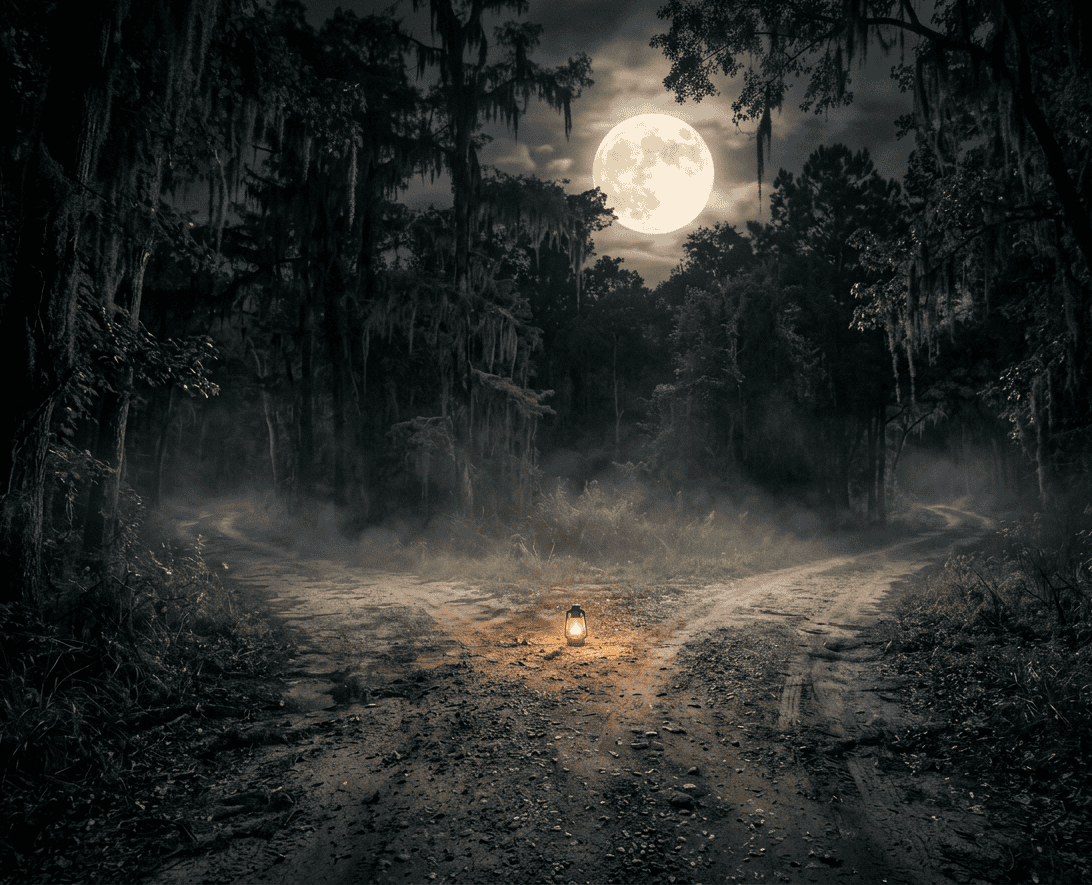
The crossroads is a powerful symbol in Southern spiritual tradition.
It represents decision-making, transition, and moments where different life paths meet.
In Voodoo-influenced belief systems, crossroads are often seen as spiritually active spaces where change becomes possible.
Voodoo traditions connect crossroads with timing, destiny, and personal transformation.
People may visit crossroads symbolically to reflect on choices or seek clarity during uncertain moments.
The idea reflects a deeper belief that life is shaped not only by actions, but also by the moments when direction must be chosen carefully.
7. Ancestral Altars and Family Connection
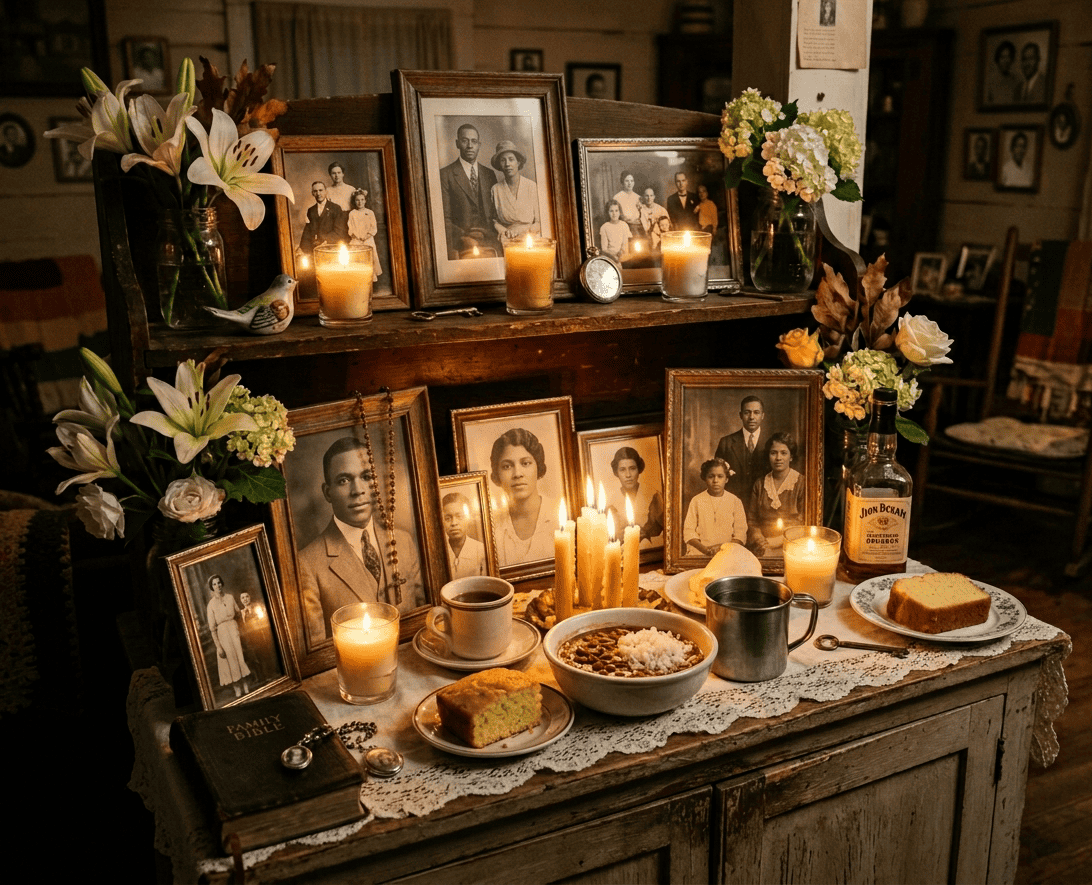
Honoring ancestors is a deeply rooted tradition in many Southern communities influenced by Voodoo culture.
Small altars may include candles, photographs, food offerings, flowers, or objects connected to family members who have passed away.
Voodoo places strong emphasis on maintaining ongoing relationships with ancestors rather than forgetting them after death.
These practices are often private, kept within homes and passed quietly through generations.
The purpose is not fear, but remembrance, respect, and connection.
This tradition explains the belief that family ties continue beyond physical life and remain spiritually meaningful.
8. Hidden Protective Symbols in Everyday Life
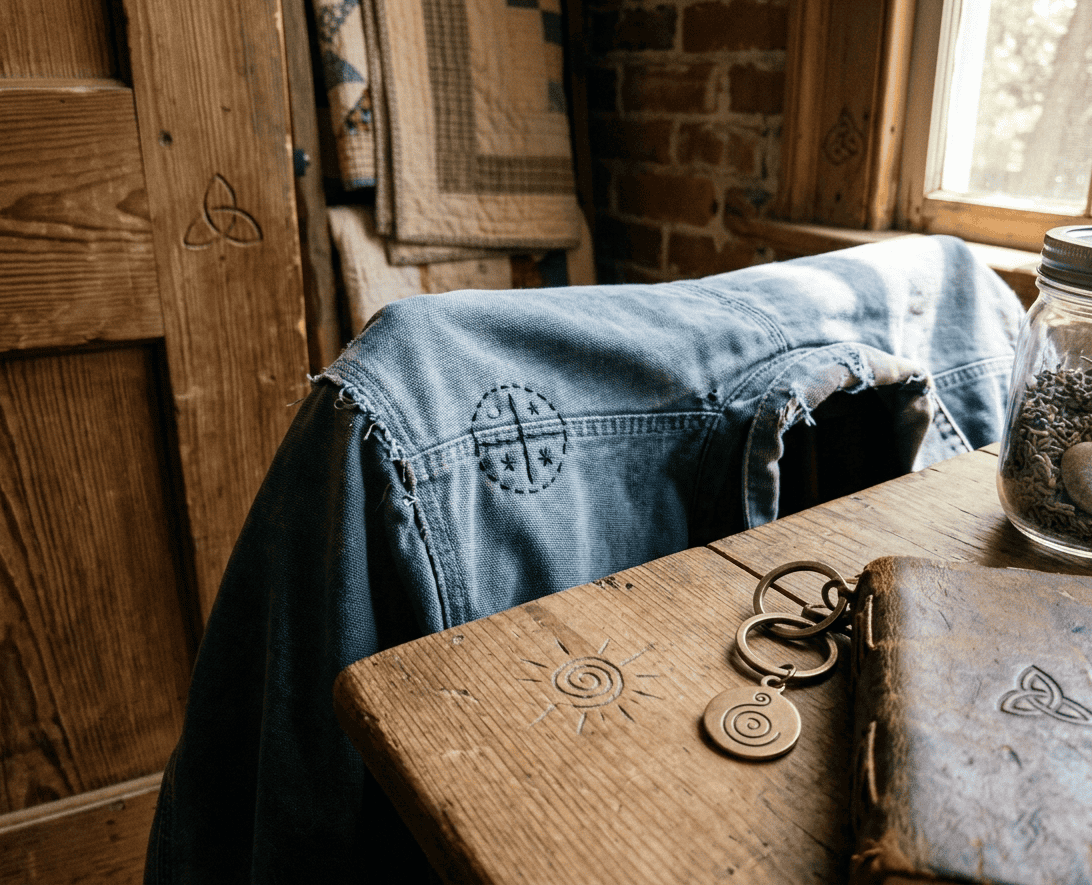
Some Voodoo-influenced traditions survived by becoming subtle and hidden within daily life.
Protective symbols, charms, or coded marks were sometimes placed in clothing, homes, or personal belongings.
These items were believed to carry spiritual protection or guidance without drawing unwanted attention.
Over time, these practices became part of cultural identity and folk tradition in the American South.
Protection was often about quiet resilience, adaptation, and the ability to maintain spiritual strength even under social pressure or misunderstanding.
These hidden traditions show how belief can survive not only through open ritual but also through silence, symbolism, and everyday life.

自出生以来,我一直感觉到自己与神灵有着紧密的联系。作为一名作家和导师,我的使命是帮助他人在最黑暗的时刻找到爱、幸福和内心的力量。