
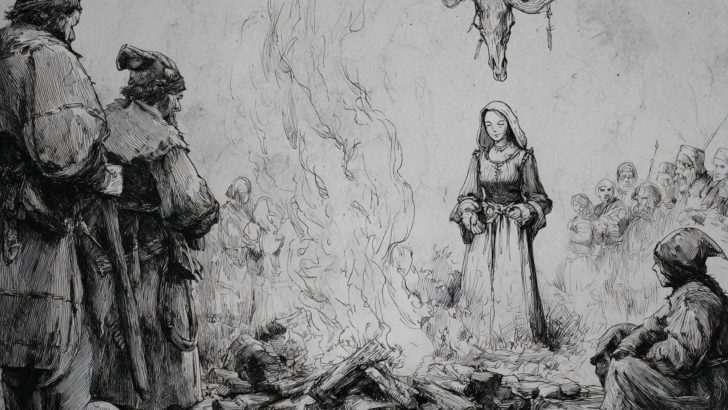
We are all familiar with stories about scary witches and how they could make people suffer and bring bad energy to anyone they don’t like.
However, in the past, many people have died from being accused of practicing witchcraft. Some were healers and midwives, while others were just in the wrong place at the wrong time.
Modern historians debate the validity of many accusations of witchcraft; however, the stories and lives of these women continue to capture the imagination of the public, thinking, did they truly have special powers?
Here are seven known ‘witches’ from the past.
1. Agnes Sampson
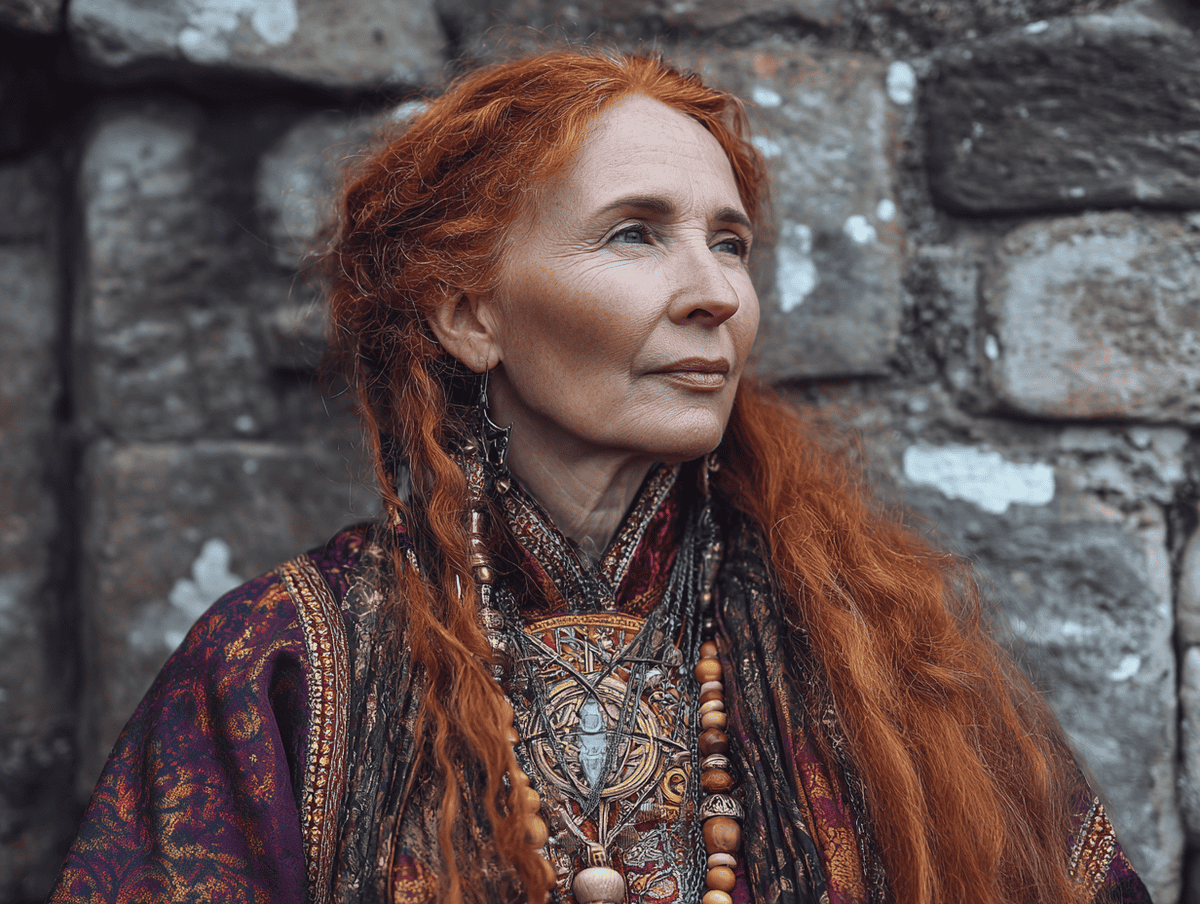
Agnes Sampson was one of the most famous of the Scottish witches accused during the North Berwick witch trials in the late sixteenth century.
She was a respected 医者 and midwife who was accused of witchcraft when she allegedly used magic against King James VI of Scotland, performing magical rituals to create storms and to injure the king.
Agnes’ confessions, gained under severe torture and which historians believe were false, made her case particularly influential as it increased fear of witchcraft in Scotland. Agnes Sampson is remembered today as a victim of one of the most notorious witch hunts in history.
2. Tituba
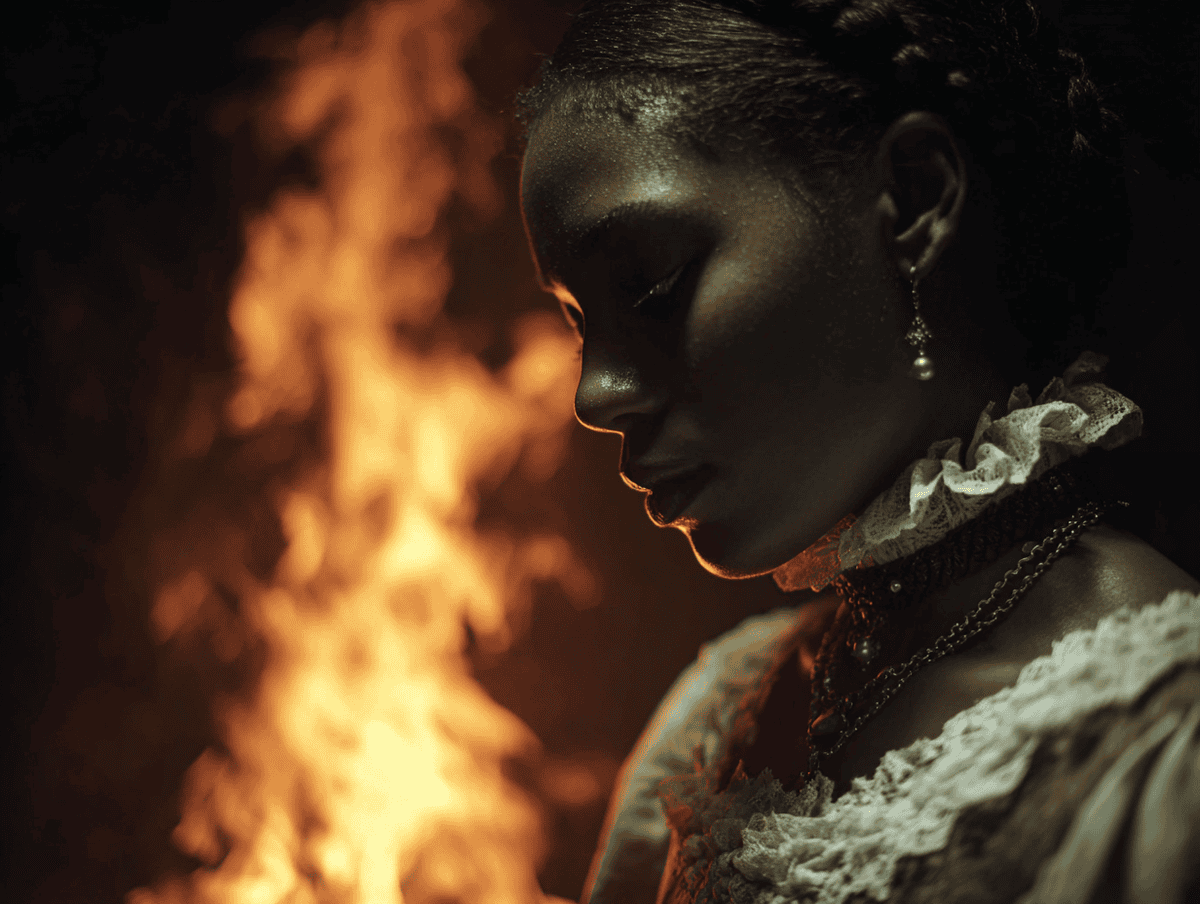
Tituba has become perhaps the most famous victim of the Salem witch trials in 1692. She was enslaved in the home of Reverend Samuel Parris and lived there when the hysteria began, which is how she became one of the first people accused.
Historians are divided about where Tituba comes from, with some believing she’s from either the Caribbean or South America.
Under mounting pressure to confess, she admitted to witchcraft and described supernatural encounters that increased fear in Salem and helped spur more accusations. Today, Tituba has become one of the most well-known individuals from this tragedy.
3. Bridget Bishop
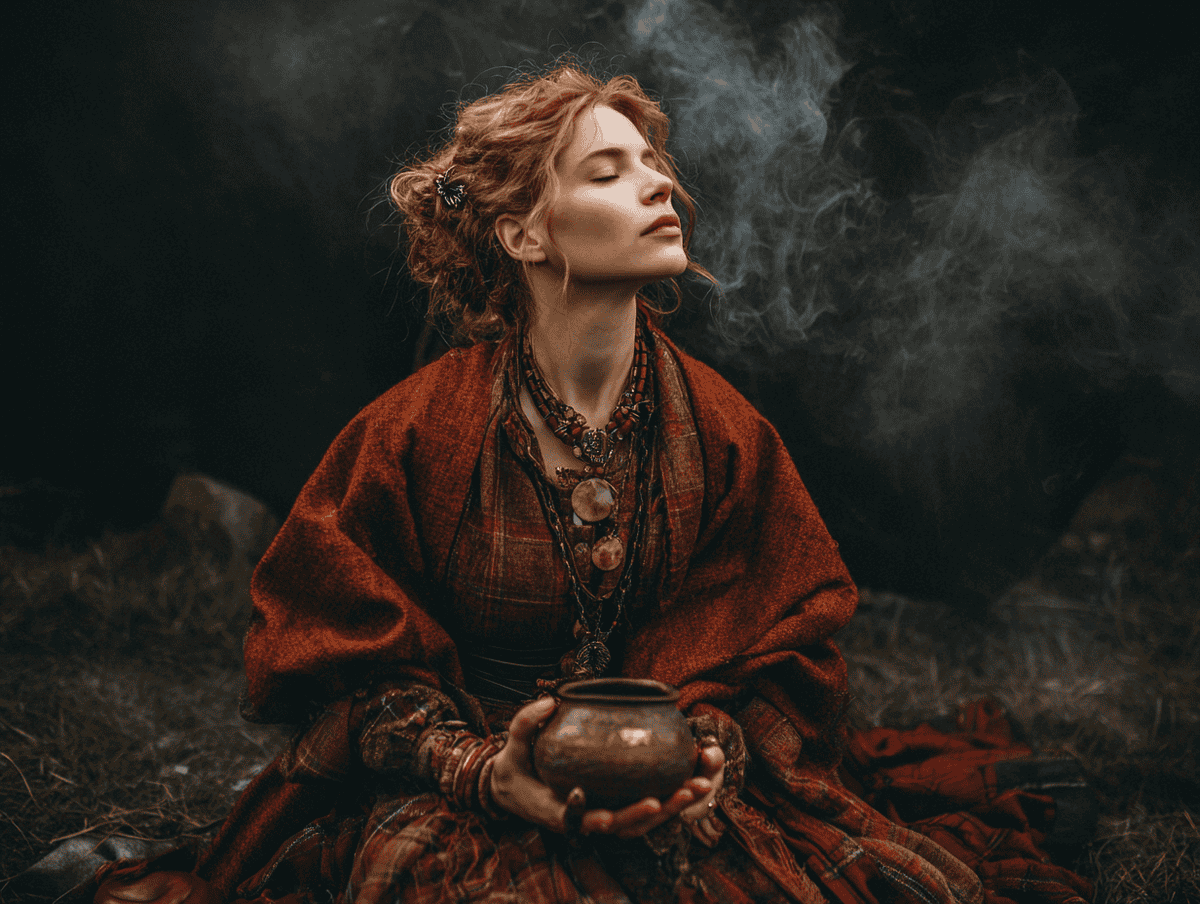
Bishop is remembered in history as being the first person (June 1692) to be executed during the witch trials. Her brightly colored clothes and strong personality generated suspicion in Salem’s conformist society.
Several people accused her of using witchcraft to harm them and of appearing in their visions. Although she proclaimed her innocence throughout the trial, Bridget was convicted and hanged.
Historians often cite her case as evidence of how personal hostilities, social conflict, and fear played a role in the trials. Bridget Bishop’s execution marked the first in Salem’s darkest period.
4. Anna Göldi
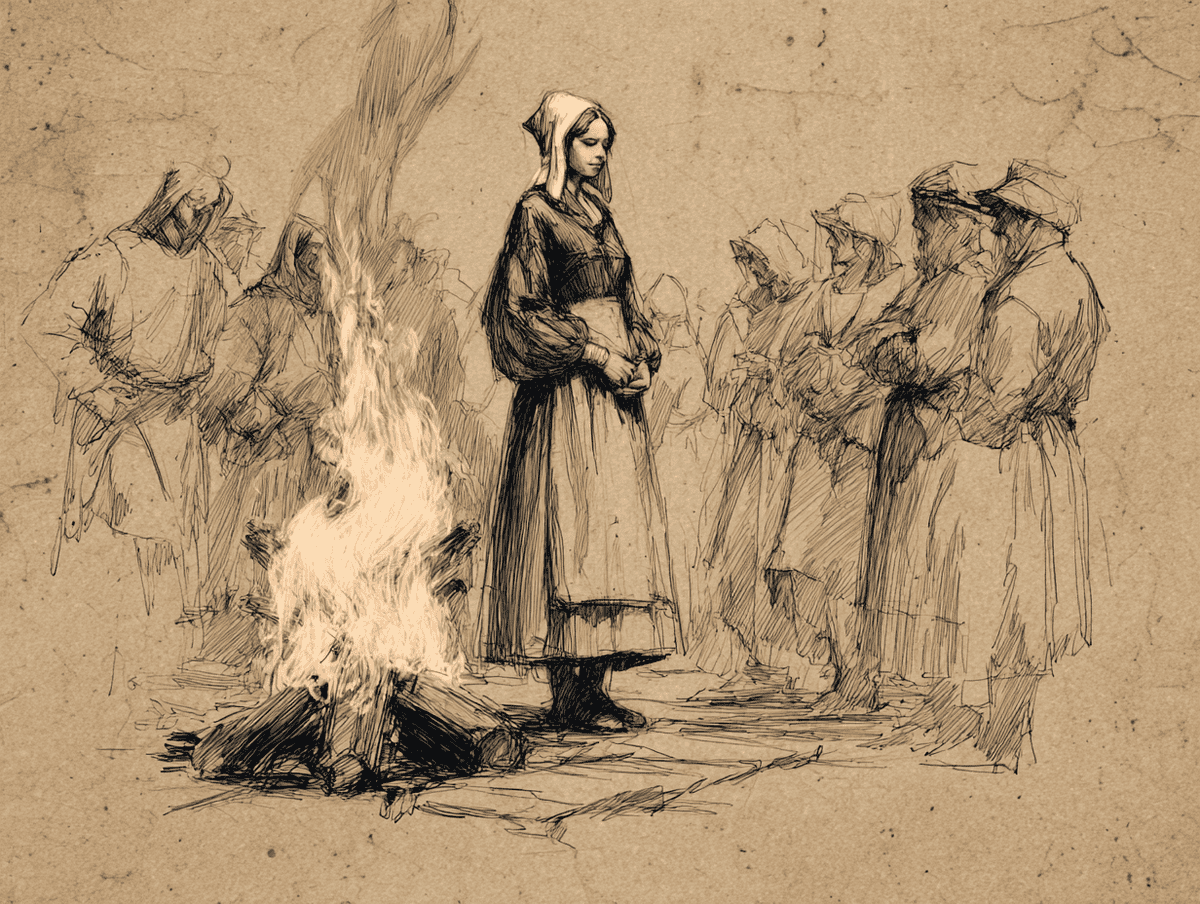
Widely recognized as the “last witch of Europe,” Anna Göldi was executed for witchcraft in Switzerland in 1782.
At the time, she was employed as a servant in an affluent home and was charged with witchcraft after being accused of placing needles in the mouth of a child.
Despite widespread beliefs in the Enlightenment and rational thought, Anna was prosecuted and convicted of witchcraft.
Many historians now believe Anna’s prosecution was more about the political and personal views of those making the accusations than any true belief in witchcraft.
Centuries later, her conviction was recognized as a miscarriage of justice. Today, Anna Goldi is an example of how superstition can be so destructive.
5. Alice Kyteler
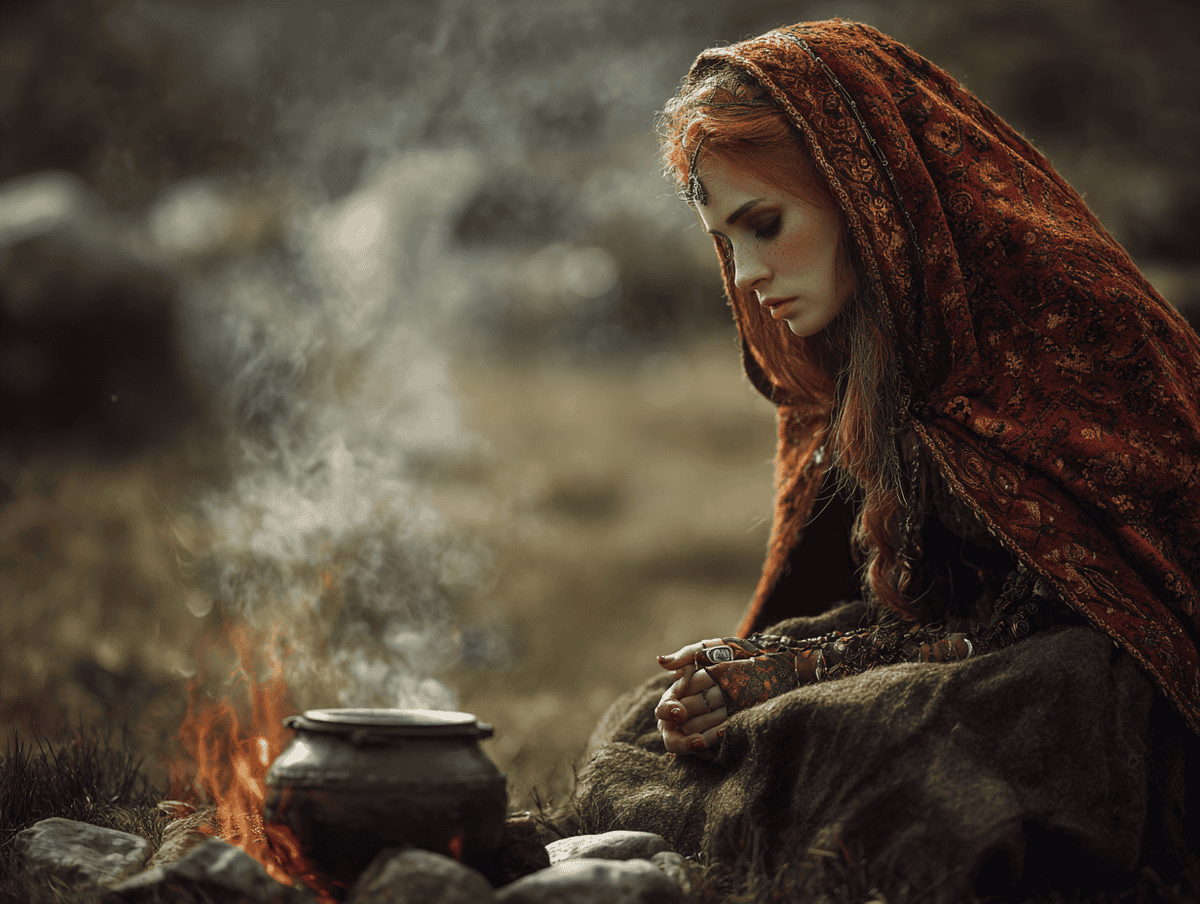
This noblewoman was the first formally accused witchcraft suspect in Ireland (1324). She was wealthy and influential; she outlived many husbands and, as a result, became the subject of many rumors and suspicions.
Her enemies accused her of witchcraft (poisoning or pacts with the devil). Unlike many accused witches, Alice escaped before being apprehended.
There is no record of her after this; nevertheless, the case remains one of the earliest and well-known cases of suspected witchcraft in support of other witchcraft cases in medieval Europe.
6. Ursula Kemp
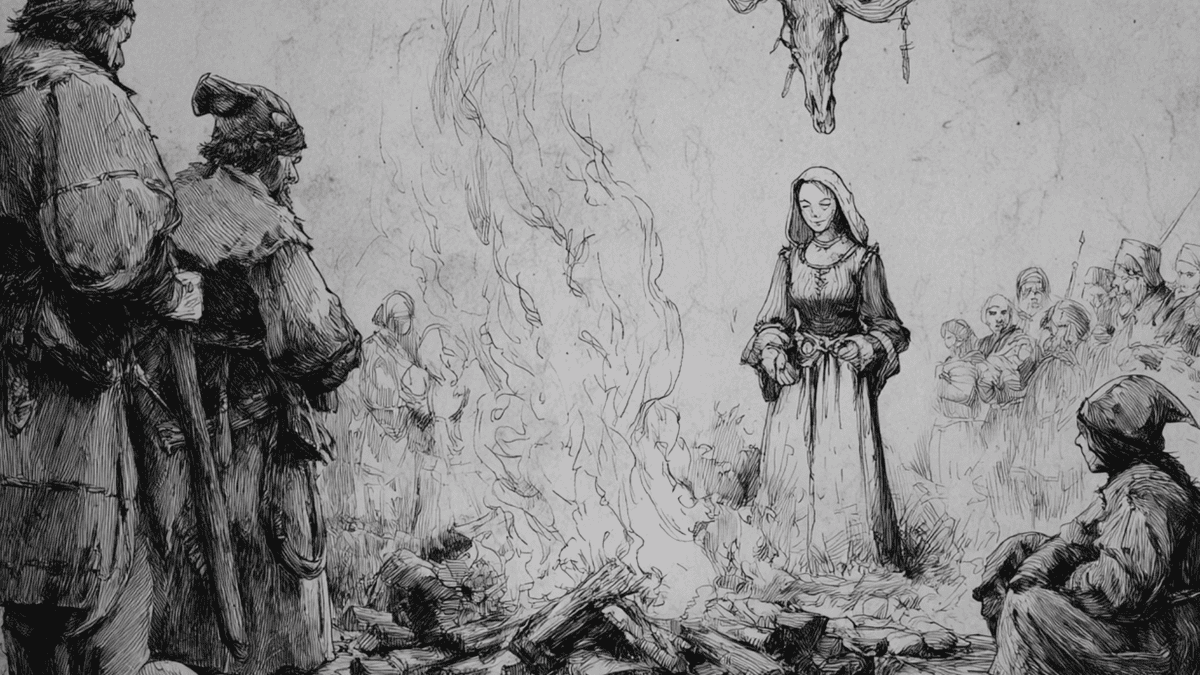
She established herself in 16th-century England as a midwife and healer.
Her use of herbal remedies garnered her great respect from her community; however, this same knowledge placed a target on her back when, in 1582, people from her community accused her of using witchcraft to harm children and livestock.
During the trial, testimonies were presented regarding her use of 动物 as companions to assist her with her magical activities.
Modern-day historians attribute her tragedy to a larger trend whereby those who practice healing are more frequently suspected of being witches during periods of uncertainty and anxiety.
7. Isobel Gowdie
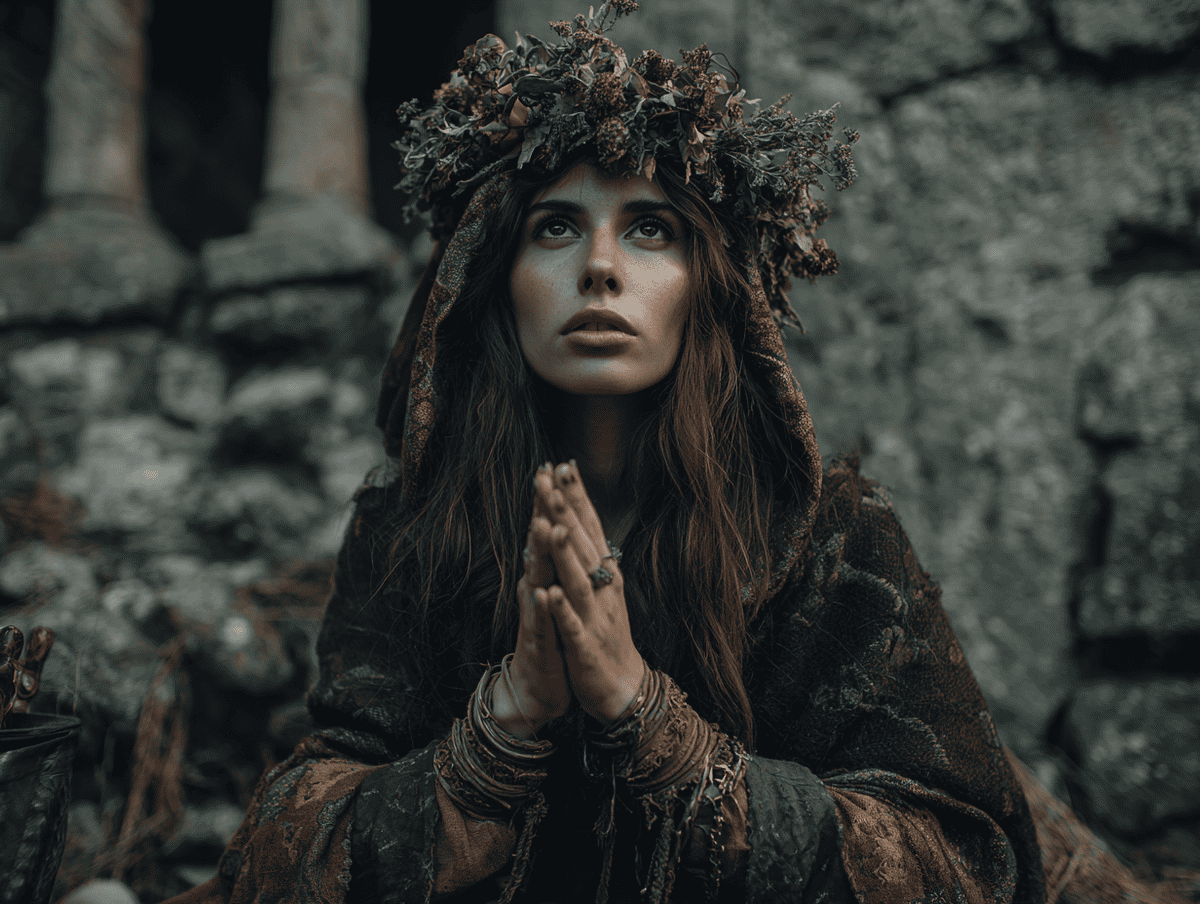
Regarded as one of Scotland’s greatest unanswered cases of witchcraft.
Her confessions in 1662 contained remarkable descriptions of shape-shifting, encounters with fairies, amazing transformations, and meetings with non-corporeal beings.
Historians still debate whether her confessions contained imagination, were coerced, reflected folklore, or were symptomatic of mental instability.

Born and raised in Bosnia and Herzegovina. Ever since I was a little girl, my imagination knew no bounds. I remember vividly how I’d scribble down short stories, each page bursting with adventures and characters conjured up from the whimsy of my mind. These stories weren’t just for me; they were my way of connecting with my friends, offering them a slice of my fantasy world during our playtimes. The joy and excitement on their faces as we dived into my fictional realms motivated me to keep writing. This early passion for storytelling naturally evolved into my pursuit of writing, turning a childhood hobby into a fulfilling career.