
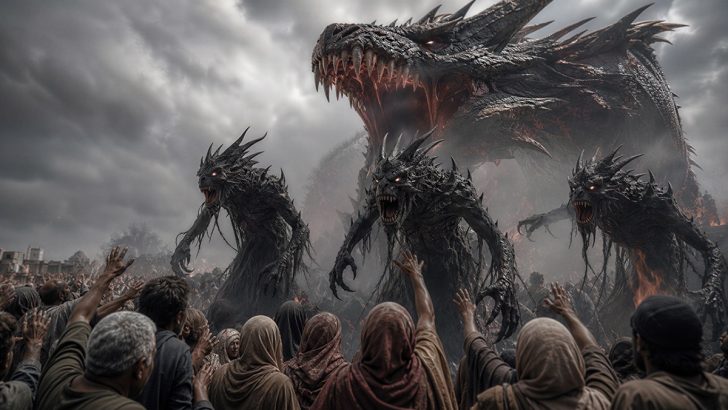
Few things are more effective at keeping people awake at night than ancient stories involving spirits, possession, destruction, and creatures that seem to have been designed by someone with a very vivid imagination. The Bible contains plenty of frightening supernatural figures, although there is an important distinction to make: the Bible does not actually provide a neat catalog of demons. Some figures are explicitly described as evil spirits or demonic beings, while others come from later Jewish and Christian interpretations, translations, or traditions that expanded on brief biblical references.
That makes the subject particularly fascinating. Some names commonly described as demons barely receive a mention in the biblical text, while other terrifying figures are symbolic monsters rather than demons in the strict sense. Still, their appearances and later interpretations have had an enormous influence on religious art, literature, folklore, and popular culture. So, if you’re ready to venture into the supernatural side of scripture, here are some of the most frightening demonic or demon-associated figures connected with the Bible.
1. Satan
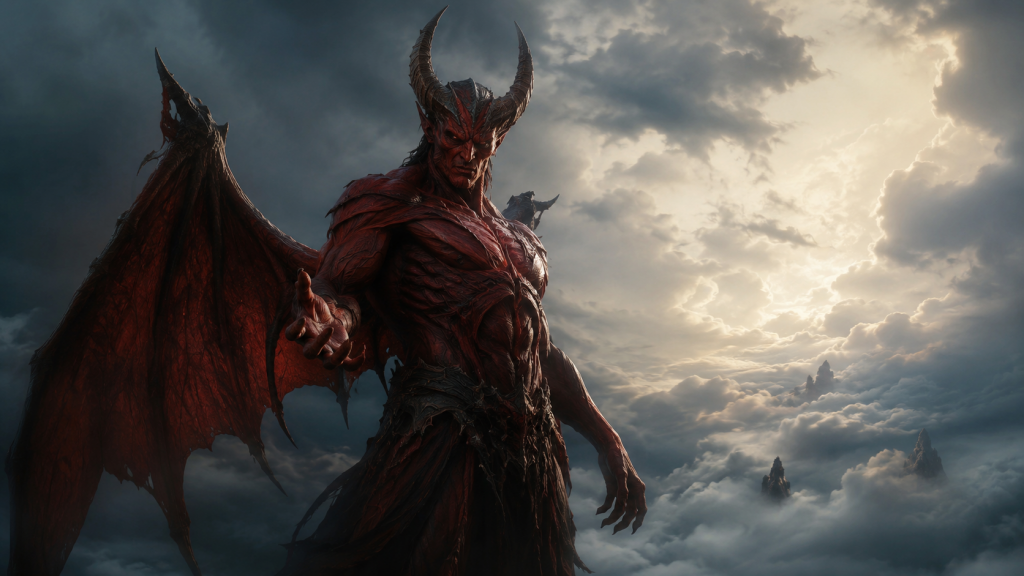
Satan is probably the most famous supernatural antagonist associated with the Bible, although the biblical concept develops considerably across different texts. The Hebrew word satan essentially means “adversary” or “accuser,” and in the Book of Job, Satan appears as a figure who challenges Job’s righteousness before God. In the New Testament, however, Satan becomes much more clearly associated with opposition to God and temptation.
Jesus encounters Satan during the temptation in the wilderness, where the devil attempts to persuade him to abandon his mission. The Book of Revelation presents Satan in even more dramatic imagery, identifying him with the ancient serpent and describing his eventual defeat. That’s quite a career progression for a being whose name essentially started as a job description. Later Christian tradition developed Satan into the supreme embodiment of evil, complete with the familiar imagery of horns, a pitchfork, and a fiery kingdom. Interestingly, much of that popular image comes from later artistic and literary traditions rather than directly from the Bible.
2. Legion
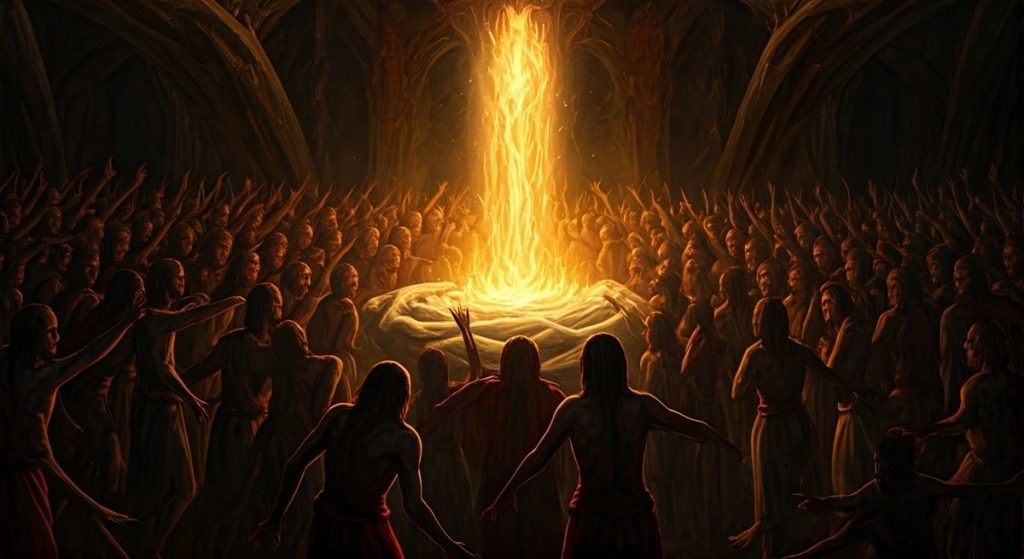
If there is one biblical demonic encounter that deserves a place in the horror-movie hall of fame, it is the story of Legion. In the Gospels, Jesus encounters a man possessed by multiple demons. When Jesus asks the spirit’s name, the answer is, “Legion,” because there are many demons within him. The story appears in Mark, Luke, and Matthew, although the details vary between accounts.
The demons recognize Jesus and plead not to be sent into the abyss. Instead, they ask to enter a nearby herd of pigs. Jesus permits them to do so, and the demons leave the man and enter the animals. The pigs then rush down a steep bank into the sea and drown. It’s one of the Bible’s strangest supernatural scenes, combining possession, dialogue with demons, and a very unfortunate herd of pigs. The story is especially disturbing because the man is portrayed as suffering terribly before his encounter with Jesus. Whatever one’s theological interpretation, the episode has remained one of the New Testament’s most memorable depictions of demonic possession.
3. Abaddon
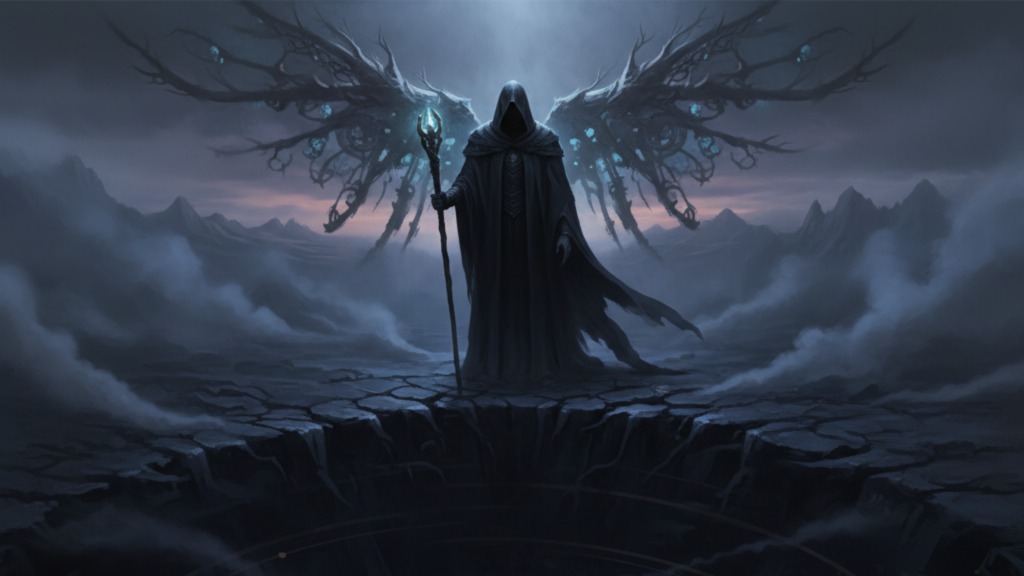
Abaddon sounds like the name of a heavy-metal band, but the biblical figure is considerably older. The name appears in the Old Testament as a term associated with destruction or the realm of destruction. In the Book of Revelation, however, Abaddon takes on a much more personalized role.
Revelation 9 describes a terrifying swarm of creatures released during an apocalyptic vision. Their king is identified as the angel of the abyss, whose Hebrew name is Abaddon and whose Greek name is Apollyon. The creatures themselves are described in wonderfully nightmare-inducing detail, with characteristics resembling horses, humans, lions, and scorpions. Their mission is to torment people who do not have God’s seal.
Abaddon is sometimes called a demon in later Christian tradition, but the biblical text itself calls him the angel of the abyss. That distinction matters. Still, if you’re creating a list of terrifying supernatural figures connected to biblical literature, Abaddon deserves attention. A mysterious ruler of an abyss who commands monstrous creatures is hardly giving off cozy-grandparent energy.
4. Apollyon
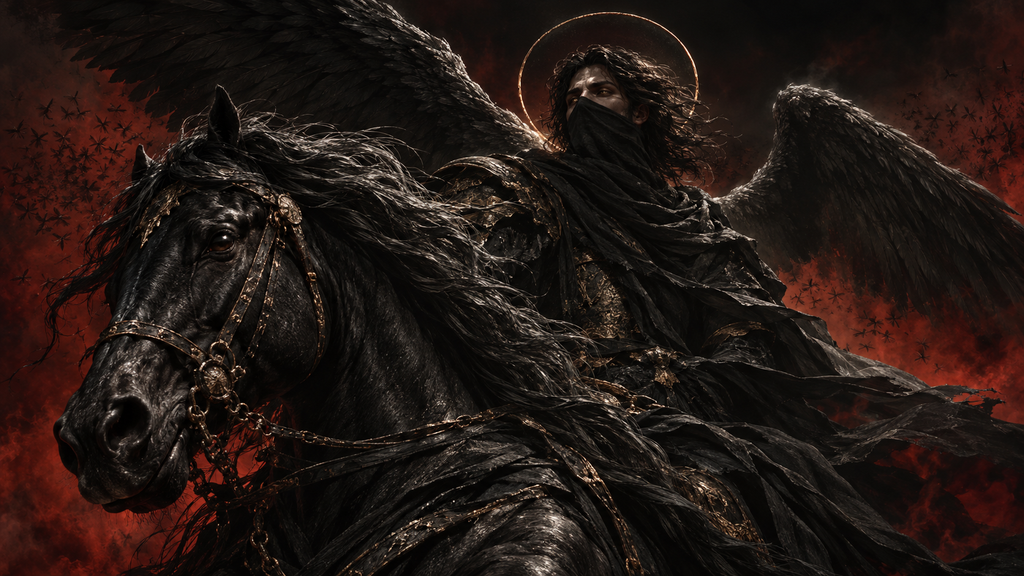
Apollyon is the Greek name given in Revelation to the same figure identified as Abaddon. The Greek name comes from a word associated with destruction, making the meaning of his title rather difficult to misunderstand. If a supernatural being introduces himself as “Destroyer,” perhaps that is your cue to leave the building.
In Revelation 9, Apollyon is described as the ruler of the abyss and leader of the terrifying beings unleashed during one of John’s apocalyptic visions. The passage belongs to Revelation’s highly symbolic style, which means readers have debated for centuries exactly what its imagery represents. Some interpret the creatures and their ruler symbolically, while others have understood them more literally.
Later Christian writings and popular culture frequently treat Apollyon as a demon or demonic prince. The biblical passage itself, however, calls him the angel of the abyss rather than explicitly labeling him a demon. Still, the combination of destruction, an underground abyss, supernatural authority, and an army of bizarre creatures makes Apollyon one of the Bible’s most unsettling figures.
5. Beelzebub
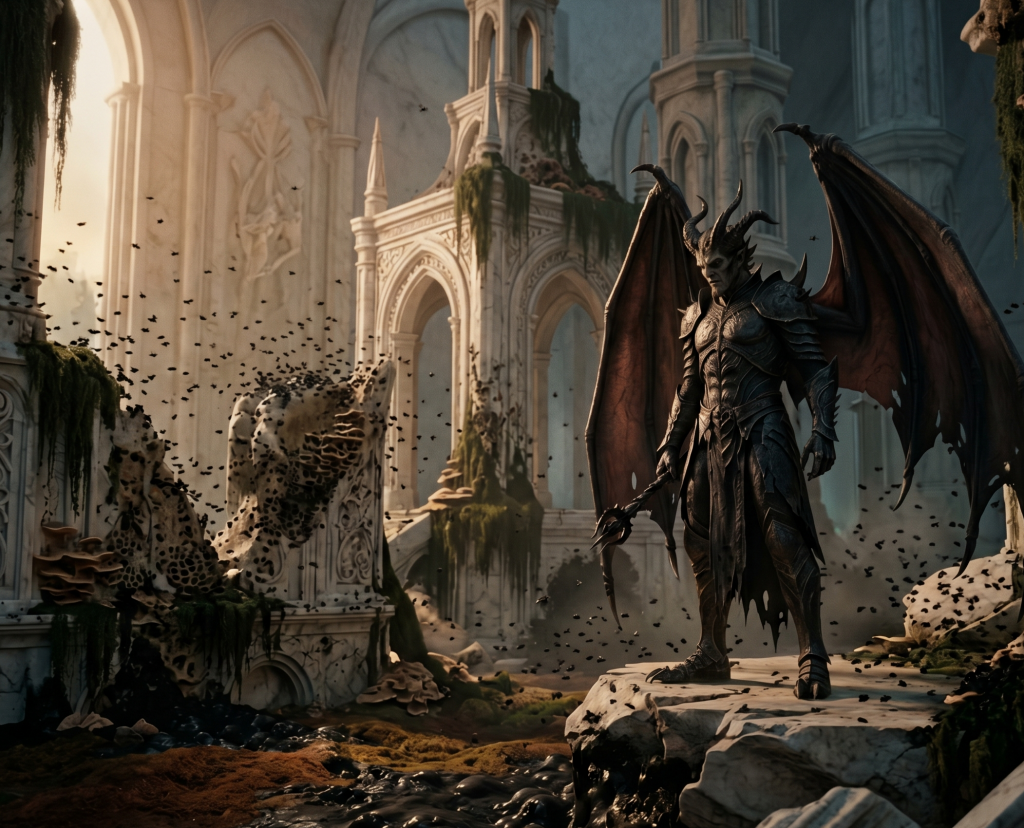
Beelzebub is one of the most recognizable demonic names in the New Testament. The name appears in the Gospels when Jesus is accused by some opponents of casting out demons through Beelzebul, described as the ruler of demons. Jesus responds by arguing that a kingdom divided against itself cannot stand.
The name has a complicated history. It is generally connected with the older name Baal-zebub, which appears in the Hebrew Bible in connection with the god of Ekron. Over time, the name became associated in Jewish and Christian tradition with a powerful demonic figure. By the New Testament period, Beelzebub functions as a title associated with demonic authority.
Later Christian demonology transformed Beelzebub into one of the great princes of Hell. The Bible itself is much less elaborate than the later mythology. Nevertheless, the idea of a supernatural ruler commanding other demons is undeniably creepy. And, frankly, “Lord of the Flies” is not exactly a title that inspires anyone to invite you over for dinner.
6. Asmodeus
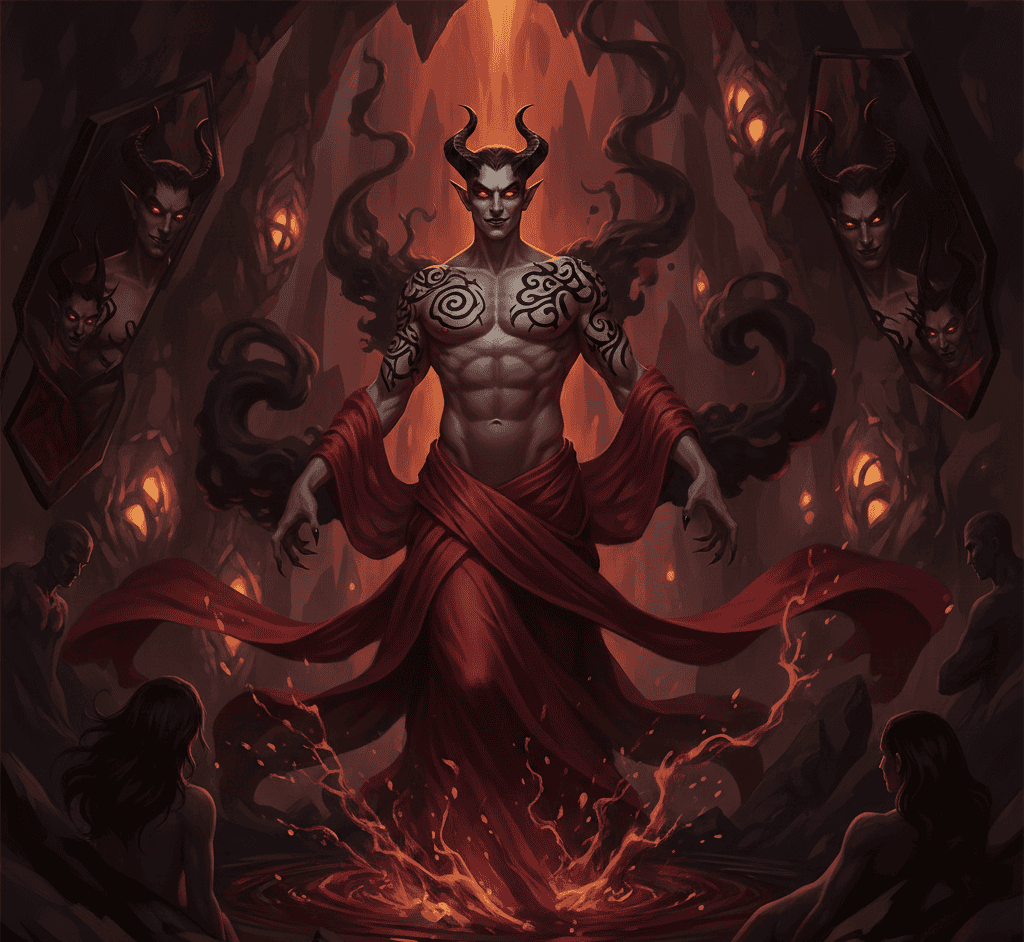
Asmodeus is one of the most famous demons associated with biblical literature, although there is an important catch: he appears in the Book of Tobit, which is part of the biblical canon for Catholics and Eastern Orthodox Christians but not for most Protestant traditions or Judaism.
In Tobit, Asmodeus is described as an evil spirit who becomes obsessed with Sarah, a young woman whose successive husbands mysteriously die on their wedding nights. Asmodeus kills seven husbands before Sarah eventually marries Tobias. With divine assistance, Tobias uses the heart and liver of a fish to drive the demon away, and Raphael, an angel, pursues Asmodeus into Egypt.
The story became hugely influential in later demonology. Asmodeus eventually developed a much larger mythology in Jewish and Christian traditions, where he was sometimes associated with lust and other forms of temptation. The biblical story itself is more specific and strange: a jealous supernatural being, seven dead husbands, a magical fish, and an angelic pursuit across countries. Ancient literature really did not believe in doing things halfway.
7. The Destroyer
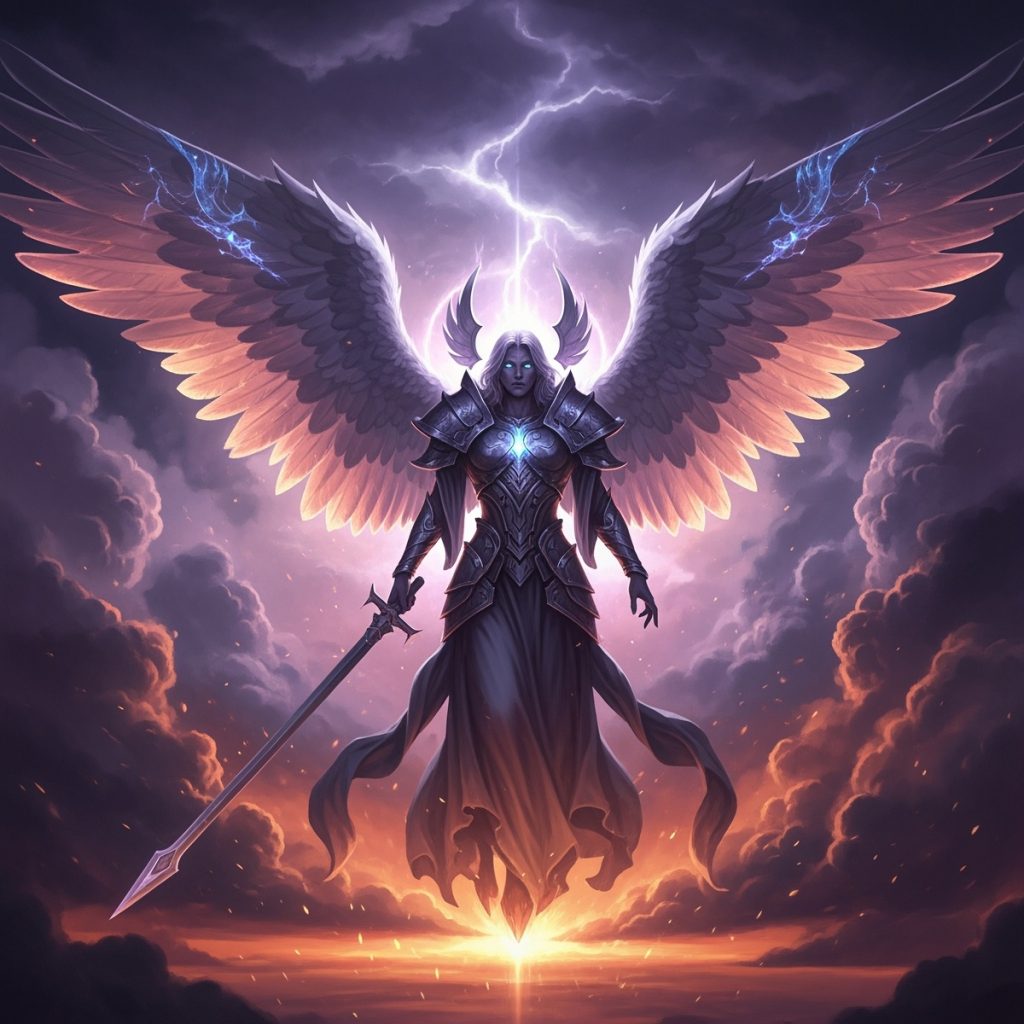
The figure known as “the Destroyer” appears in several biblical contexts, although identifying the figure precisely can be complicated. In Exodus, for example, the final plague against Egypt involves a destroying agent, while other passages refer to destruction as part of divine judgment. Later readers sometimes connected these references with demonic beings.
The New Testament also uses destruction imagery extensively, particularly in Revelation. This is one reason the figure of the Destroyer became connected in later interpretations with Abaddon or Apollyon. However, the Bible does not always present destruction as the work of an independent demon. In biblical theology, supernatural agents can function within God’s judgment rather than as rebellious forces acting entirely on their own.
That distinction makes the Destroyer particularly interesting. Modern horror tends to divide characters into heroes and villains very neatly. Biblical supernatural literature can be much more complicated. Sometimes the frightening figure is not portrayed as an evil rebel at all, but as an agent carrying out judgment. Ancient readers apparently preferred their supernatural hierarchy with considerably more paperwork.
8. The Unclean Spirits
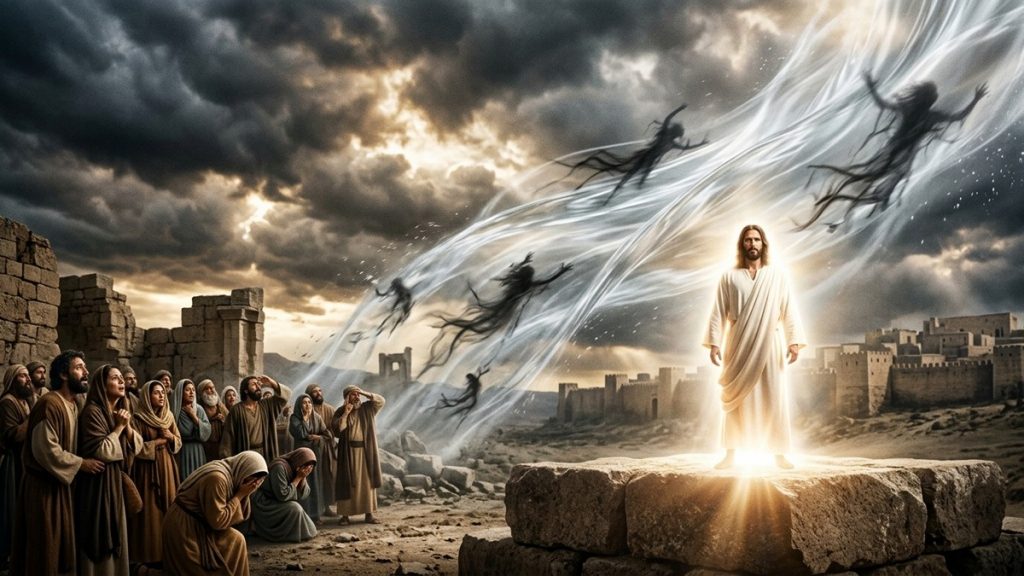
Rather than being a single demon, 邪灵 are a recurring category of supernatural beings in the New Testament. They appear frequently in the Gospels, where they possess people and cause various forms of suffering. Jesus repeatedly encounters individuals described as being controlled by unclean spirits and casts those spirits out.
The phrase itself is significant because it reflects the religious understanding of purity and impurity in the ancient Jewish context. These spirits are portrayed as opposed to holiness and as beings that recognize Jesus’ supernatural authority. In several accounts, they know who Jesus is even when the surrounding people do not fully understand his identity.
Their collective presence makes the New Testament feel surprisingly supernatural. Instead of one villain appearing once, there is an entire category of hostile spiritual beings operating throughout the stories. They can speak through possessed people, recognize divine authority, and resist being expelled. No wonder later Christian traditions developed increasingly elaborate theories about demonic hierarchies. The New Testament had already supplied plenty of unsettling material.
9. The Seven Spirits
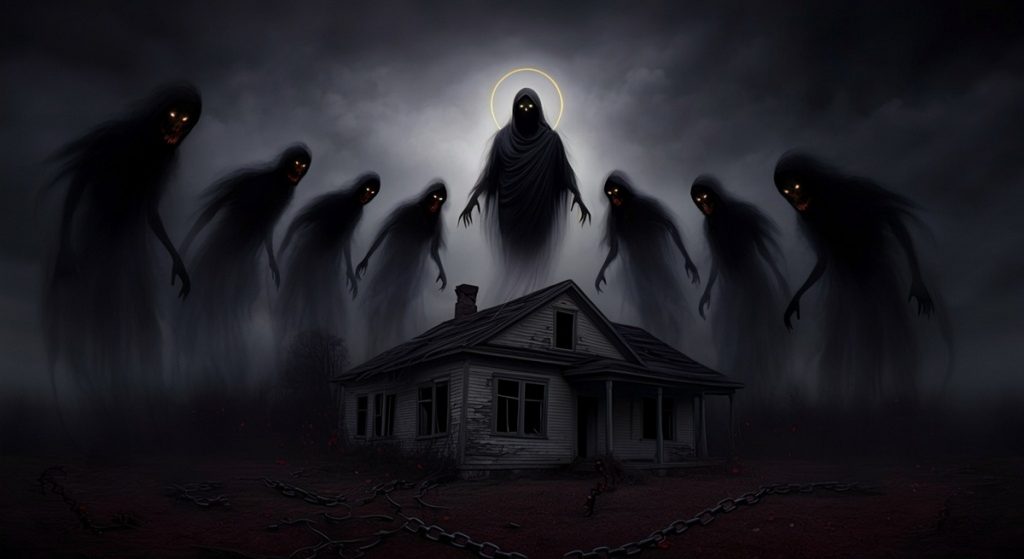
The New Testament contains another intriguing reference in the story of a spirit returning to a person after being cast out. In Matthew and Luke, Jesus describes an unclean spirit leaving someone and later returning with seven other spirits more wicked than itself. Together, they re-enter the person, leaving their final condition worse than the first.
The passage is often interpreted as a warning about spiritual emptiness: removing something harmful without replacing it with something better can leave a person vulnerable to returning problems. But taken literally as supernatural imagery, the story is chilling. One spirit isn’t satisfied with returning alone. It apparently brings seven particularly unpleasant friends along for the reunion.
The passage also contributed to later Christian ideas about demonic possession and spiritual vulnerability. Yet the Bible doesn’t provide individual names or personalities for these seven spirits. They function more as a warning within Jesus’ teaching than as a detailed supernatural cast. Still, the idea of eight hostile spirits showing up where one had previously been is enough to make anyone reconsider leaving the spiritual door unlocked.
10. The Dragon of Revelation
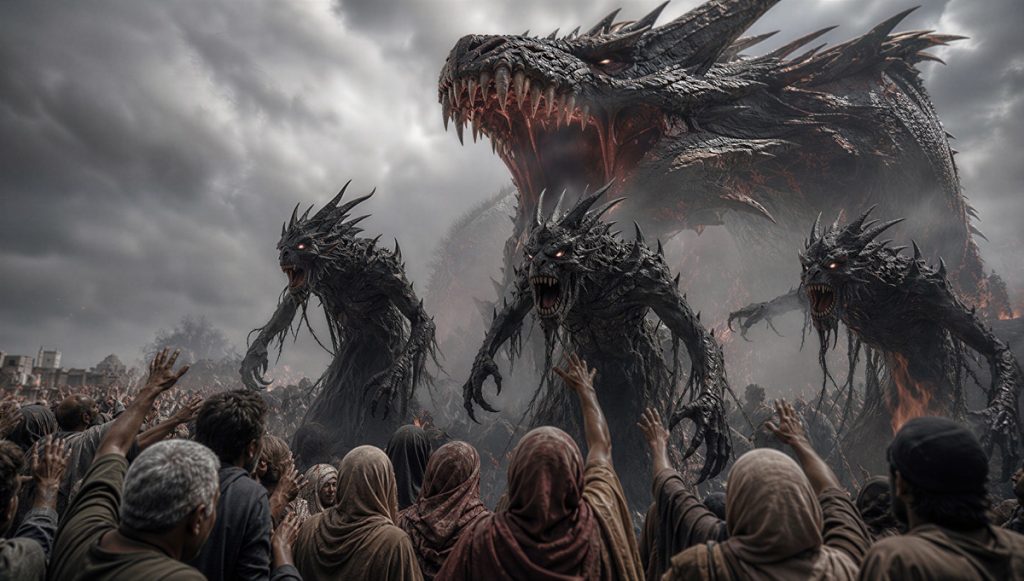
The enormous dragon in Revelation is one of the Bible’s most spectacular supernatural villains. Revelation 12 describes a great red dragon with seven heads and ten horns, imagery that is about as subtle as an ancient billboard screaming, “THIS IS IMPORTANT.”
The text identifies the dragon as the ancient serpent, the devil, and Satan, connecting several major biblical images into a single figure. The dragon wages war against heavenly forces and attempts to destroy the woman and her child. Eventually, Michael and his angels fight against the dragon, and Satan is thrown down.
The dragon is highly symbolic, and Revelation’s imagery is not necessarily meant to be read as a straightforward description of a literal creature. Nevertheless, its influence has been enormous. The image of Satan as a monstrous dragon became one of the defining pictures of evil in Christian art and literature. Few biblical creatures can compete with seven heads, ten horns, wings, cosmic warfare, and an eventual appointment with divine judgment. Even modern fantasy writers would probably consider that a solid character design.

Lover of good music, reading, astrology and making memories with friends and spreading positive vibes! 🎶✨I aim to inspire others to find meaning and purpose through a deeper understanding of the universe’s energies.