
Ancient Greece is often pictured as a place where everyone spent their days debating philosophy, writing poetry, or inventing new ideas.
The truth, however, was a lot more ordinary.
Most children weren’t studying with famous thinkers. Their education depended on where they lived, whether they were boys or girls, and how wealthy their family was.
Even so, Greek children learned a surprising mix of practical skills, physical training, music, and reading.
Here’s what children in ancient Greece actually learned, and why it mattered.
1. Reading and Writing Came First
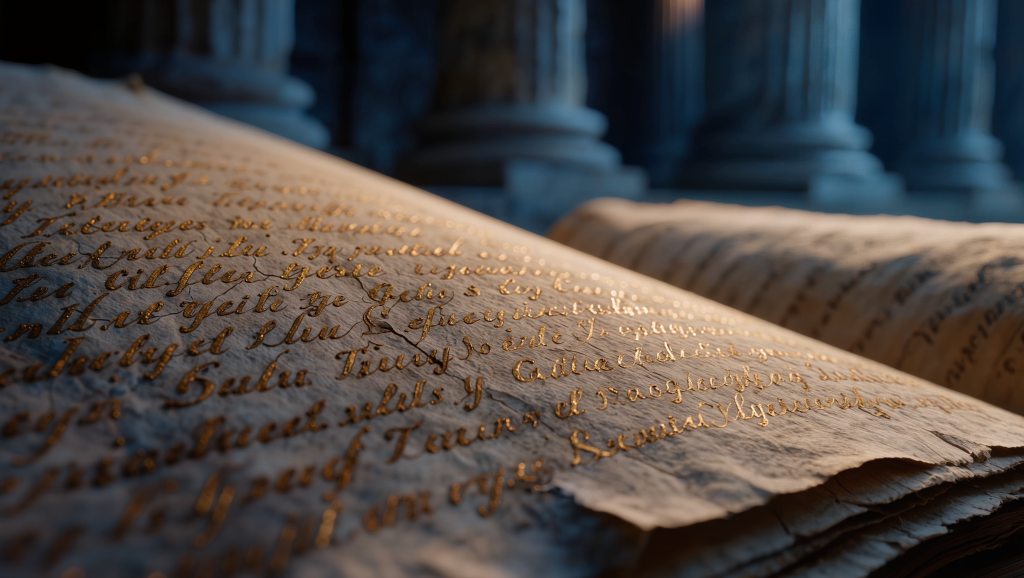
If a boy came from a family that could afford schooling, learning to read and write was usually one of his first lessons.
This often began around the age of seven. Schools weren’t run by the government the way they are today. Parents hired teachers and paid for their children’s education.
Writing wasn’t especially easy. Young students practiced letters on wax tablets using a pointed stylus. If they made a mistake, they could smooth the wax over and try again.
For longer pieces of writing, papyrus was used, but it was expensive, so children didn’t waste it.
Reading lessons often came from famous poems, especially those written by Homer. The Iliad 和 Odyssey weren’t just stories. They were treated almost like textbooks.
Children memorized long passages, copied them, and discussed the characters and their actions. These poems taught language, but they also passed along ideas about courage and honor.
Not everyone learned to read, though. Poor families sometimes couldn’t afford teachers, and many children spent their time helping at home instead.
2. Mathematics Was About Everyday Life
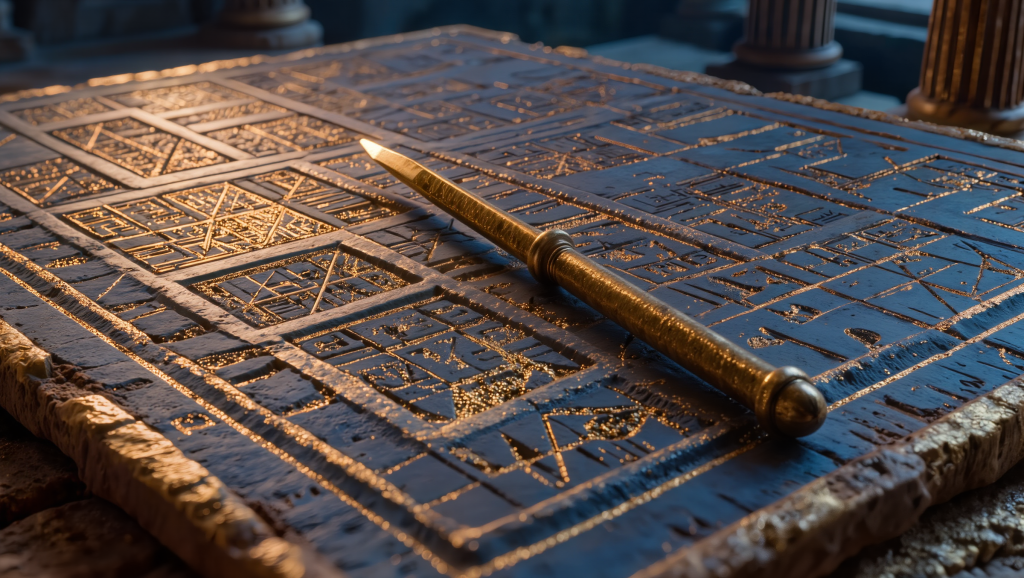
Greek students did learn mathematics, but it wasn’t always the kind of advanced geometry people associate with famous mathematicians.
Basic arithmetic came first. Children learned counting, addition, subtraction, multiplication, and division because those skills were useful in daily life.
They helped with buying goods, measuring land, managing farms, and running businesses.
Some students also learned geometry. This became more important for boys from wealthy families who continued their education.
Students usually solved problems by writing on wax tablets or using counting boards. Everything depended on memory, practice, and repetition.
3. Music Was Considered Essential
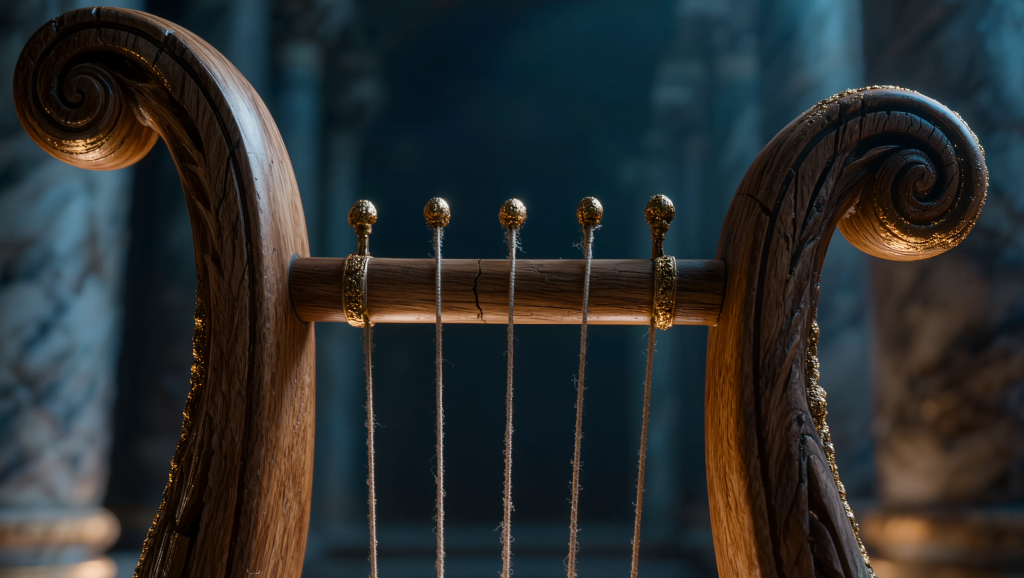
This surprises a lot of people today, but music wasn’t viewed as an extra activity in ancient Greece. It was seen as a key part of becoming a well-rounded person.
Many boys learned to sing and play instruments such as the lyre. Music lessons also included rhythm, poetry, and memorization because songs and poems were closely connected.
Greek thinkers believed music shaped a person’s character. A child who learned proper music was thought to develop self-control, discipline, and emotional balance.
That might sound like a big claim, but it was a common belief at the time.
Of course, not every child became a talented musician. The goal wasn’t to produce professional performers. Music was simply part of a complete education.
4. Physical Training Was Just as Important
Education didn’t stop when reading lessons ended.
Physical exercise was a huge part of growing up, especially for boys. Running, wrestling, jumping, throwing the javelin, and discus were common activities.
These skills prepared boys for military service later in life while also promoting health and discipline.
Gymnasiums served as places where young men trained both their bodies and, eventually, their minds. Older students often listened to lectures or discussed philosophy there after exercise.
The approach varied across Greece. Athens focused on balancing physical education with intellectual learning. Sparta, on the other hand, placed far more emphasis on military training.
Spartan boys entered a state-run training system known as the agoge, where endurance, obedience, teamwork, and combat skills mattered much more than literature or music.
Their lives were far harsher than those of children growing up in Athens.
So when people talk about “Greek education,” it’s worth remembering they aren’t talking about one single system.
5. Public Speaking Was a Valuable Skill
The ancient Greeks loved discussion.
In democratic Athens, speaking well could have a huge impact on a person’s life. Citizens voted, debated laws, argued court cases, and took part in public meetings.
Because of that, children from wealthier families often practiced speaking clearly.
Lessons included memorizing speeches and learning how to organize arguments. Students were encouraged to explain ideas and defend their opinions.
Rhetoric, the art of persuasive speaking, became even more important for older students, and teachers helped them develop confidence in front of an audience.
Not every child received this level of training, but those who hoped to enter politics or public life almost certainly did.
It’s interesting, really. Thousands of years later, public speaking is still one of the most valuable skills someone can have.
6. Girls Learned Very Different Skills
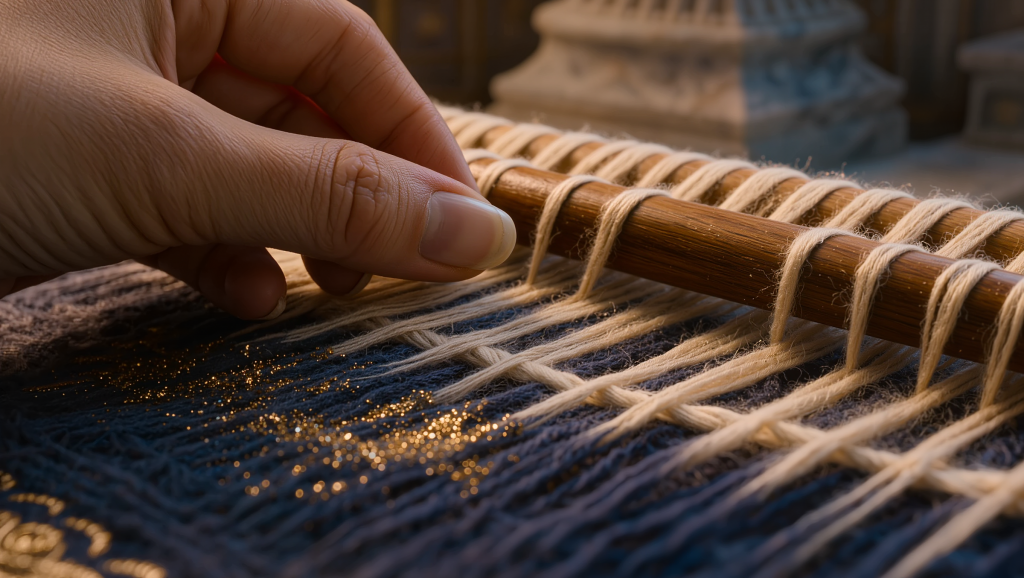
Education looked completely different for most girls.
In many Greek city-states, especially Athens, girls usually stayed at home instead of attending formal schools.
Their mothers or other women in the household taught them the skills they were expected to need as adults.
That included spinning wool, weaving cloth, cooking, managing servants if the family had them, caring for children, and running the household.
Some girls from wealthy families may have learned basic reading and writing, but this wasn’t the norm. Formal education focused mainly on boys.
Sparta, however, was a notable exception.
Spartan girls received physical training, including running, wrestling, and athletics.
The Spartans believed healthy women would raise strong children, so girls were encouraged to exercise in ways that would have shocked many Athenians.
Even then, educational opportunities for girls remained much more limited than those available to boys.
7. Religion and Myths Were Part of Everyday Learning
Children didn’t study religion as a separate school subject, but they grew up surrounded by it.
Stories about Zeus, Athena, Apollo, Artemis, and dozens of other gods formed part of daily life.
Children learned these myths at home, through festivals, religious ceremonies, poems, songs, and school readings.
Festivals also taught children how their communities worked. They watched sacrifices, athletic competitions, theatrical performances, and public celebrations honoring the gods.
Many famous Greek plays were performed during religious festivals, exposing children to stories that blended entertainment with moral questions.
Whether every child believed every myth literally is impossible to know, but everyone knew the stories.
8. Character Was Considered Just as Important as Knowledge
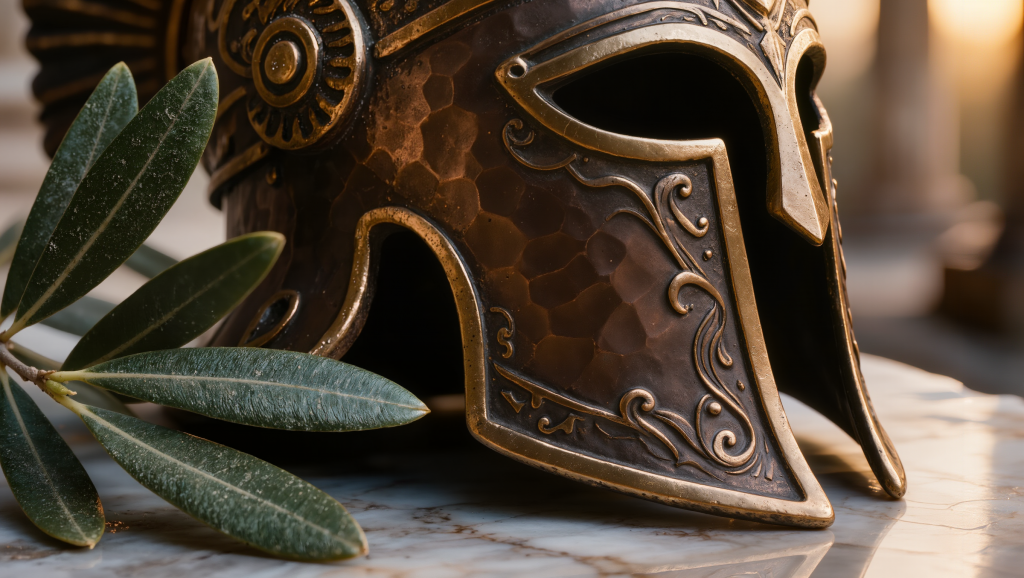
Perhaps the biggest goal of Greek education wasn’t collecting facts.
Many educators believed knowledge should help someone become a good person.
Ideas like self-control, moderation, courage, fairness, respect for the laws, and responsibility appeared throughout children’s education.
The exact values depended on where a child lived. Athenians generally emphasized thoughtful citizenship, participation in public life, and intellectual curiosity. Spartans valued loyalty, discipline, bravery, and service to the state above almost everything else.
Teachers expected students to show respect toward adults and develop good habits through constant practice.
That didn’t mean every child became wise or virtuous, of course. Kids were still kids. They got distracted, made mistakes, and probably tried to avoid lessons whenever they could.
Still, the broader goal remained the same. Education wasn’t simply about passing tests or memorizing information. It was about preparing children for the role society expected them to play.
