

Getting married is easy when you’re young; love feels like enough, passion feels like it will last forever, and a promise made feels like it cannot be broken. In time, life presents its challenges (work, children, money problems, health issues, and changes in each of us individually).
As couples experience mistakes, misunderstandings, and personal growth together, they often realize at age 60 that they could have avoided a lot of pain by having been able to understand the things they learned through those experiences earlier in their lives.
Often referred to as “cheat codes” in life, these “cheat codes” come from time, patience, and introspection; they aren’t shortcuts, but rather, they represent a body of knowledge that we gain with time and experience.
Here are some truths about marriage that many people wish they had known when they were 30.
1. Love Is A Skill, Not Just A Feeling

Love at 30 seems automatic, but at 60, you have learned that love is a practice. Feelings change, and attraction can change as well. Stress can throw a wrench in your love life.
Love will not last if the couple does not learn how to communicate, forgive, and adapt to each other. Kindness is the choice when there’s a disagreement. Listening is the choice even when there is no reason to listen.
Putting in effort is a choice when emotions are low. True love is a product of routine habits, not spontaneous acts. Couples who make their love a daily practice tend to have longer-lasting relationships. Romance can fade, but the commitment will always last!
2. You Will Both Change, And That’s Normal

People do not remain the same for decades; they grow and change by shifting interests, evolving priorities, changing health status, and developing mature values.
Using the expectation that your partner will not change will lead to disappointment; growth is normal. In a happy marriage, both partners support each other’s personal growth rather than resisting it.
Continually learning how to love each other’s new selves keeps a relationship healthy and thriving. Change does not equal loss; change equals evolution.
3. Arguments Are Not The Enemy

Young couples may fear conflict; they avoid it to maintain peace. Avoidance of conflict creates resentment. Healthy arguments are a way to clear misunderstandings and communicate unmet needs.
The key to arguments is not whether or not to argue but how to argue. Arguments must be respectful; they cannot include insults or humiliation.
Handled with care, arguments improve trust; suppressed feelings weaken the connection between the couple. Communication stops at a distance from developing.
4. Friendship Matters More Than Passion
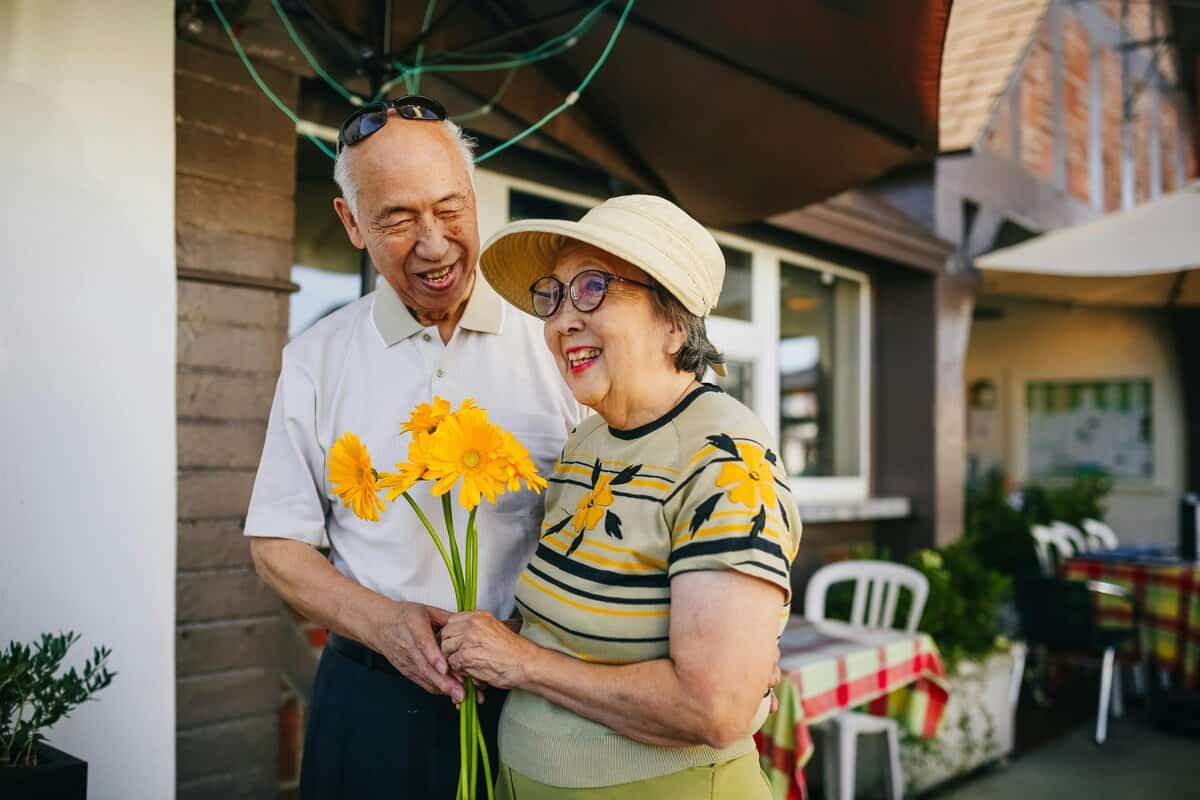
Cycles of passion come and go; friendship is forever. Laughter, patterns of behavior, and emotional trust are what keep a marriage strong.
Talking without discomfort is more important to a relationship than having a lot of dramatic romance, but being a friend will create a level of loyalty; this will help through the difficult times.
Companionship will remain despite ups and downs in the relationship; good friends create strong foundations for a happy marriage. Practicing love allows each partner to have fun together and to enjoy each other’s company.
5. Money Conversations Prevent Major Problems

Financial problems ruin numerous relationships. By avoiding conversations about money, marriage partners create room for resentment due to a lack of understanding.
Creating togetherness through budgeting/saving and planning helps create a sense of security. Openly discussing finances builds transparency within the relationship, while keeping secrets erodes trust and leads to mistrust.
Successful money management is achieved through teamwork, as couples who work as ONE will have the same success when facing all aspects of life.
Planning and agreeing upon your financial priorities is necessary from the very beginning of your relationship, but should be reviewed on a regular basis.
6. You Cannot Fix Each Other

Most people marry expecting love to change their spouse’s flaws, but it rarely does. The only way people change is by consciously deciding to do so.
“Fixing” your partner will only result in frustration, while accepting who they are will lead to peace. Support someone’s personal growth without being controlling; encourage them instead of managing them.
Love should support individuality and allow partners to evolve at their own pace. Pressure decreases within the relationship; therefore, the relationship improves.
7. Appreciation Must Be Expressed Daily

Gratitude can fade in our routines. Partners can feel invisible. Simply saying “Thank you” helps restore connection and shows both partners that their efforts are noticed and valued.
Compliments help maintain a connection too. Feeling appreciated keeps people from becoming emotionally distant from each other.
Where there is gratitude, there’s more love; small acknowledgments lay a foundation for long-lasting relationships.
8. Intimacy Requires Emotional Safety

Emotional security is the basis of emotional connection; when trust is broken, desire dies. Physical intimacy is enhanced by listening, being honest, and being kind to one another.
Criticism causes physical intimacy to break down. Safe communication creates an attraction towards one another. Respect for one another creates a continuing romantic relationship.
You build intimacy through daily interactions before you build it in the bedroom.
9. Protect Your Marriage From Outside Influence

Family, friends, and social media all influence relationships. Taking up too much space on social media invites judgment from others; comparing ourselves to others promotes insecurity.
Protecting privacy shields intimacy. Boundaries must exist between a couple; problems must be addressed jointly first.
Husbands and wives flourish when they value each other, regardless of outside distractions.
10. Commitment Is A Daily Choice

Vows aren’t the only way to keep a marriage alive; you need to renew them every day through effort: by being patient with, forgiving, and understanding one another.
Each day is different: some days are easy to keep a marriage going, and some days make it feel like it’s hard.
A commitment will last through both easy and hard days if both people continue to choose each other every time. Longevity is the result of being consistent, not perfect.

Born and raised in Bosnia and Herzegovina. Ever since I was a little girl, my imagination knew no bounds. I remember vividly how I’d scribble down short stories, each page bursting with adventures and characters conjured up from the whimsy of my mind. These stories weren’t just for me; they were my way of connecting with my friends, offering them a slice of my fantasy world during our playtimes. The joy and excitement on their faces as we dived into my fictional realms motivated me to keep writing. This early passion for storytelling naturally evolved into my pursuit of writing, turning a childhood hobby into a fulfilling career.