
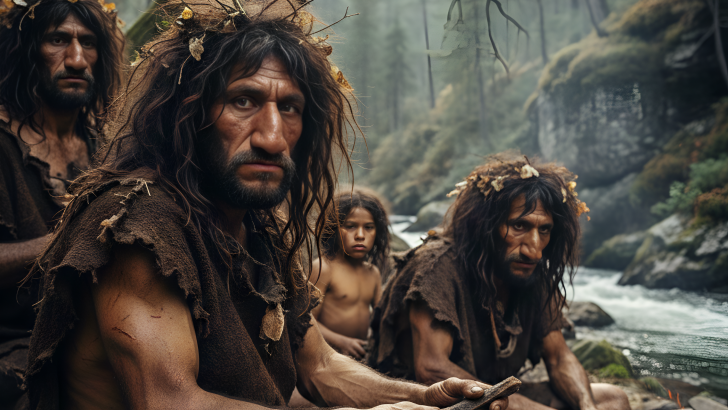
The story of human history is far more complex than many people realize.
For a long time, scientists believed that modern humans evolved separately, with only a few close relatives like Neanderthals.
However, new discoveries have revealed that other human groups once lived alongside our ancestors.
One of the most mysterious of these groups is the Denisovans. They left behind very few physical remains, yet their genetic legacy still lives in people today.
These ancient humans were discovered only recently, but they have already changed what we know about human evolution, migration, and survival.
Here are five fascinating facts that explain who the Denisovans were and why they matter.
1. They Were Discovered from a Single Finger Bone
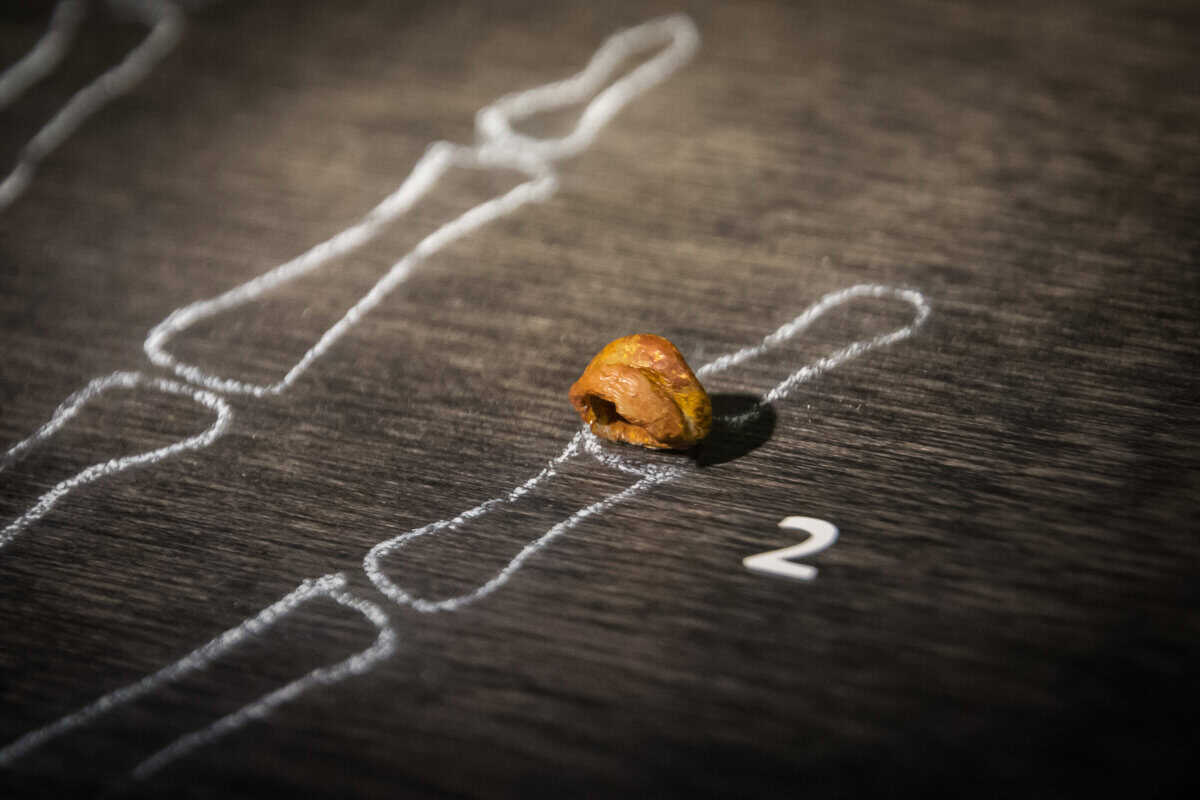
The Denisovans were first identified in 2010 after scientists studied a small finger bone found in Denisova Cave in Siberia.
At first, researchers believed the bone belonged to a Neanderthal child. However, advanced DNA testing revealed something completely unexpected.
The genetic material did not match Neanderthals or modern humans. Instead, it belonged to a previously unknown group of ancient humans.
This discovery showed how powerful genetic science has become, allowing experts to identify an entire human population from a single fragment.
Since then, only a few additional remains have been found, including teeth and a jawbone.
Despite the limited physical evidence, their DNA has provided a detailed picture of who they were.
This surprising discovery opened a new chapter in the study of human evolution and proved that many human relatives once lived across Asia.
2. Denisovans Interbred with Modern Humans
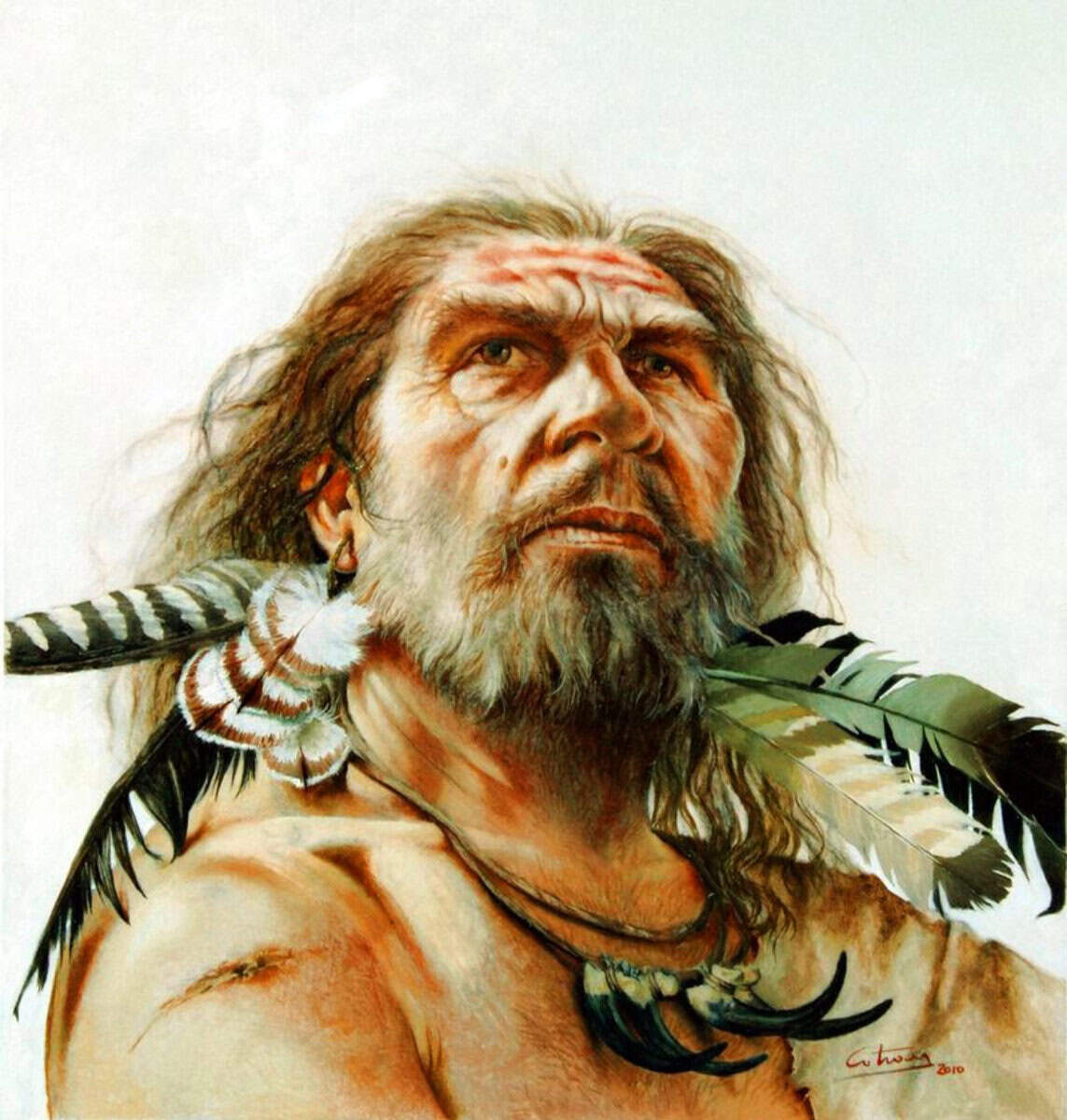
One of the most important discoveries about Denisovans is that they did not live completely separate from modern humans. Instead, they interacted and interbred with our ancestors.
Today, people from certain regions, especially in Southeast Asia, Melanesia, and parts of Oceania, carry Denisovan DNA in their genes.
In some populations, this genetic contribution can be several percent. These ancient genes are not just historical traces.
Some of them helped modern humans adapt to difficult environments. For example, a Denisovan gene helps Tibetan populations survive at high altitudes where oxygen levels are low.
This shows that contact between human groups was not rare or accidental.
It was part of a long history of movement, cooperation, and survival. The Denisovans were not strangers to our ancestors. In a real sense, they became part of us.
3. They Interacted with Other Ancient Human Groups
Denisovans did not only mix with modern humans. Genetic studies show that they also interbred with Neanderthals and possibly with other unknown human groups.
In fact, scientists discovered the remains of a young girl whose mother was a Neanderthal and whose father was Denisovan.
This rare find proved that different human species met and formed families. These interactions suggest that ancient humans were more connected than once believed.
Instead of living in complete isolation, they moved, met, and shared both territory and genes.
This mixing helped spread useful traits between groups and may have improved survival in harsh environments.
The Denisovans were part of a complex human network, and their story shows that human evolution was not a straight line, but a long and connected journey shaped by many different populations.
4. They Lived Across a Huge Area of Asia
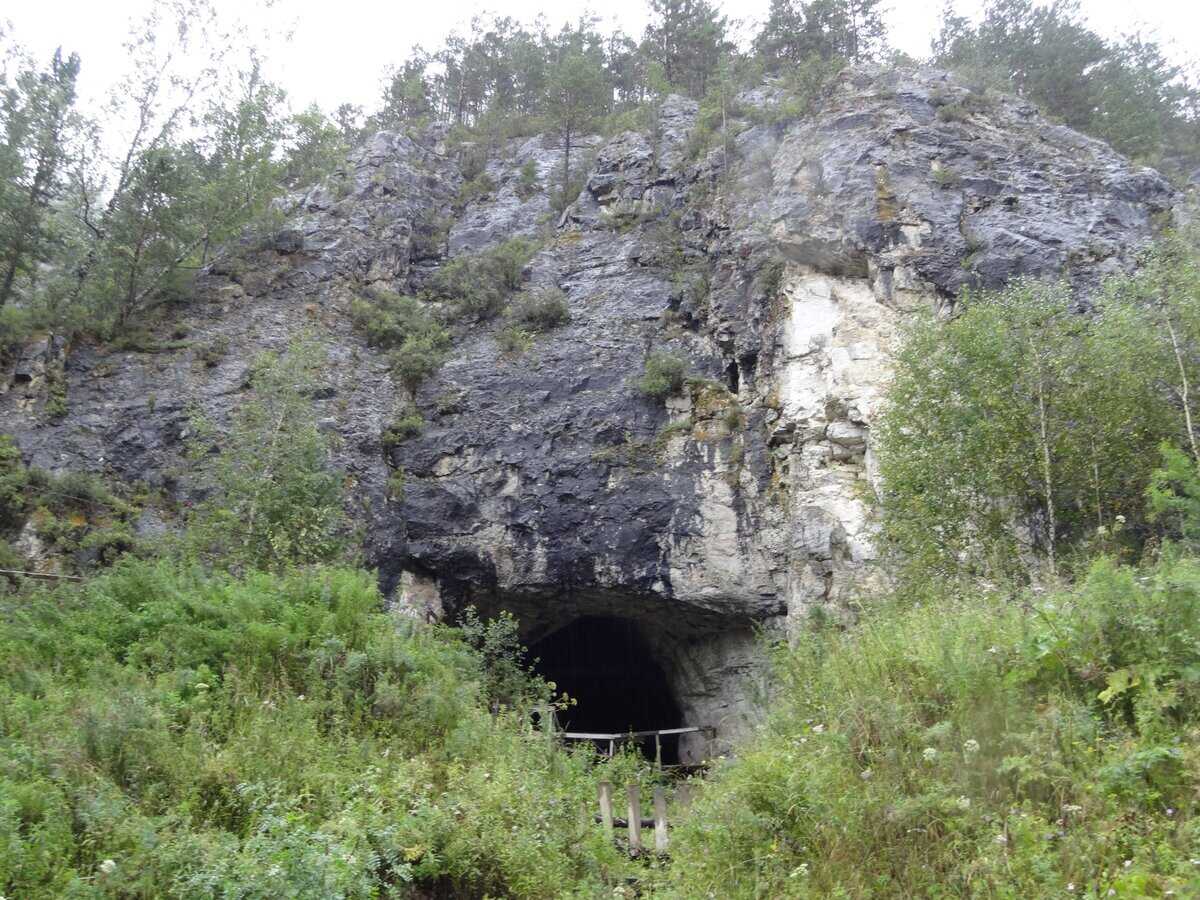
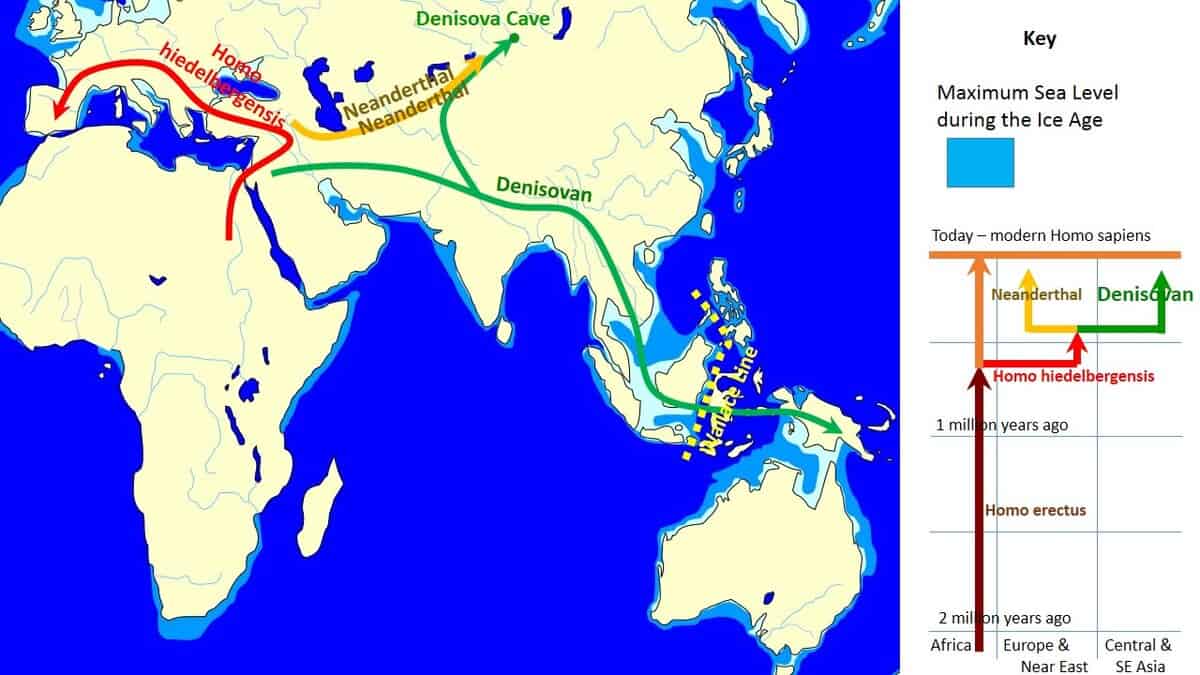
Although Denisovan fossils have been found in only a few locations, their genetic traces suggest they once lived across a wide region.
Evidence shows that Denisovans likely spread from Siberia to Southeast Asia and possibly even to island regions far from the mainland.
This wide distribution means they were highly adaptable and able to survive in very different climates, from cold northern environments to warm tropical forests.
Scientists believe there may have been several Denisovan populations that developed unique traits over time.
The discovery of a jawbone on the Tibetan Plateau also suggests they lived at very high altitudes long before modern humans arrived.
Because so few fossils have been found, much of their story comes from genetic research rather than physical remains.
Even so, the evidence clearly shows that Denisovans were widespread and successful for thousands of years.
5. Much About Them Is Still Unknown
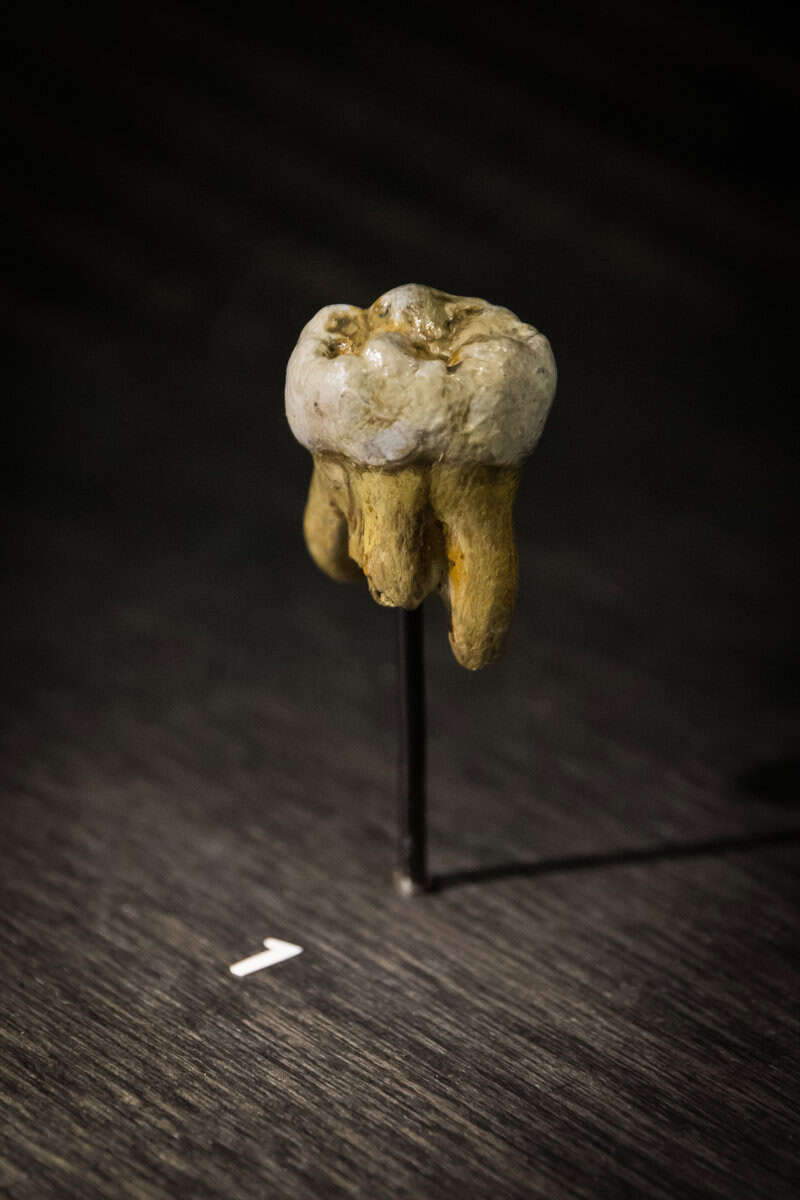
Despite the growing amount of genetic information, Denisovans remain one of the least understood human groups.
Scientists still do not know exactly what they looked like, how they lived day to day, or why they eventually disappeared.
Without complete skeletons, researchers must rely on small fragments and DNA clues to reconstruct their appearance and behavior.
Recent studies suggest they may have shared some physical traits with Neanderthals, but many details remain uncertain.
Their culture, tools, and social life are also largely a mystery. Each new discovery has the potential to change what we know about them.
Denisovans remind us that human history is still full of hidden chapters waiting to be uncovered.
As technology improves and more fossils are found, the story of this mysterious human group will likely become clearer, revealing even more surprises about our ancient past.

I always felt a strong connection to the Divine since my birth. As an author and mentor, my mission is to help others find love, happiness, and inner strength in the darkest of times.