
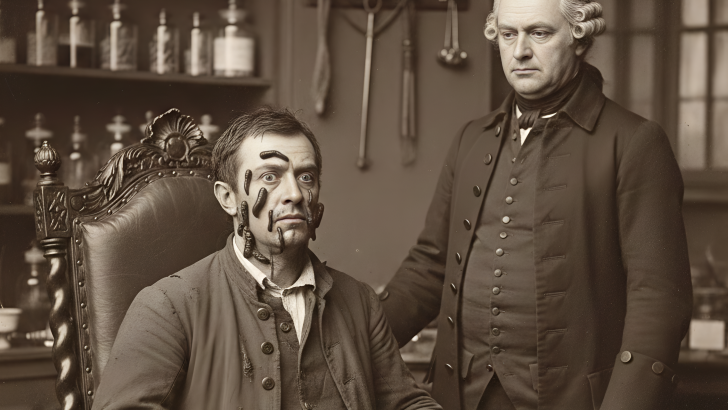
Medicine has come a long way, but the path to modern healthcare was often strange, risky, and sometimes shocking.
In ancient times, people did not understand germs, infection, or how the body truly worked.
Instead, they relied on tradition, trial and error, religion, and superstition. Some treatments were helpful, but many were dangerous or simply ineffective.
What seemed logical then can feel unbelievable today. These practices show how desperate people were to find relief from pain and disease.
They also remind us how far science has advanced. Here are ten ancient medical treatments that may sound shocking, strange, or even frightening to modern readers.
1. Bloodletting
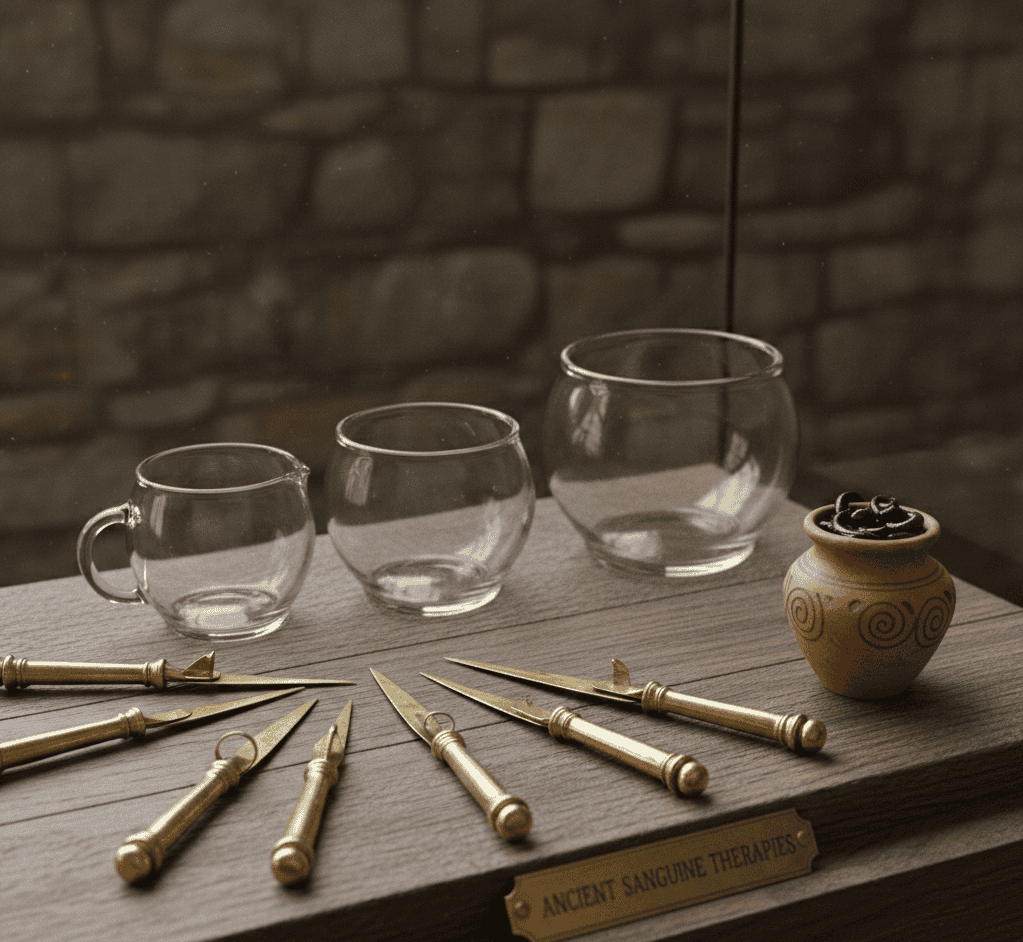
Bloodletting was one of the most common medical treatments for thousands of years.
Ancient doctors believed illness was caused by an imbalance of bodily fluids, called humors.
Removing blood was thought to restore balance and improve health. Physicians used knives, cups, or even leeches to draw blood from patients.
This treatment was used for fever, infections, headaches, and many other conditions. In reality, bloodletting often weakened patients and sometimes caused death.
Despite the risks, the practice remained popular well into the nineteenth century.
People trusted it because it had been used for generations. Today, bloodletting is only used in rare medical cases under strict supervision.
2. Trepanation
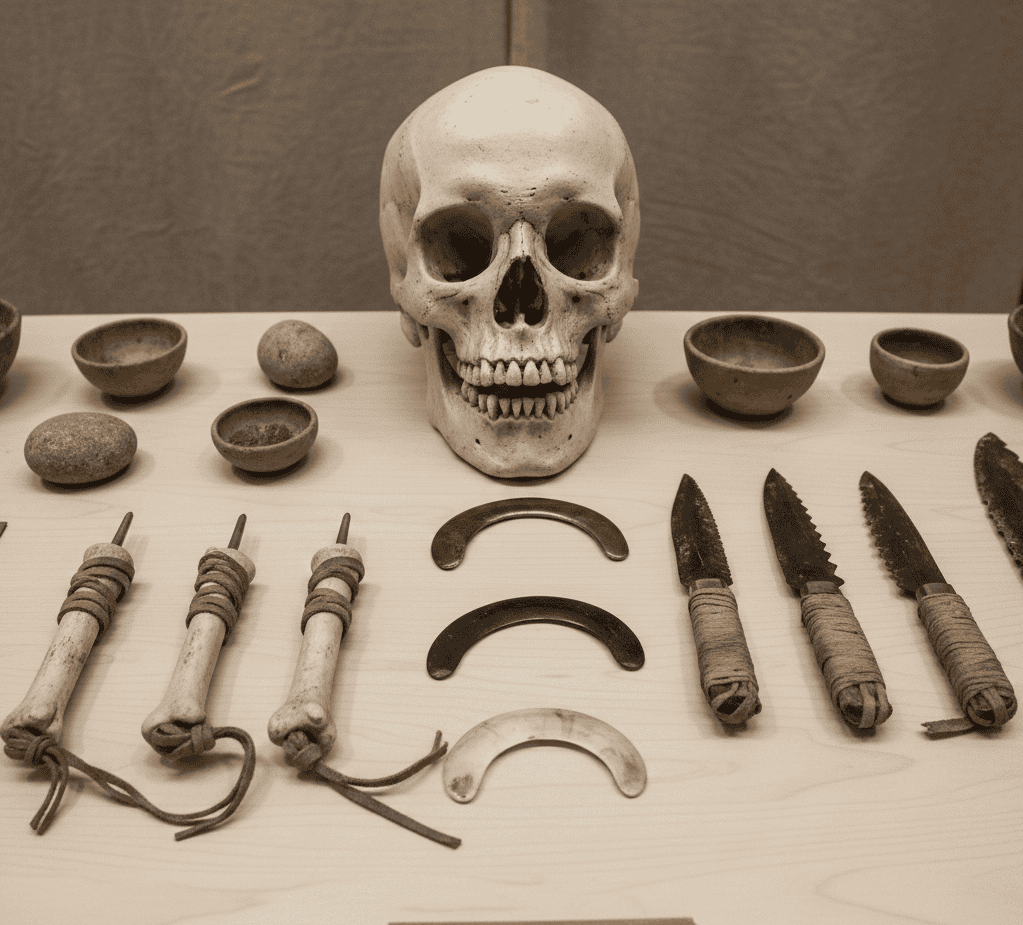
Trepanation involved drilling or cutting a hole into the skull. This practice dates back thousands of years and was performed in many ancient cultures.
Doctors believed it could release evil spirits, relieve pressure, or cure headaches and mental illness.
The idea was that opening the skull would allow harmful forces to escape. Surprisingly, some patients survived the procedure, as evidence shows signs of healing in ancient skulls.
However, the risks of infection, bleeding, and brain damage were extremely high. Without anesthesia or proper tools, the process must have been painful and dangerous.
Today, brain surgery is performed only with advanced technology and careful medical planning.
3. Using Animal Dung as Medicine
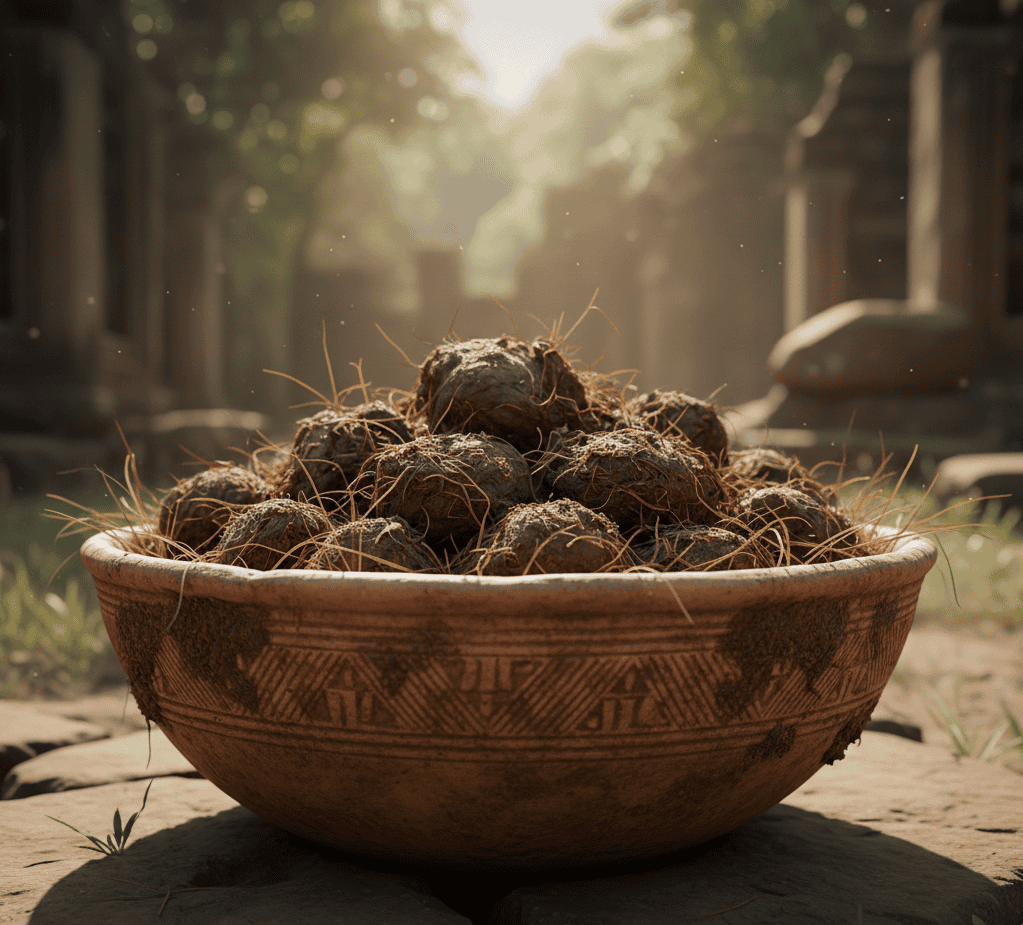
Ancient healers often used animal dung as part of medical treatments. In Egypt and other cultures, dung was applied to wounds, burns, or infections.
Some believed it had healing or protective powers. Others thought it could block harmful spirits or toxins.
Unfortunately, animal waste contains bacteria that can cause serious infections. Instead of helping, this treatment likely made many conditions worse.
Still, people trusted natural materials because they had limited medical knowledge.
Today, the idea of using dung as medicine seems shocking and unsafe. Modern medicine focuses on clean, sterile treatments to prevent infection and promote proper healing.
4. Drinking Mercury
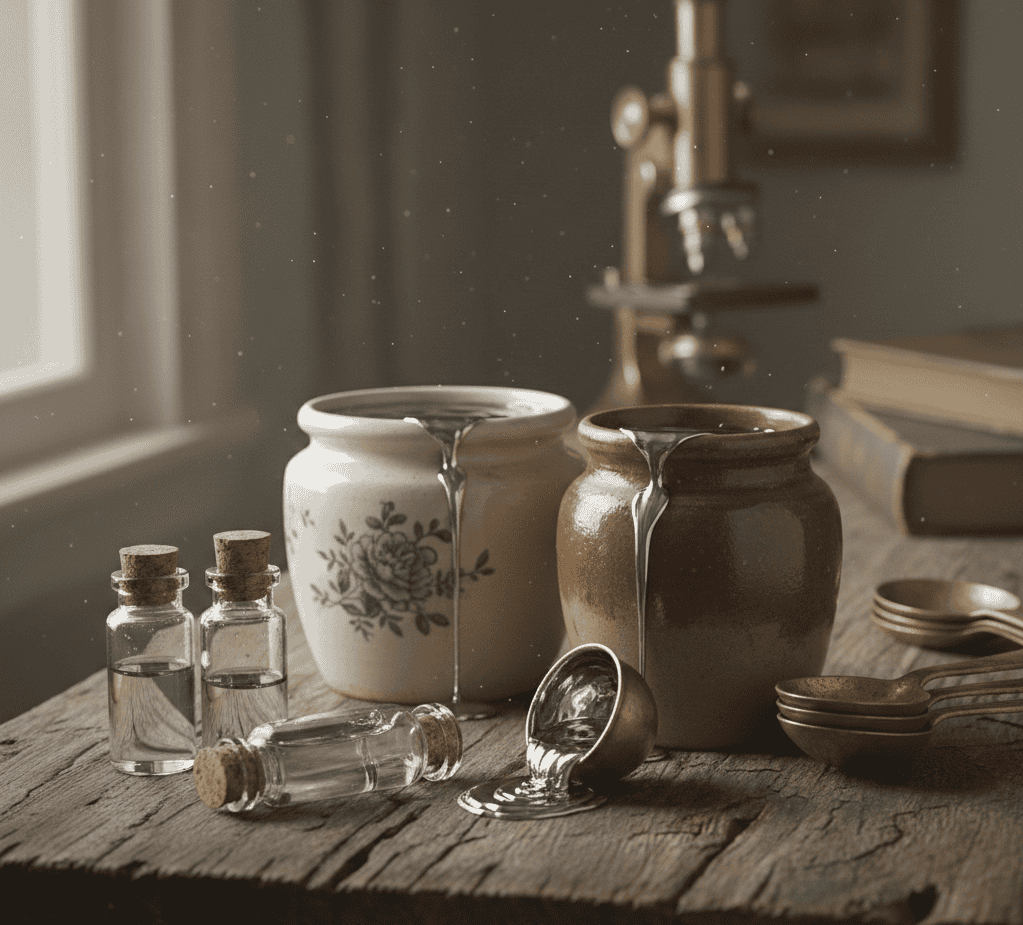
Mercury was once considered a powerful healing substance. In ancient China and later in Europe, it was used to treat skin diseases, infections, and even to promote long life.
Some believed mercury could purify the body or provide strength and vitality. The metal was taken as a liquid, powder, or mixed into medicines.
In reality, mercury is highly toxic and damages the brain, kidneys, and nervous system.
Many patients suffered serious poisoning or died from these treatments. Despite the danger, the practice continued for centuries.
Today, mercury exposure is carefully avoided because its harmful effects are well understood.
5. Tooth Worm Theory
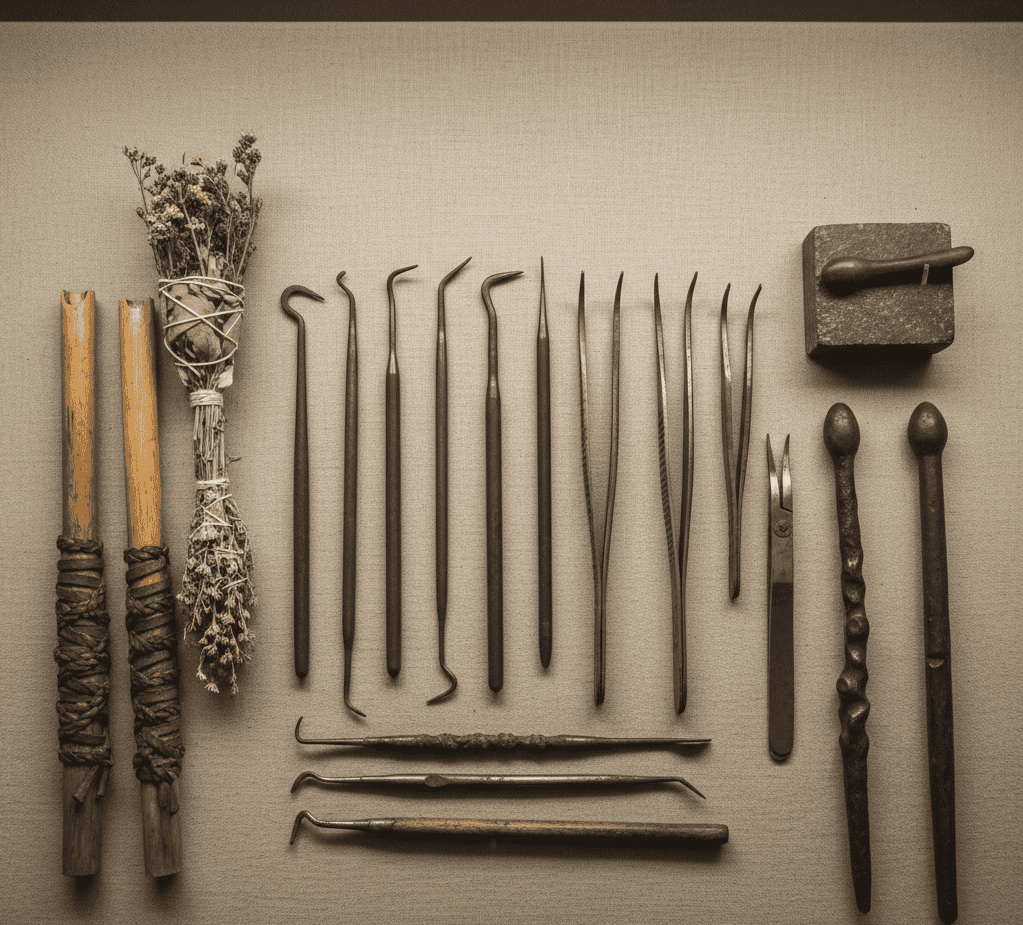
For many centuries, people believed tooth pain was caused by tiny worms living inside the teeth.
Ancient doctors tried to remove or kill these imaginary worms using smoke, herbs, or heated tools.
Some treatments involved placing strong substances in the mouth to drive the worms out.
The real cause of tooth pain, decay, and infection was not understood at the time.
Without proper dental care, many people suffered severe pain and tooth loss.
The worm theory remained popular because it offered a simple explanation for a common problem.
Modern dentistry now treats cavities, infections, and gum disease safely and effectively.
6. Mummy Powder Medicine
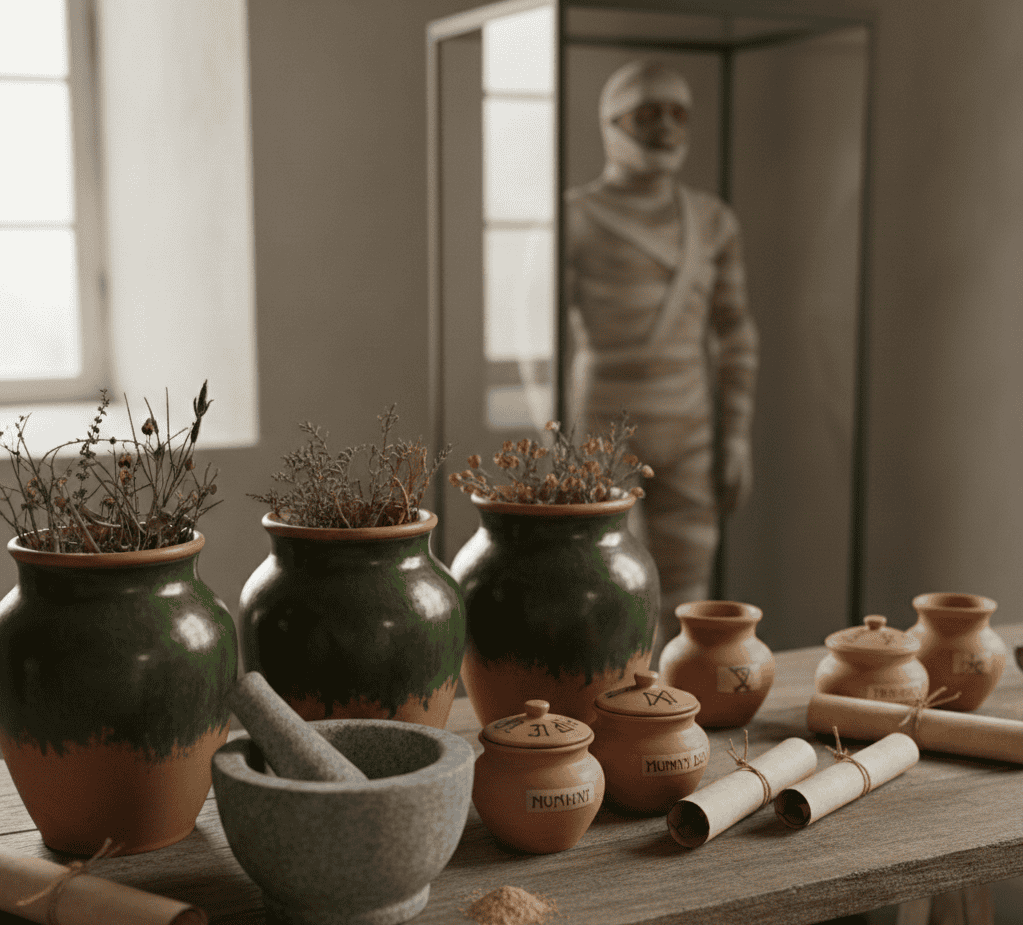
In medieval and early modern Europe, ground mummy remains were used as medicine. People believed that powdered human remains had healing properties.
The powder was mixed into drinks or applied to wounds to treat pain, bleeding, or illness.
This practice was based on the idea that preserved bodies contained life-giving energy. Demand for mummy powder became so high that fake products were often sold.
The treatment offered no real medical benefit and raised serious ethical concerns.
Today, this practice seems disturbing and disrespectful. Modern medicine relies on tested treatments rather than superstition or symbolic beliefs about healing power.
7. Burning Wounds with Hot Metal
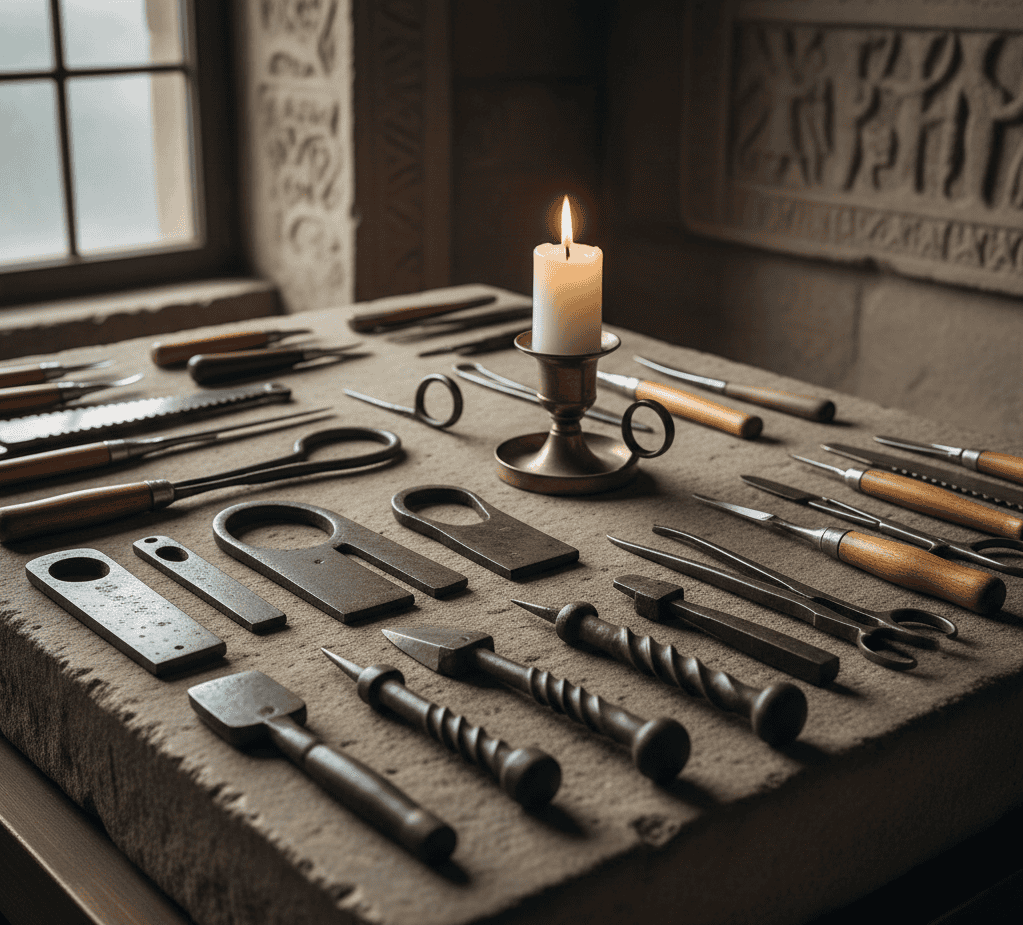
Cauterization was a common method used to treat wounds, stop bleeding, or prevent infection.
Doctors would press a heated metal tool onto the injured area to burn the tissue.
The intense heat sealed blood vessels and was believed to destroy harmful substances.
While it sometimes stopped bleeding, the method caused extreme pain and often damaged healthy tissue.
Without proper care, the burned area could become infected. Despite the risks, cauterization was widely used in battle and surgery.
Today, similar techniques exist but are performed with advanced tools, anesthesia, and sterile conditions to ensure safety and reduce pain.
8. Herbal Smoke Treatments
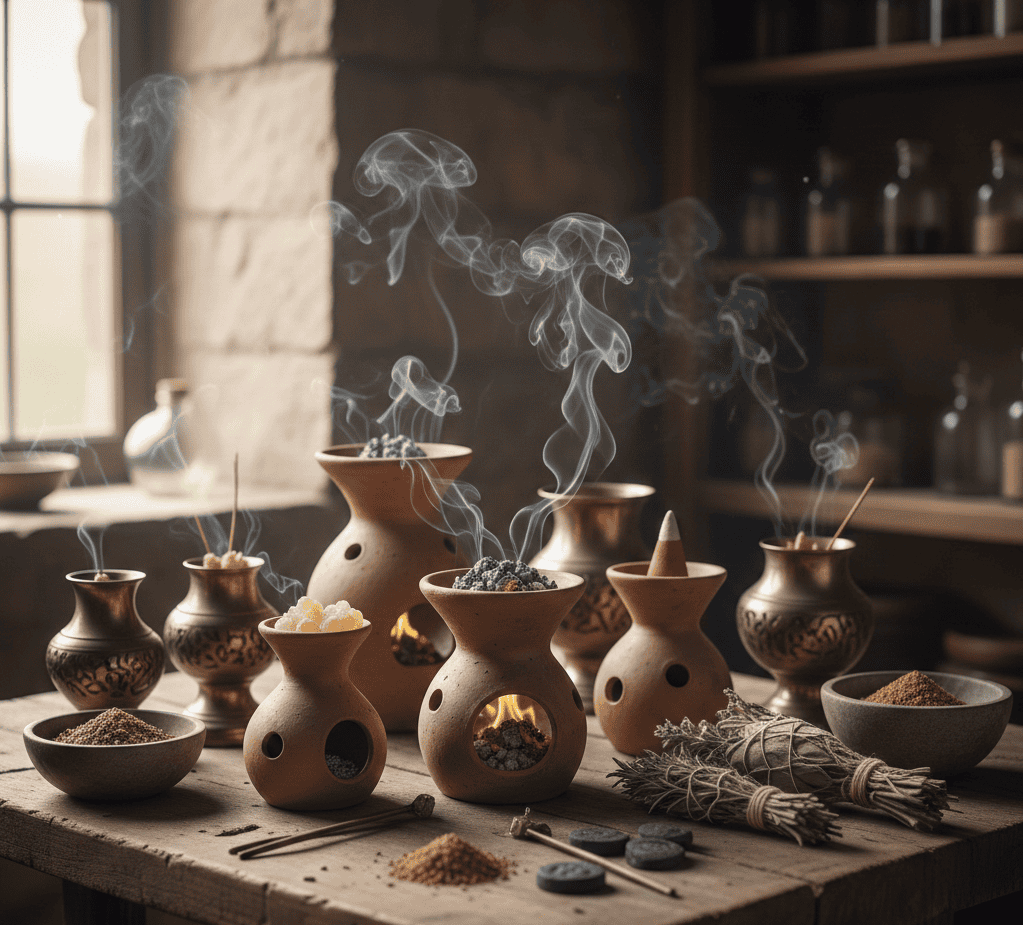
In many ancient cultures, people inhaled smoke from burning herbs to treat illness. Healers believed the smoke could cleanse the body, remove disease, or drive away evil spirits.
Patients were sometimes placed in enclosed spaces and exposed to thick smoke.
While some herbs may have had mild medicinal effects, heavy smoke could irritate the lungs and worsen breathing problems.
The treatment was based more on spiritual belief than medical evidence.
Today, doctors understand the importance of clean air for lung health. Medical inhalers and carefully measured treatments have replaced smoke-based healing practices.
9. Urine Therapy
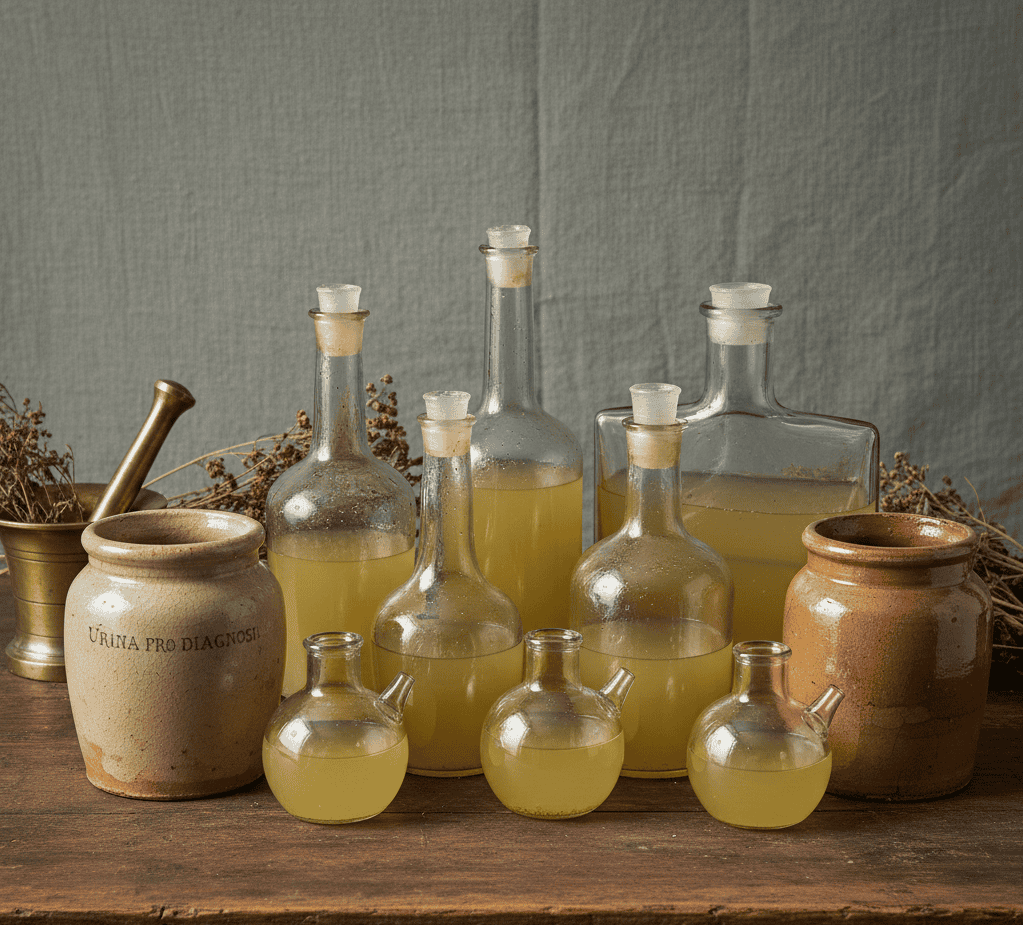
Urine was used in several ancient medical systems as a treatment for wounds, skin conditions, and infections.
Some believed it had cleansing or healing properties. It was applied to the body or even consumed in certain cases.
The practice was based on the idea that the body’s waste could contain useful substances.
While urine is usually sterile when fresh, it is not a reliable or safe medical treatment.
Modern medicine now uses tested antiseptics and medications instead of body waste to treat injuries and infections safely.
10. Astrology-Based Diagnosis
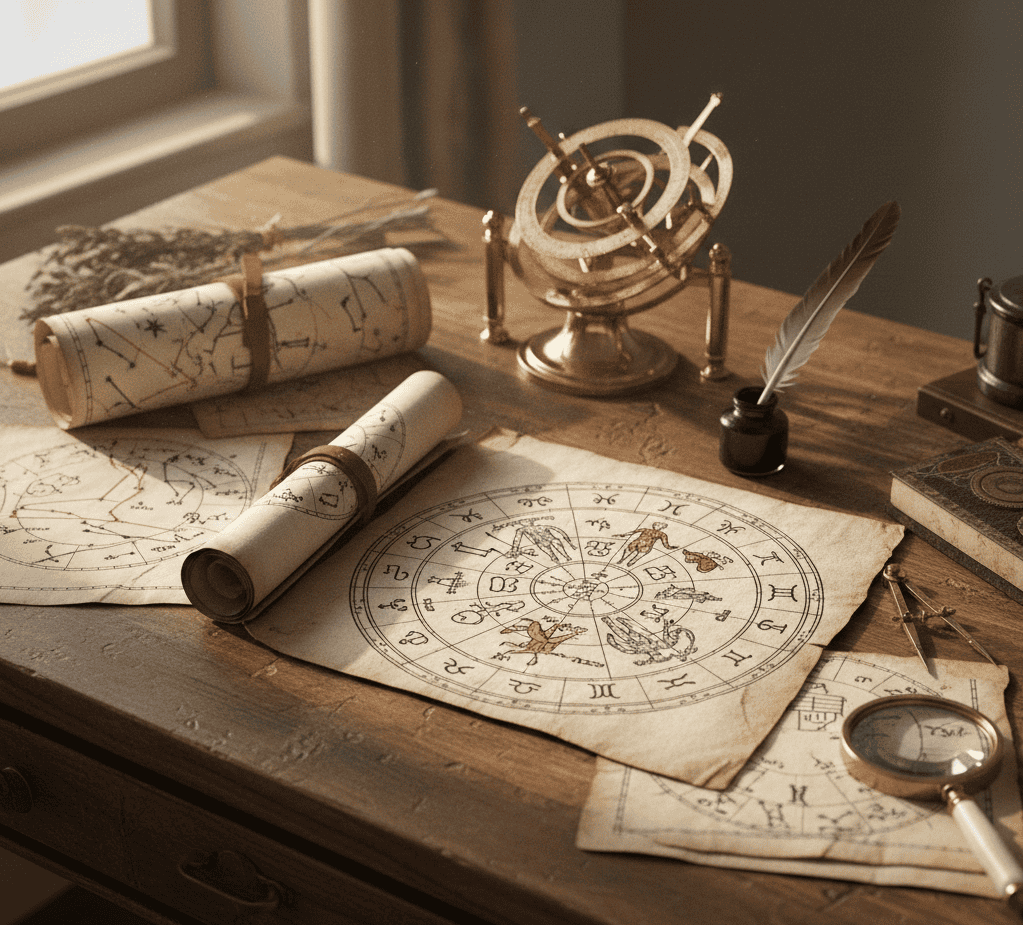
Ancient doctors often used astrology to diagnose illness and choose treatments.
They believed the position of the stars and planets influenced the human body and health.
Certain days were considered better for surgery, bloodletting, or taking medicine. Each part of the body was also linked to a zodiac sign.
Medical decisions were sometimes delayed or changed based on planetary movements.
While astrology played an important cultural role, it had no scientific basis for treating disease.
Today, medical care relies on evidence, testing, and careful diagnosis. This shift from belief to science has greatly improved patient safety and treatment success.

I always felt a strong connection to the Divine since my birth. As an author and mentor, my mission is to help others find love, happiness, and inner strength in the darkest of times.