
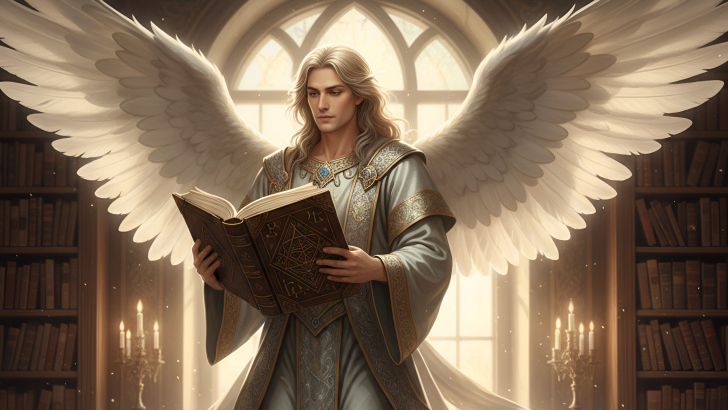
The Book of Soyga is one of the most mysterious and fascinating magical texts ever discovered.
For centuries, scholars, mystics, and historians have tried to understand its strange symbols, hidden codes, and possible connection to angels and divine knowledge.
The book gained special attention because of its association with the famous Renaissance scholar John Dee, who believed it contained secrets revealed by heavenly beings.
Written in Latin and filled with complex tables and unusual patterns, the Book of Soyga appears to hide messages that are still not fully understood today.
Its mix of religion, magic, and mystery continues to capture curiosity. These eight secrets explore the strange history, hidden meanings, and spiritual connections behind this unusual and powerful book.
1. The Book Was Lost for Centuries

For many years, the Book of Soyga was believed to be completely lost. Scholars knew about it only because John Dee mentioned it in his journals during the sixteenth century.
Dee wrote that the book contained powerful knowledge but that much of it was difficult to understand.
After his death, no copies could be found, and the book seemed to disappear from history.
For centuries, it remained a mystery, with researchers wondering if it had been destroyed or hidden.
Then, in the twentieth century, two copies were discovered in major libraries in England.
This unexpected rediscovery brought the book back into scholarly attention and renewed interest in its strange contents.
2. John Dee Believed It Held Angelic Knowledge
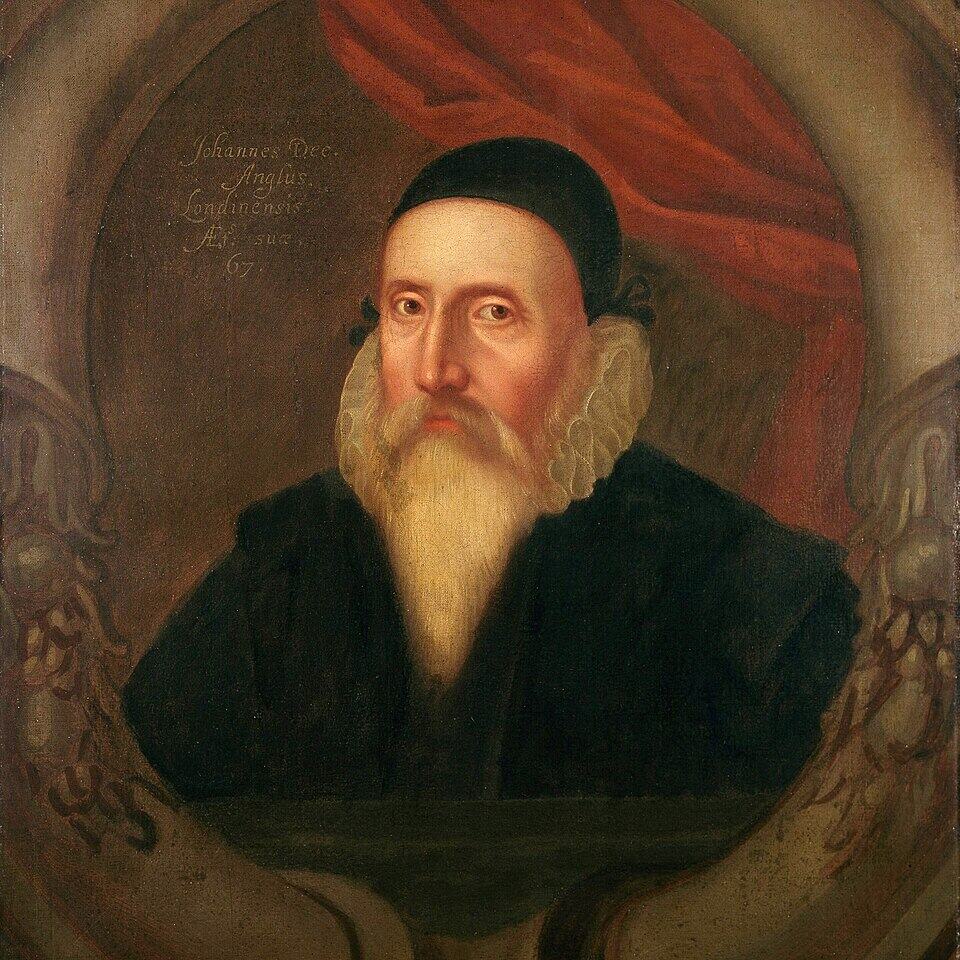
John Dee, a mathematician, astrologer, and advisor to Queen Elizabeth I, believed the Book of Soyga contained knowledge connected to angels.
He studied the text carefully and tried to unlock its hidden meanings. Dee even asked spiritual beings about the book during his famous angel communication sessions.
According to his records, the angels told him that the book contained wisdom revealed to Adam in the Garden of Eden.
This claim made the text even more mysterious and sacred in Dee’s eyes. His strong belief in its divine origin shows how seriously he viewed it all.
The connection between heavenly knowledge, magic, and human understanding during the Renaissance period was captured by him.
3. The Book Contains Strange Letter Tables

One of the most puzzling parts of the Book of Soyga is a series of large letter tables filled with seemingly random characters.
These tables appear in complex patterns that repeat throughout the manuscript.
At first glance, the letters look meaningless, but researchers believe they may contain hidden codes or encrypted messages.
The structure suggests that the author used a system or formula to arrange the letters. For centuries, no one could explain how these tables were created.
Their mathematical appearance adds to the idea that the book combines logic, mysticism, and symbolic meaning.
The mysterious tables remain one of the most challenging and fascinating features of the text.
4. A Modern Scholar Cracked Part of the Code

In the late twentieth century, a researcher named Jim Reeds made an important discovery about the Book of Soyga.
He studied the letter tables using computer analysis and found that they were created using a mathematical method.
Reeds showed that the patterns followed specific rules rather than being random.
This breakthrough helped explain how the tables were constructed, but it did not fully reveal their meaning.
While the structure became clearer, the purpose behind the encoded material remains unknown.
The discovery proved that the book was carefully designed and intellectually complex.
Even with modern technology, many of its deeper secrets continue to resist full explanation.
5. The Author of the Book Is Unknown
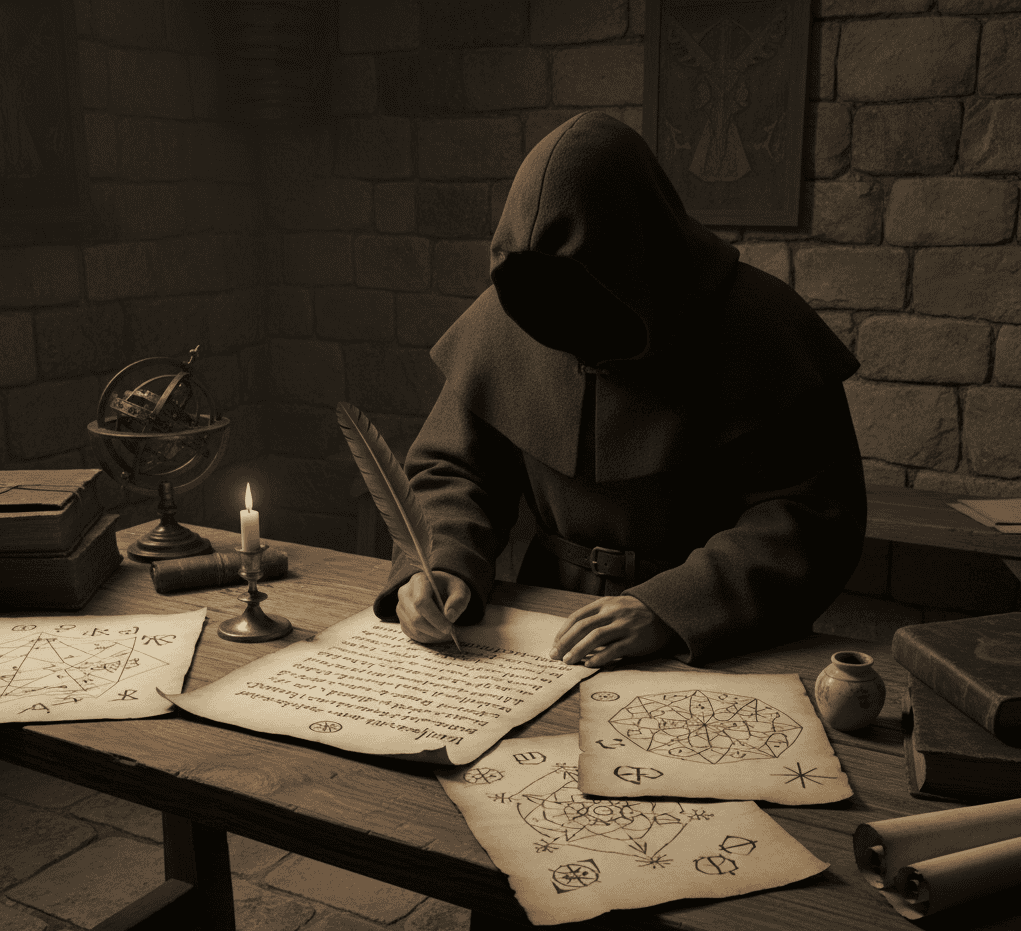
Despite years of research, no one knows who originally wrote the Book of Soyga.
The language, style, and structure suggest it was created during the late medieval or early Renaissance period.
Some scholars believe it was written by a learned magician or cleric familiar with Latin, mathematics, and mystical traditions.
Others think it may have been part of a larger magical or religious system that has since been lost.
The lack of a known author adds to the mystery and makes it difficult to understand the book’s original purpose.
Without knowing who created it or why, researchers must rely only on clues hidden within the text itself.
6. It Blends Religion and Magic

The Book of Soyga reflects a time when the boundaries between religion, science, and magic were not clearly separated.
The text includes prayers, references to divine wisdom, and elements of Christian belief alongside magical symbols and coded material.
During the Renaissance, many scholars believed that studying nature, mathematics, and sacred texts could reveal hidden truths about God and the universe.
The book fits within this tradition of spiritual exploration through knowledge and symbolic systems.
Its mixture of holy language and mystical techniques shows how people once sought divine understanding through both faith and intellectual study, rather than treating religion and magic as completely separate ideas.
7. It May Be Linked to Earlier Magical Traditions

Some researchers believe the Book of Soyga draws from older magical and mystical traditions that existed long before John Dee.
The structure of the letter tables and the use of coded language resemble techniques found in medieval grimoires and earlier mystical writings.
These traditions often focused on hidden knowledge, angelic communication, and symbolic systems meant to reveal deeper truths.
The book may represent a continuation of these older ideas, preserved and expanded by later scholars.
If this is true, the text could be part of a long chain of esoteric learning passed through generations.
This possible connection increases its historical importance and deepens its mysterious background.
8. Its True Purpose Remains a Mystery

Despite centuries of study, the full meaning and purpose of the Book of Soyga are still unknown.
Researchers understand parts of its structure and historical context, but its deeper message remains hidden.
Was it meant for angelic communication, spiritual meditation, magical practice, or intellectual study? No clear answer exists.
The book continues to attract historians, cryptographers, and students of mysticism who hope to unlock its secrets.
Its combination of faith, mathematics, symbolism, and mystery keeps it relevant even today.
The Book of Soyga stands as a reminder that some texts from the past still guard their secrets, inviting each generation to search for hidden knowledge.

I always felt a strong connection to the Divine since my birth. As an author and mentor, my mission is to help others find love, happiness, and inner strength in the darkest of times.