
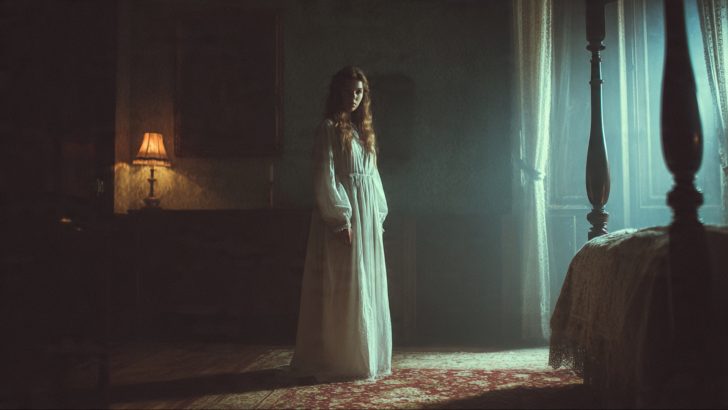
Sleepwalking is an eerie phenomenon that has been puzzling us since the beginning of time.
Throughout history, people have looked at sleepwalkers with awe, fear, suspicion, and concern, believing they might be touched by spirits or cursed by demons.
Ancient civilizations viewed it as a bridge between the worlds and a secret doorway to the unknown.
Let’s explore some interesting beliefs about sleepwalking!
1. Galen of Pergamon’s Experience
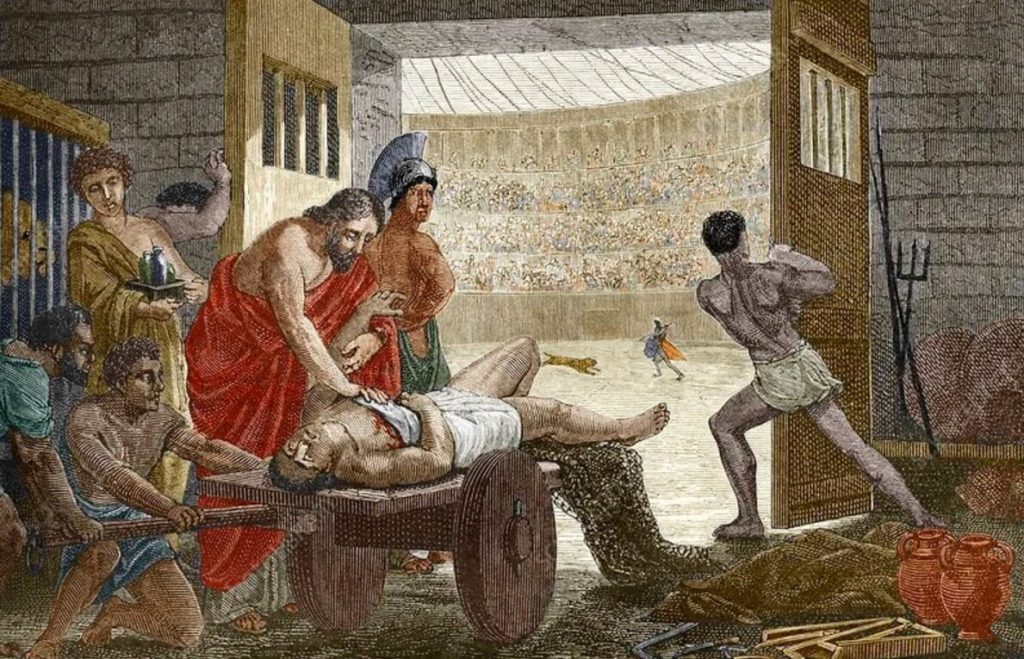
Back in the 2nd century AD, the Roman physician Galen of Pergamon told of his own sleepwalking experience.
He realized he was doing it once he tripped on a stone and woke up, seeing that he wasn’t in his bed. He has been wandering all night, stumbling around his home.
He took it as a sign of the animal spirits that kept moving even in his sleep.
Galen believed these spirits lingered in the body, animating in mysterious ways. It was as though the soul had its own life that went beyond our waking will.
During Galen’s time and even much earlier, ancient people believed that sleepwalking was a connection to the hidden spiritual realm.
They believed that the soul wanted to roam free, and could do that when we slept.
2. The Witchcraft Connection
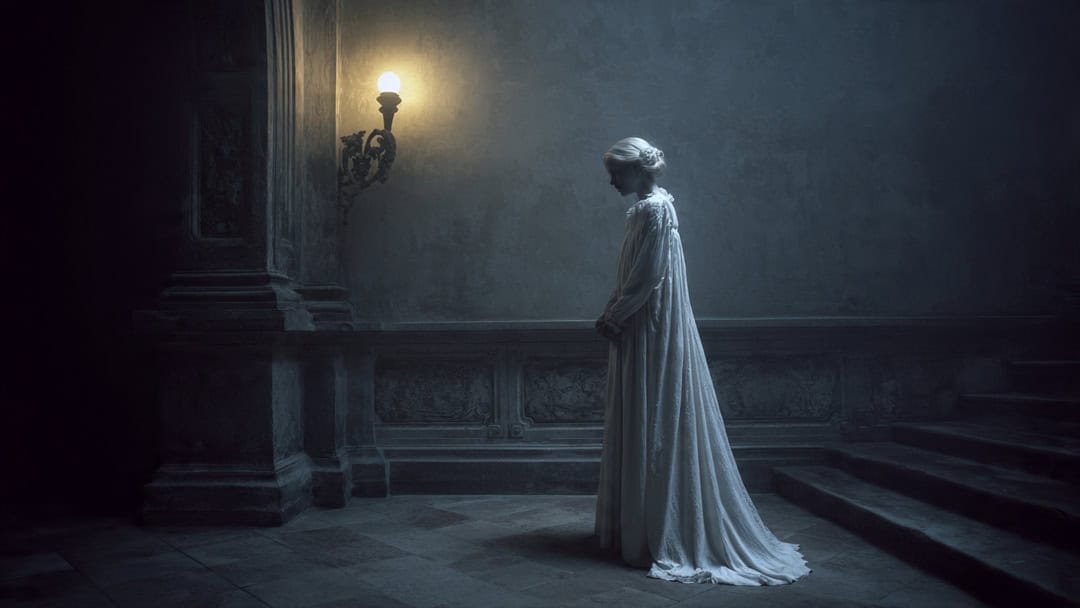
In medieval Europe, sleepwalkers were usually mistaken for witches and demons.
The infamous Malleus Maleficarum claimed that witches could fly at night to attend their dark gatherings.
So believed that what we call sleepwalking was actually demonic flight, guided by evil spirits.
If a sleepwalker was called by their Christian name, it was thought the demon’s hold would weaken, causing them to fall and wake up.
These stories painted the phenomenon as a supernatural journey, a secret pass into the world of spirits and darkness.
It was an attempt to explain real fears through the mystery of the unknown.
3. Ghosts and Hauntings
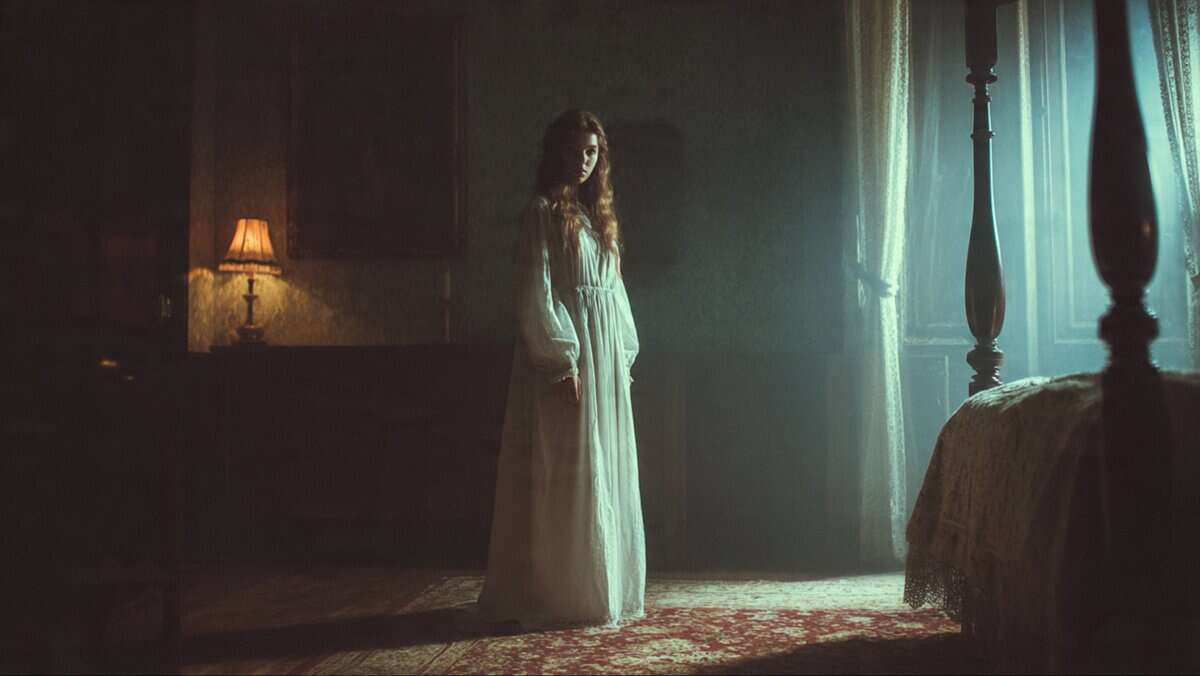
A story from 17th-century England tells of a family whose daughter was supposedly haunted by a ghost.
She scared her family by stumbling through the house in the middle of the night, completely unresponsive. Turns out, she was just sleepwalking.
In older times, many haunting legends and sightings came from witnessing a sleepwalker in their trance.
These moments blurred the line between reality and the spiritual realm, since people had no other way to explain how someone could walk around while not being awake.
Writers loved to explore this connection, weaving sleepwalking into tales of haunted castles and cursed towns.
Much like most things that are beyond our understanding, this phenomenon also fascinates and scares us.
4. Sleepwalking in Literature (Shakespeare)
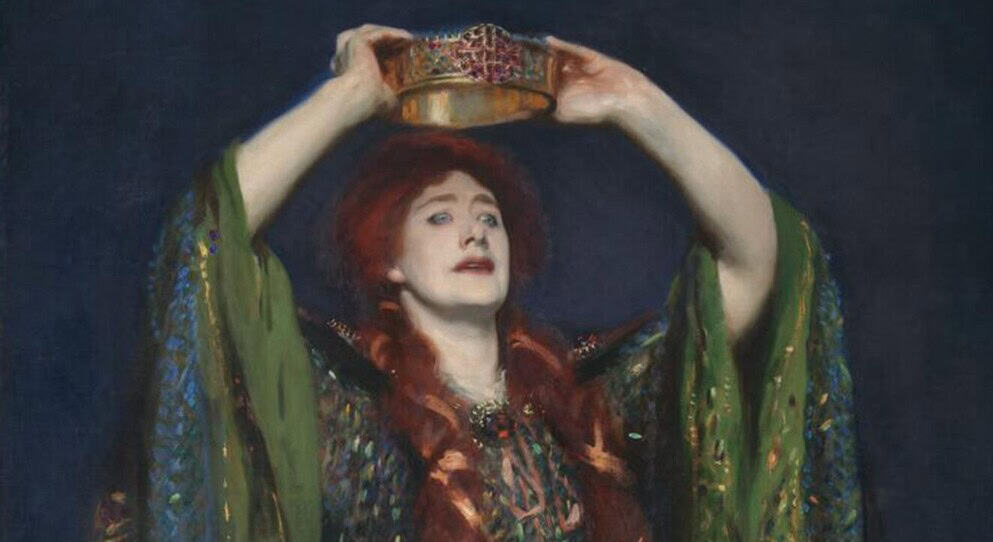
In Shakespeare’s Macbeth, Lady Macbeth’s sleepwalking scene reveals her guilt and inner turmoil.
As she walks and talks in her sleep, her subconscious exposes her evil deeds; murder and ambition haunt her even when she sleeps.
The implication suggests that sleepwalking reveals hidden truths, forcing us to face our shadow.
The unconscious mind takes over, revealing moral failures and doubts that the conscious self tried to bury.
In Macbeth, this phenomenon comes as a confession; a state of mind where your moral compass confronts your self-serving conscious choices.
5. Sleepwalking in Literature (Johanna Spyri)
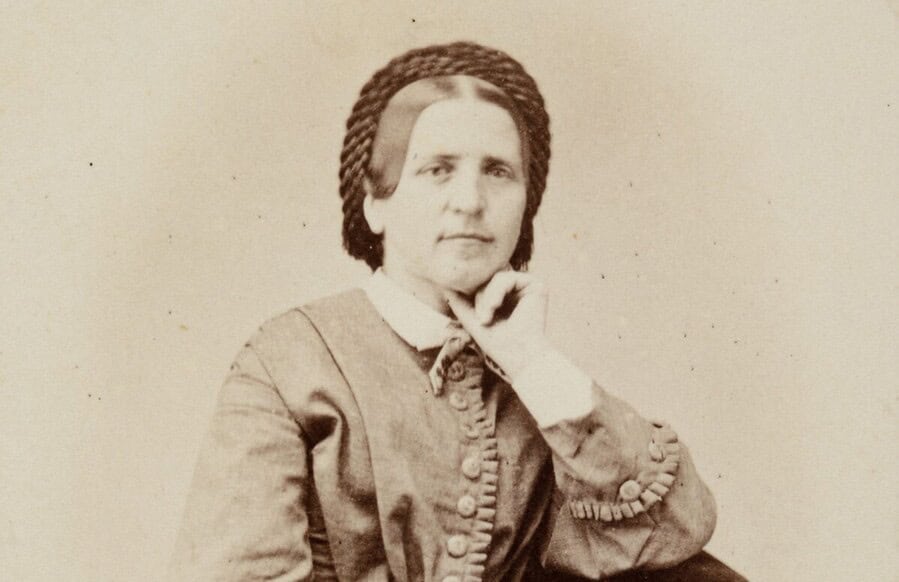
This phenomenon had a role to play even in children’s stories.
In Heidi, her sleepwalking symbolizes her homesickness and emotional distress after moving away from her mountain home.
It’s the unconscious mind reaching out beyond waking reality.
The very feelings you try to shove down come to light when you sleepwalk, and they’re not swayed by realistic necessity or convenience.
In this story, sleepwalking is much more than a disorder; it’s a journey of the soul, forcing us to face our inner feelings.
It’s a profound emotional experience that guides the sleepwalker to understanding and healing.
6. Sleepwalkers and Violence
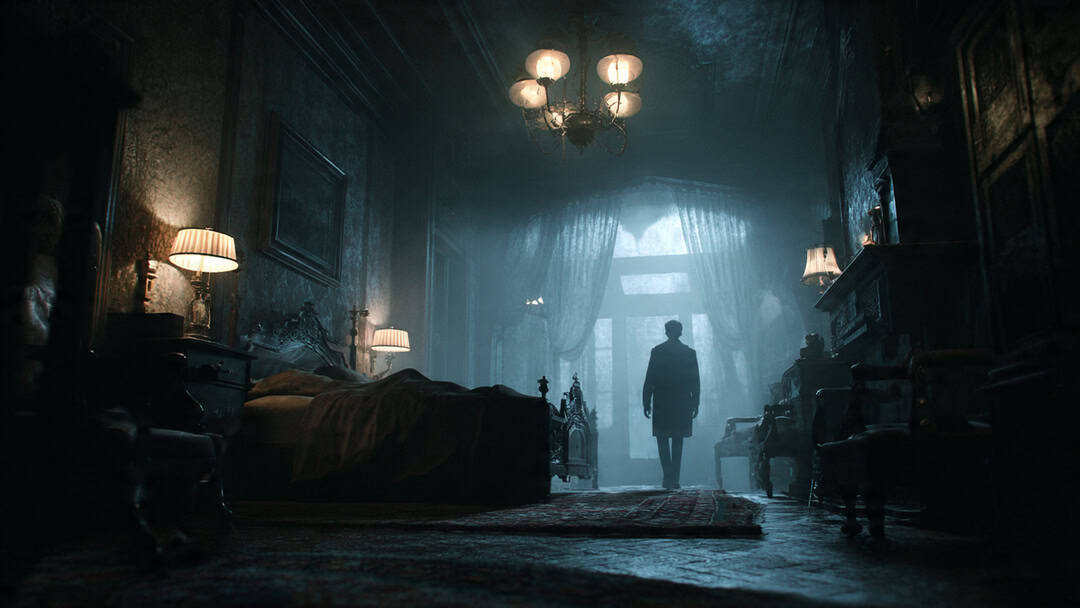
Though it’s typically believed that a sleepwalker cannot hurt themselves or anyone else, in some cases, murders have been committed!
One of the earliest happened in 1686, when Colonel Cheyney Culpepper shot a guard while sleepwalking.
He was pardoned by the king, and it’s assumed that the act was seen as the work of an evil spirit.
More recently, in 1987, a young man called Kenneth Parks killed his mother-in-law in his sleep, and tried to also kill his father-in-law.
Though the attack was brutal, Parks was charged with second degree murder since his brain scan actually showed sleep activity.
He also had a habit of walking in his sleep, and it’s been estimated that about 35 documented murders from around the world were committed by sleepwalkers.
7. The Eternal Enigma
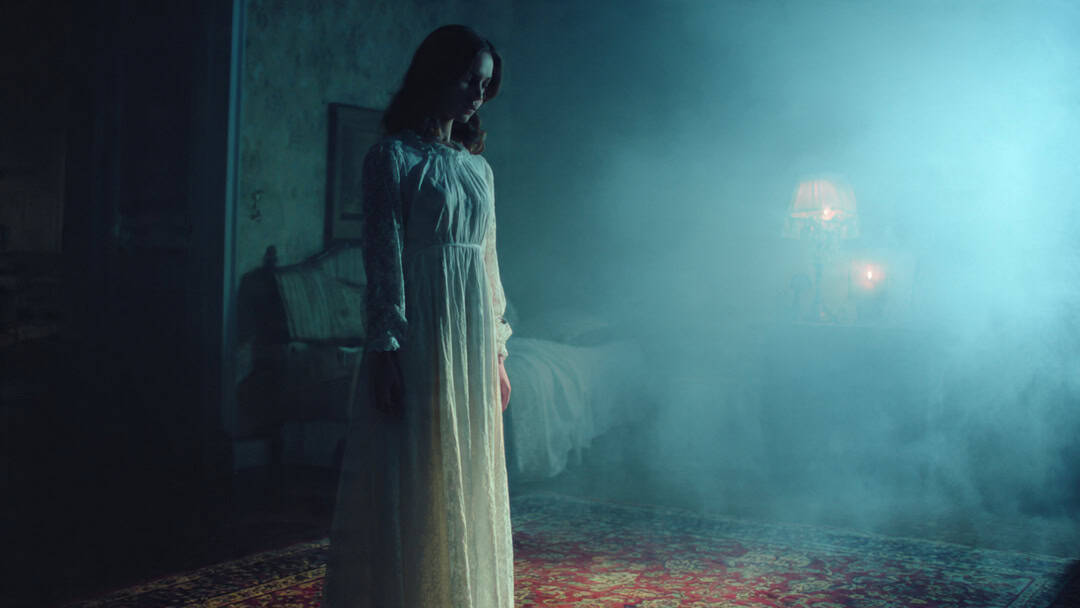
Sleepwalking remains one of the greatest mysteries of the human mind. Much like with dreams, studies and brain scans can’t really tell us much.
We still don’t know whether it’s a purely biological phenomenon or it goes deeper than reason and science can reach.
Ancient cultures believed that a sleepwalker was possessed, sometimes by a divine force and other times by something demonic.
It was seen as the passage to the spiritual realm.
Modern scientists see it as a neurological glitch.
Still, stories of the spirits and hauntings seem much closer to our hearts, so they persist as the favorite explanation of this incredible phenomenon.

A little Aquarius, devoted to writing and embroidery. Through my writing, I hope to empower readers to align with their true selves and navigate life’s mysteries with confidence.