
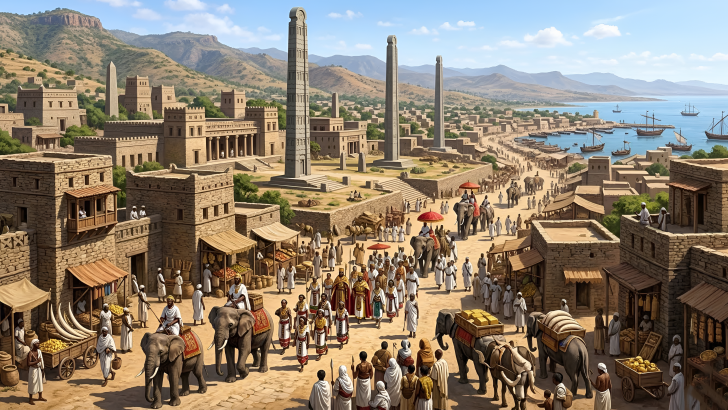
When people think about powerful ancient empires, they often imagine Rome, Greece, or Egypt.
However, one of the strongest and most impressive kingdoms in the ancient world was located in East Africa.
The Kingdom of Aksum, located in what is now Ethiopia and Eritrea, was a wealthy and influential empire that controlled important trade routes and built remarkable monuments.
At its peak, Aksum was so powerful that historians say it stood alongside the great empires of Rome, Persia, and China.
The kingdom connected Africa with the Middle East, India, and the Mediterranean world through trade and diplomacy.
Although many people today know little about it, Aksum played a major role in ancient history.
Here are five fascinating facts about the African empire that once rivaled Rome.
1. Aksum Controlled Major International Trade Routes
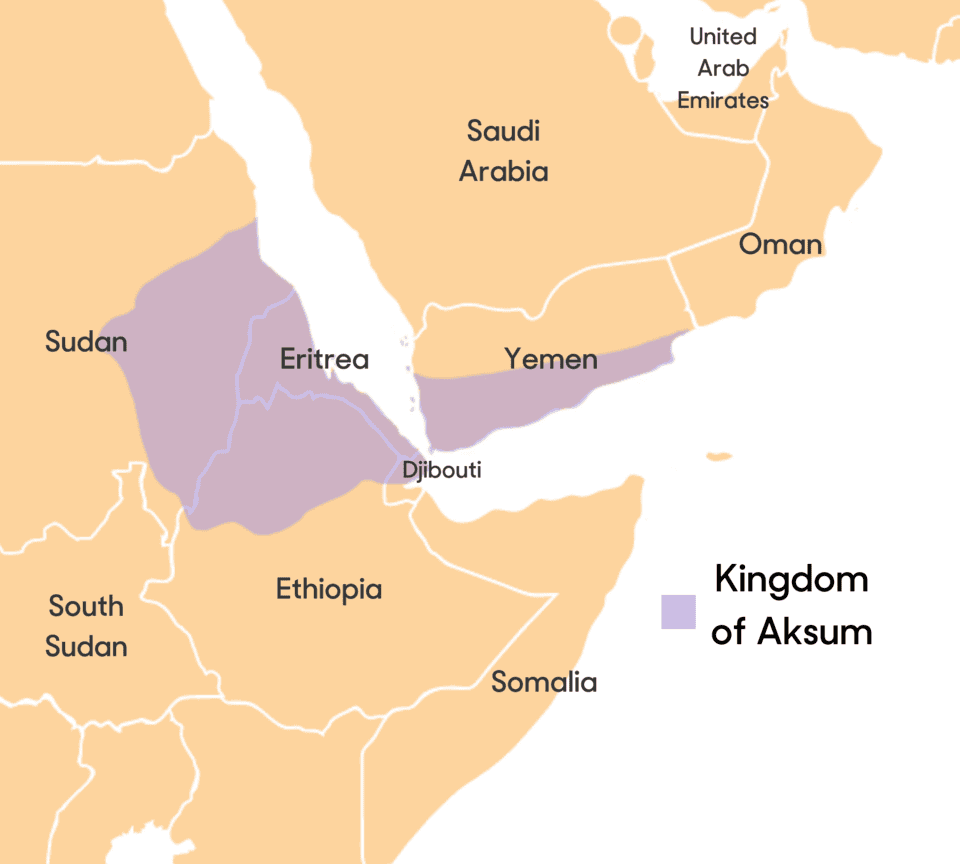
The empire sat in a perfect location near the Red Sea, which connected Africa with Arabia, India, and the Mediterranean world.
Merchants traveling between these regions often passed through Aksumite ports and markets. The city of Adulis became one of the busiest trade centers in the ancient world.
Traders brought goods such as ivory, gold, spices, incense, and exotic animals from Africa.
In return, they received textiles, metal goods, and luxury items from distant lands. This constant movement of goods brought great wealth to the kingdom.
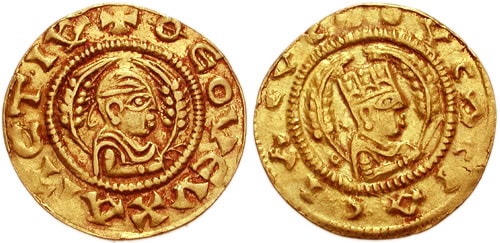
Aksum also developed its own coins made from gold, silver, and bronze, which made trade easier and showed the empire’s economic strength.
Because of its trade power, Aksum became known far beyond Africa and built connections with many other civilizations.
2. Aksum Built Massive Stone Obelisks
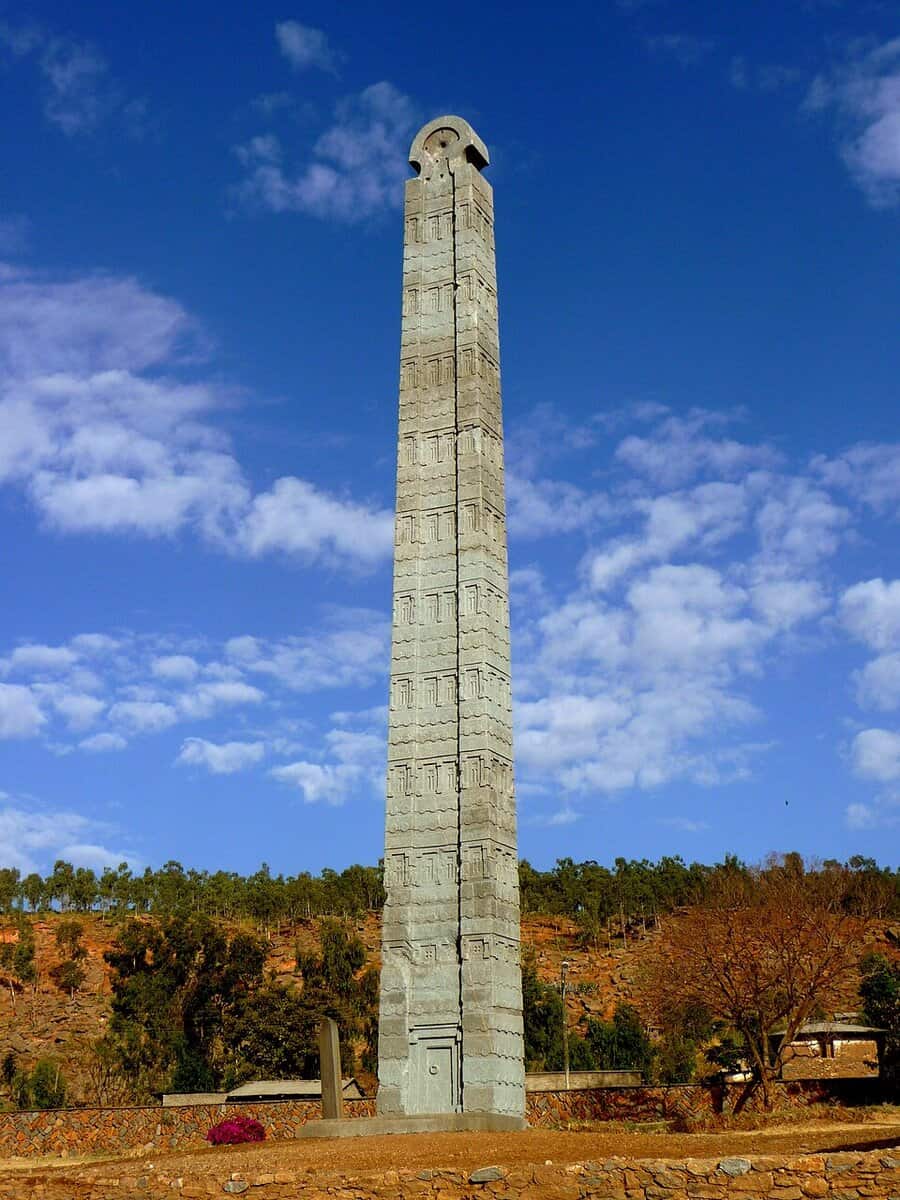
One of the most famous features of the Aksumite civilization is its enormous stone monuments. These tall structures, often called stelae or obelisks, were carved from single pieces of granite.
Some of them reached heights of more than twenty meters and weighed hundreds of tons.
They were carefully decorated with carved windows and doors that made them look like tall stone buildings.
Historians believe these monuments marked royal tombs or important burial places.
Creating them required advanced engineering skills because the stones had to be cut, transported, and raised without modern machines.
Even today, the surviving obelisks in the city of Aksum remain impressive. They stand as proof of the creativity and skill of the people who built them.
These monuments also show how powerful and organized the kingdom had become during its golden age.
3. Aksum Was One of the First Christian Kingdoms
Aksum holds a special place in religious history because it became one of the earliest kingdoms to officially adopt Christianity.
This happened during the fourth century when King Ezana converted to the new faith. Before this time, the people of Aksum followed older local religions.
After the king accepted Christianity, the religion spread throughout the kingdom and became part of everyday life.
Churches were built, and Christian symbols appeared on coins and monuments. This made Aksum one of the first major Christian states in the world, even earlier than many parts of Europe.
The kingdom developed strong connections with other Christian communities in the Middle East and the Mediterranean.
Christianity remained deeply rooted in the region and still plays an important role in Ethiopian culture today. The decision of King Ezana shaped the spiritual identity of the region for centuries.
4. Aksum Had Strong Connections with Rome and Other Empires
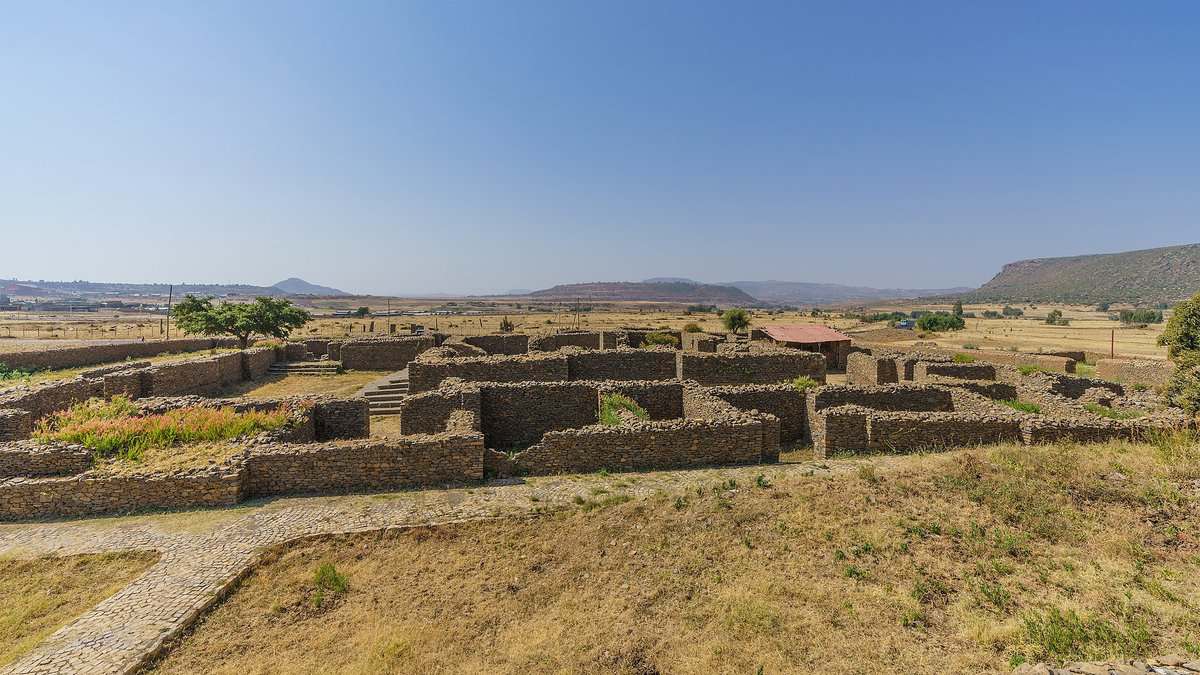
Although Aksum was located in Africa, it maintained strong diplomatic and trade connections with powerful empires around the world.
Roman merchants regularly traded with Aksumite ports, bringing goods across the Red Sea and the Mediterranean.
Roman writers even described Aksum as one of the great powers of their time. The kingdom also interacted with Persia, Arabia, and India through trade and diplomacy.
These connections allowed Aksum to gain new ideas, technologies, and cultural influences from different regions.
Because of this international contact, Aksum became a cosmopolitan center where people from many cultures met and exchanged goods and knowledge.
This global network helped the kingdom grow stronger and more prosperous. It also explains why historians often place Aksum alongside the great empires of the ancient world.
5. Aksum’s Influence Lasted Long After Its Decline
Like many ancient empires, Aksum eventually began to decline. Changes in trade routes, environmental challenges, and growing political pressures weakened the kingdom over time.
By the early medieval period, the empire had lost much of its earlier power. However, its influence did not disappear completely.
The cultural and religious traditions of Aksum continued to shape the region long after the empire itself faded.
The Ethiopian Orthodox Church traces many of its early roots to the Aksumite period. The ancient city of Aksum also remained an important spiritual center for centuries.
Today, historians and archaeologists continue to study its ruins and monuments. These discoveries remind the world that Aksum was once one of the most remarkable civilizations in ancient history.

I always felt a strong connection to the Divine since my birth. As an author and mentor, my mission is to help others find love, happiness, and inner strength in the darkest of times.