

The story of Sodom and Gomorrah, two cities so wicked that God personally destroyed them, can seem like an allegory against sin.
But what if the biblical account isn’t just a religious tale, but a stark warning about our own society’s moral trajectory?
After all, the destruction of the cities wasn’t impulsive. It was a culmination of systemic injustice and moral decay.
Sodom and Gomorrah terrifyingly resemble the state of modern civilization: these two cities were so prosperous that their citizens started to think they’re above morals.
Sounds familiar?
1. The Moral Crisis

The moral crisis of Sodom and Gomorrah didn’t only come down to individual sins; their decline was societal.
The biblical story tells of escalating depravity: violent crimes, exploitation, complete disregard of human dignity and sacredness.
Sodom and Gomorrah became symbols of systemic injustice, where the vulnerable were ignored, and moral boundaries were shattered.
The outcry of suffering reached heaven, so God was called to do something.
The destruction was a divine response to a society that had crossed the line into chaos.
Today, many feel that urban centers are repeating this pattern, where corruption and violence raise questions about how far we’ve strayed from moral accountability.
2. Abraham’s Intercession

In the biblical story, Abraham negotiates with God, invoking His mercy for those who lived in the cities of sin.
He pleads for Sodom and Gomorrah, and eventually they come to an agreement that the cities would be spared if he were able to find at least ten righteous people.
Divine patience isn’t limitless, but God was willing to show compassion if enough good had remained.
Abraham also models something important for us: standing up for justice even when everyone else remains silent.
This speaks of our responsibility to advocate for the vulnerable and search for the good even amidst moral decay.
Are we sure we’re doing enough to preserve righteousness in our communities?
3. Lot’s Escape

The story of Lot fleeing Sodom with his family depicts divine rescue during destruction.
His escape was dramatic, and it came after angels came to warn him to leave everything behind without looking back.
Yet, Lot’s wife looked back, and similarly to other myths with this motif, she’s turned into a pillar of salt!
This tragic detail warns against attachment to materialism and worldly things that distract from moral priorities. It also symbolizes the cost of disobedience.
In modern terms, most of us cling to comfort and complacency, choosing to ignore the societal collapse around us.
Like Lot, we’re called to listen to warnings and prioritize righteousness.
Staying passive in the face of sin and moral decay leads to loss.
4. The “Fire and Brimstone” Judgment

The destruction of Sodom and Gomorrah was a cataclysmic event that left these cities in dust and ruins.
Archaeological theories, like the meteor airburst hypothesis, try to explain the sudden devastation. They suggest that natural disasters might have been interpreted through a religious lens.
Whether literal or symbolic, the event calls us to recognize divine justice that seeks to punish persistent sin and evil.
Many are noting the parallels in the way society’s morality is failing, through environmental catastrophes, social unrest, exploitation of the innocent, and destructive wars.
Ignoring this moral decay has led to destruction in the Bible.
5. Prophetic Warnings

Isaiah, Jeremiah, and Ezekiel often referenced Sodom and Gomorrah to warn Israel and other nations about arrogance, indifference, injustice, and sin.
Their messages were a moral compass.
These prophets saw the cities as cautionary tales, illustrating what happens when society ignores its moral responsibilities.
Their words still warn us about complacency and the abuse of power.
The main legacy of Sodom and Gomorrah is accountability, although most people focus on the destruction.
This story challenges us to reflect on our own societies.
6. Justice and Accountability

The story of Sodom and Gomorrah remains powerful because it speaks to universal themes.
While the specific historical details are debated and might never be known, the core lessons are clear: societies that turn to sin risk catastrophic consequences.
The biblical story urges us to be just, care for the vulnerable, maintain integrity, and speak up when we see evil.
Divine patience is great, but it’s not eternal; societal decay leads to collective suffering.
Morality is a shared responsibility of all humans. We can’t keep staring at the injustice, waiting for someone, somewhere to speak up and take care of it.
7. Is Modern Society Walking the Same Path?
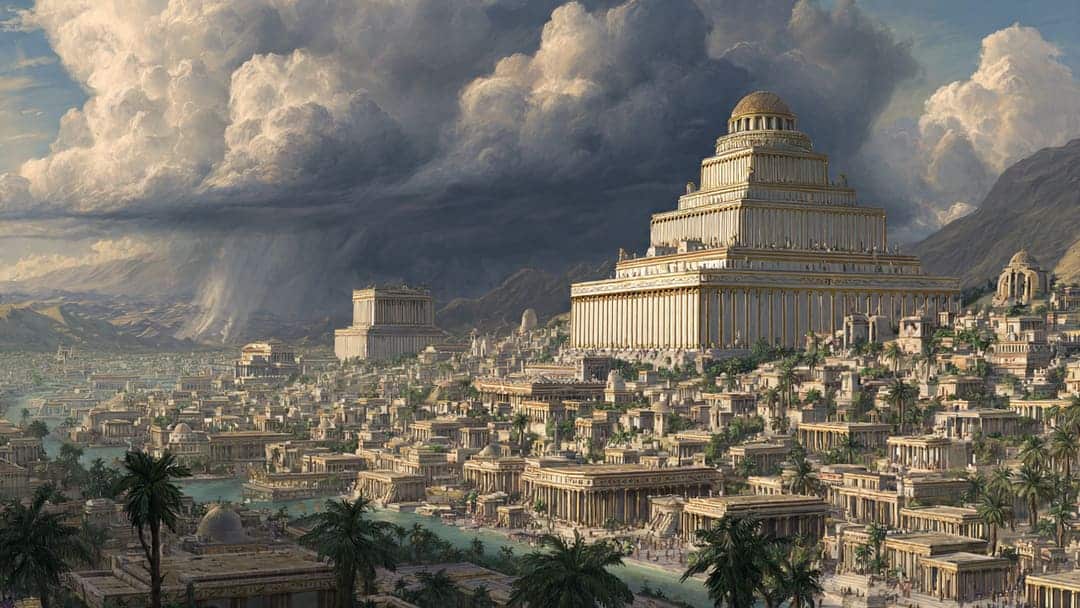
Fast forward to today, and it’s hard not to see Sodom and Gomorrah all around us, especially in urban centers.
Systemic injustice, exploitation, homelessness, and mass apathy are everywhere.
Media desensitizes us to human suffering, numbing our moral senses. Most of us feel more sadness for a hurt puppy than a hurt person.
This widespread acceptance of others’ suffering reflects a society that’s losing sight of compassion and righteousness.
Many people read the stories of these wicked cities with fascination, but are we willing to confront our own societal sins?

A little Aquarius, devoted to writing and embroidery. Through my writing, I hope to empower readers to align with their true selves and navigate life’s mysteries with confidence.