

The story of Sodom in the Bible is often remembered as a warning about human behavior and its consequences.
While many people focus on the final destruction, the deeper lesson is about the actions and attitudes that led to that moment.
It was not just one mistake, but a pattern of behavior that continued over time. These behaviors slowly shaped the culture of the city until change no longer seemed possible.
When you look at the story closely, it becomes clear that the message is not only about the past. It reflects patterns that can still appear in everyday life today.
Understanding these behaviors can help people recognize warning signs and make better choices.
Here are eight human behaviors that are often connected to the fall of Sodom, explained in simple and human ways.
1. Ignoring What Is Right

One of the biggest issues in Sodom was the habit of ignoring what is right. The people were not unaware of good behavior.
They simply chose not to follow it. Over time, this created a culture where wrong actions became normal.
When people ignore their sense of right and wrong again and again, it slowly becomes easier to continue doing so.
This can happen in small ways at first, like justifying bad decisions or staying silent when something feels off.
But over time, these choices build up. In the story, this pattern became so strong that it affected the entire city.
When you ignore what you know is right, even in small moments, it can grow into something much bigger.
Paying attention to your inner sense of right and wrong helps you stay grounded and avoid going too far in the wrong direction.
2. Lack of Kindness and Care for Others

Another behavior connected to Sodom is a lack of kindness. The people showed little care for others, especially those who were vulnerable or different.
Instead of helping, they chose to harm or ignore. This created a cold and unsafe environment. In everyday life, kindness may seem small, but it has a big impact.
When people stop caring about others, communities become weaker and more divided. In the story, this lack of compassion played a major role in the city’s downfall.
It shows that how you treat others matters deeply. Being kind, patient, and understanding can prevent many problems before they grow.
A lack of care for others can slowly damage both individuals and entire communities.
3. Pride and Arrogance
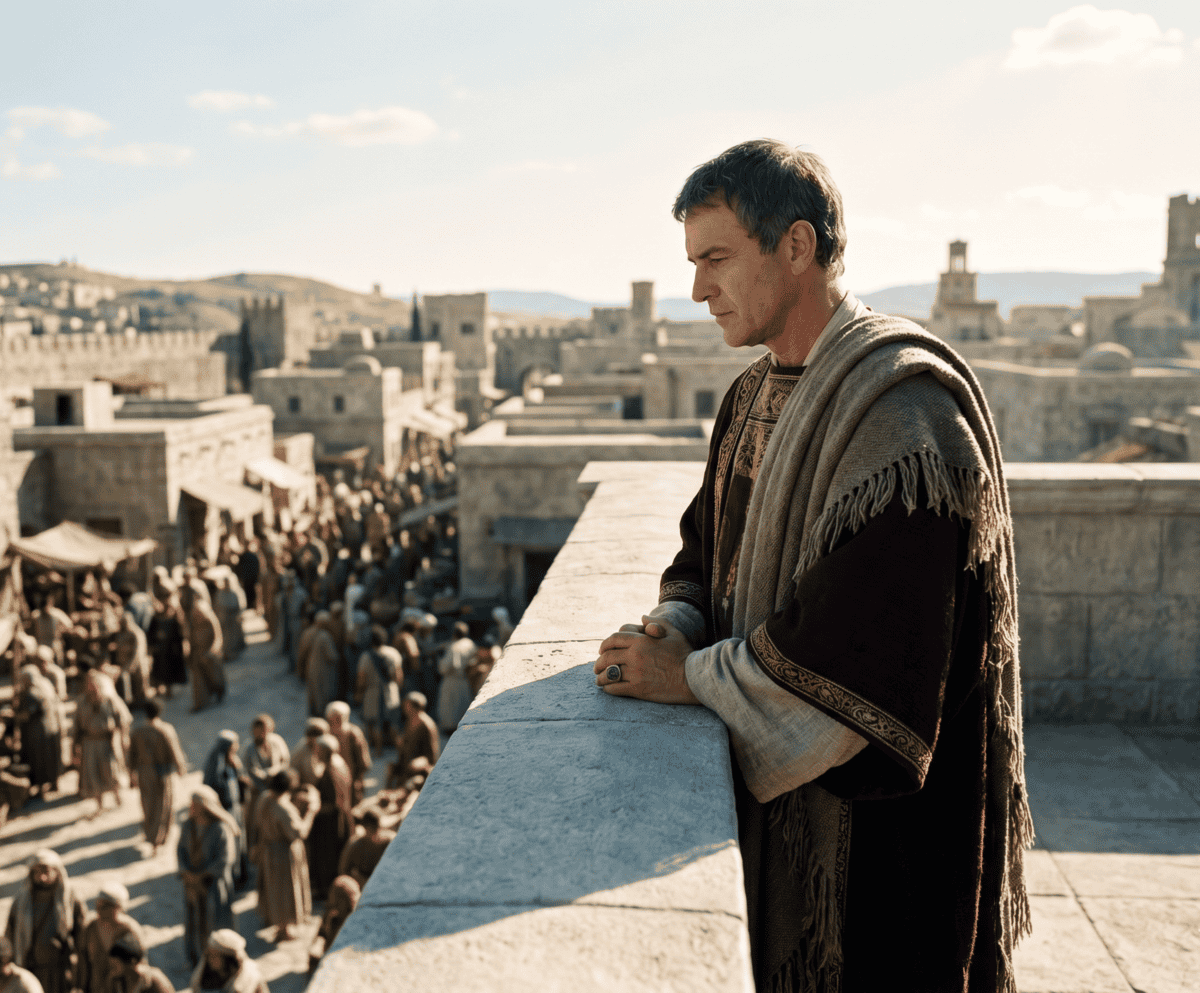
Pride is another key behavior often linked to the fall of Sodom. The people believed they were above rules, above correction, and above consequences.
This kind of thinking makes it hard for anyone to grow or change. When someone feels they are always right, they stop listening.
In the story, this pride made it difficult for the people to accept any warning. Even when faced with clear signs, they refused to change their ways.
In everyday life, pride can show up as refusing advice, ignoring feedback, or looking down on others. It can block growth and lead to poor decisions.
Staying humble helps you learn, improve, and avoid mistakes that come from thinking you already know everything.
4. Enjoying Harmful Behavior

The story also shows that people in Sodom were not just doing wrong things. They were comfortable with them.
Over time, harmful behavior became normal and even accepted. This is a powerful warning. When people become used to negative actions, they stop seeing them as a problem.
What once felt wrong begins to feel normal. This can happen slowly in everyday life as well. Repeated actions shape habits, and habits shape character.
Just because something becomes common does not mean it is right. Staying aware of your actions helps prevent harmful habits from becoming part of your life.
5. Rejecting Warnings and Advice

When the angels came to warn the city, many people ignored or mocked the message. Even Lot’s attempts to warn others were not taken seriously.
This shows a refusal to listen, even when the situation was serious. In everyday life, warnings can come in many forms, like advice from others, repeated problems, or inner feelings that something is wrong.
Ignoring these signs can lead to bigger issues. The story of Sodom highlights how dangerous it can be to reject guidance.
Being open to advice and willing to listen can prevent serious consequences later.
6. Following the Crowd Without Thinking

Another behavior seen in Sodom is the tendency to follow others without thinking. When many people act the same way, it can feel easier to join in rather than question it.
In the story, group behavior played a strong role. Instead of individuals making better choices, they followed what everyone else was doing.
This created a cycle where wrong actions continued without challenge. In everyday life, this can happen in social groups, workplaces, or online spaces.
People may go along with things just to fit in. It is important to think for yourself and not let the crowd decide your actions.
7. Losing a Sense of Responsibility

The people of Sodom also showed a lack of responsibility for their actions. They did not consider how their behavior affected others or the future.
This made it easier for harmful patterns to continue. In everyday life, responsibility means understanding that your choices matter.
It means thinking about consequences and taking ownership of your actions. When responsibility is ignored, problems grow and spread.
In the story, this lack of accountability contributed to the city’s downfall. Taking responsibility helps you make better choices and avoid harm to yourself and others.
8. Holding On to Wrong Ways Instead of Changing

Finally, one of the biggest behaviors was the refusal to change. Even when given chances, the people chose to continue in the same direction.
Change can be difficult, especially when habits are deeply rooted. But refusing to change can lead to serious consequences.
In the story, this unwillingness to turn away from harmful behavior played a major role. In everyday life, people often face moments where change is needed.
It could be letting go of bad habits, improving behavior, or making better decisions. Growth requires change, and choosing not to change can lead to outcomes that could have been avoided.

I always felt a strong connection to the Divine since my birth. As an author and mentor, my mission is to help others find love, happiness, and inner strength in the darkest of times.