
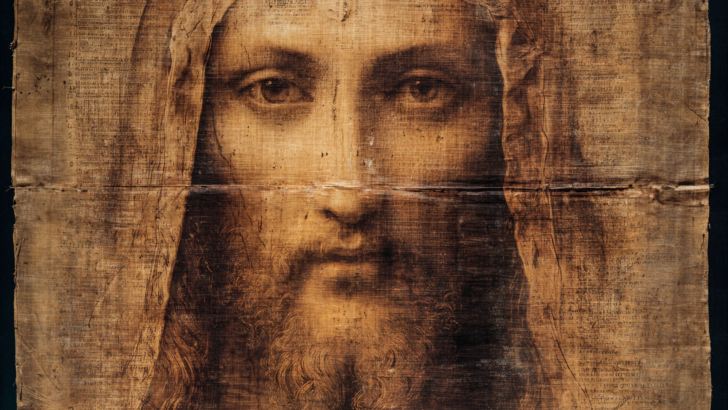
The Shroud of Turin is a relic that has been the center of debate for centuries, with little agreement among people and experts as to whether or not it is an authentic artifact.
Some people believe that it is the burial cloth of Jesus Christ, while others believe that it is a much later creation.
The issue is complicated by the fact that the shroud has been studied extensively using historical and scientific analysis, but no single explanation has been able to persuade all parties involved. Therefore, the dispute continues.
1. What The Shroud Actually Is
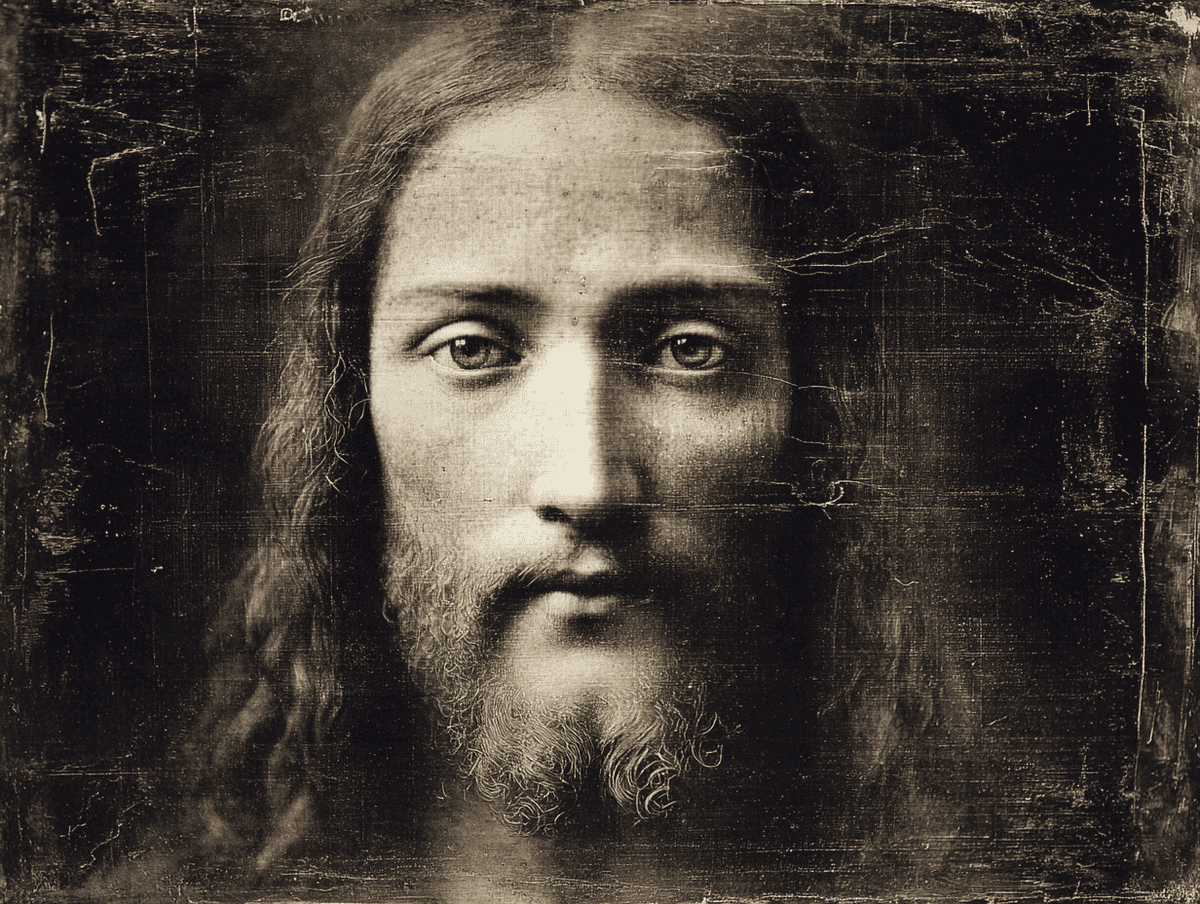
The Shroud of Turin is a long piece of undyed linen that bears an image of a human figure that is faintly visible.
This image is thought to represent both the front and back of the body of Jesus; it also contains markings that resemble the wounds described in the New Testament.
The shroud does not appear to have been painted or made using a conventional artwork method.
It is currently housed in a temperature-controlled environment in Turin, Italy, and its subtle appearance and detail continue to draw researchers and historians to the study of the shroud.
2. The Earliest Historical References to the Shroud
The first clear written record of the shroud is found in 14th-century France.
Prior to that, there are no widely accepted written records that connect the shroud with any types of written descriptions or historical links earlier than the 14th century.
This gap is one of the major points of concern to people who question the shroud’s authenticity; however, proponents of the shroud believe there were many more legitimate references and historical records to support the theory that the shroud has always existed.
3. The Carbon Dating Debate
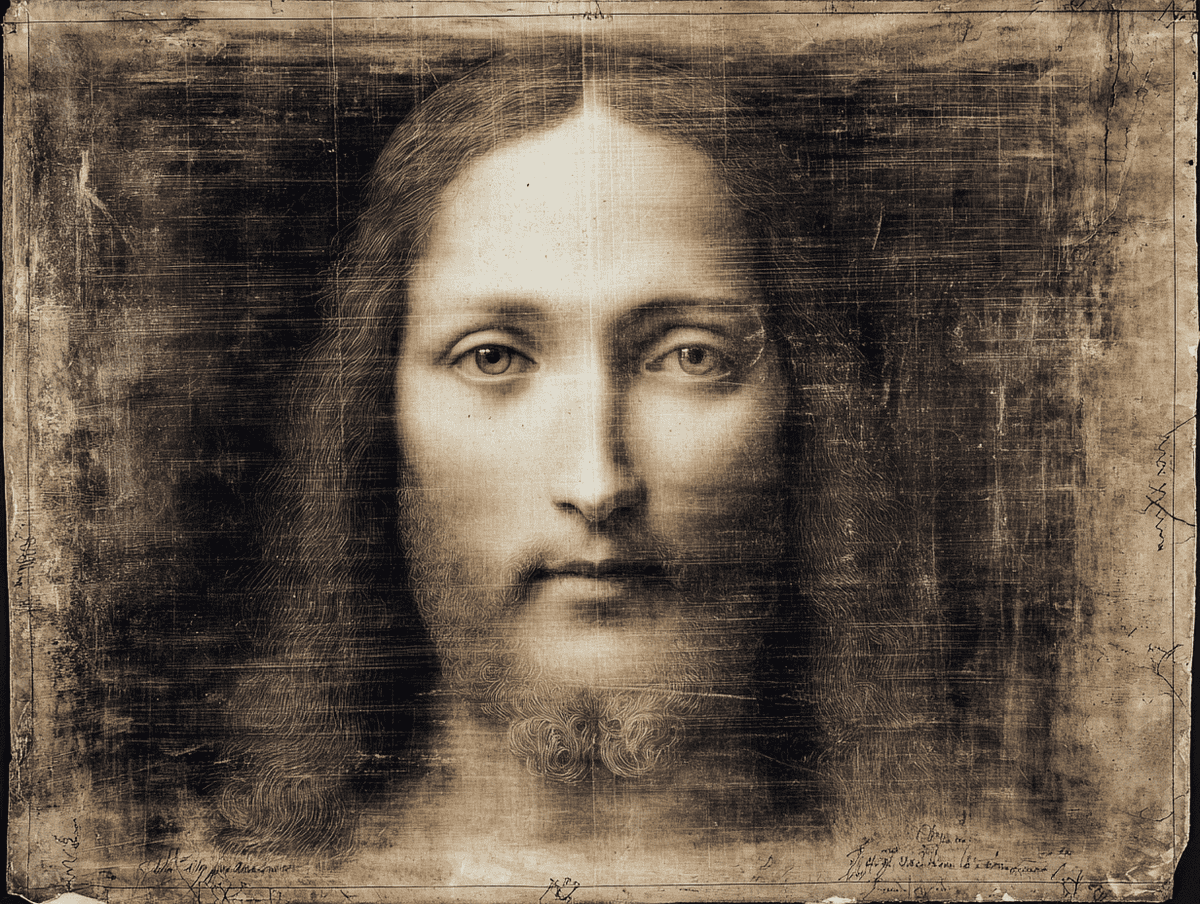
In 1988, scientists conducted carbon-dating tests on the shroud to estimate the age of the cloth.
The result of this test indicated that the cloth was most likely created during the medieval period, specifically from the 13th or 14th century. As a result, this test result supports the hypothesis that this shroud may have been recently made.
However, the fact that some have expressed skepticism about how the sample for testing was taken creates an ongoing debate over this topic.
4. The Image Formation Mystery
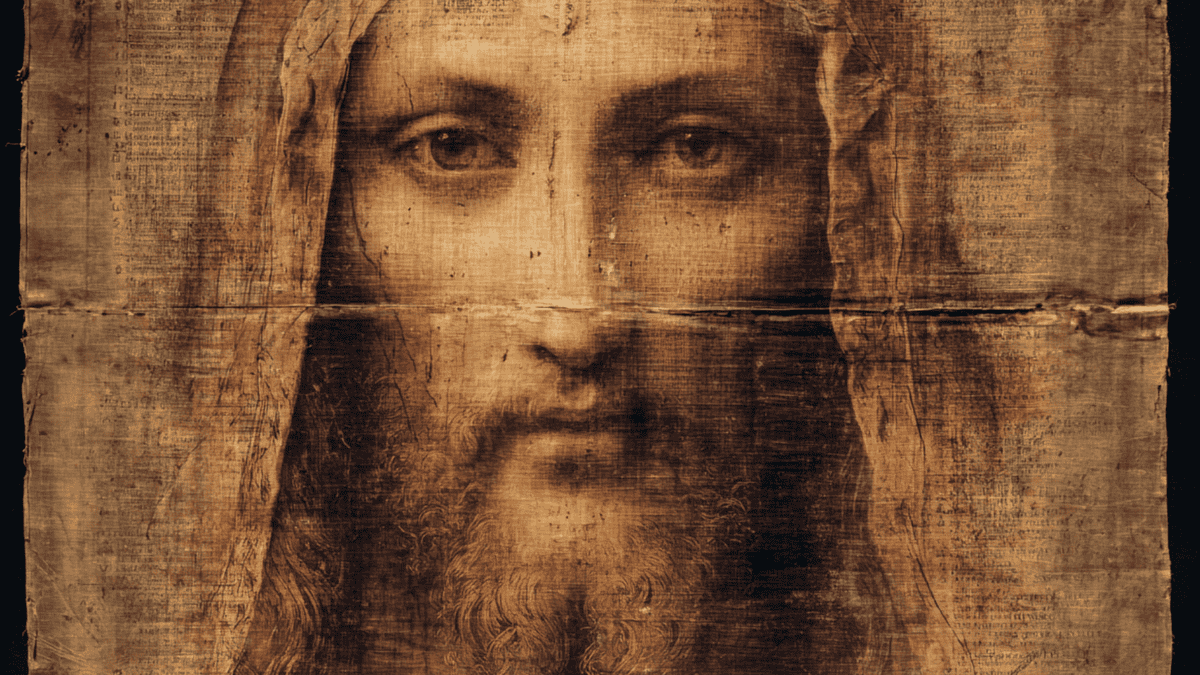
It has generated numerous theories regarding the method in which the image appeared on the shroud.
While some of the theories involve chemistry as well as unauthenticated processes, not one explanation has been established as being definitive; therefore, interest continues in this area of science.
5. The Importance of Faith in the Interpretation of the Shroud
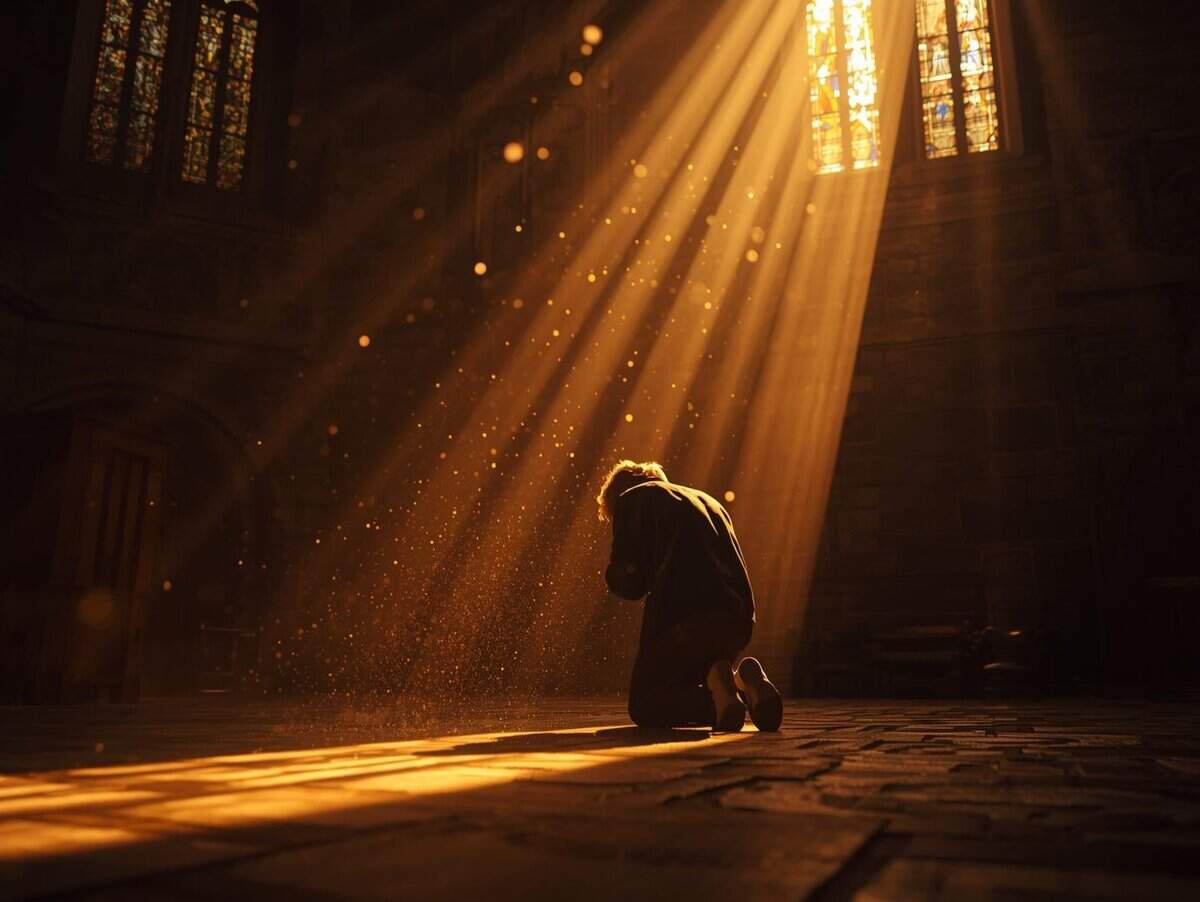
For many people, regardless of how the cloth was produced and what it is made from, it has personal meaning.
While some choose to make use of scientific or historical analysis to evaluate evidence and therefore reach conclusions, others see and interpret evidence differently because they come from a different perspective.
Thus, although two people are looking at the same data, the results may yield opposite conclusions. Therefore, when someone discusses whether the shroud was authentic or not, it is a more complicated discussion than merely answering a question of true or false.
6. Theories of Artistic Creation

Many researchers have suggested that the image on the shroud is an artwork created during the medieval period. Their reasoning is based upon the carbon dating of the shroud, as well as the fact that there are no records of the shroud prior to that date.
This type of reasoning is based upon the techniques available during that period of history to create such an image.
Therefore, this particular theory is based on historical context, not upon any further research, beliefs, or a search for mysteries.
Consequently, the shroud may conform to a pattern of religious artifacts known to have existed during the medieval period.
7. Scientific Studies That Raise Questions
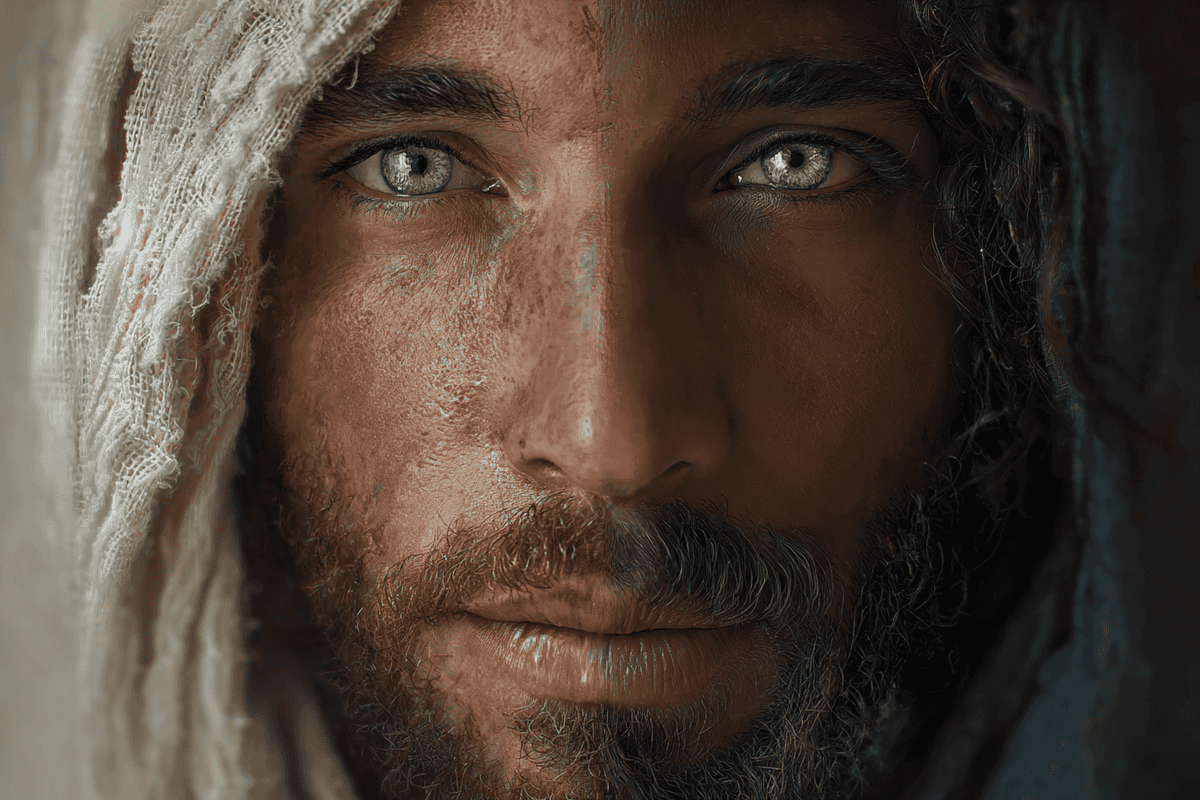
In addition to the carbon dating of the shroud, many other scientific studies have been done to determine different aspects of the shroud, including the material used to create the shroud, the properties of the image contained on the shroud, the possibility of finding residue of different substances upon the shroud, etc.
The fact that these findings do not provide definitive evidence of the shroud’s (in)authenticity does, however, continue to provide ground for debate.
The many unusual properties of the image continue to keep the debate surrounding the shroud very much alive, and as technology has advanced, researchers are finding new ways to further analyze the shroud.
8. The Influence of Restoration and Care
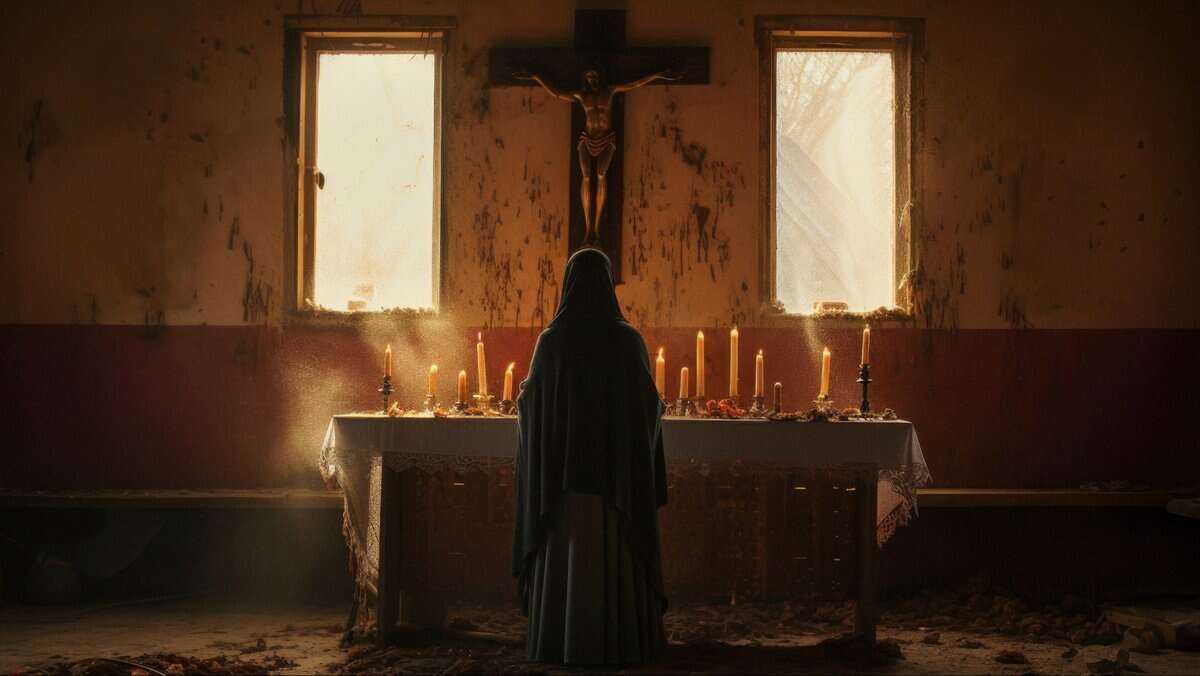
Throughout the centuries, many people have handled the shroud and restored it in many ways, and the condition of the shroud has been affected by many environmental factors, including fires and much more.
As a result, the capacity for scientists to accurately test the shroud is limited due to the fact that much of the evidence has been altered or destroyed completely.
There are some who argue that the amount of time that has passed and that the shroud has been altered gives rise to the possibility that test results could be impacted in areas such as carbon dating and material samples.
9. The Reasons for Continued Debate

The reason for the continued debate on the shroud is due to the fact that there is not one single answer that solves all of the questions that remain regarding the shroud.
Each and every piece of evidence available on the shroud may either provide proof of the authenticity or proof of the non-authenticity of the image while introducing new questions about both options.
Scientific results continue to create a state of uncertainty as to authenticity or non-authenticity, based upon scientific findings, the existence of historical evidence, and, of course, people’s beliefs.
10. The Current Representation of the Shroud
Today, the Shroud of Turin is not only a question of authenticity. The Shroud now represents a point at which the disciplines of science, history, and belief meet and merge as a singularity.
For many people, the shroud is a symbol of their faith; however, for many others, the shroud is nothing more than a puzzle to be solved regarding its authenticity, and the significance of the shroud is dependent upon the perspective of the individual.
Thus, regardless of whether or not the image on the shroud is authentic, it continues to provide inspiration for discussion and continued study.
The lack of a single, conclusive answer may, in fact, have been a contributing factor in the continued relevance of this topic across many different generations and across many different perspectives.

Born and raised in Bosnia and Herzegovina. Ever since I was a little girl, my imagination knew no bounds. I remember vividly how I’d scribble down short stories, each page bursting with adventures and characters conjured up from the whimsy of my mind. These stories weren’t just for me; they were my way of connecting with my friends, offering them a slice of my fantasy world during our playtimes. The joy and excitement on their faces as we dived into my fictional realms motivated me to keep writing. This early passion for storytelling naturally evolved into my pursuit of writing, turning a childhood hobby into a fulfilling career.