
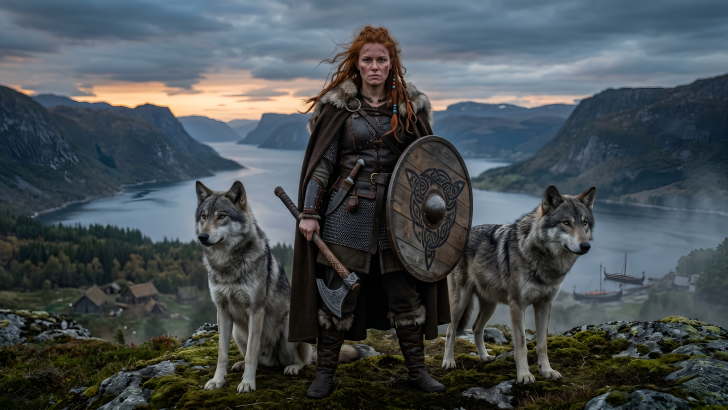
In Viking culture, animals were deeply connected to nature, survival, and spirituality. Among all creatures, wolves held a very special place in their stories and beliefs.
Wolves were not only seen as wild predators but also as powerful spiritual symbols that reflected courage, loyalty, and the harsh beauty of nature.
To the Vikings, life was not separate from nature. Forests, storms, and animals were all part of a living world full of meaning.
Wolves, in particular, were respected because they lived freely, survived in harsh conditions, and worked together in packs.
This reminded Viking society of their own values, such as strength in community and bravery in battle.
Here are ten simple and human reasons why Vikings saw wolves as sacred, based on history, culture, and symbolic thinking.
1. Wolves Represented Strength and Survival
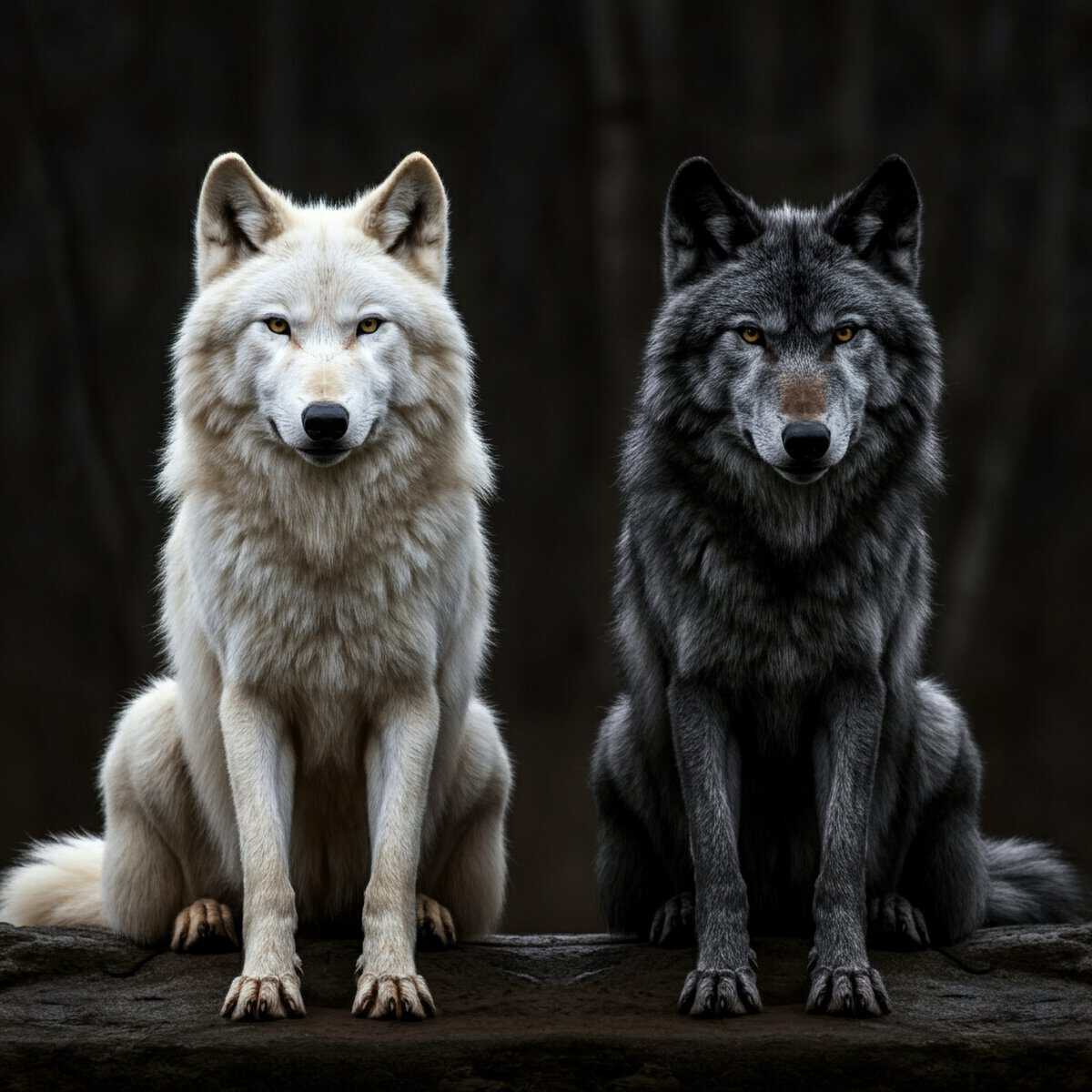
One of the main reasons Vikings respected wolves was their strength. Wolves survived in harsh, cold environments where only the strongest could live.
This reminded the Vikings of their own world, where survival depended on courage, skill, and endurance.
Wolves could travel long distances, hunt in difficult conditions, and adapt to changing environments. This made them powerful symbols of endurance.
Vikings admired these traits because their own lives were also full of challenges. Harsh winters, limited resources, and constant danger meant that only strong individuals and communities survived.
Because of this, wolves were seen as more than just animals. They represented the ability to endure hardship without giving up.
This connection made them feel almost sacred, as if they carried the spirit of survival itself.
2. Wolves Lived in Strong Family Groups
Another reason Vikings respected wolves was their strong social structure. Wolves lived in packs, where every member had a role.
They worked together to hunt, protect each other, and raise their young. This was very similar to Viking society, where family and clan loyalty were extremely important.
Wolves symbolized this idea in nature. They showed that survival was not just about individual strength, but about cooperation and trust within a group.
Vikings saw the wolf pack as a reflection of their own families and warrior groups. Each member depended on the others, just like in Viking communities.
This made wolves feel sacred because they represented loyalty, teamwork, and shared responsibility.
3. Wolves Were Connected to War and Warriors
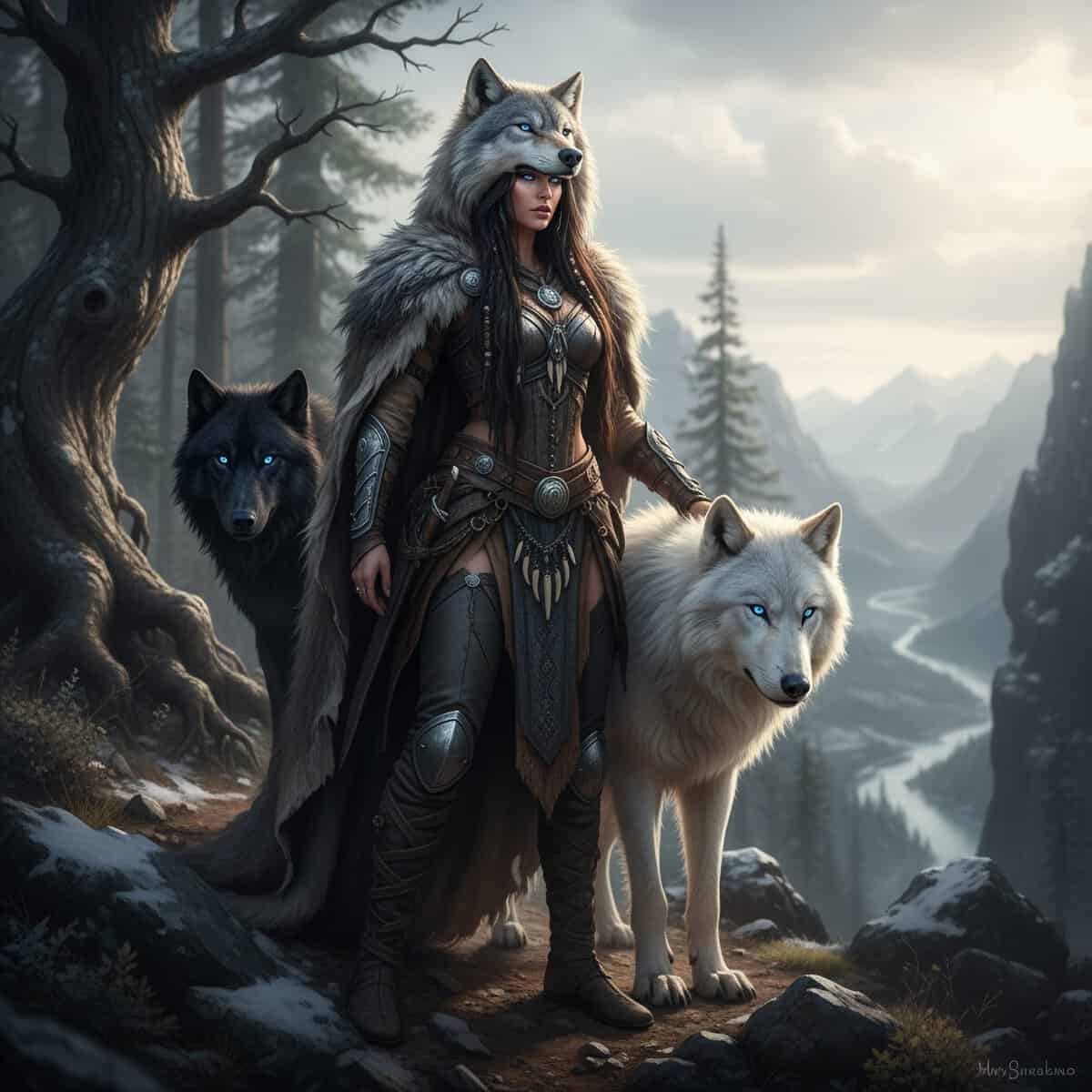
Wolves were often linked to warriors in Viking culture. Their strength, speed, and fearlessness made them a natural symbol of battle.
In many stories, warriors were compared to wolves because they were brave and unstoppable in combat.
Warriors who showed extreme courage were sometimes described as having the spirit of a wolf.
This connection made wolves feel sacred because they represented the warrior mindset. They were not afraid of danger, and they faced challenges directly.
4. Wolves Were Seen as Creatures of the Wild
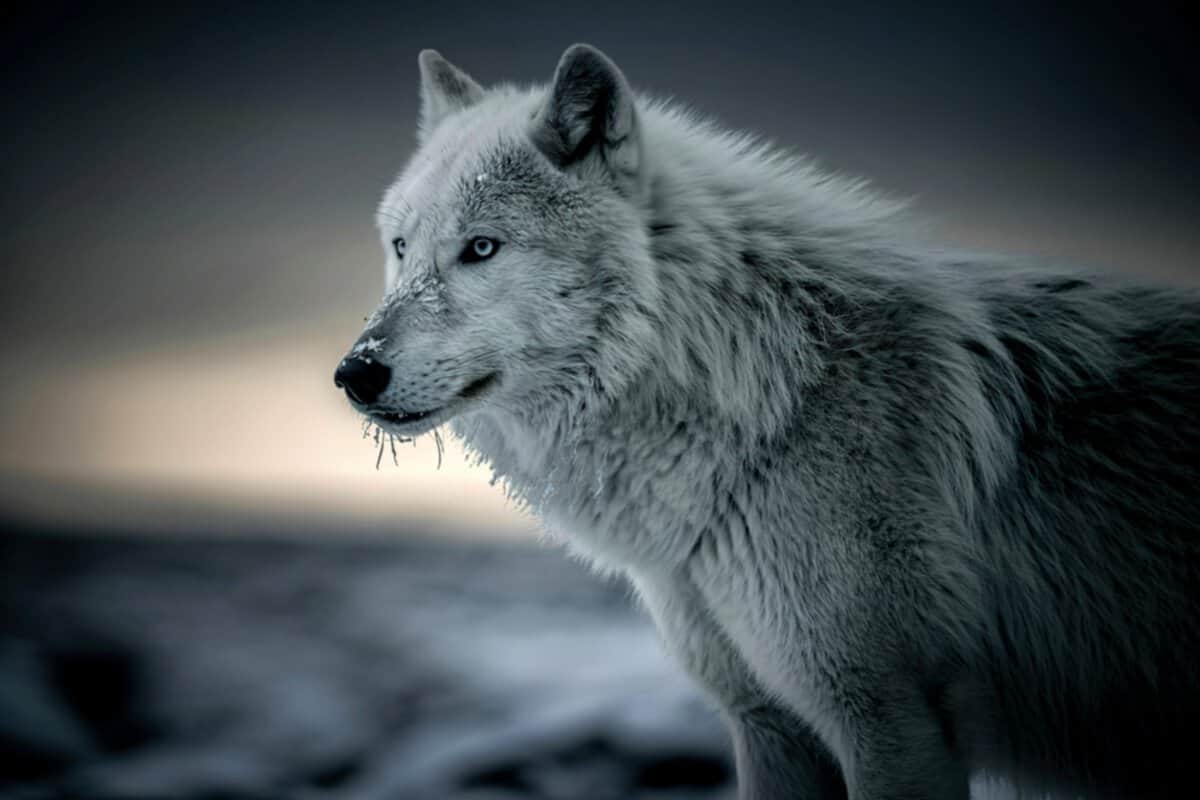
Vikings lived very close to nature, and they believed the wild world had its own spiritual meaning.
Wolves, as creatures of the deep forest and mountains, were seen as pure symbols of untamed nature.
The Vikings saw wolves as part of the raw, natural world that existed outside human control.
Because wolves could not be easily controlled or domesticated, they were respected. They represented freedom, independence, and the power of nature itself.
5. Wolves Were Linked to Norse Gods and Myth

In Norse mythology, wolves were connected to powerful figures and stories. One of the most famous examples is Fenrir, a giant wolf linked to destiny and destruction.
These myths gave wolves a deeper spiritual meaning beyond the physical world. They were not just animals but part of cosmic stories about creation and destruction.
This made wolves feel sacred because they were believed to be part of the larger forces that shaped the world.
6. Wolves Represented Fear and Respect Together
Wolves inspired both fear and respect. Vikings did not see fear as something negative. Instead, they saw it as something that demanded awareness and strength.
A creature that could cause fear naturally became important in their belief system. The Vikings respected wolves because they were dangerous but also necessary for understanding survival.
This balance of fear and respect made wolves powerful symbols in Viking thought.
7. Wolves Were Part of the Natural Balance
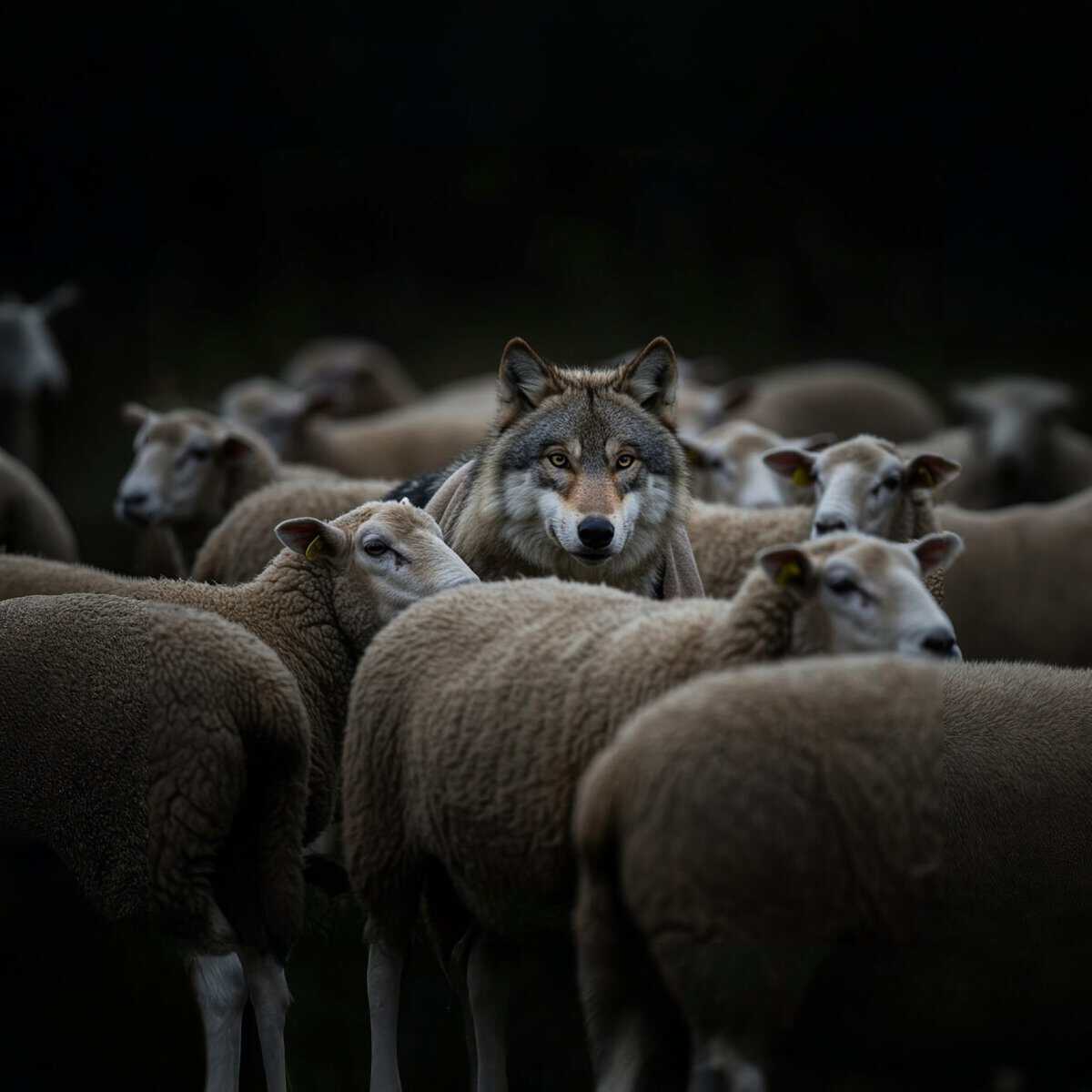
Vikings understood that nature works in balance. Wolves played an important role in controlling populations of other animals and keeping ecosystems stable.
Even if they did not use modern scientific language, they observed this balance in nature.
Wolves were seen as part of that balance, not just as threats. Because of this, they were respected as necessary forces in the world.
8. Wolves Symbolized Loyalty and Endurance
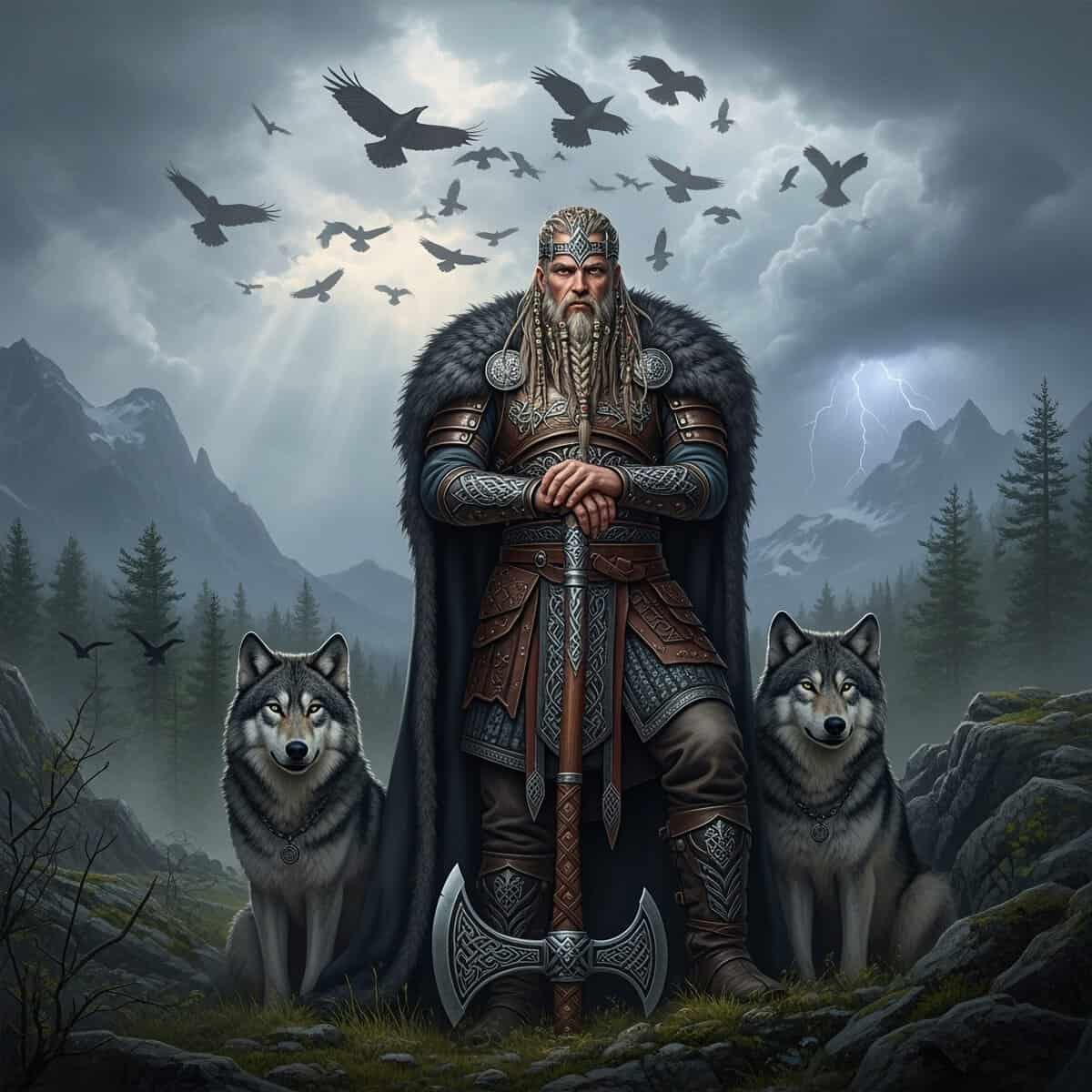
Wolves are known for staying with their pack through difficult conditions. This loyalty was highly valued in Viking culture.
Loyalty to family, friends, and leaders was one of the most important social values.
Vikings saw similar traits in wolves, making them powerful symbols of emotional strength and commitment.
This connection made wolves feel almost sacred, as they represented both emotional and physical endurance.
9. Wolves Appeared in Important Stories and Symbols
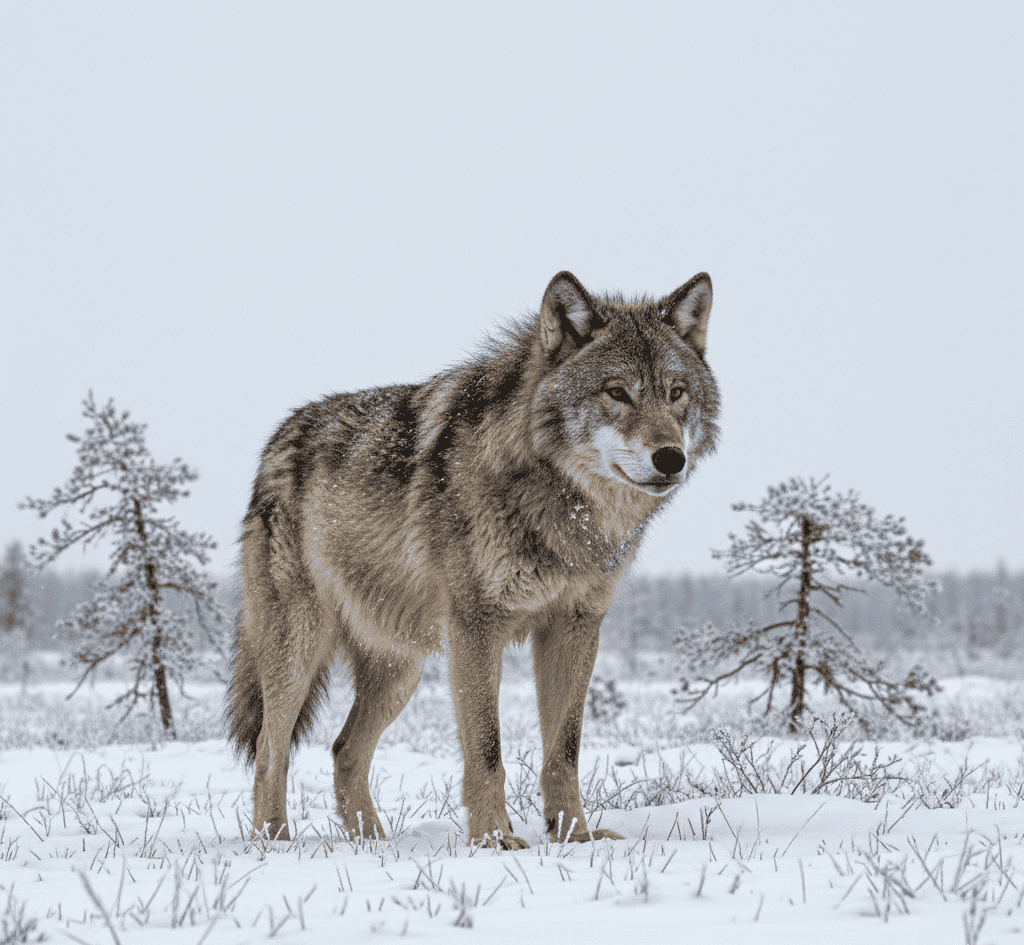
Wolves were often featured in Viking art, stories, and carvings. They were not just background animals but important symbols used to express strength and meaning.
The Vikings also used wolves in a symbolic way to communicate ideas about power, survival, and destiny.
Because they appeared so often in cultural expression, wolves became deeply meaningful in everyday life.
10. Wolves Represented the Spirit of Freedom
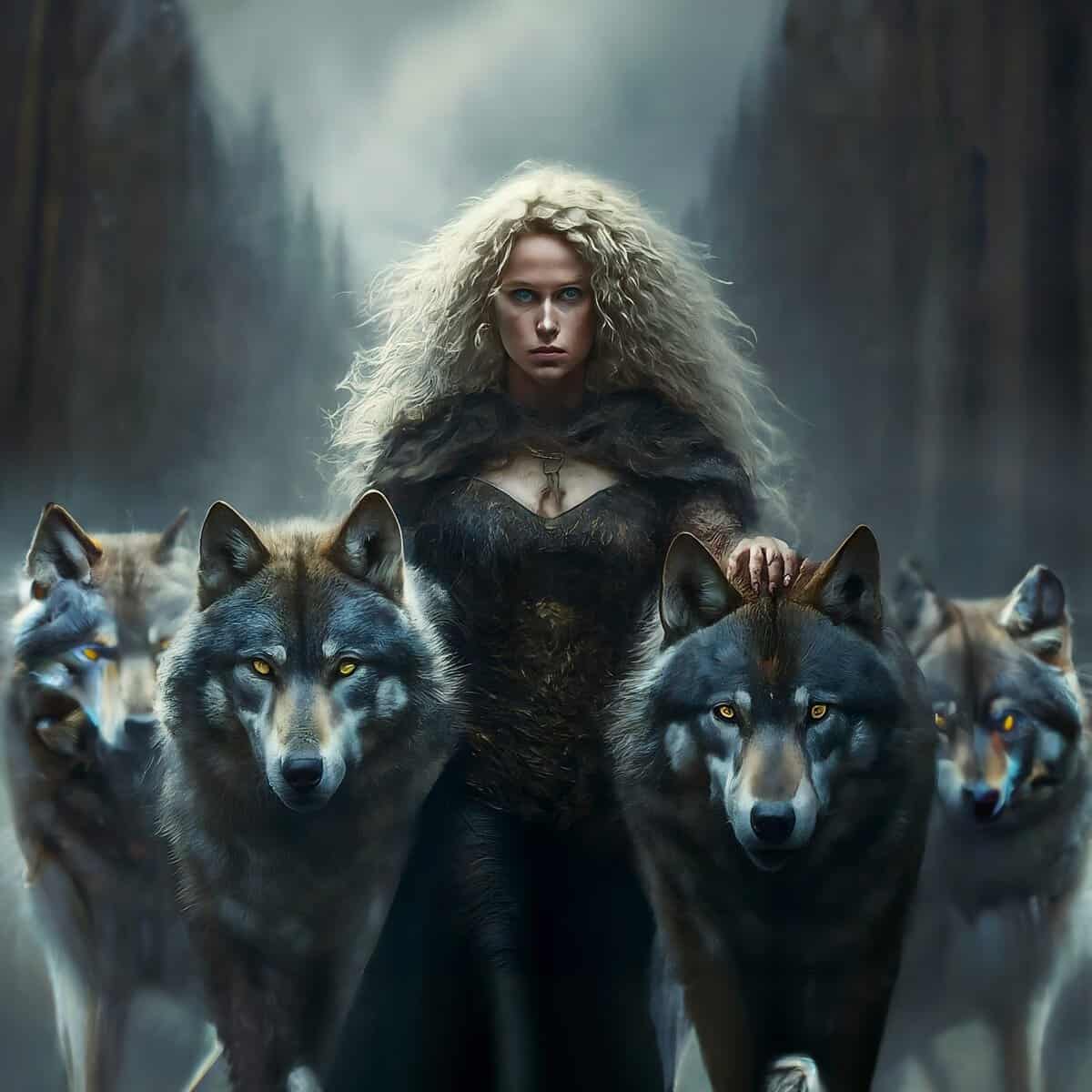
Finally, wolves were seen as symbols of freedom. They lived without human control, moved across large landscapes, and followed their instincts.
For Vikings, this represented a powerful idea of living without restriction. Vikings admired this same idea in wolves.
This sense of freedom made wolves feel sacred because they represented a life that was fully connected to nature and instinct.

I always felt a strong connection to the Divine since my birth. As an author and mentor, my mission is to help others find love, happiness, and inner strength in the darkest of times.