
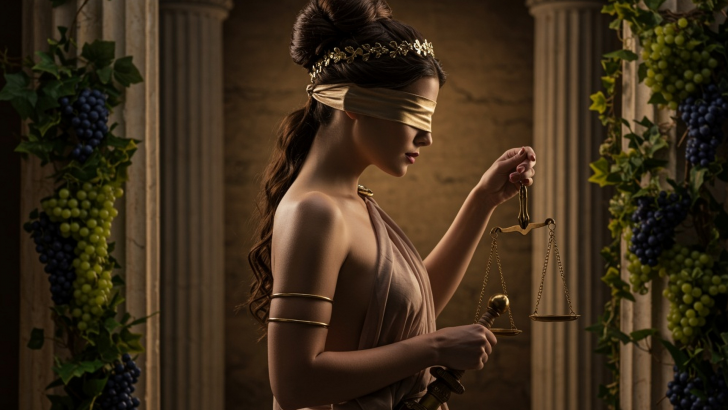
Diana is one of the most fascinating figures in Roman mythology, known as the goddess of the hunt, the wilderness, and childbirth.
She is often seen as a powerful and independent figure who represents nature, protection, and female strength.
In ancient stories, she is connected to forests, animals, and the moon, which all reflect her wild and free spirit.
Diana is also known for her commitment to independence, often choosing to stay away from cities and live in natural surroundings.
People in ancient Rome respected her deeply and believed she protected women, children, and wild creatures.
This article explores key aspects of Diana’s identity and why she remains an important mythological figure today.
1. Goddess of the Hunt and Skilled Archer
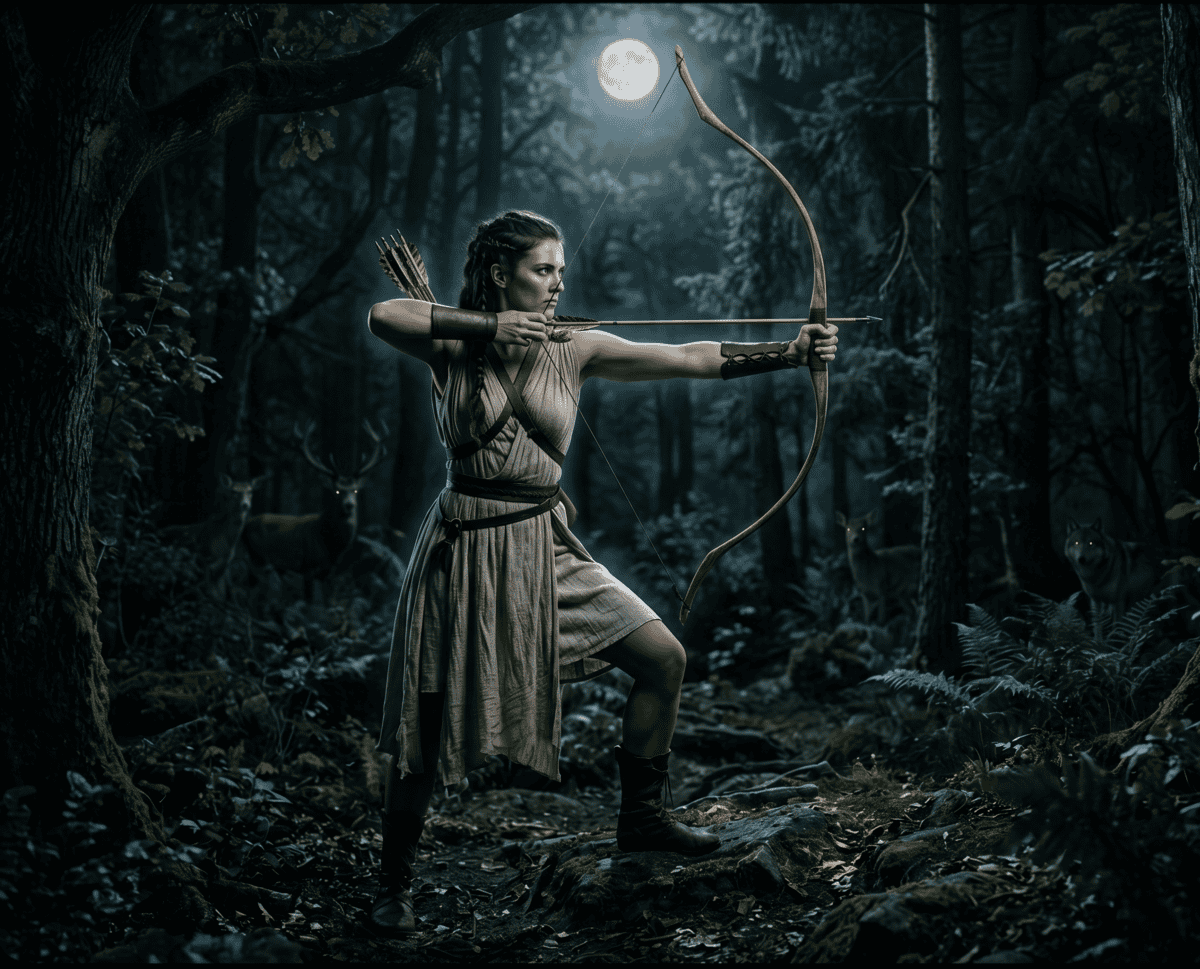
Diana is best known as the goddess of the hunt, often pictured carrying a bow and arrows. This symbol represents her skill, focus, and connection to the natural world.
In mythology, she is described as a fast and precise hunter who moves through forests with ease and confidence.
Her hunting skills are not just about chasing animals, but also about balance and respect for nature. She is often shown protecting wildlife rather than destroying it without reason.
This makes her different from many other mythological figures who represent war or destruction. Diana’s role as a hunter reflects discipline, patience, and awareness.
It also symbolizes independence, as she relies on her own strength and abilities. Her image as an archer shows clear focus and determination, qualities that were admired in Roman culture.
Over time, she became a symbol of both survival in nature and harmony with it, showing that strength and respect can exist together.
2. Protector of the Wilderness
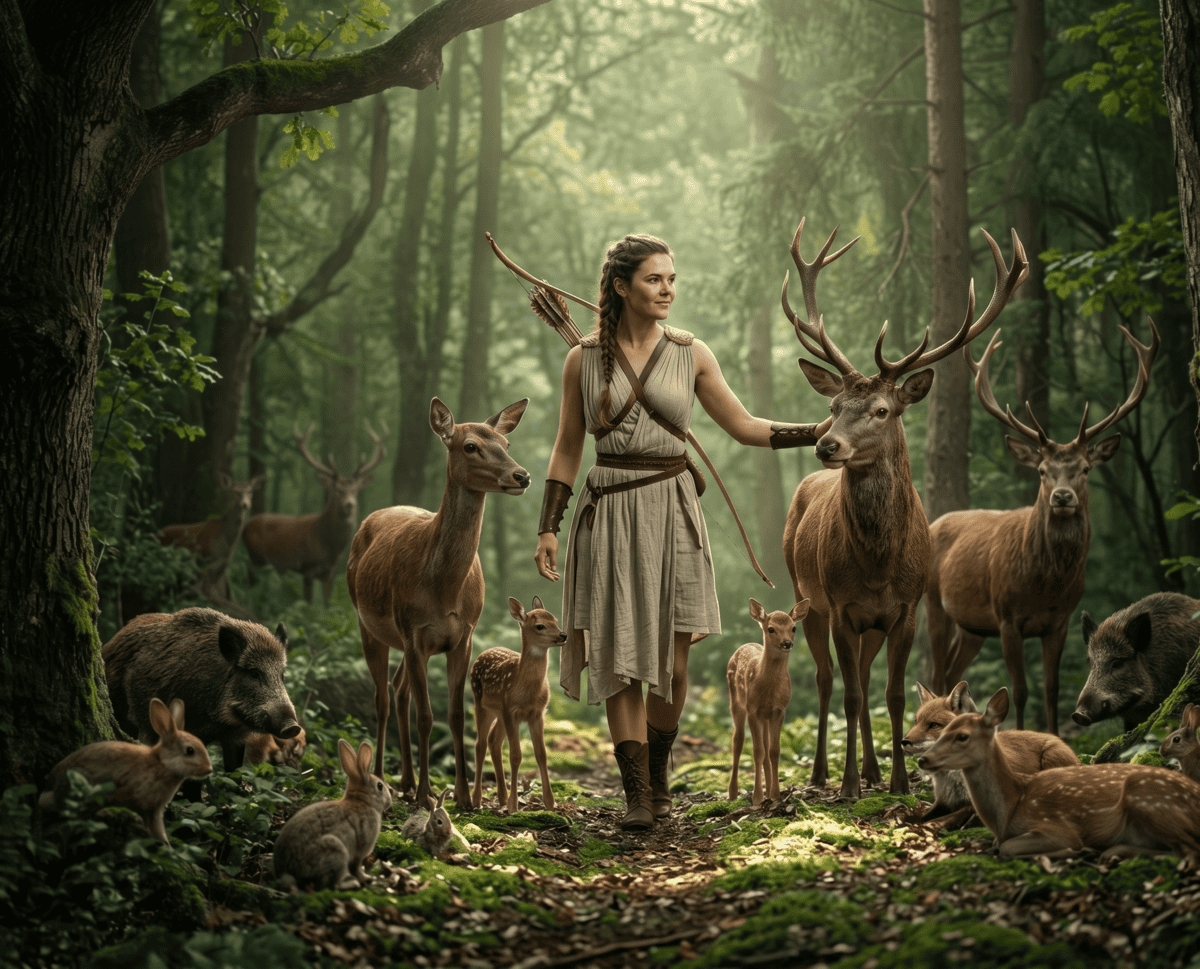
Diana is strongly connected to forests, animals, and wild spaces, making her the protector of the wilderness.
In Roman mythology, she is believed to watch over natural areas and all living creatures within them.
This role reflects her deep connection to the natural world and her desire to maintain balance within it.
She is often imagined roaming through forests with her companions, protecting animals, and keeping nature safe from harm.
This makes her a symbol of freedom and untouched beauty. Her association with the wilderness also represents independence from human control and city life.
Diana’s presence in nature suggests that the wild world has its own power and importance. She is not only a guardian but also a part of the natural environment itself.
This idea helped ancient people understand the value of forests and wildlife, and it still connects to modern ideas about protecting nature and respecting the environment.
3. Connected to the Moon and Night
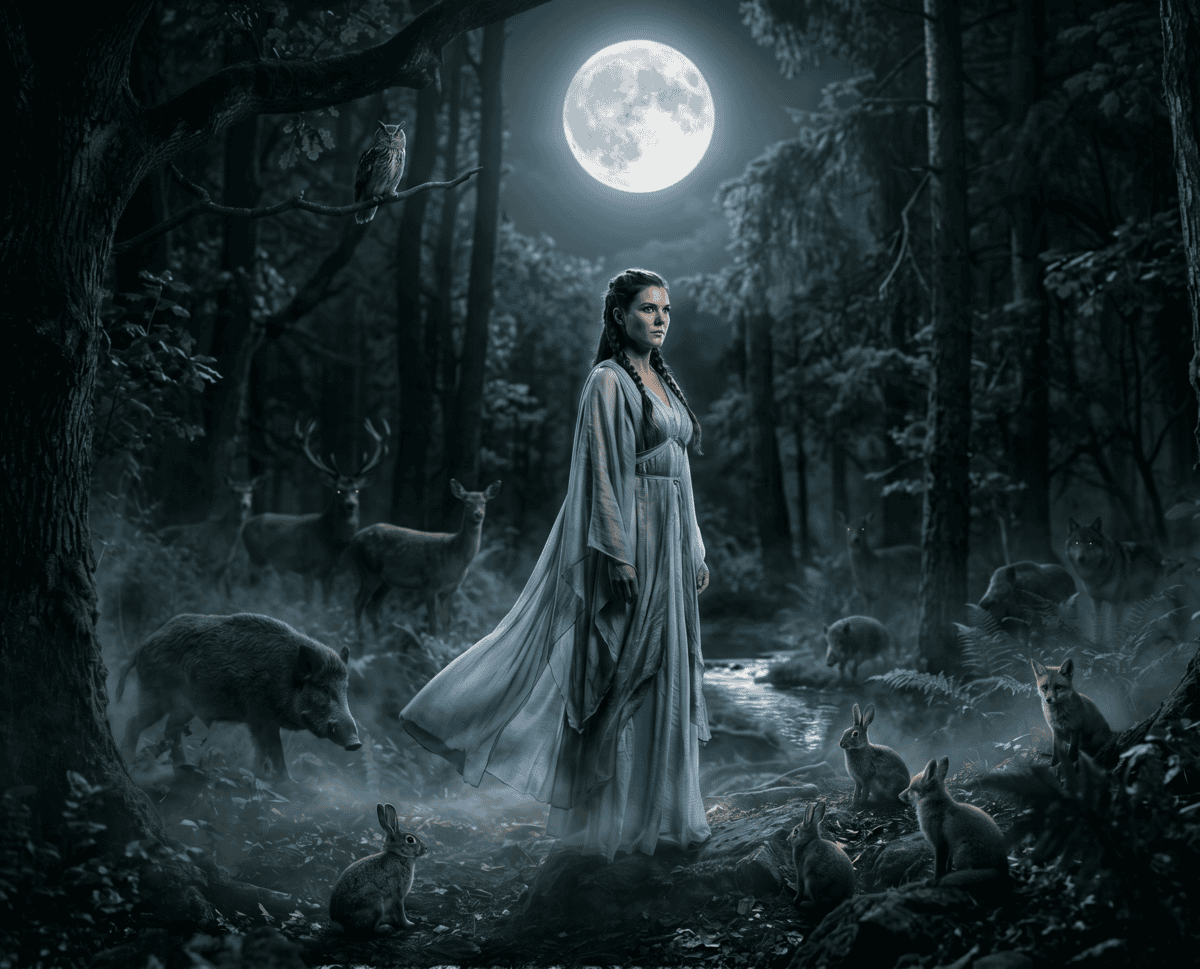
Diana is often associated with the moon, which adds another layer of meaning to her character. The moon represents calmness, cycles, and quiet strength.
In many stories, Diana is linked with nighttime, when she moves through forests under moonlight.
This connection gives her a peaceful and mysterious presence. The moon also changes shape over time, which can symbolize change and natural cycles in life.
Diana’s link to the moon reflects balance between light and darkness, showing that both are part of existence.
She is sometimes seen as a guiding figure during the night, representing protection even in darkness.
This makes her not only a goddess of physical spaces like forests, but also a symbol of emotional calm and reflection.
Her moon connection highlights intuition and inner awareness, suggesting a deeper understanding of nature and life. It also adds a gentle and quiet strength to her personality in mythology.
4. Protector of Women and Childbirth
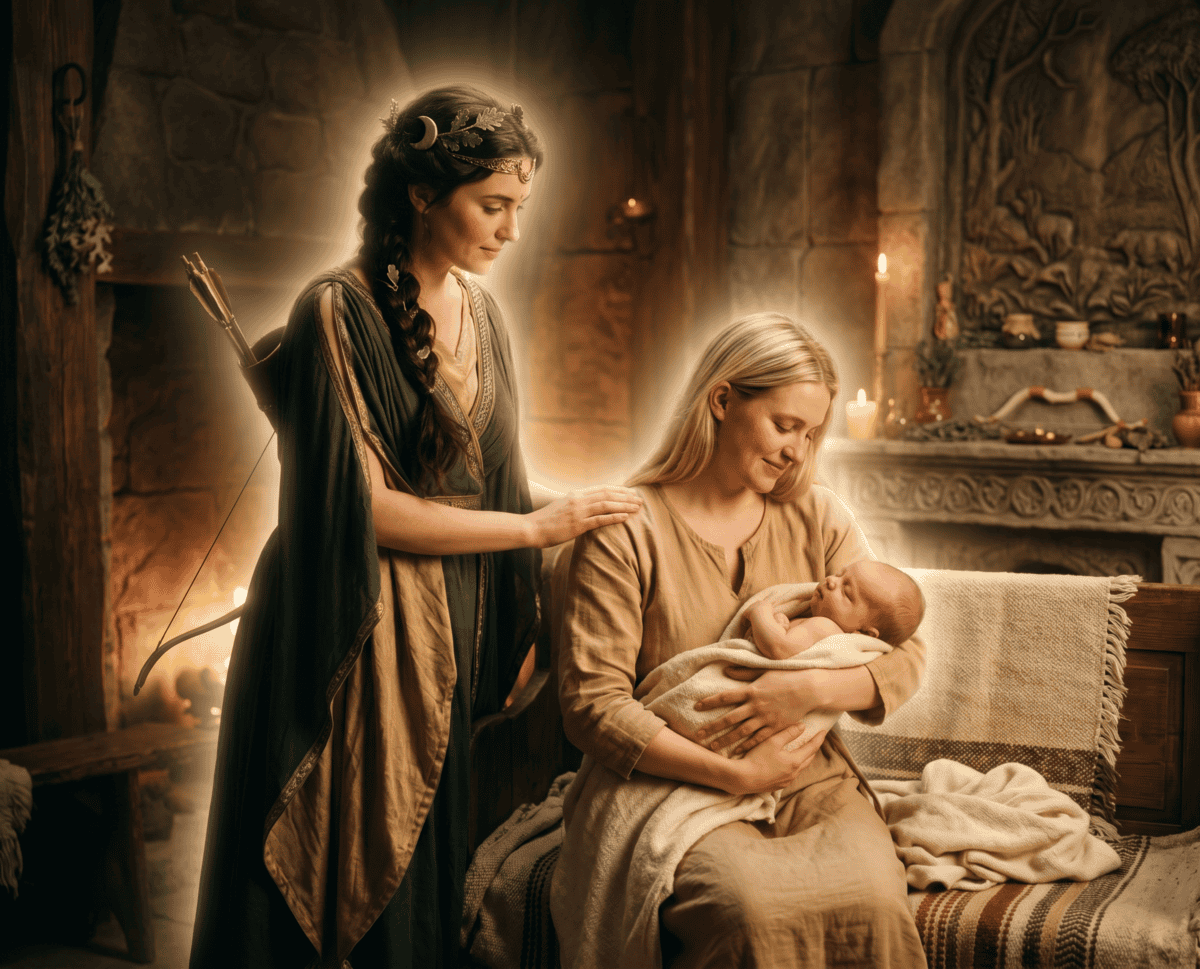
One of Diana’s most important roles is her protection of women, especially during childbirth.
In ancient Roman belief, childbirth was dangerous, and people prayed to Diana for safety and strength during the process.
She was seen as a caring figure who could help women through difficult moments. This role shows her compassionate side, which is different from her image as a strong huntress.
It reflects a balance between power and care. Diana’s protection of women also represents life, creation, and new beginnings.
She is often connected to fertility and the safety of mothers and children. This made her an important goddess in daily life, not just mythology.
Even today, she is remembered as a symbol of female strength, protection, and care, showing that power can also include kindness and support for others in vulnerable moments.
5. Symbol of Independence and Freedom
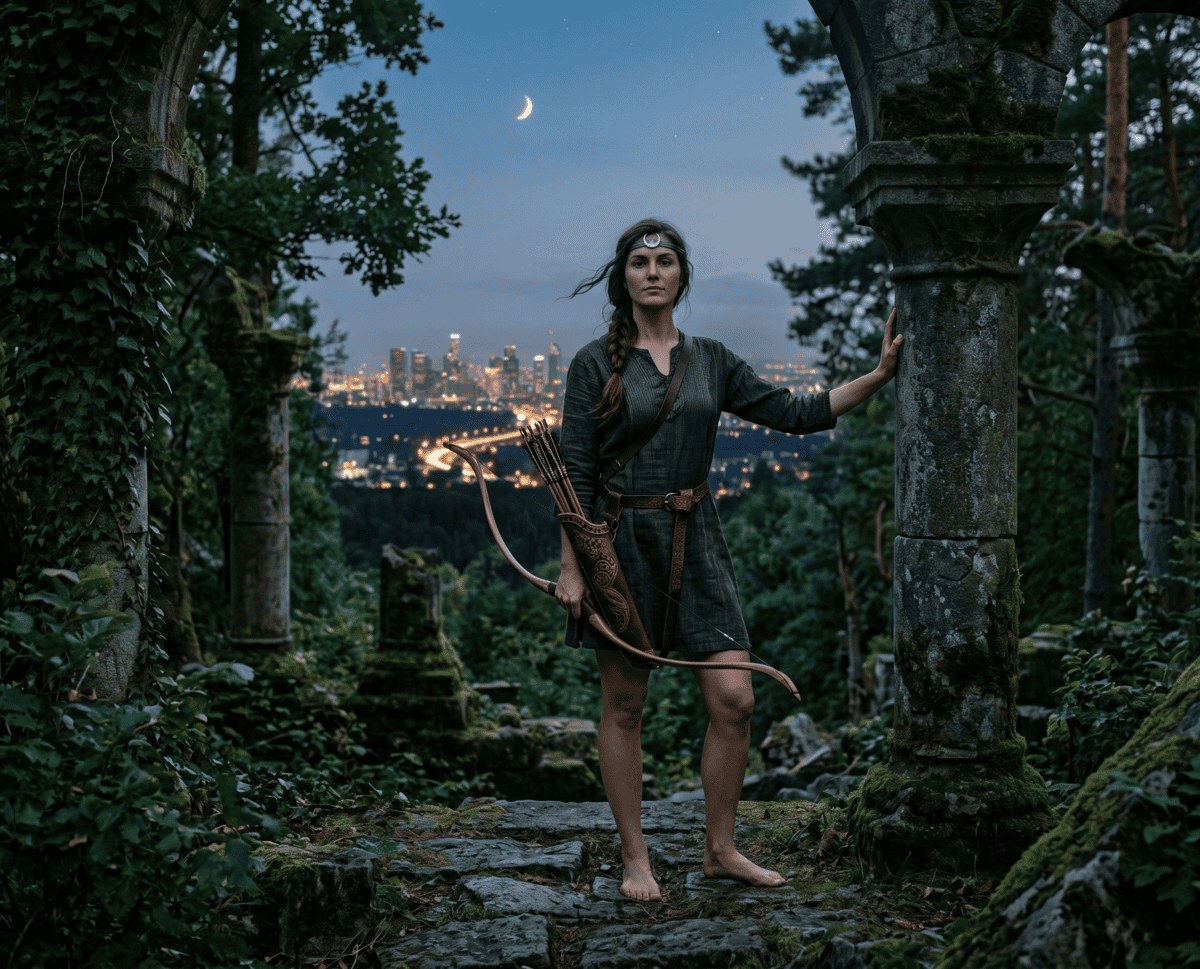
Diana is often seen as a symbol of independence because she chooses to live freely in nature rather than in cities or palaces.
In mythology, she is described as preferring the company of animals and her fellow hunters instead of royal or political life.
This reflects a strong sense of personal freedom and self-reliance. She does not depend on others for her strength or identity, which makes her a powerful example of independence.
Diana’s choice to remain connected to nature also shows her rejection of strict social expectations.
She represents the idea that freedom means being true to oneself and living in harmony with personal values.
This aspect of her character made her especially meaningful to people who valued autonomy and strength.
Her independence is not lonely, but confident and balanced, showing that a person can be both strong and connected to the world around them without losing their sense of self.
6. A Lasting Symbol in Mythology and Culture
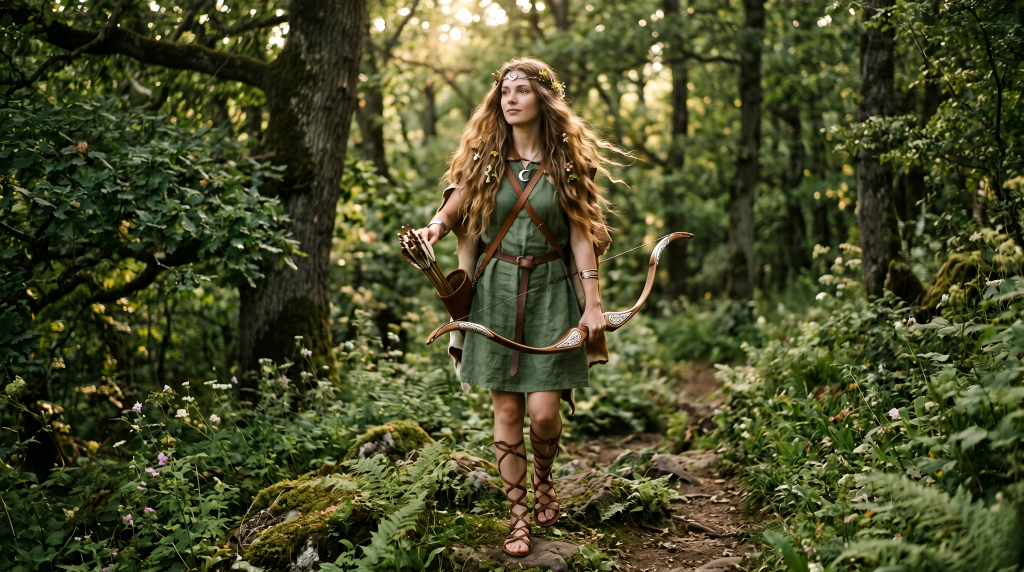
Diana’s influence has lasted far beyond ancient Roman times. She continues to appear in art, literature, and modern storytelling as a symbol of nature, strength, and femininity.
Her image as a huntress and protector of the wild has made her a powerful figure in cultural imagination.
Many artists and writers use her character to represent independence, natural beauty, and balance between strength and care.
Diana also appears in discussions about mythology and history as an example of how ancient beliefs shaped human understanding of nature and life.
Her lasting presence shows that myths can carry meanings that remain relevant over time. They can remind us of an undying power.
Even today, she is remembered as a figure who connects humanity with nature and highlights the importance of respect for the natural world.
Her story continues to inspire ideas about freedom, protection, and the balance between strength and compassion.

I always felt a strong connection to the Divine since my birth. As an author and mentor, my mission is to help others find love, happiness, and inner strength in the darkest of times.