

Bread and wine are two of the oldest and most widely recognized symbolic foods in human history.
Across different religions, mythologies, and ancient cultures, they are often seen as more than simple food and drink.
Instead, they represent deeper ideas like life, unity, sacrifice, abundance, and the connection between the physical and spiritual world.
Bread, made from grain, has long symbolized basic survival and nourishment, while wine, made from fermented grapes, has been linked to celebration, transformation, and emotional depth.
Together, they create a powerful symbolic pair that represents both body and spirit, daily life and sacred meaning.
Many ancient societies used bread and wine in rituals, offerings, and communal gatherings because they were accessible, meaningful, and deeply tied to human survival.
1. They Represent Basic Human Survival and Life
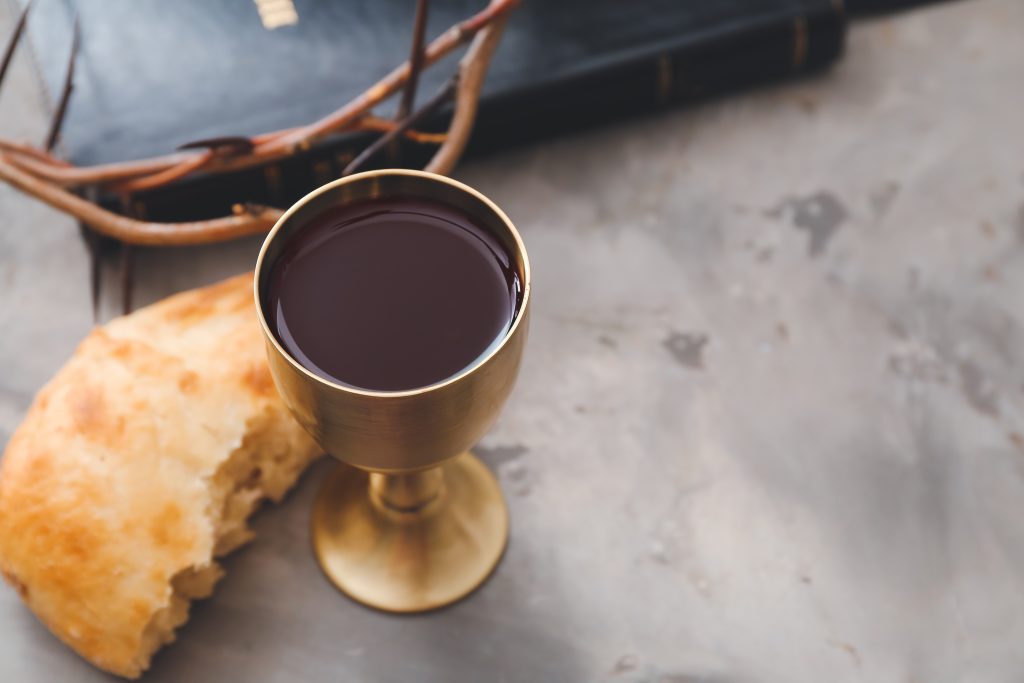
One of the main reasons bread and wine became sacred symbols is because they represent essential parts of human survival and daily life.
Bread, made from grain, has been a staple food in many ancient civilizations, symbolizing nourishment, stability, and the ability to live and grow.
Wine, on the other hand, comes from grapes and represents not just nourishment but also transformation, since grapes change form through fermentation.
Together, they reflect the basic cycle of life, from growth in nature to human consumption and shared experience.
Because these items were so central to survival, they naturally became symbols of gratitude and respect for life itself.
In many ancient cultures, offering bread and wine was a way of acknowledging the gifts of nature and expressing appreciation for sustenance.
This strong connection to daily survival helped elevate them from ordinary food to sacred symbols of life and continuity.
2. They Symbolize Community and Sharing
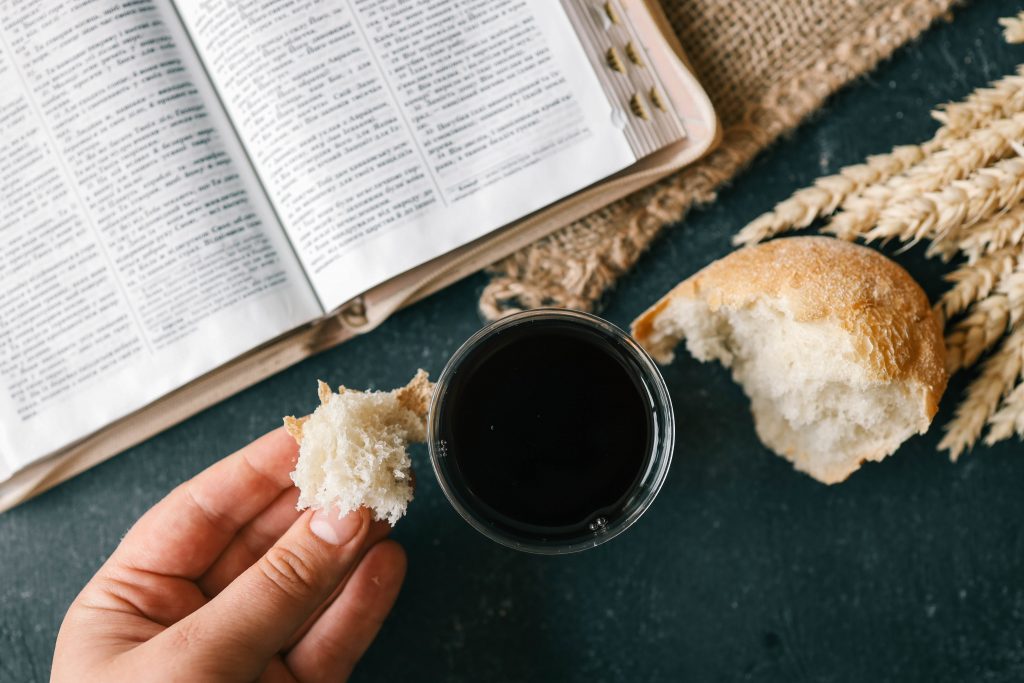
Bread and wine also became sacred because they strongly represent sharing and community bonding.
In ancient societies, meals were often shared experiences that brought people together, and bread in particular was easy to divide among groups.
Wine was also commonly shared during gatherings, celebrations, and important social events. This act of sharing food and drink naturally created a sense of unity and connection between people.
Over time, this simple practice gained deeper meaning, becoming a symbol of trust, belonging, and collective identity.
In many traditions, sharing bread and wine is seen as a way of strengthening relationships and creating emotional bonds between individuals.
It represents the idea that people are not isolated, but part of a larger group that supports and sustains one another.
Because of this, bread and wine became powerful symbols of community life, reminding people of the importance of togetherness and mutual care in both everyday life and sacred rituals.
3. They Represent Transformation and Change
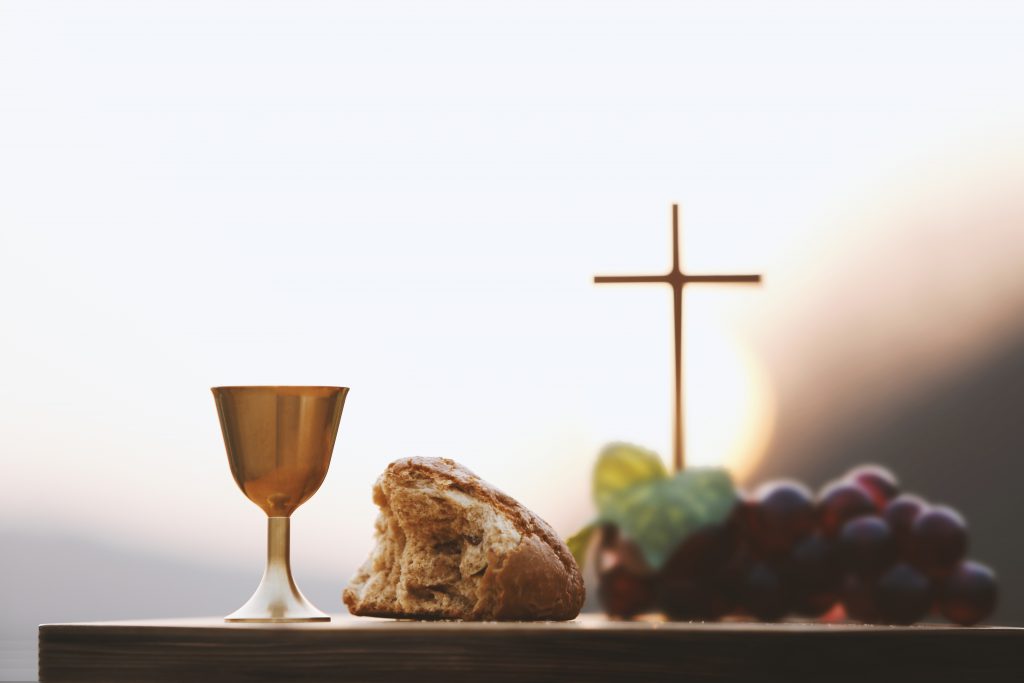
Another reason bread and wine became sacred symbols is because they represent transformation.
Bread begins as grain, which is ground into flour and then baked into something entirely new.
Wine begins as grapes, which are crushed and then naturally fermented into a different substance with new properties.
These natural processes of change made them powerful symbols of transformation in both physical and spiritual senses.
Many ancient traditions saw this transformation as a reflection of life itself, where change is constant and natural.
This symbolic transformation made them ideal for rituals that focused on change, rebirth, or spiritual development.
They became reminders that life is always shifting, and that growth often comes through natural cycles of change and patience.
4. They Connect the Physical and Spiritual Worlds
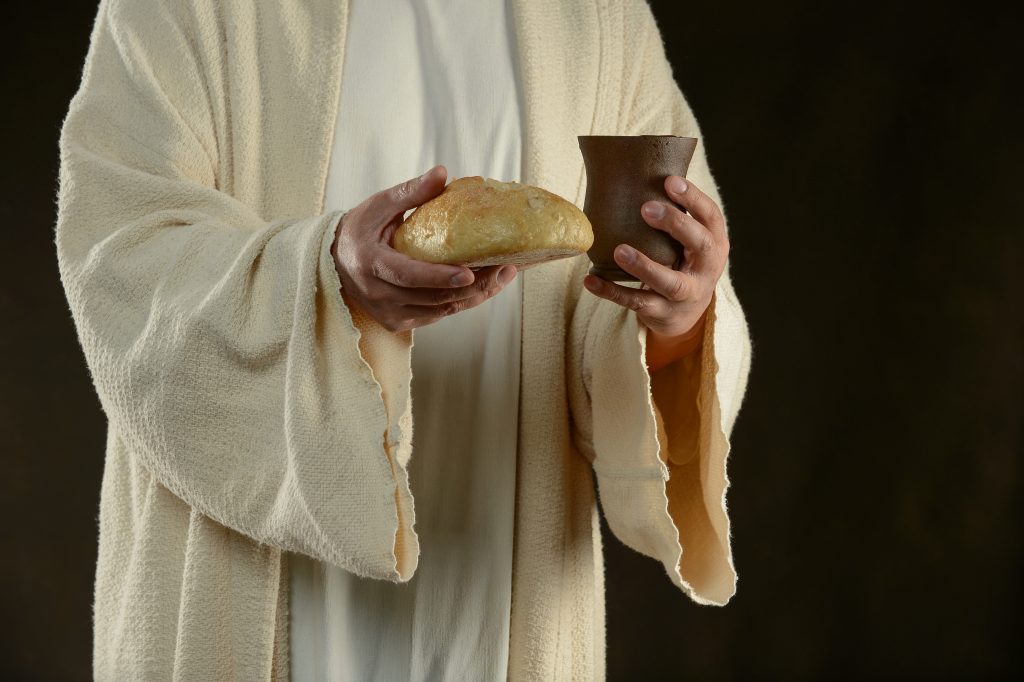
Bread and wine also became sacred because they were seen as bridges between the physical and spiritual worlds.
Bread represents the physical body and material life, as it directly nourishes and sustains human existence.
Wine, with its ability to alter mood and perception in small symbolic ways, was often associated with emotional and spiritual experiences.
Together, they created a balance between the material and the emotional or spiritual aspects of life.
In many traditions, using bread and wine in rituals was a way of connecting human life with something greater than everyday existence.
They represented the idea that physical actions, like eating and drinking, can also carry deeper meaning and spiritual reflection.
They helped people feel connected to both their physical reality and their spiritual beliefs at the same time.
5. They Became Symbols of Sacrifice and Gratitude
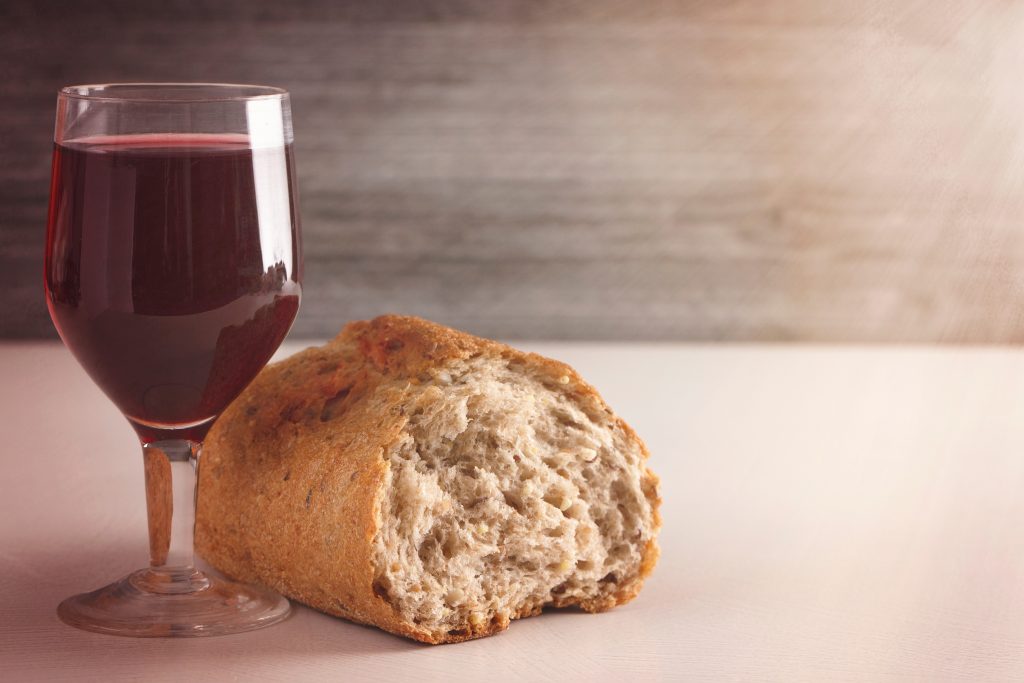
Finally, bread and wine became sacred symbols because they represent sacrifice, gratitude, and appreciation for life.
Bread requires effort to grow, harvest, and prepare, while wine involves time, patience, and careful transformation.
Because of this, both were seen as gifts that required human work combined with natural processes.
In many ancient rituals, offering bread and wine was a way of showing respect, gratitude, and acknowledgment of life’s blessings.
They were often used in ceremonies that focused on giving thanks or honoring higher powers.
Over time, bread and wine became deeply tied to the concept of offering something meaningful in return for what is given.
This made them lasting symbols of gratitude, humility, and respect across many spiritual and cultural traditions.

I always felt a strong connection to the Divine since my birth. As an author and mentor, my mission is to help others find love, happiness, and inner strength in the darkest of times.