

In medieval Europe, simple flowers often carried deep symbolic meanings that reflected human emotions, beliefs, and everyday life experiences.
Among these flowers, the daisy stood out for its small size, bright appearance, and gentle presence.
It was not a rare or exotic plant, but rather something people saw growing in fields, near homes, and along paths.
The daisy, with its white petals and yellow center, naturally became a symbol of purity, innocence, and simple beauty.
In this article, we explore eight different meanings that daisies carried in medieval European folklore and why they became such a meaningful part of symbolic expression.
1. Innocence and Purity
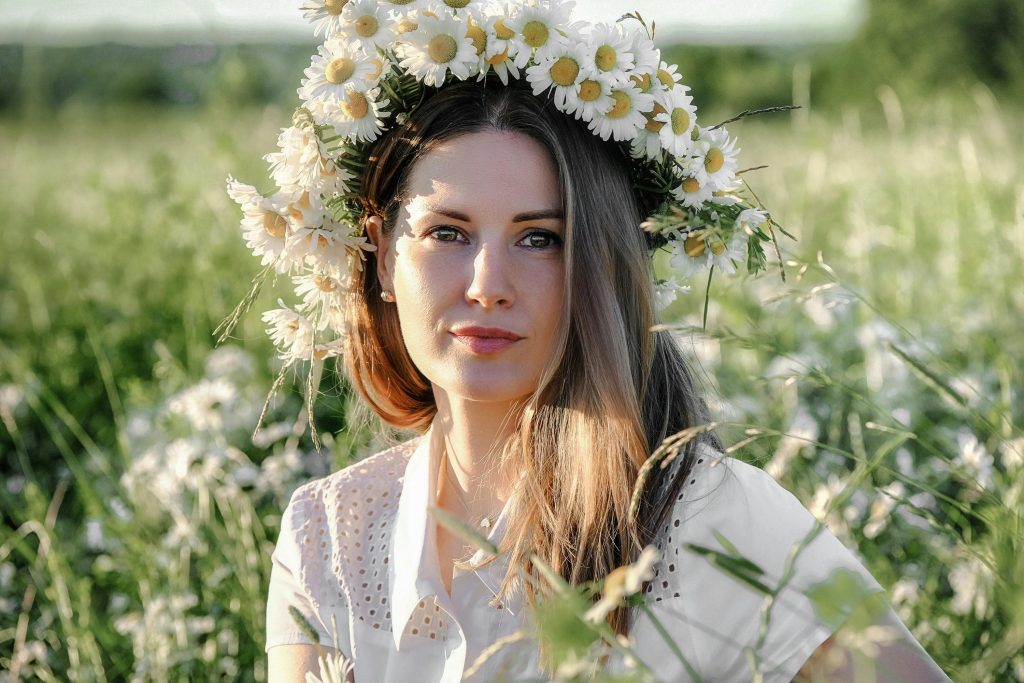
In medieval folklore across Europe, daisies were strongly connected to innocence and purity. Their simple white petals were seen as a reflection of something untouched and genuine.
People often associated the flower with children, youth, and emotional honesty because it looked soft, open, and unguarded.
In stories and symbolic traditions, daisies were used to represent hearts that had not been shaped by hardship or deception.
They were also connected to new beginnings, where emotions felt fresh and sincere. This meaning made daisies a common symbol in expressions of gentle affection and trust.
People believed that giving or wearing daisies could reflect pure intentions and a kind nature. The flower’s presence in everyday spaces also reinforced this idea, as it grew naturally without needing special care.
This made it feel honest and real, rather than rare or distant. Its simplicity became its strength, reminding people that purity does not need to be complex or dramatic.
In emotional terms, daisies represented openness, softness, and a kind of quiet truth that did not need to prove itself.
2. True Love and Loyal Affection

Daisies were also connected to true love and loyal affection in medieval folklore. Unlike more dramatic symbols of passion, daisies represented a steady and honest emotional connection.
Their simple form suggested that love did not need to be intense or overwhelming to be meaningful. Instead, it could be calm, consistent, and sincere.
The flower’s structure, with petals evenly surrounding the center, was sometimes seen as a sign of balance and harmony within relationships.
This idea reinforced the meaning of stable and equal affection. In storytelling, daisies often appeared as signs of faithful love, where feelings were not hidden or complicated.
They represented emotional clarity and honesty between people. Because of this, daisies became a quiet but powerful symbol of love that was dependable and real.
They showed that deep connection could exist without intensity, and that loyalty and care were just as important as passion in human relationships and emotional life.
3. New Beginnings and Renewal
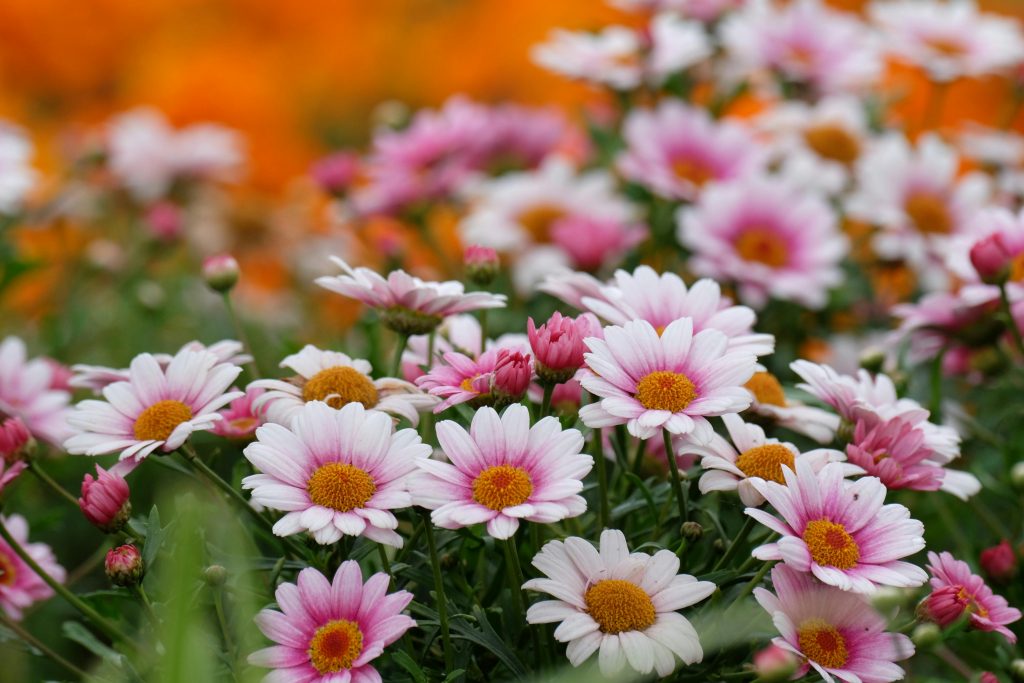
People associated daisies with springtime and the return of life after cold or difficult periods. This gave them a sense of hope and emotional renewal.
In stories and traditions, seeing daisies could be interpreted as a sign that something new was about to begin, whether in life, relationships, or personal growth.
The flower’s ability to grow easily and appear in many places reinforced the idea that new beginnings are always possible.
It suggested that life can continue and refresh itself even after challenges. This meaning made daisies symbols of optimism and quiet strength.
They represented the belief that change can be gentle and natural rather than sudden or overwhelming.
4. Hidden Truths and Honest Feelings

Daisies were also connected to hidden truths and honest feelings in medieval folklore. Their open shape, with petals spread around a visible center, symbolized transparency and emotional clarity.
People believed that daisies could represent feelings that were true but not always spoken.
In some traditions, the flower was used in simple rituals to reflect emotional honesty or reveal thoughts that were kept inside.
This made daisies symbols of truth that exist beneath the surface. They encouraged openness and sincerity in communication between people.
At the same time, their quiet presence suggested that truth does not need to be loud to be meaningful. It can exist calmly and naturally, waiting to be recognized.
5. Protection and Gentle Luck
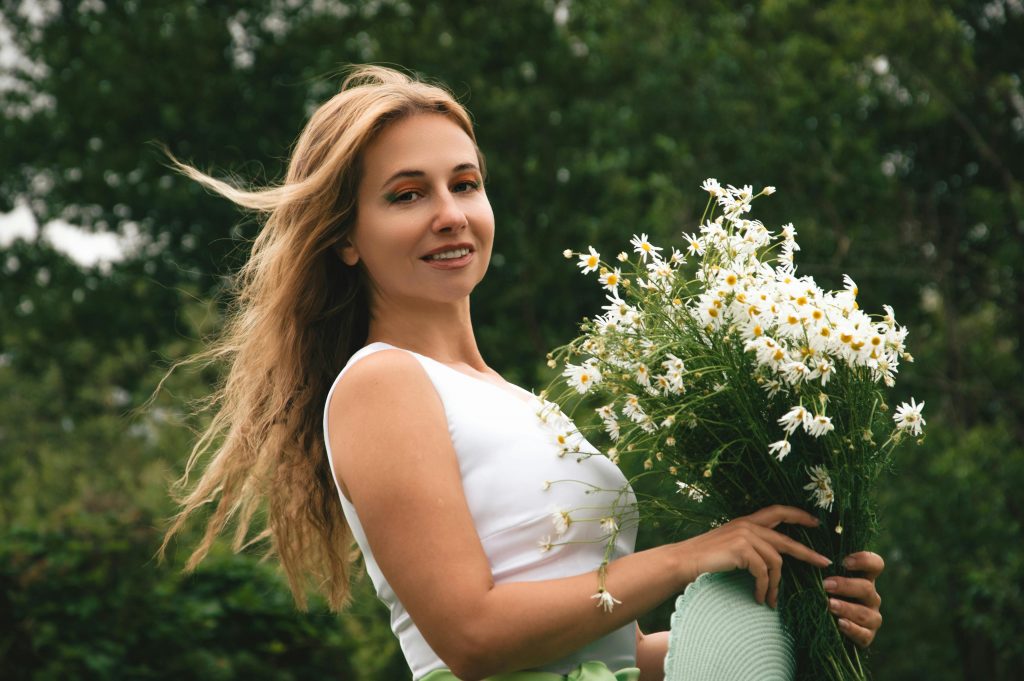
In some parts of Europe, daisies were believed to offer protection and gentle luck. People sometimes placed them near homes or carried them as small tokens of safety.
The idea was not that daisies had strong or dramatic power, but that they offered a quiet form of protection through their presence.
This belief is connected to the flower’s association with purity and innocence, as these qualities were seen as naturally protective.
In folklore, something pure was thought to repel negativity or harmful influence. Daisies were also linked with good fortune in simple, everyday ways.
They were not symbols of wealth or major change, but of small positive moments and emotional comfort.
This made them feel approachable and realistic in their meaning. People saw them as reminders that protection and luck do not always come in large or obvious forms.
6. Femininity and Soft Strength

Daisies were often connected to femininity and soft strength in medieval folklore.
Their delicate appearance made them symbols of gentleness and emotional sensitivity, but this did not mean weakness.
In many traditions, daisies were associated with women, especially in their roles as caregivers and emotional centers of the home.
The flower symbolized the ability to remain calm and supportive even during difficult times. This idea of soft strength was important because it showed that power does not always need to be forceful or visible.
It can exist in steady presence and quiet resilience. Daisies reflected this balance between gentleness and endurance.
They reminded people that emotional strength is just as valuable as physical strength. This meaning made them important symbols in stories about relationships, family, and personal growth.
They represented the idea that kindness and patience are powerful qualities that can shape and support life in meaningful ways.
7. Youth and Playfulness

Another meaning of daisies in medieval folklore was their connection to youth and playfulness.
Because they were common and easy to find, they were often used in simple activities like making flower chains or small decorations.
This made them symbols of carefree moments and lighthearted emotion. People associated daisies with the joy of simple pleasures and the freedom of early life.
Daisies reminded people to appreciate small joys and to stay connected to a sense of wonder. This connection to youth made them symbols of energy, curiosity, and emotional openness in medieval culture.
8. Faith and Spiritual Simplicity
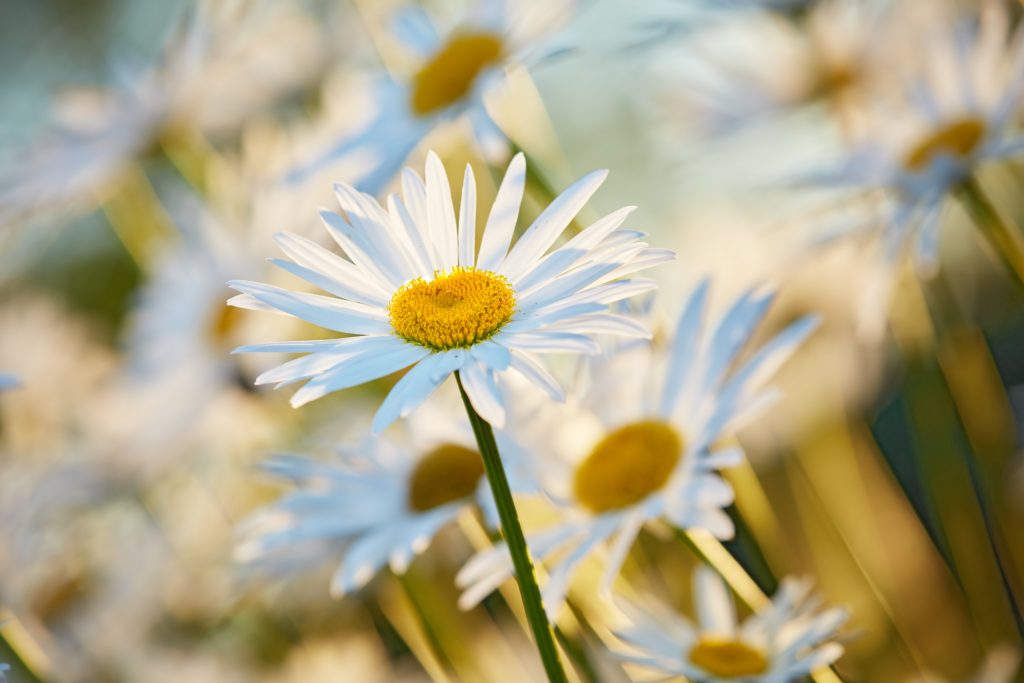
Their natural and unassuming appearance made them symbols of a belief that is quiet and genuine rather than complex or formal.
People saw them as reminders that spiritual meaning does not need to be complicated to be real.
In many traditions, simple things were considered closer to the truth because they were not shaped by excess or distraction.
Daisies reflected this idea through their basic form and natural growth. They symbolized a kind of faith that exists in everyday life, expressed through kindness, honesty, and calm presence.
This meaning connected them to spiritual reflection in a gentle way. They were not grand symbols of power, but quiet reminders of inner belief and connection.

I always felt a strong connection to the Divine since my birth. As an author and mentor, my mission is to help others find love, happiness, and inner strength in the darkest of times.