

Some ancient stories describe a force that represents pure chaos, dishonesty, and rebellion against all rules.
In biblical and later mythological traditions, one of the most unsettling figures connected to these ideas is Belial.
He is often described not just as a demon but as a symbol of moral collapse, disorder, and complete rejection of authority or truth.
Across different texts and traditions, Belial appears less like a single character and more like a concept of corruption taking shape.
His name itself became linked with worthlessness, deception, and destructive behaviour that spreads confusion among people and societies.
Here are eight important facts about Belial and why his image has remained so powerful in religious and cultural imagination.
1. Belial Represents Lawlessness and Moral Chaos

Belial is often described as the embodiment of lawlessness, meaning complete rejection of rules, structure, and moral order.
In ancient writings, he is not only seen as a being who breaks laws, but as a force that encourages others to abandon responsibility and truth.
This makes him more symbolic than physical in many interpretations. Belial represents the idea of society falling apart when honesty, justice, and discipline are ignored.
His presence in stories often signals confusion, corruption, and moral decay spreading through individuals or entire communities in a slow but dangerous way.
Some traditions even use his name to describe people who act without conscience or respect for others, slowly normalising chaos until nothing feels stable or trustworthy anymore.
2. His Name Means Worthlessness or “Without Value”
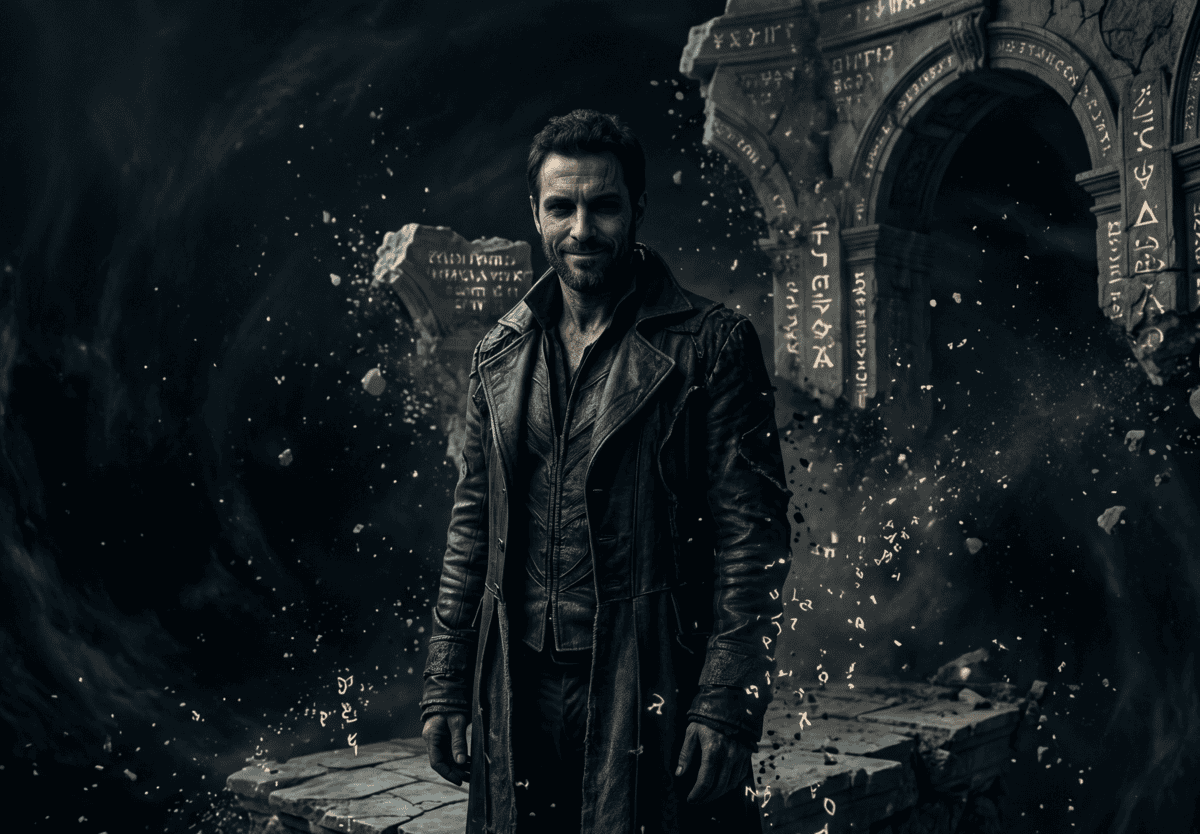
The name Belial comes from ancient language roots often interpreted as meaning “worthless” or “without value.”
This reflects how he is seen not just as evil, but as something empty and destructive to meaning itself.
Instead of offering power or purpose, Belial is associated with the loss of direction and moral grounding.
In many texts, calling something “of Belial” is a way of describing actions or people who reject goodness or truth.
This shows how the concept evolved from a name into a symbolic label for corruption and spiritual emptiness, often used to describe complete rejection of moral responsibility and inner conscience.
3. Belial Is Linked to Deception and False Speech

One of the strongest associations with Belial is deception, especially through lies, manipulation, and misleading words.
In many traditions, he is not portrayed as using force, but rather confusion and dishonesty to influence others.
This makes him a symbol of corrupted communication, where truth becomes distorted, and trust breaks down.
Stories connected to Belial often warn about people who spread falsehoods that divide communities or lead others into harmful decisions.
His influence is described as subtle, often starting with small lies that grow into larger systems of misunderstanding, fear, and social distrust that can spread quietly through entire groups.
4. He Is Often Opposed to Order and Justice
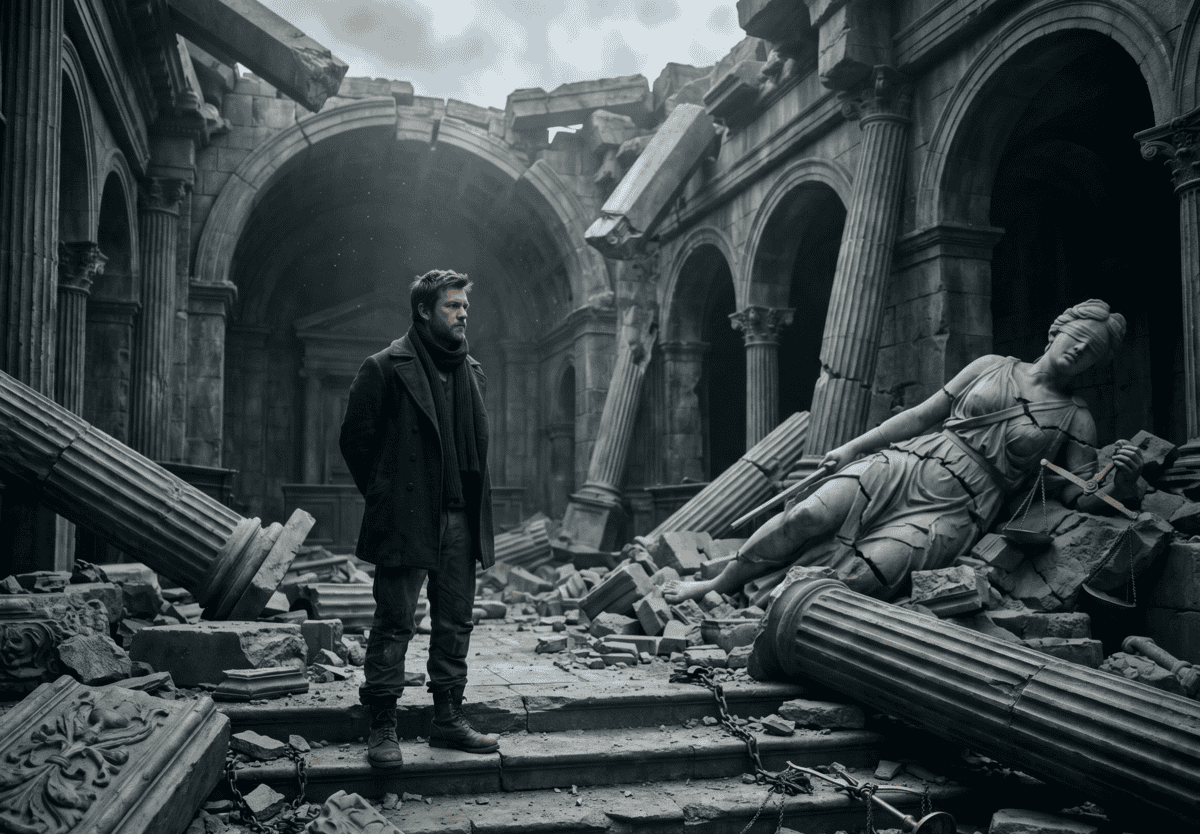
Belial is frequently shown as a force that stands directly against justice, fairness, and divine order.
Where order represents structure and stability, Belial represents disruption and rebellion without purpose.
In some traditions, he is described as encouraging lawbreaking not for freedom, but for destruction and confusion.
This makes him different from simple rebellion, because his goal is not change or reform, but collapse.
His presence in mythology highlights the importance ancient cultures placed on rules, balance, and moral structure in society, especially as protection against chaos and human selfishness.
5. Belial Appears in Both Religious and Later Occult Texts
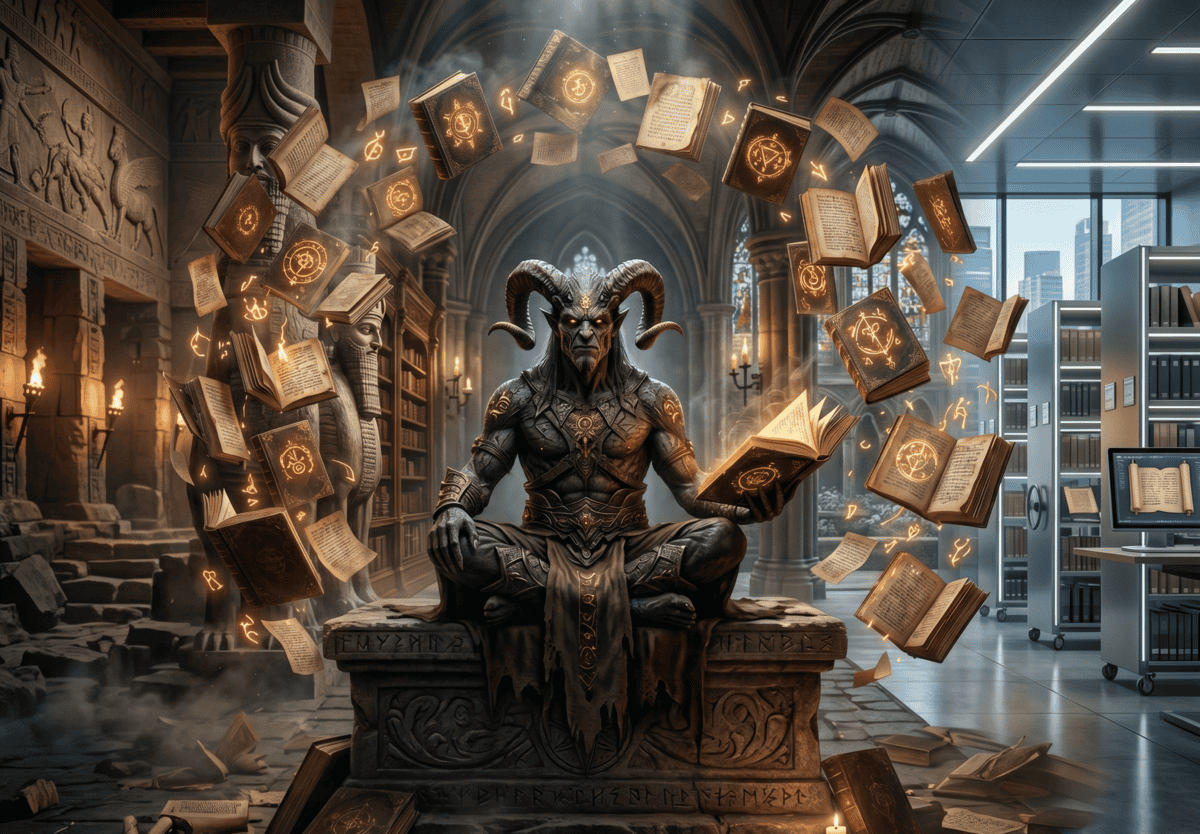
Belial appears in early religious texts, but his image also evolved in later mystical and occult writings.
Over time, different traditions expanded his role, giving him more symbolic meaning as a powerful force of corruption.
In some interpretations, he becomes part of a hierarchy of demons representing different aspects of evil or disorder.
This evolution shows how myths change over time, adapting to new cultural fears and ideas.
Even when details differ, Belial consistently represents moral breakdown and the dangers of losing ethical direction, especially when societies struggle with shifting values and uncertainty about truth.
6. He Symbolizes Inner Corruption as Much as External Evil

Many interpretations of Belial suggest he is not only an external demon, but also a symbol of inner human weakness.
He can represent the tendency toward selfishness, dishonesty, and ignoring consequences for personal gain. This makes his role psychological as well as spiritual.
Instead of appearing only as an outside force, Belial can be understood as a reflection of human impulses when discipline and empathy are abandoned.
This idea makes the concept more relatable because it connects mythology with real human behaviour and moral choices, especially moments when people struggle with temptation and internal conflict.
7. Belial Is Associated With Confusion and Division

In many traditions, Belial is linked with spreading confusion among people, causing misunderstanding, conflict, and division.
Rather than direct destruction, his influence is often described as breaking trust between individuals and communities.
This makes his role particularly dangerous in social terms, because unity and cooperation become harder to maintain.
Stories about him often highlight how misinformation or dishonesty can weaken groups from within.
This symbolic role shows how ancient cultures understood the power of communication in shaping stability or chaos, especially when truth is distorted, and relationships slowly begin to fall apart over time.
8. Belial Remains a Symbol of Chaos and Moral Collapse

Even today, Belial remains a symbolic figure representing chaos, deception, and loss of moral direction.
His name is still used in literature and religious discussion to describe extreme corruption or rejection of ethical values.
Modern interpretations often treat him less as a literal being and more as an idea about what happens when truth and responsibility are abandoned.
His lasting presence shows how powerful the concept of moral lawlessness is in human imagination, continuing to appear in stories that explore the balance between order and chaos.

I always felt a strong connection to the Divine since my birth. As an author and mentor, my mission is to help others find love, happiness, and inner strength in the darkest of times.