
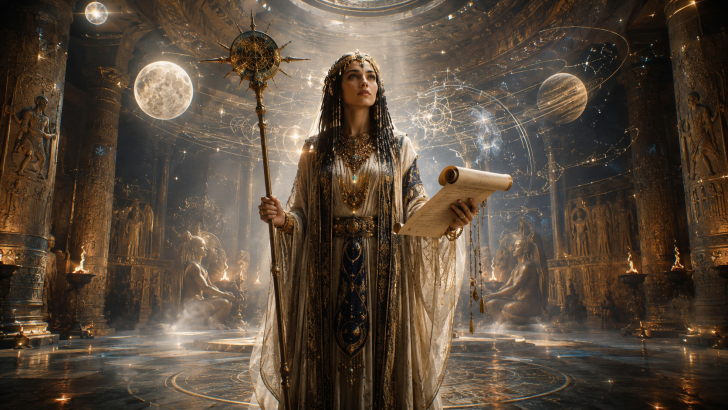
Long before weather forecasts, scientific predictions, or modern technology, many civilizations believed the gods could reveal what was yet to come.
Kings, generals, priests, and ordinary people traveled great distances seeking guidance before making important decisions.
Across the ancient world, certain temples became famous for prophecy. People believed these sacred places stood closer to the divine realm, allowing messages from gods and spirits to reach humanity.
Some visitors asked about wars. Others sought advice about love, harvests, illnesses, or the fate of entire kingdoms.
Whether one sees these prophecies as spiritual experiences or fascinating pieces of history, these temples played an enormous role in shaping ancient civilizations.
Here are ten real ancient temples linked to divine prophecies.
1. The Temple of Apollo at Delphi, Greece
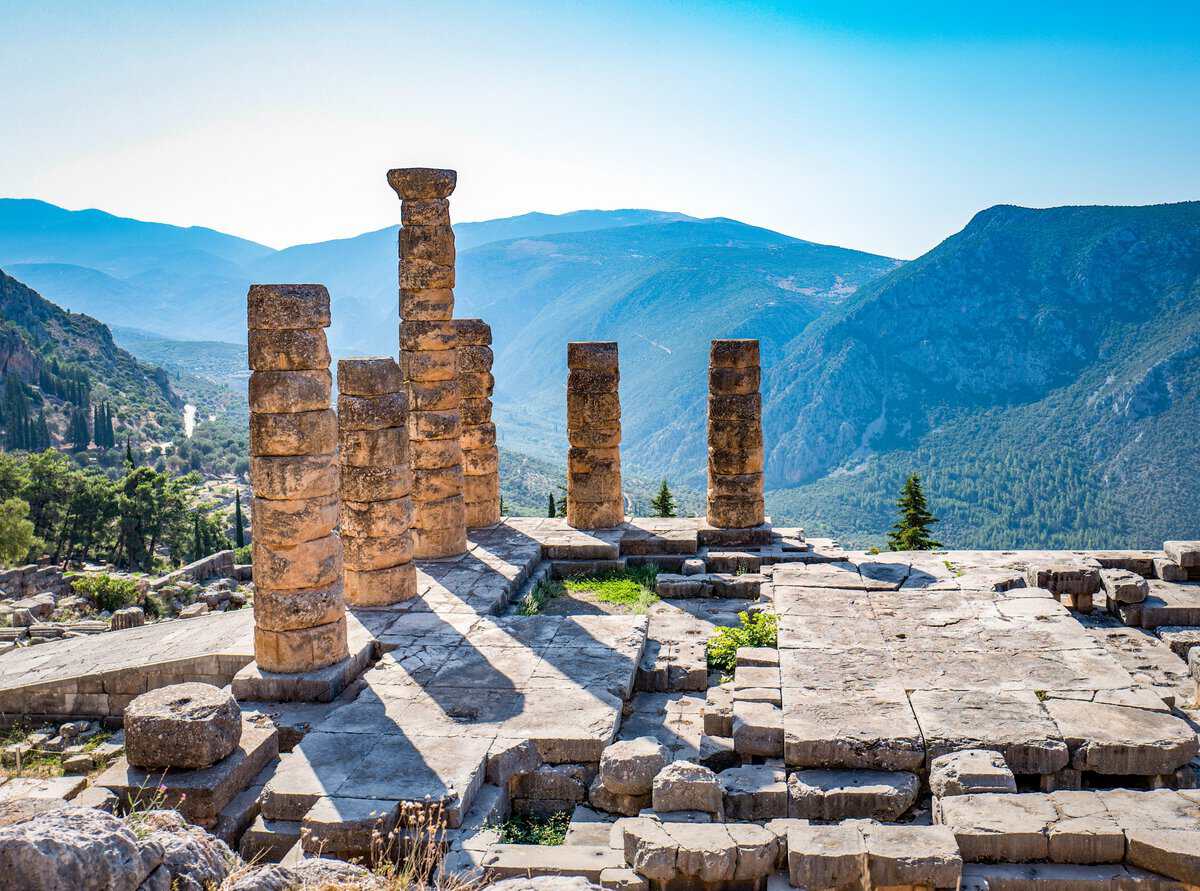
Temple of Apollo at Delphi is perhaps the most famous prophetic temple in history.
Ancient Greeks believed this sacred site was the center of the world.
Inside the temple, a priestess known as the Pythia would enter a trance and deliver messages believed to come from Apollo.
Leaders from across the Greek world traveled to Delphi seeking guidance before major decisions.
Some asked whether they should go to war. Others wanted advice about politics, colonization, or personal matters.
The temple became so influential that its prophecies affected the course of entire cities and kingdoms for centuries.
2. The Temple of Amun at Siwa Oasis, Egypt
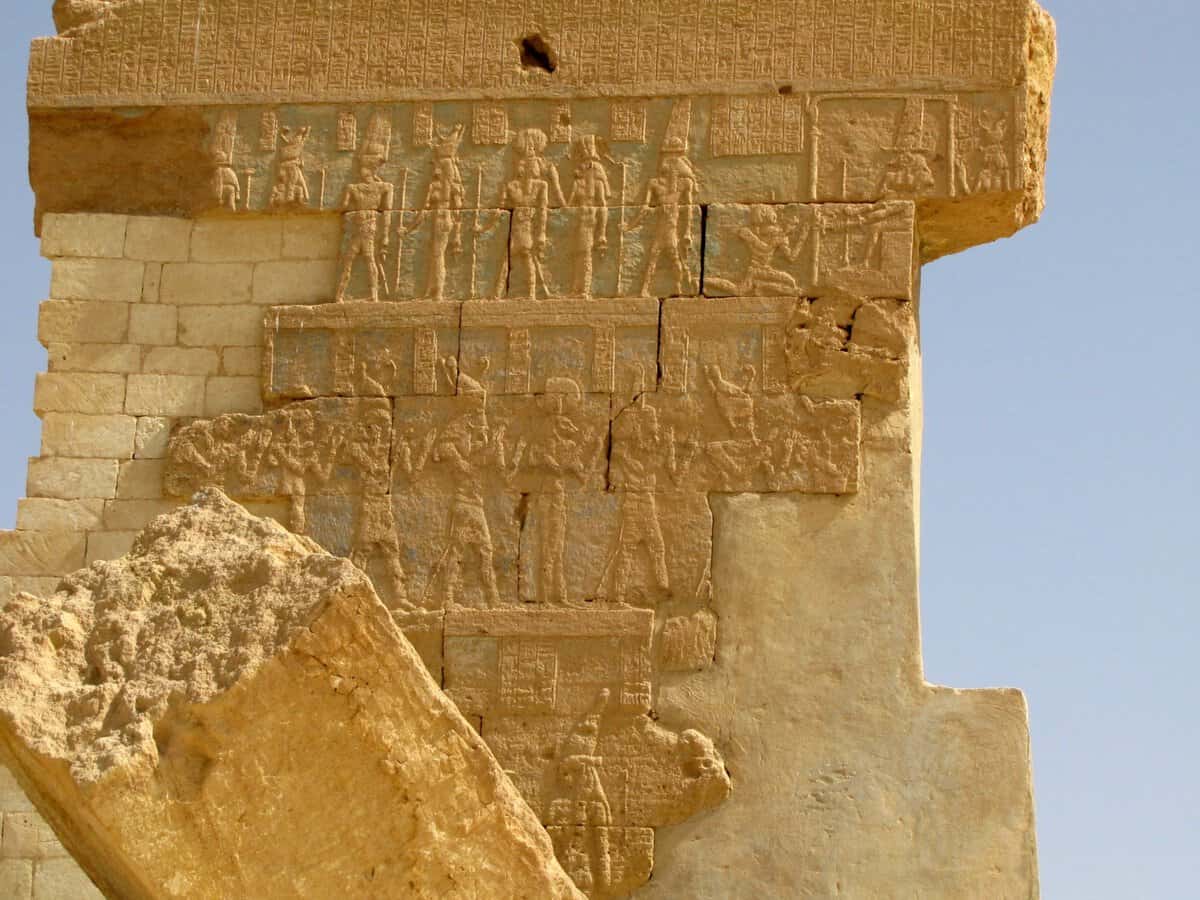
Temple of the Oracle of Amun stood deep within Egypt’s western desert.
This remote sanctuary became famous throughout the ancient Mediterranean world.
Visitors believed the god Amun communicated through priests who interpreted divine signs and responses.
One of the temple’s most famous visitors was Alexander the Great, who traveled across the desert to consult its oracle.
Stories claim that the priests recognized him as having a special divine destiny.
The temple’s reputation for prophecy spread far beyond Egypt and attracted seekers for generations.
3. The Temple of Zeus at Dodona, Greece
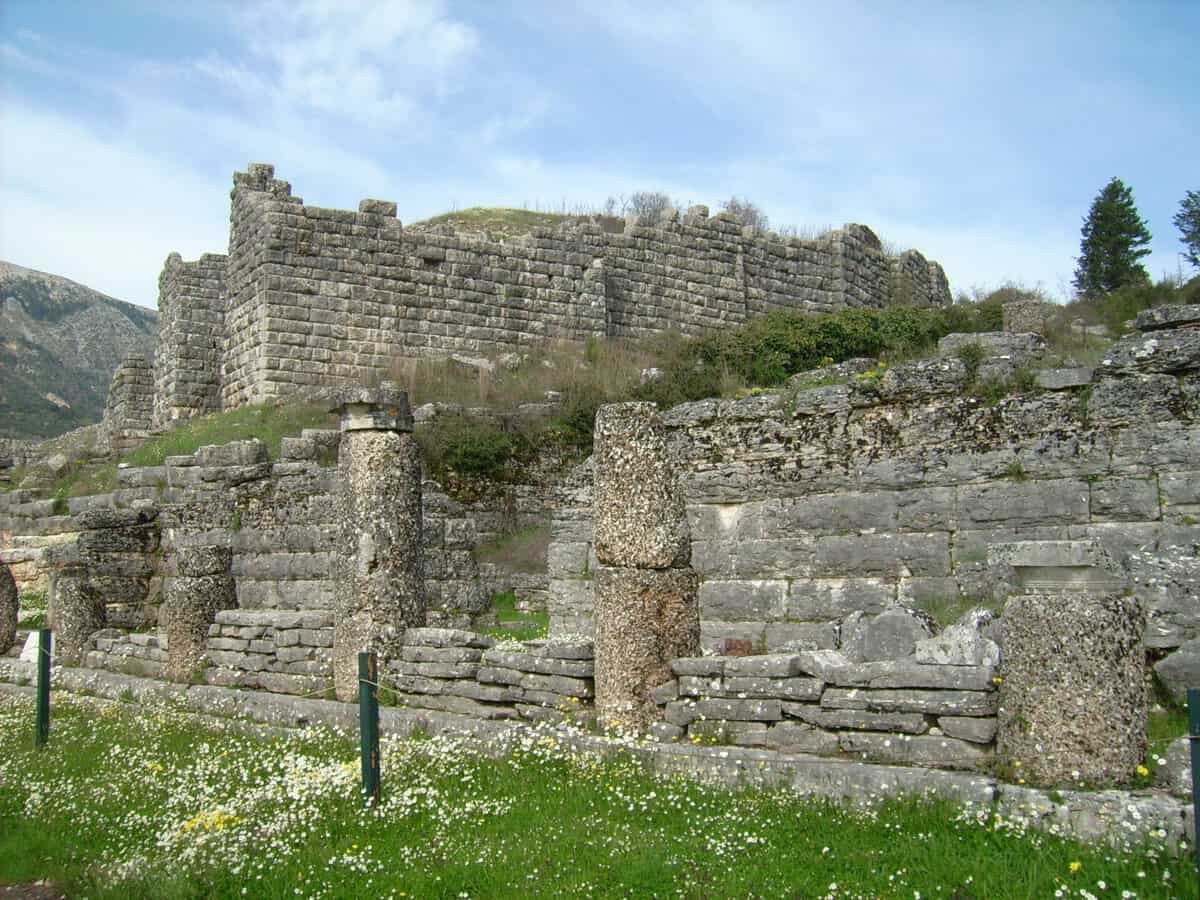
Oracle of Dodona was one of Greece’s oldest prophetic centers.
Unlike Delphi, where a priestess delivered messages, prophecies here were believed to come through nature itself.
Priests interpreted the rustling leaves of a sacred oak tree dedicated to Zeus.
The sounds of the wind moving through the branches were considered messages from the divine.
People traveled to Dodona seeking answers long before many other famous Greek temples existed.
Its unique connection to nature made it one of the most fascinating prophetic sites in the ancient world.
4. The Temple of Serapis at Alexandria, Egypt
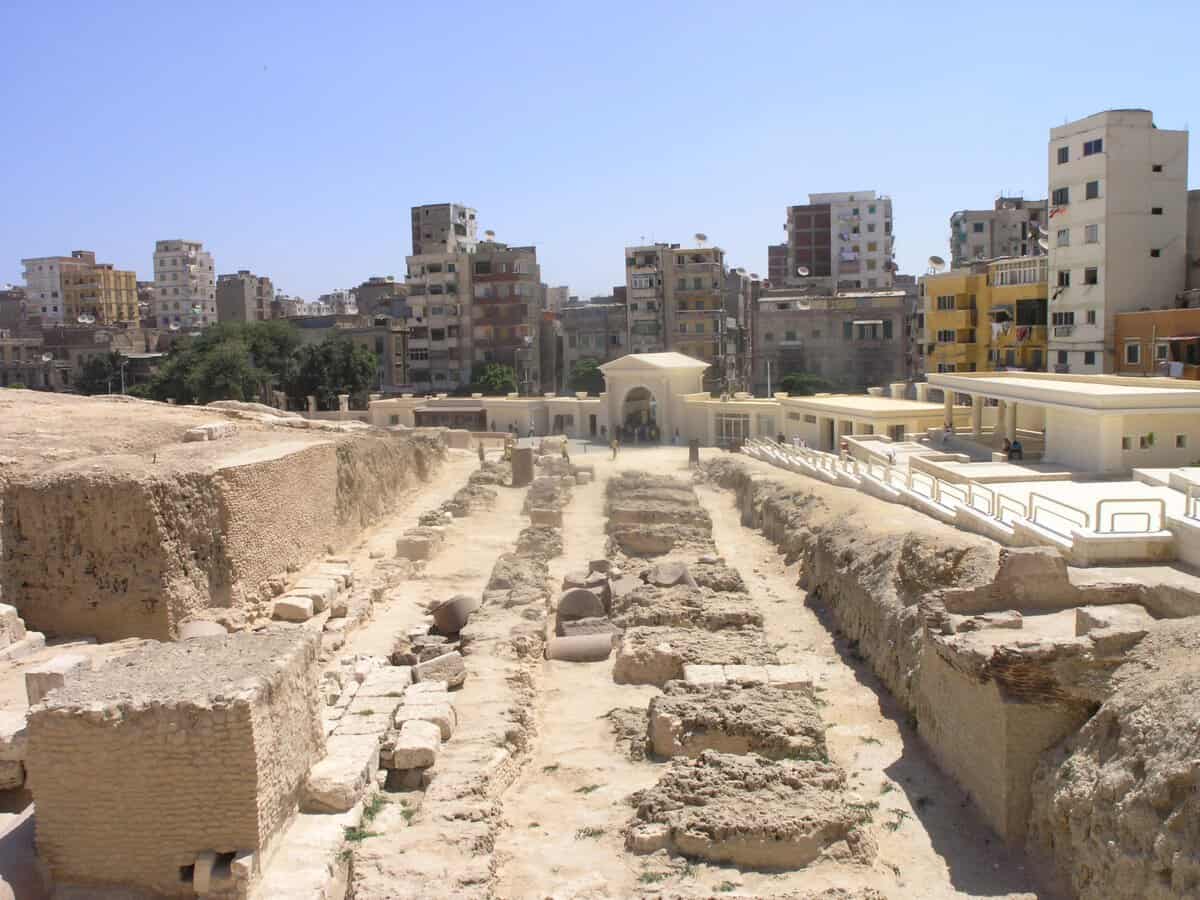
Serapeum of Alexandria served as both a religious center and a place associated with divine wisdom.
Dedicated to the god Serapis, it became one of the most important spiritual sites in the Hellenistic world.
Visitors sought guidance through rituals, dreams, and priestly interpretations.
Many believed the gods communicated through symbolic visions experienced within the temple complex.
The Serapeum blended Egyptian and Greek religious traditions, creating a unique environment where prophecy and spiritual insight were highly valued.
5. The Temple of Apollo at Didyma, Turkey
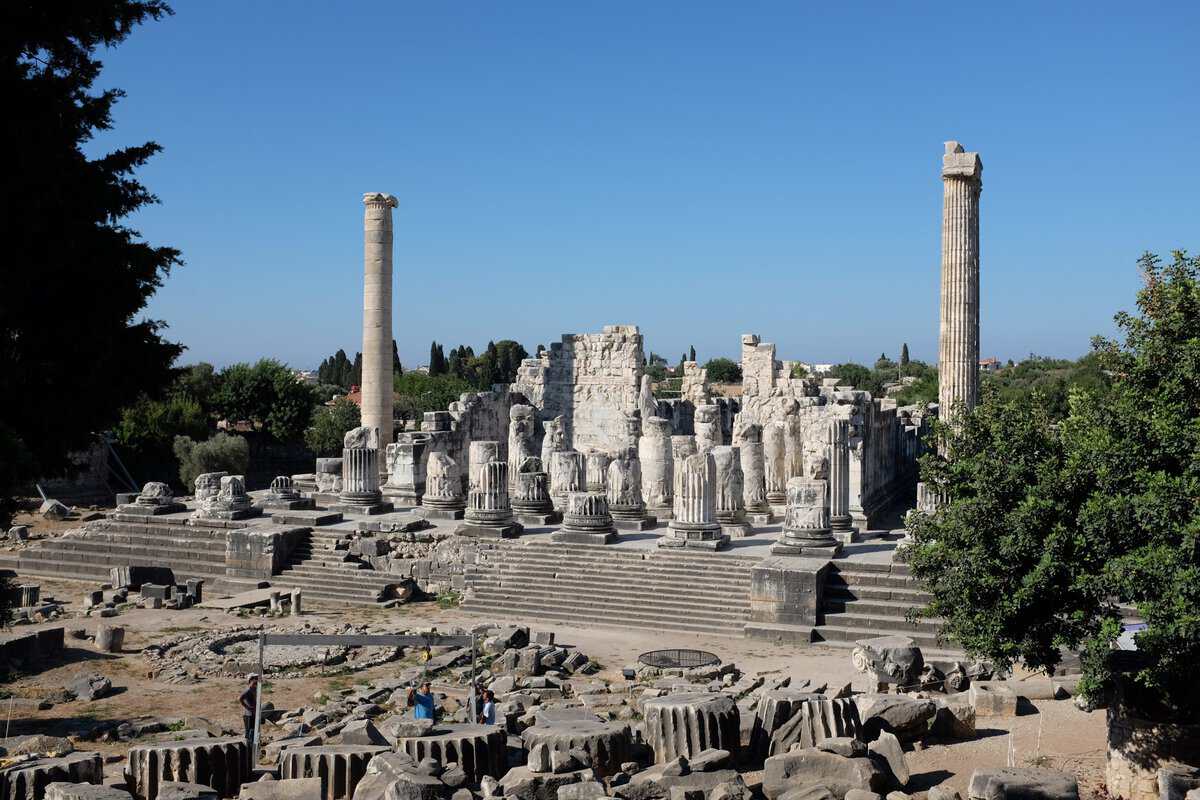
Temple of Apollo at Didyma was another major center of prophecy in the ancient Greek world.
Like Delphi, it was dedicated to Apollo and housed an oracle consulted by pilgrims.
The temple was enormous, reflecting both its wealth and importance.
Visitors often traveled long distances to seek divine answers from its priests.
Questions about war, trade, politics, and personal destiny were commonly brought before the oracle.
The sanctuary remained an important prophetic center for many centuries and attracted people from across the region.
6. The Temple of Karnak, Egypt
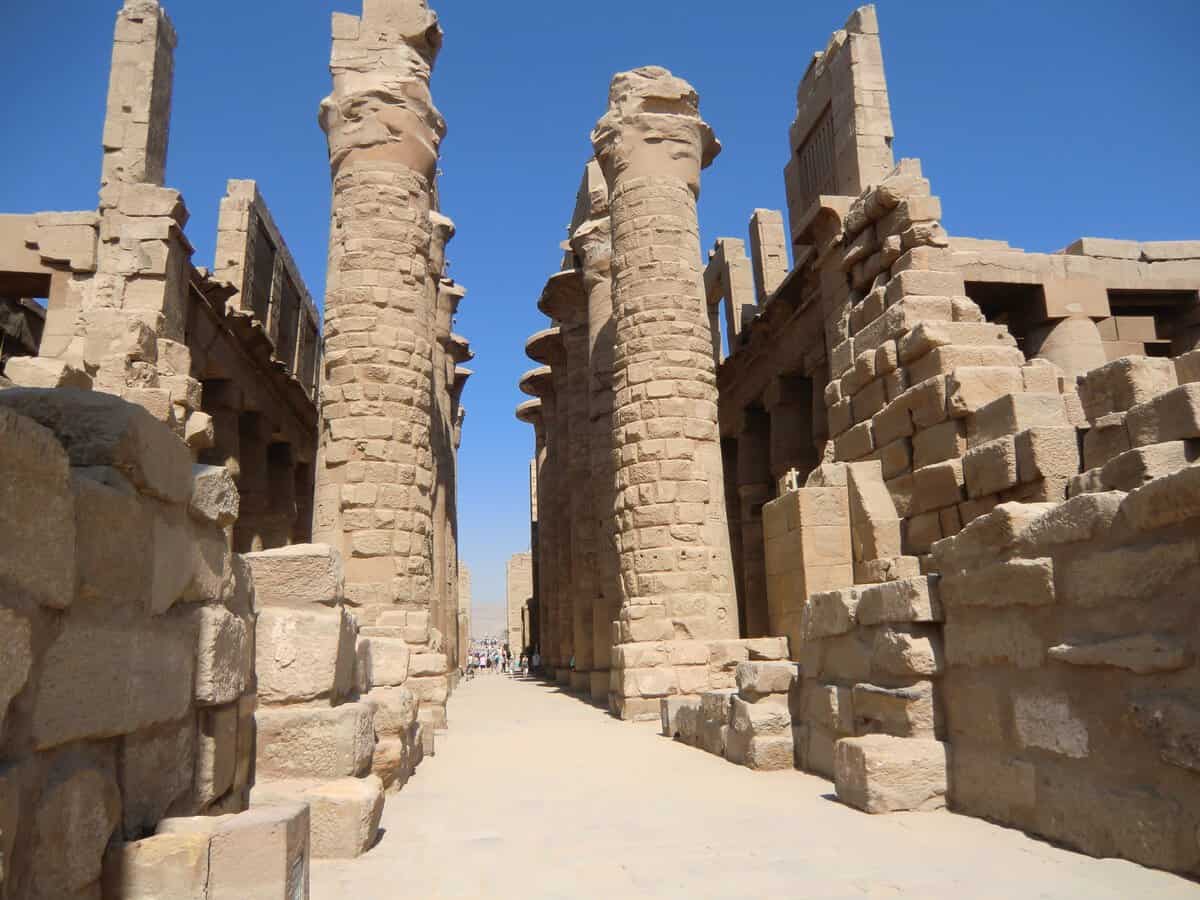
Karnak Temple Complex is famous for its vast size, but it was also connected to divine guidance.
Ancient Egyptians believed the gods communicated through sacred ceremonies and priestly rituals performed within their halls.
Statues of deities were sometimes carried in processions, and their movements were interpreted as divine responses.
The temple became one of the most powerful religious centers in Egypt and influenced political decisions for centuries.
Its spiritual authority extended far beyond its massive stone walls.
7. The Temple of Bel at Palmyra, Syria
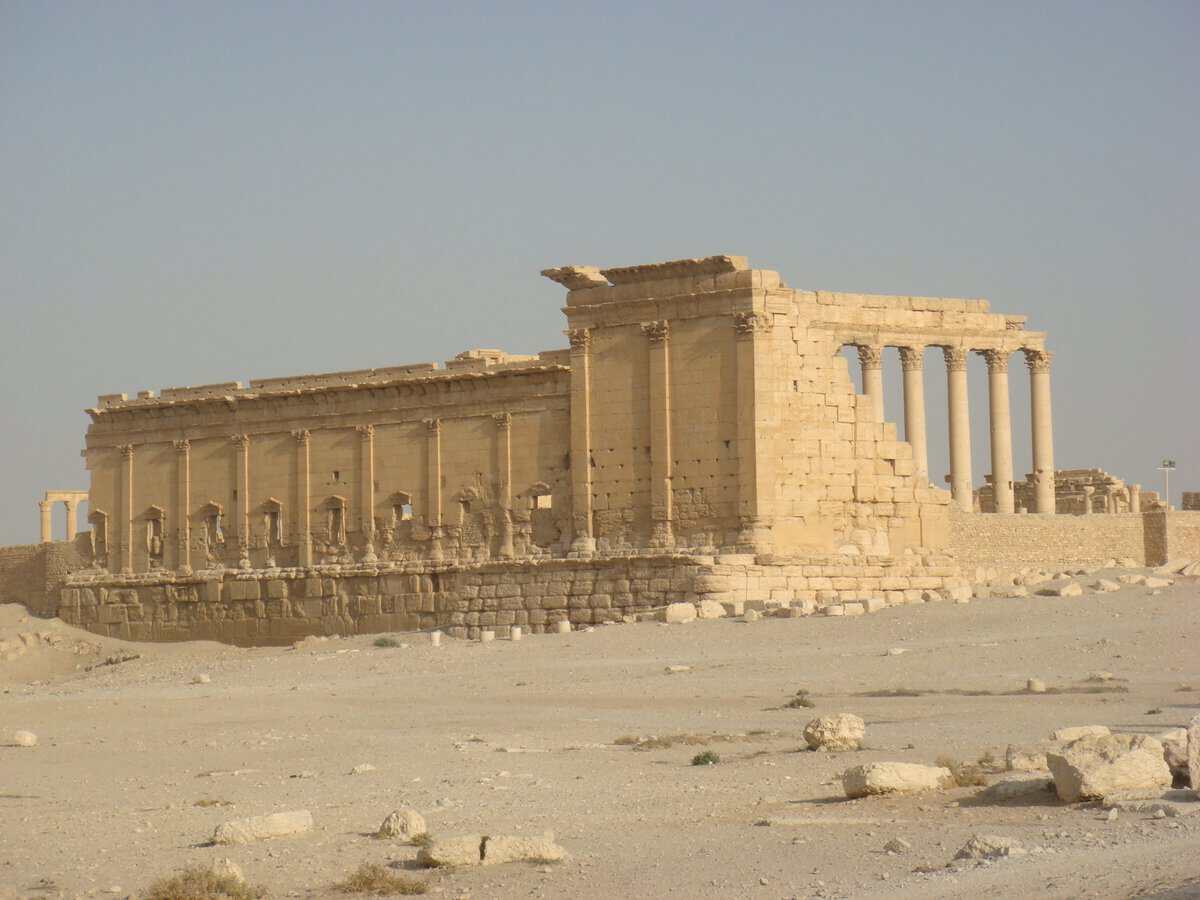
Temple of Bel stood at the heart of one of the ancient world’s most important desert cities.
Dedicated to the god Bel, the temple served as a major religious center for travelers, merchants, and local communities.
Many people believed the gods could reveal their intentions through ceremonies and sacred observations conducted at the site.
The temple became a meeting point between different cultures, blending traditions from across the ancient Near East.
8. The Temple of Ishtar at Nineveh, Iraq
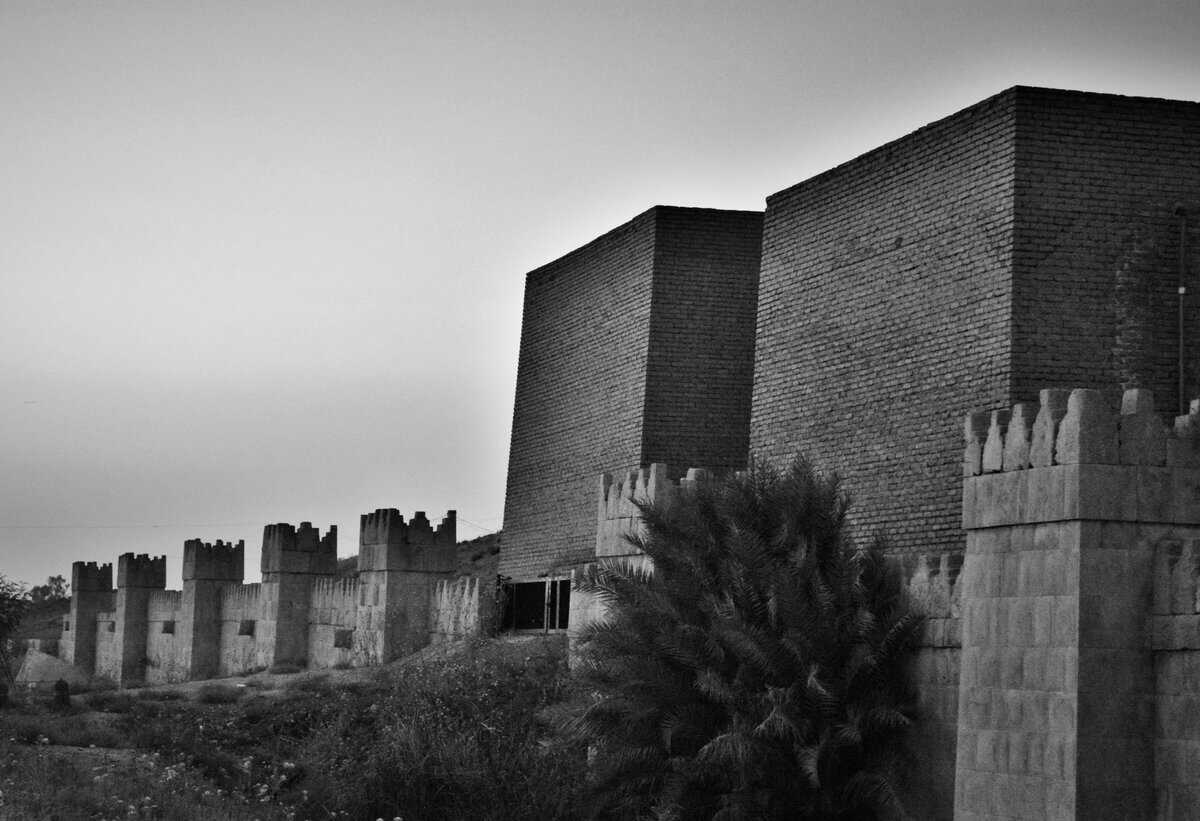
Temple of Ishtar at Nineveh was dedicated to Ishtar, one of Mesopotamia’s most important deities.
Ancient rulers often sought signs and prophecies connected to Ishtar before military campaigns and major political decisions.
Priests interpreted dreams, celestial events, and ritual observations as messages from the goddess.
The temple played a significant role in the spiritual life of powerful Mesopotamian kingdoms.
Its connection to prophecy made it one of the region’s most respected sacred sites.
9. The Temple of Marduk in Babylon, Iraq
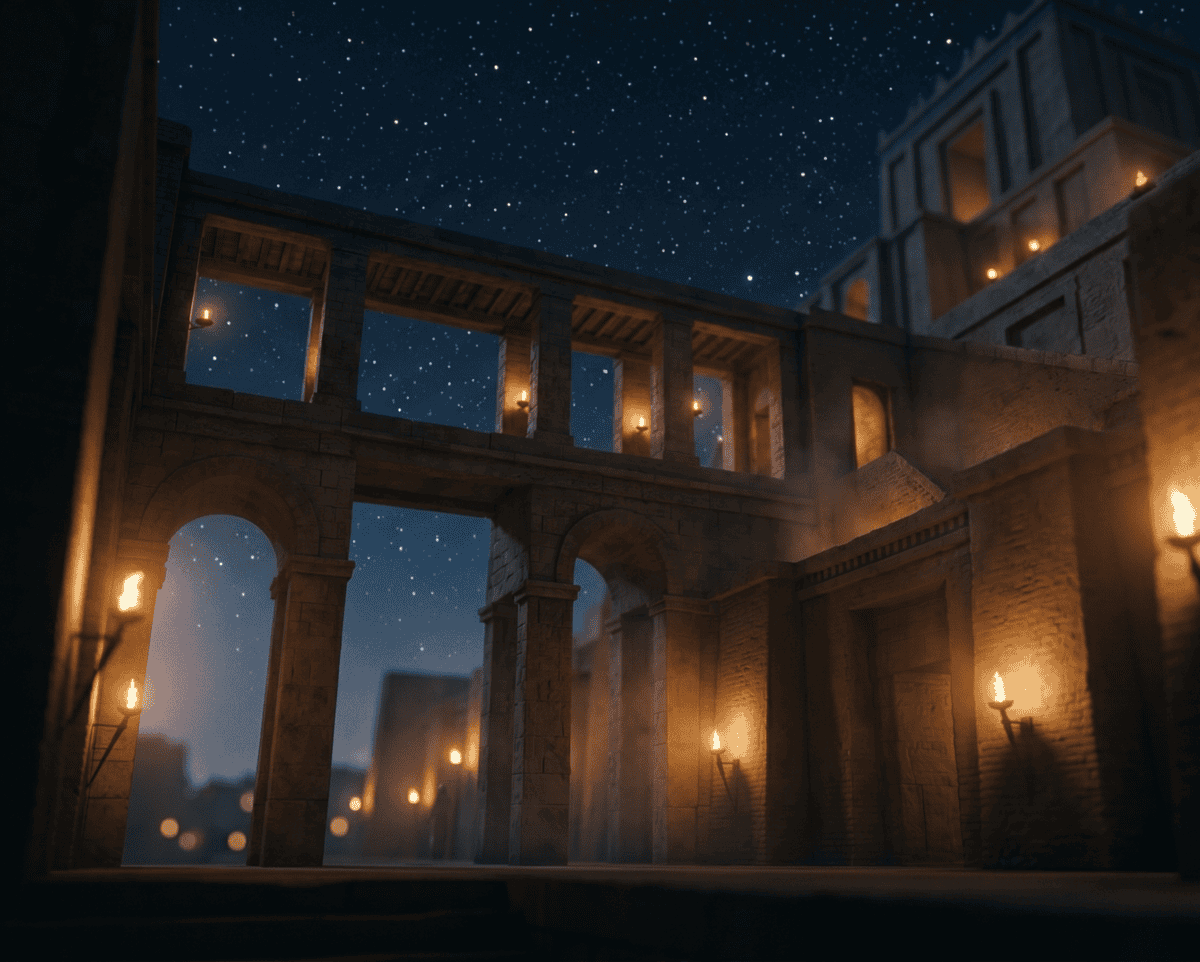
Esagila was the great temple dedicated to the god Marduk.
Babylonian priests carefully observed the stars, planets, eclipses, and other celestial events.
These observations were often interpreted as divine messages concerning the future.
Kings relied heavily on these predictions when making political and military decisions.
The temple became a center of both religion and early astronomical study.
Its prophetic traditions influenced Mesopotamian culture for centuries and helped shape the ancient world’s understanding of divine signs.
10. The Temple of Hathor at Dendera, Egypt
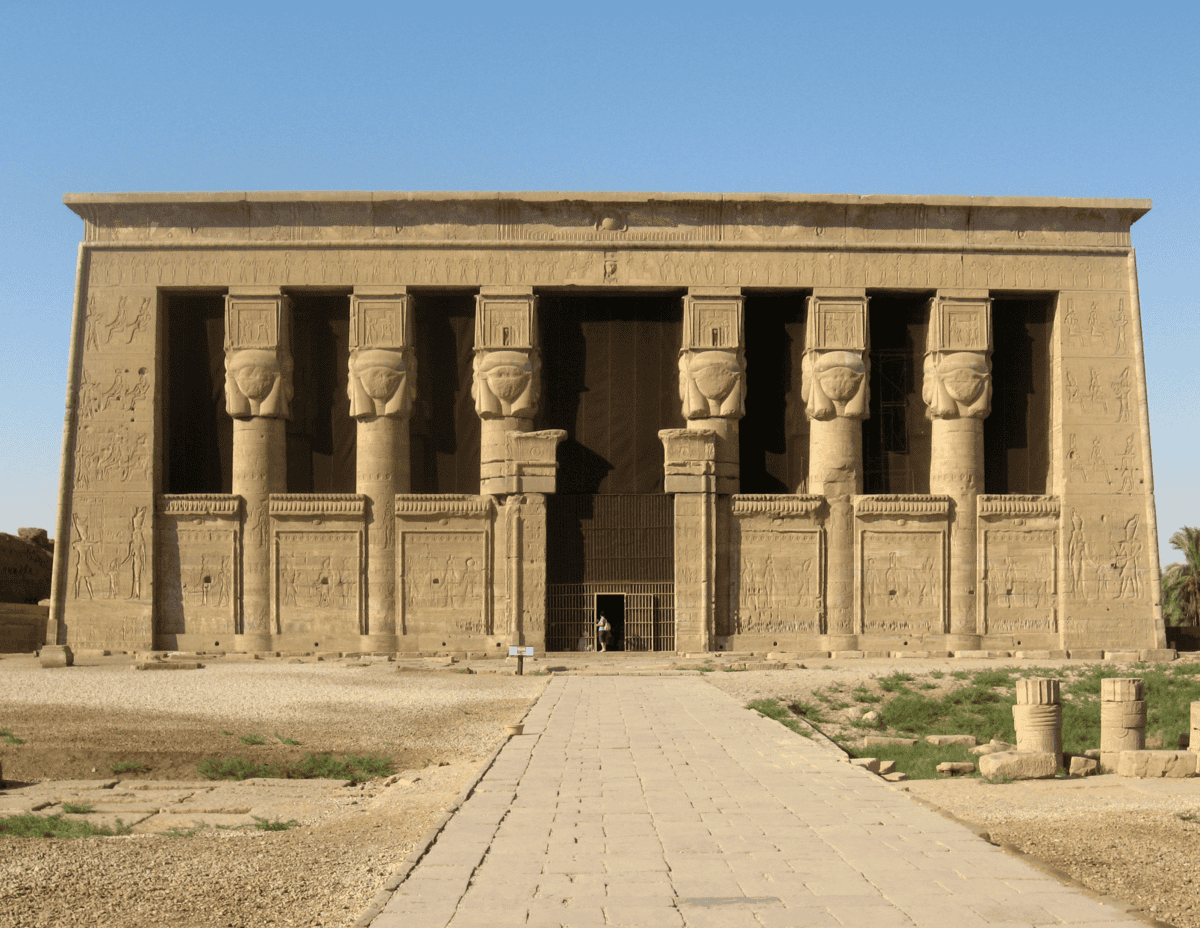
Temple of Hathor was dedicated to the goddess Hathor, who was associated with love, joy, motherhood, and celestial wisdom.
The temple contains remarkable astronomical imagery and sacred symbolism connected to the heavens.
Pilgrims visited seeking blessings, guidance, and spiritual insight.
Priests interpreted rituals, dreams, and symbolic events as messages from the divine realm.
The temple’s beautiful carvings and sacred chambers reveal how closely ancient Egyptians connected the stars, the gods, and the future.
Its legacy continues to fascinate historians, archaeologists, and spiritual seekers today.

I always felt a strong connection to the Divine since my birth. As an author and mentor, my mission is to help others find love, happiness, and inner strength in the darkest of times.