
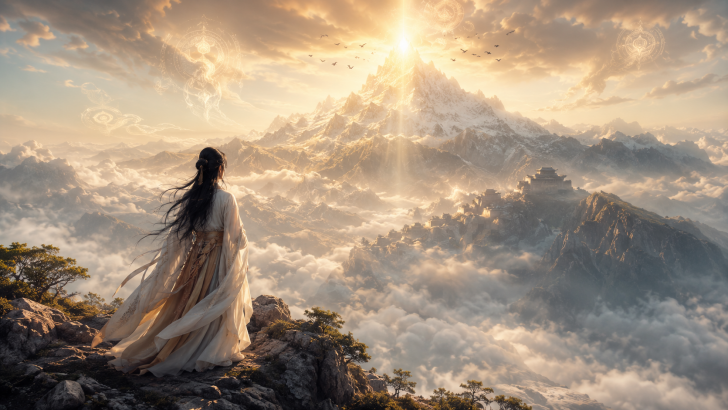
Across countless cultures, mountains have been seen as places where heaven and earth meet.
Their towering peaks rise above the ordinary world, inspiring awe, mystery, and a sense of connection to something greater.
Ancient prophets, monks, shamans, and pilgrims often traveled to mountains in search of wisdom, visions, or encounters with the divine.
Some mountains became associated with gods and goddesses. Others were linked to miracles, revelations, sacred journeys, or important moments in religious history.
Even today, many of these peaks continue to attract pilgrims, spiritual seekers, and travelers from around the world.
Whether viewed through faith, mythology, or history, these mountains have played a powerful role in shaping human spirituality.
Here are ten real mountains that remain connected to remarkable spiritual events and traditions.
1. Mount Sinai, Egypt
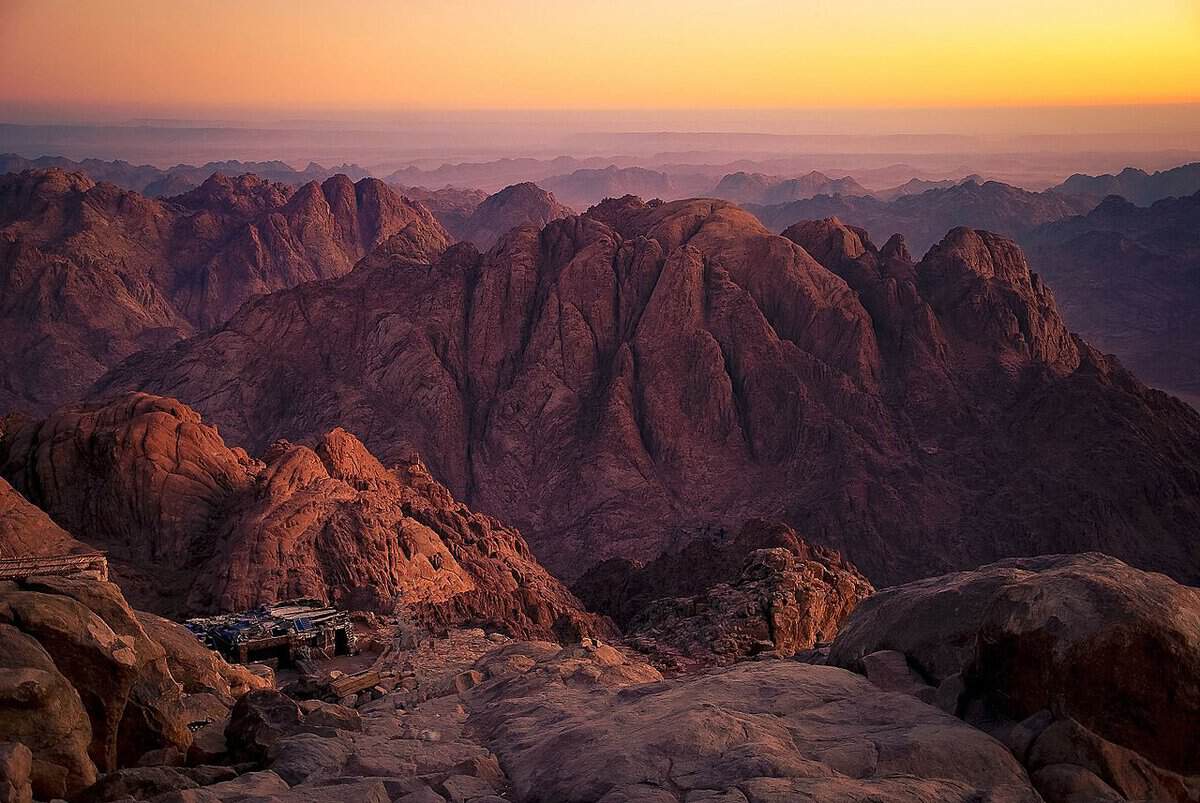
Mount Sinai is one of the most famous sacred mountains in the world. According to biblical tradition, this is where Moses received the Ten Commandments from God.
The mountain has been revered for thousands of years by Jews, Christians, and Muslims alike.
Pilgrims often climb its slopes before sunrise to witness the dramatic view from the summit.
The rugged landscape creates a powerful atmosphere that helps visitors imagine the significance of the events associated with the mountain.
Its connection to divine revelation has made it one of the most important spiritual destinations in history.
2. Mount Kailash, Tibet
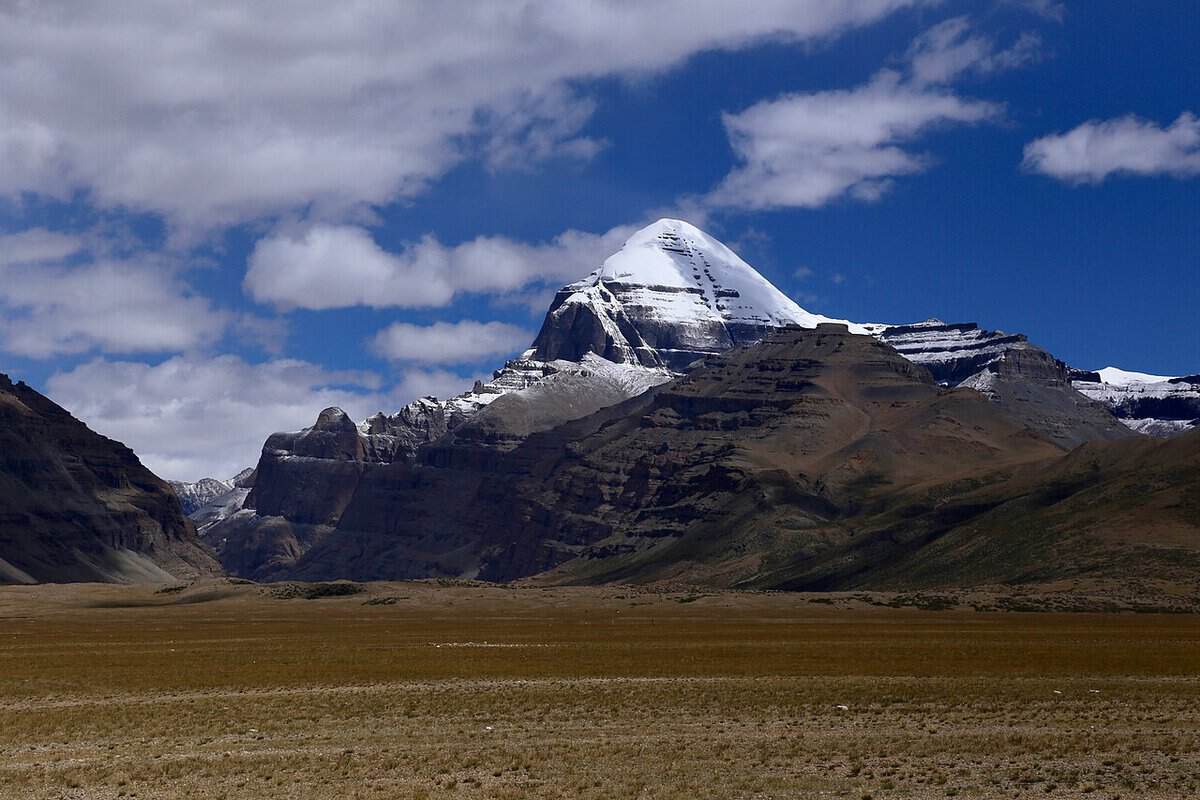
Mount Kailash is considered sacred in several major religions, including Hinduism, Buddhism, Jainism, and Bon.
Many Hindus believe it is the dwelling place of Shiva. Unlike most famous mountains, climbers do not attempt to reach its summit out of respect for its sacred status.
Instead, pilgrims walk around the mountain in a ritual journey known as a pilgrimage circuit.
For many believers, completing this journey is a deeply spiritual experience of purification and transformation.
Its striking appearance only adds to its reputation as one of the world’s most sacred mountains.
3. Mount Olympus, Greece
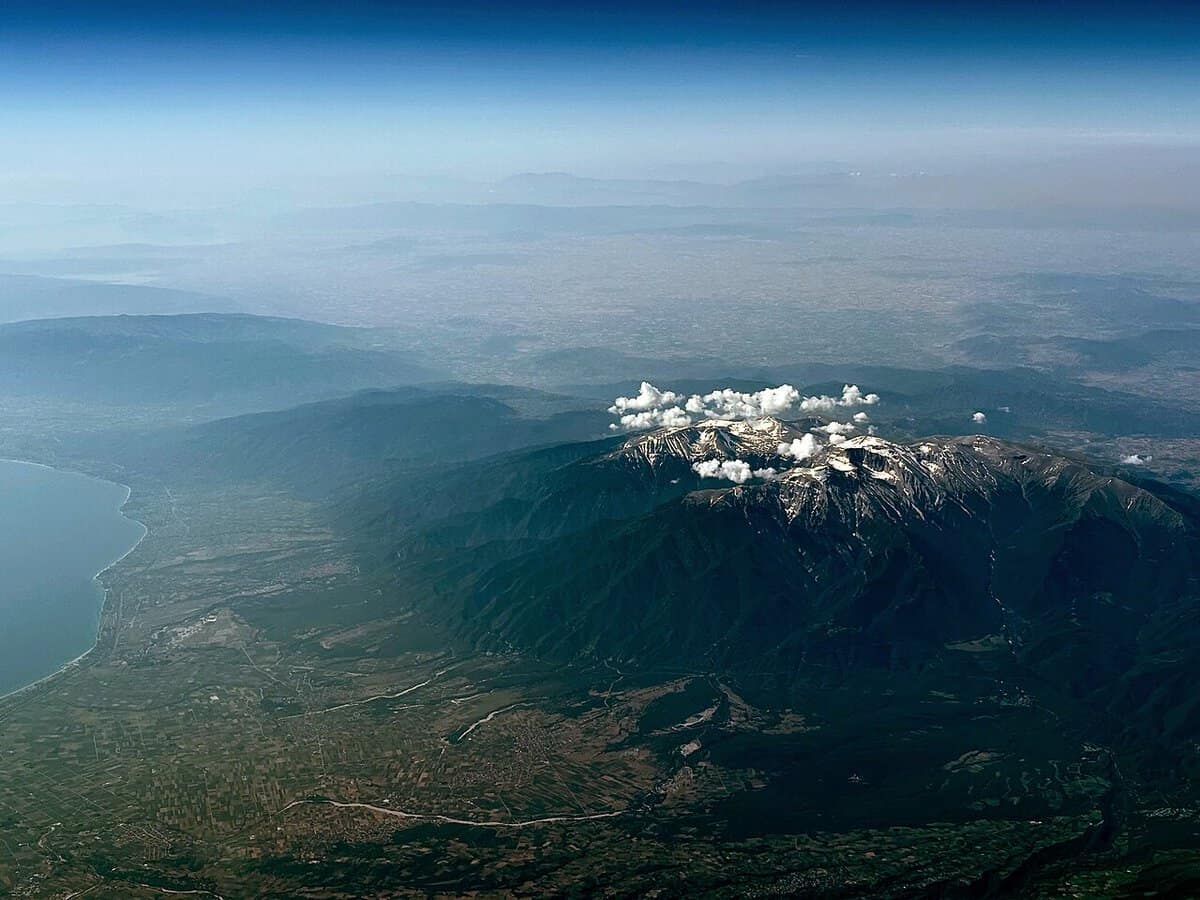
Mount Olympus occupies a special place in Greek mythology. Ancient Greeks believed it was the home of the Olympian gods, including Zeus, Hera, and Athena.
Its cloud-covered peaks helped inspire the belief that divine beings lived above the human world.
Although mythology and history are different things, the mountain remains an important symbol of ancient spiritual imagination.
Visitors today can still experience the dramatic scenery that inspired some of the most famous myths ever told.
4. Mount Fuji, Japan
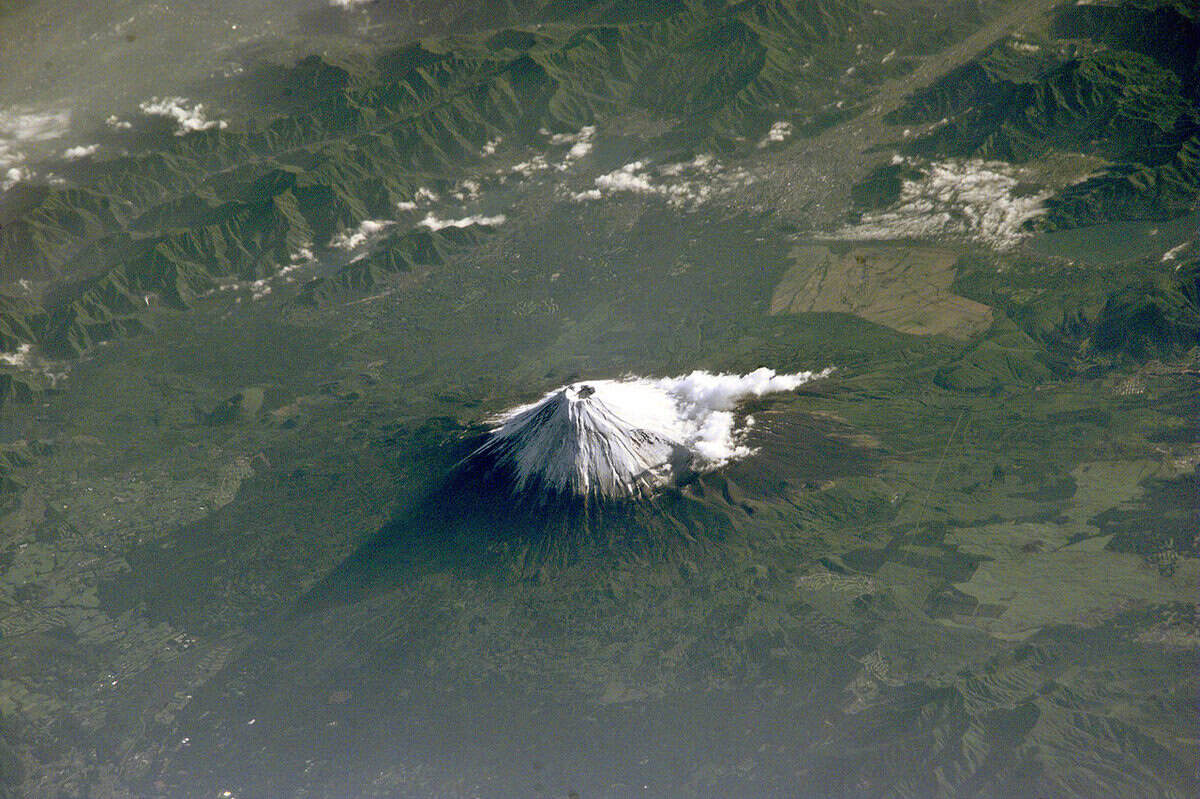
Mount Fuji has long been regarded as a sacred mountain in Japanese culture.
Its nearly perfect shape has inspired artists, poets, and spiritual practitioners for centuries.
The mountain is closely connected to Shinto beliefs and also holds significance within Japanese Buddhism.
Pilgrims have climbed Mount Fuji for generations as part of spiritual journeys and acts of devotion.
The mountain symbolizes purity, endurance, and the connection between nature and the sacred.
Its iconic beauty continues to inspire both religious visitors and travelers from around the world.
5. Croagh Patrick, Ireland
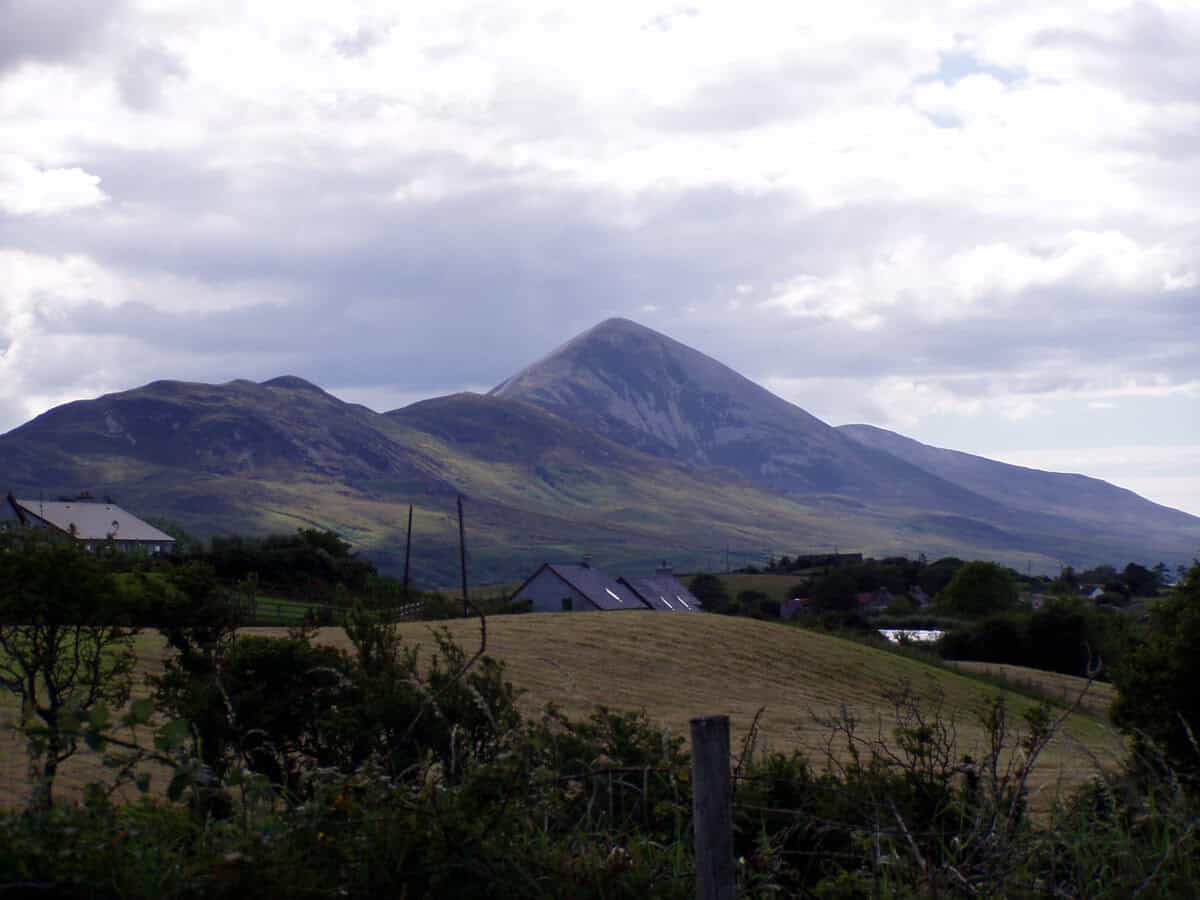
Croagh Patrick is one of Ireland’s most important pilgrimage sites. According to tradition, Saint Patrick spent forty days fasting and praying on the mountain.
Each year, thousands of pilgrims make the climb as an act of faith and devotion.
The mountain offers sweeping views of the surrounding landscape, adding to its spiritual atmosphere.
For many visitors, the journey is just as meaningful as reaching the summit itself.
Its connection to Ireland’s religious history has endured for more than a thousand years.
6. Mount Athos, Greece
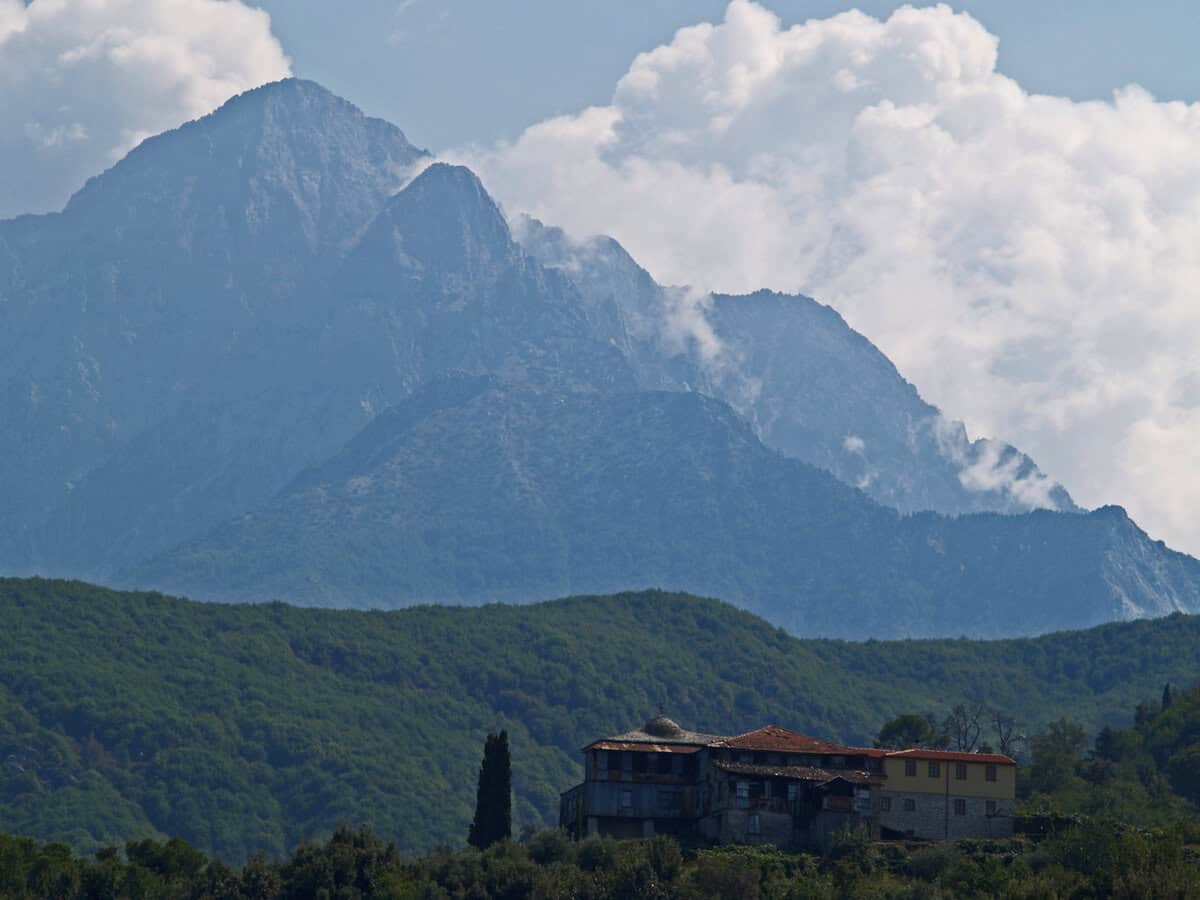
Mount Athos is often called the Holy Mountain. For more than a thousand years, it has been home to Eastern Orthodox monasteries and monastic communities.
The entire peninsula is considered a unique spiritual center dedicated to prayer, contemplation, and religious life.
Monks from many countries live there, preserving traditions that stretch back centuries.
The mountain remains one of the most important locations in Eastern Orthodox Christianity and continues to attract pilgrims seeking spiritual reflection.
7. Adam’s Peak, Sri Lanka
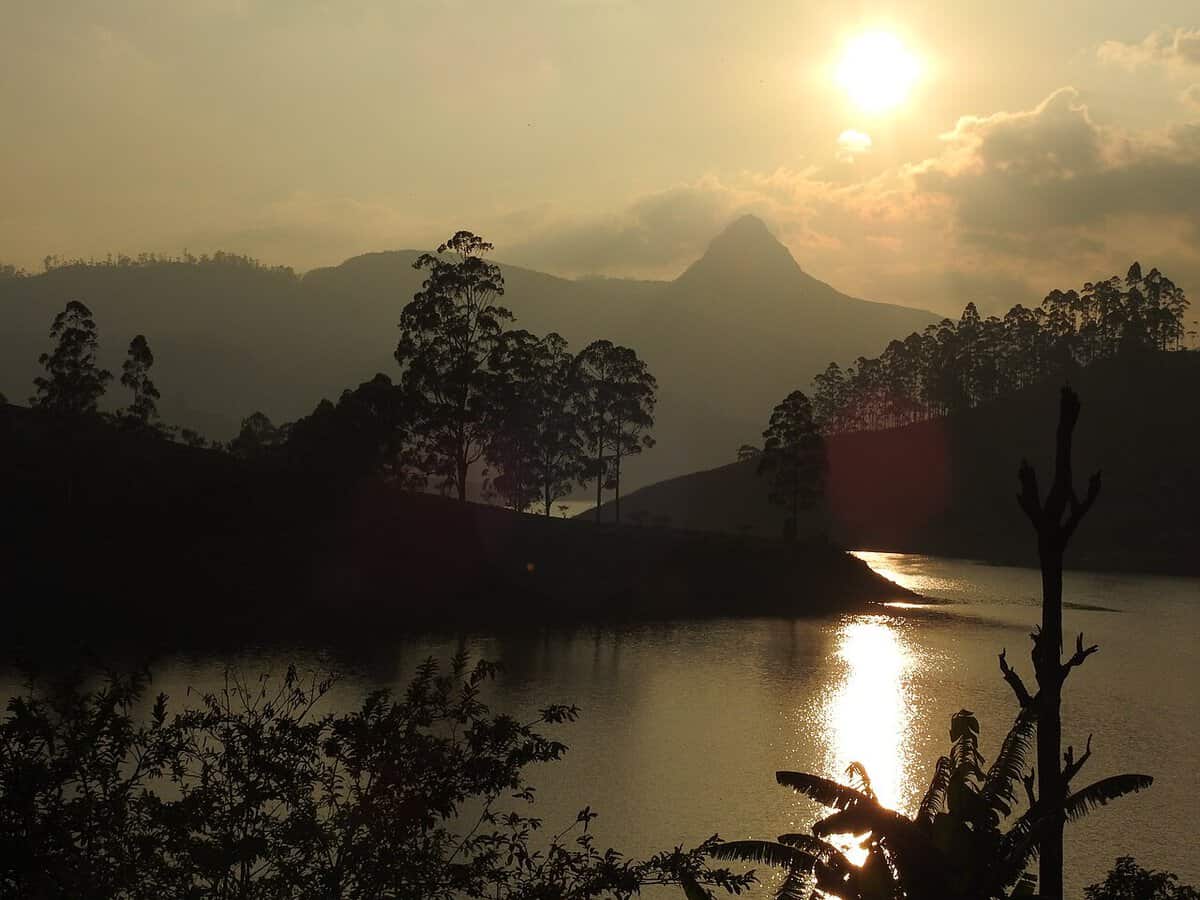
Adam’s Peak is remarkable because several religions consider it sacred. Near its summit is a footprint-shaped depression that different traditions interpret in different ways.
Buddhists associate it with Buddha, while Hindus connect it to Shiva. Muslims and Christians have traditions linking it to Adam.
For centuries, pilgrims from different faiths have climbed the mountain, creating a rare example of a sacred site shared across multiple religious traditions.
8. Mount Taranaki, New Zealand
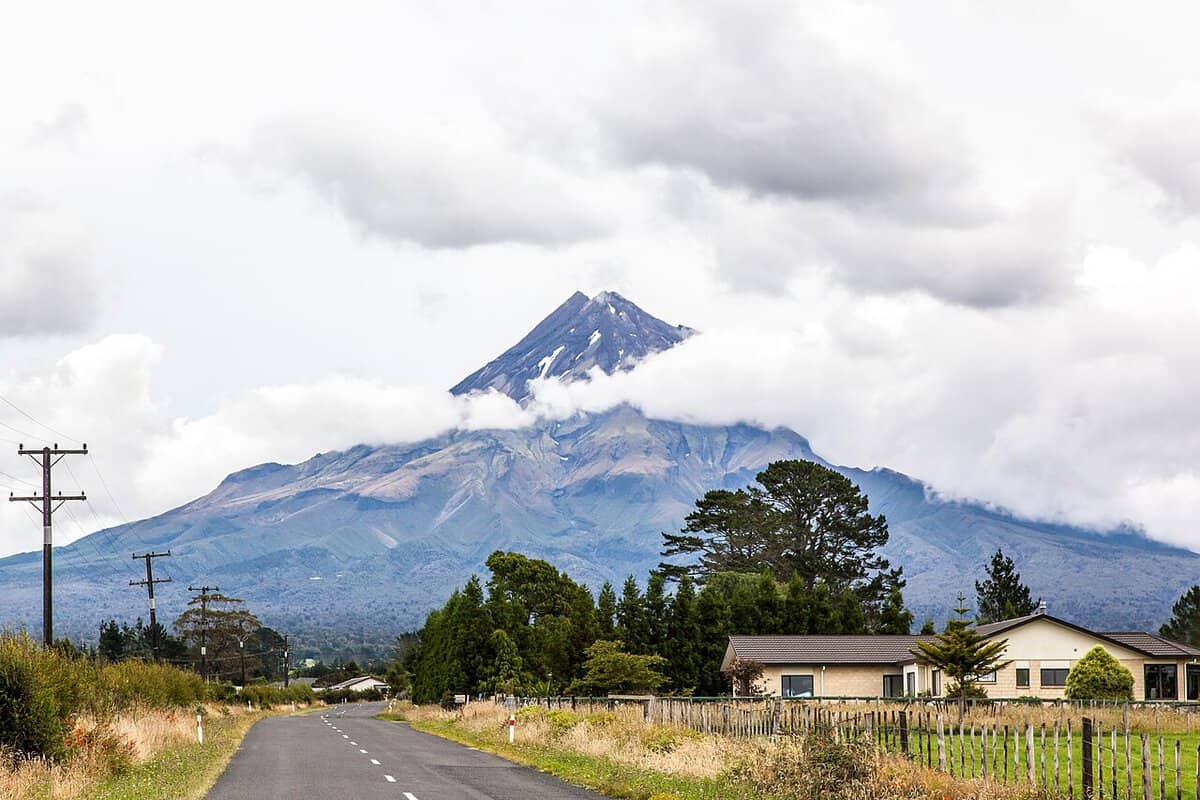
Mount Taranaki holds deep spiritual significance for the Māori people.
The mountain is viewed not simply as a landscape feature but as a living ancestor with its own identity and spiritual importance.
Many Māori stories describe relationships between mountains as if they were living beings with emotions and histories.
This perspective reflects a profound connection between spirituality, community, and the natural world.
Today, Mount Taranaki remains an important cultural and sacred symbol in New Zealand.
9. Mount Ararat, Turkey
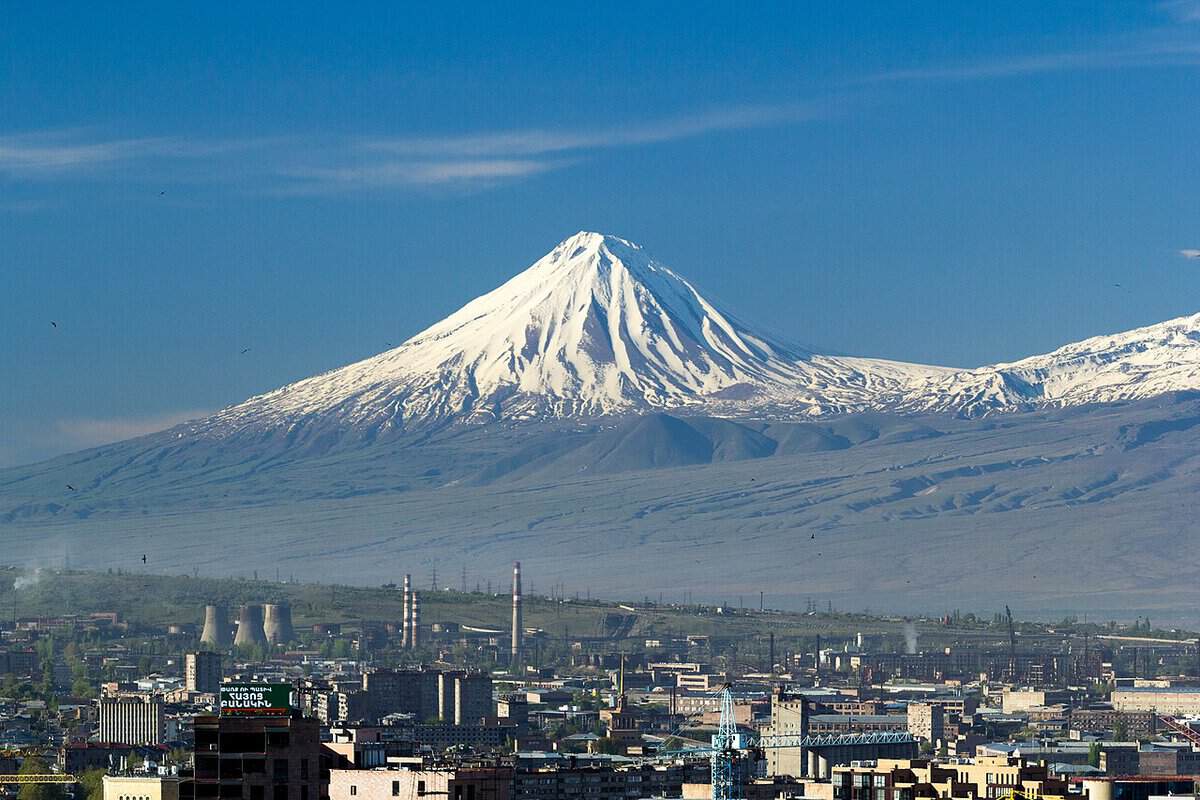
Mount Ararat is traditionally associated with the story of Noah and the Ark.
Although the Bible does not identify the mountain by name, later traditions connected Ararat with the place where the Ark came to rest after the flood.
Its snow-covered peak dominates the surrounding landscape and has inspired fascination for centuries.
The mountain takes an important place in religious tradition, cultural identity, and historical imagination.
Its dramatic appearance makes it easy to understand why so many legends became attached to it.
10. Uluru, Australia
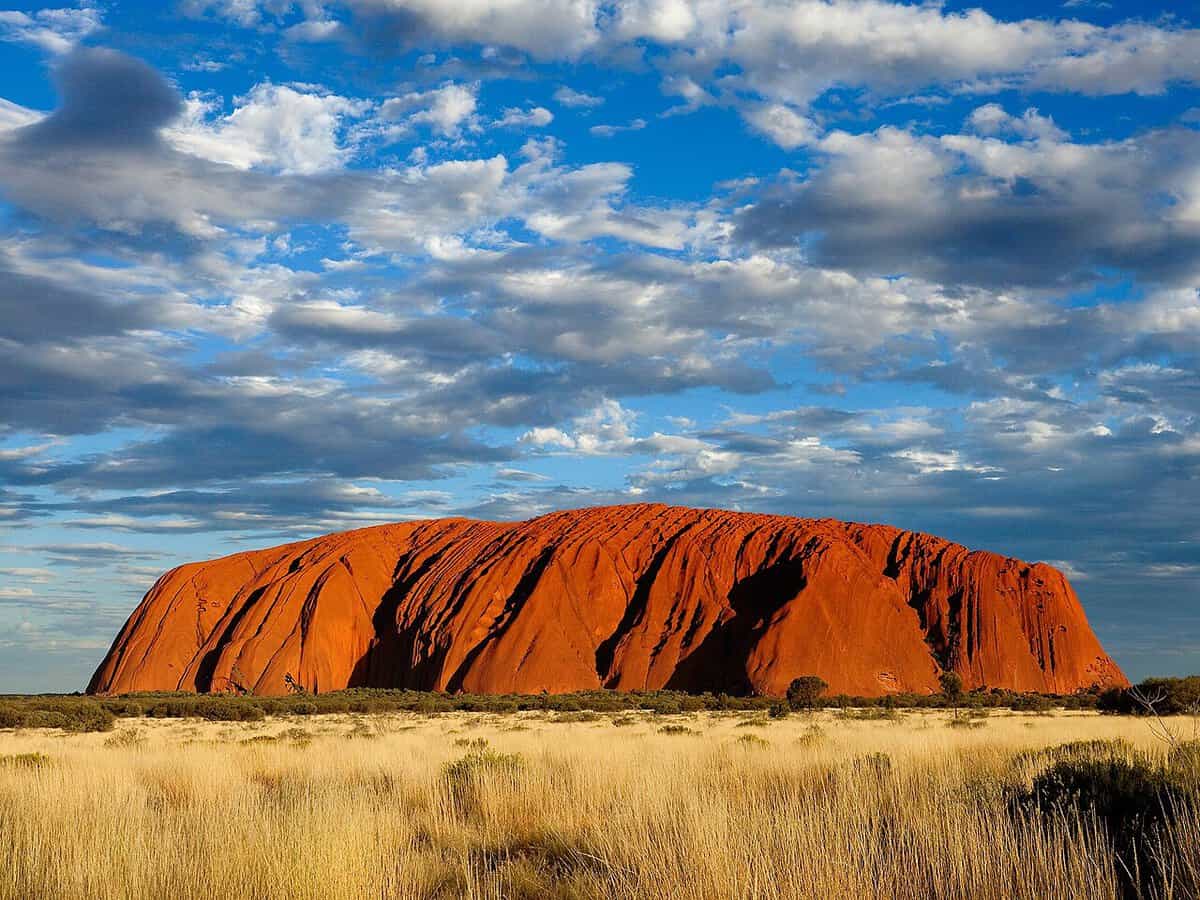
Although often called a rock formation rather than a mountain, Uluru deserves a place among the world’s most sacred elevated landscapes.
For the Anangu people, Uluru is deeply connected to ancestral stories, spiritual law, and creation traditions.
Many locations around the formation are linked to sacred events described in Dreaming narratives.
Visitors are encouraged to respect its cultural and spiritual significance.
Uluru reminds us that sacred landscapes are found in many forms and that spiritual meaning often grows from a deep relationship between people, place, and tradition.
These mountains continue to stand as powerful reminders of humanity’s enduring search for meaning.
Rising above forests, deserts, and valleys, they have inspired myths, prayers, pilgrimages, and spiritual experiences for thousands of years.

I always felt a strong connection to the Divine since my birth. As an author and mentor, my mission is to help others find love, happiness, and inner strength in the darkest of times.