

Have you ever wondered who ruled beside the god of the underworld in Roman mythology?
While Pluto is often remembered as the ruler of the realm of the dead, he was not alone.
By his side stood Proserpina, one of the most fascinating goddesses in Roman mythology. Her story is filled with mystery, loss, transformation, and renewal.
Proserpina was associated with both life and death, making her a unique figure among the Roman gods.
Her famous myth helped explain the changing seasons and became one of the most important stories in the ancient world.
Although her tale contains moments of sadness, it also carries themes of hope, growth, and the cycle of nature.
Here are eight interesting things to know about Proserpina, the Roman queen of the underworld.
1. She Was the Daughter of Ceres

Proserpina was the beloved daughter of Ceres, the Roman goddess of agriculture and harvest.
Before becoming queen of the underworld, she was often associated with youth, flowers, and the beauty of nature.
Ancient stories describe her spending time in meadows gathering blossoms and enjoying the natural world. She represented the freshness and vitality of spring.
Because Ceres was responsible for the fertility of the earth, the bond between mother and daughter was especially important.
Their relationship became the emotional center of Proserpina’s most famous myth.
The strong connection between them helped explain why her disappearance affected not only her family but also the entire world.
2. Pluto Took Her to the Underworld

The most famous event in Proserpina’s story began while she was gathering flowers.
According to Roman mythology, Pluto, the ruler of the underworld, saw her and decided to make her his queen.
Without warning, he emerged from the earth in his chariot and carried her away to his dark kingdom.
This dramatic moment became one of the best-known scenes in Roman mythology. The story was both tragic and powerful.
It marked the end of Proserpina’s carefree life and the beginning of her role as a ruler of the underworld.
Her journey transformed her from a maiden of spring into one of the most important figures in the Roman divine world.
3. Her Mother Searched for Her Everywhere
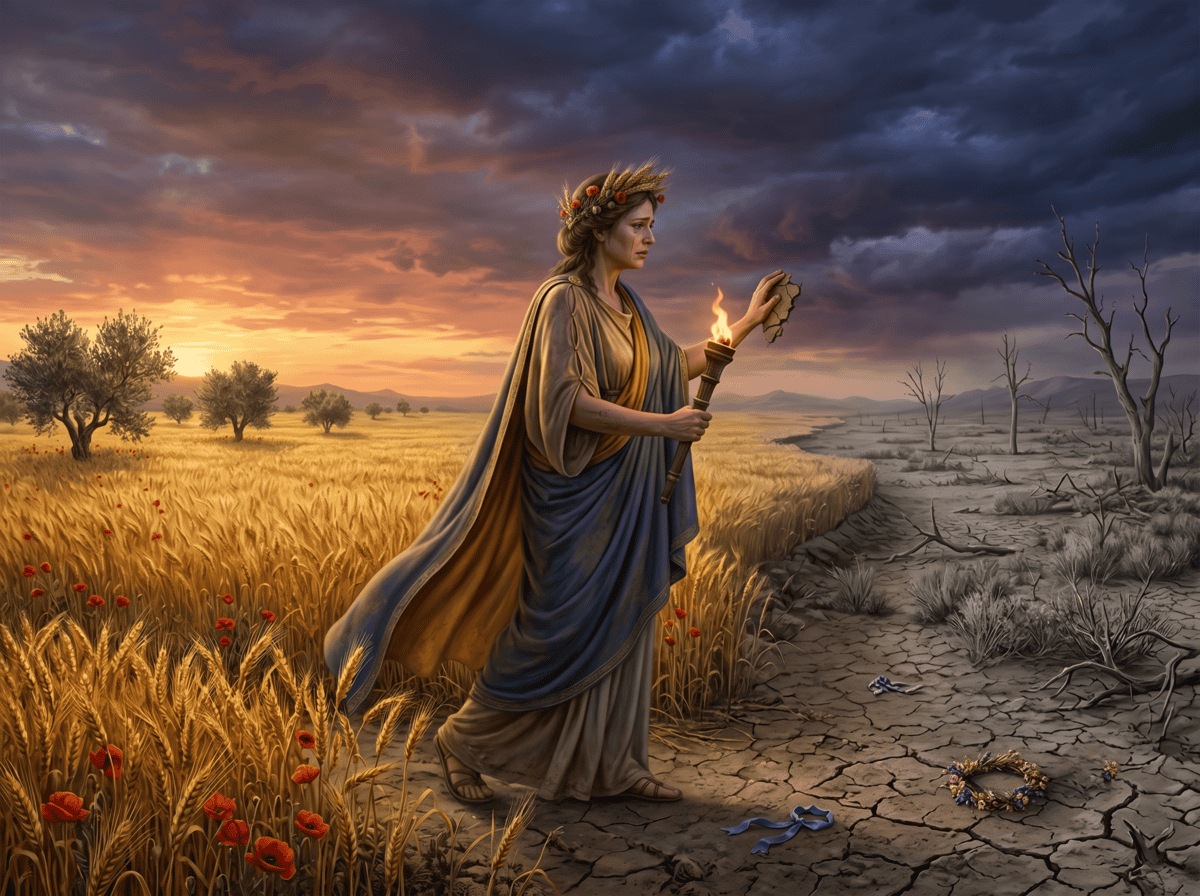
When Ceres discovered that her daughter had vanished, she was devastated. She traveled across the world searching for Proserpina.
Ancient poets describe her wandering endlessly while refusing to give up hope. As her grief grew, Ceres neglected her duties as goddess of agriculture.
Plants stopped growing, crops failed, and the earth became barren. The suffering spread throughout the human world.
This part of the myth highlights the strength of a mother’s love and the deep emotional connection between the two goddesses.
Their story remains one of the most touching relationships found in Roman mythology.
4. Her Story Explained the Seasons

The myth of Proserpina served as the Roman explanation for the changing seasons.
After learning what had happened, the gods arranged for Proserpina to spend part of the year with Pluto and part with her mother.
Whenever she returned to Ceres, the earth became fertile and green. Flowers bloomed, crops grew, and warmth returned to the land.
When she went back to the underworld, Ceres mourned once again. The Earth became colder and less productive.
This cycle helped ancient Romans understand why nature changes throughout the year.
5. The Pomegranate Changed Her Fate
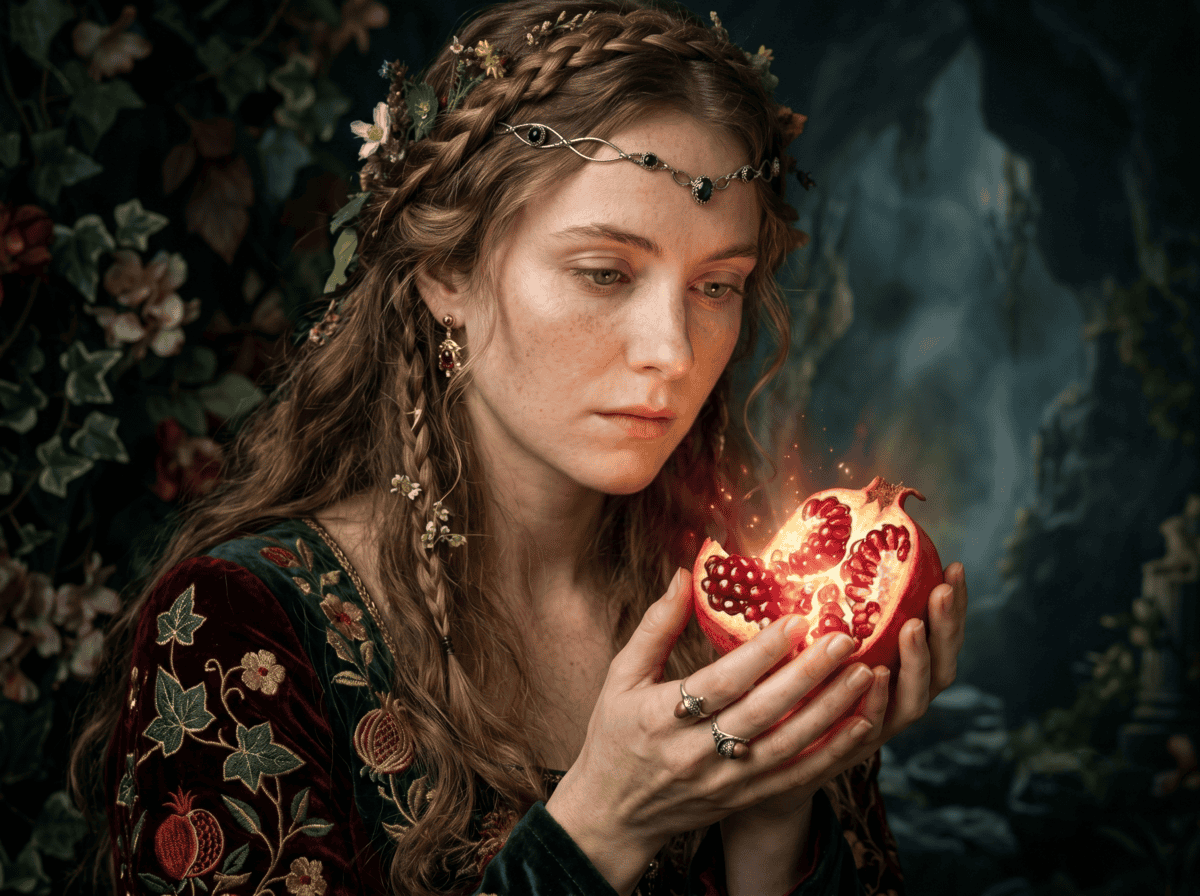
Just when it seemed Proserpina would return permanently to her mother, an important detail changed everything.
While in the underworld, she ate pomegranate seeds. In ancient mythology, eating food from the underworld created a bond with that realm.
Because she had eaten the seeds, she could not leave forever. This small act shaped the future of both Proserpina and the world itself.
The pomegranate became one of the most famous symbols in mythology.
Its role in the story reminds us how even a seemingly small choice can have lasting consequences.
6. She Became Queen of the Underworld

Although Proserpina’s story began with loss, she eventually became much more than a captive figure.
She was honored as the queen of the underworld and ruled alongside Pluto.
This position gave her immense authority within one of the most powerful realms in Roman mythology.
Over time, she became associated with transformation and the mysteries of life and death.
Her role reflected the idea that endings and beginnings are often connected. As queen, she held a unique place among the Roman gods.
Her influence extended across both the world of the living and the world of the dead.
7. She Was the Roman Version of Persephone

Proserpina shares many similarities with the Greek goddess Persephone.
As Roman culture absorbed Greek influences, many myths were adapted and retold. The stories of Persephone and Proserpina are nearly identical in many ways.
Both were daughters of agricultural goddesses, both were taken to the underworld, and both became queens beside its ruler.
Despite these similarities, Proserpina became an important figure within Roman religion and culture.
Generations of Romans embraced her story and became deeply woven into their mythology.
8. She Symbolized Renewal and Transformation

One reason Proserpina’s story has survived for so long is its powerful symbolism.
Her journey between the underworld and the earth reflects cycles that people observe throughout nature.
Seeds disappear beneath the soil before new plants emerge. Winter gives way to spring.
Periods of loss are often followed by renewal. Because of this, Proserpina became a symbol of transformation, growth, and new beginnings.
Her story reminded ancient people that change is a natural part of life. Even after difficult seasons, renewal eventually returns, just as spring follows every winter.

I always felt a strong connection to the Divine since my birth. As an author and mentor, my mission is to help others find love, happiness, and inner strength in the darkest of times.