
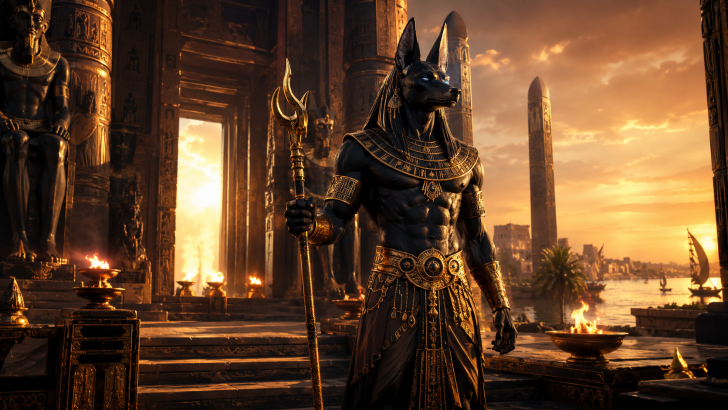
For the ancient Egyptians, death was not seen as the end of existence. Instead, it was the beginning of a journey into another world.
Because that journey was considered both important and dangerous, they believed powerful gods were needed to protect and guide the dead.
One of the most important of these gods was Anubis. Recognizable by his black jackal head and human body, Anubis became one of the most famous figures in Egyptian mythology.
He watched over tombs, protected the deceased, and played a crucial role in determining what happened to souls after death.
Although he is often associated with cemeteries and mummies, Anubis was not a god people feared. In many ways, he was a guardian whose purpose was to help and protect.
Here are eight fascinating facts about Anubis, Egypt’s guardian of the dead.
1. Anubis Was One of Ancient Egypt’s Oldest Gods
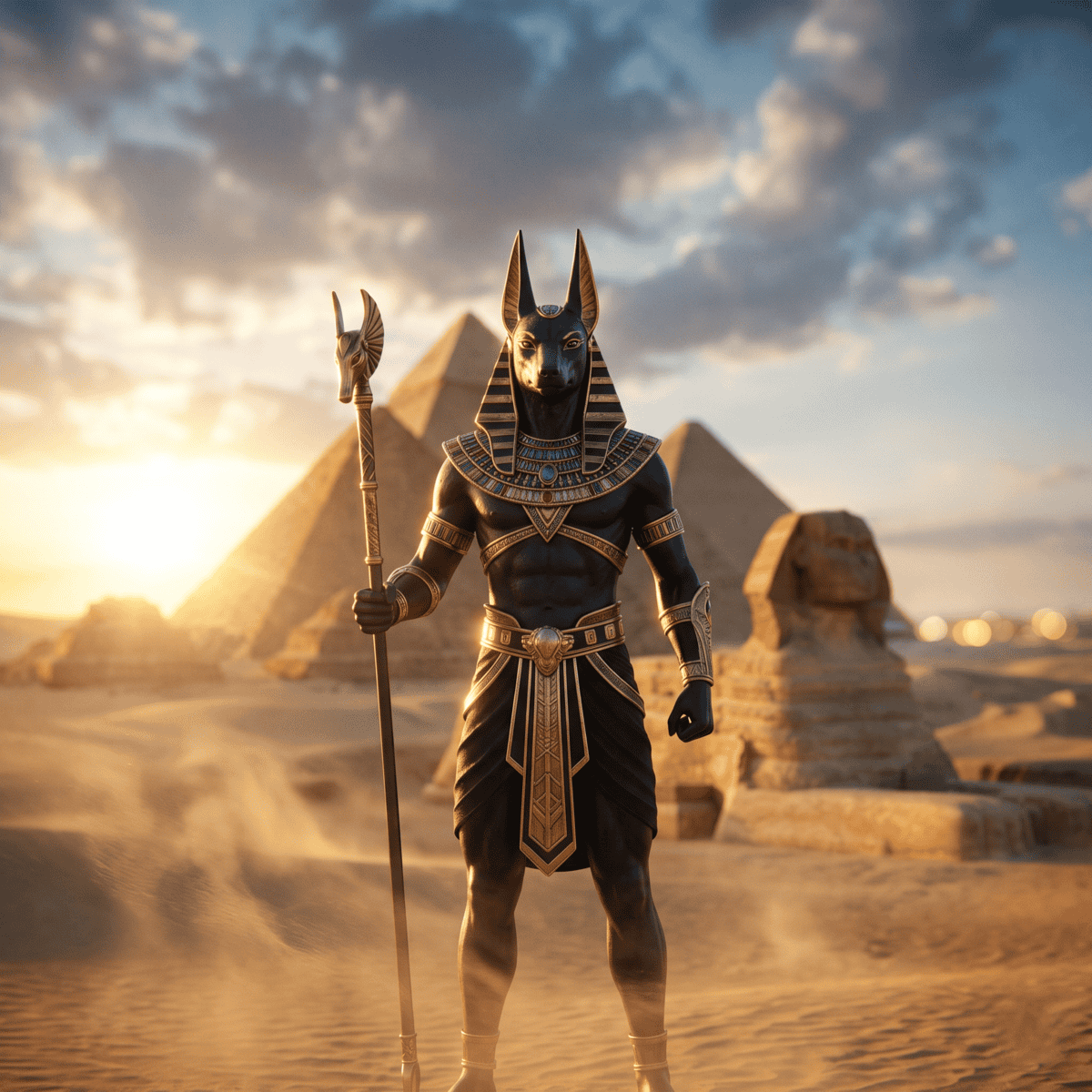
Long before many famous Egyptian gods became widely worshipped, Anubis already held an important place in Egyptian religion.
Some historians believe he was among the earliest deities associated with death and burial.
In fact, before Osiris became strongly connected with the afterlife, Anubis may have been the primary god overseeing the realm of the dead.
Imagine how many generations looked to Anubis for protection. For thousands of years, Egyptians included him in prayers, tomb decorations, and religious ceremonies.
His longevity reveals just how important he was to Egyptian society. While rulers, dynasties, and cities changed over time, Anubis remained a trusted figure whose role continued across centuries.
That lasting presence helped make him one of the most recognizable gods in all of Egyptian mythology.
2. He Is Famous for His Jackal Head
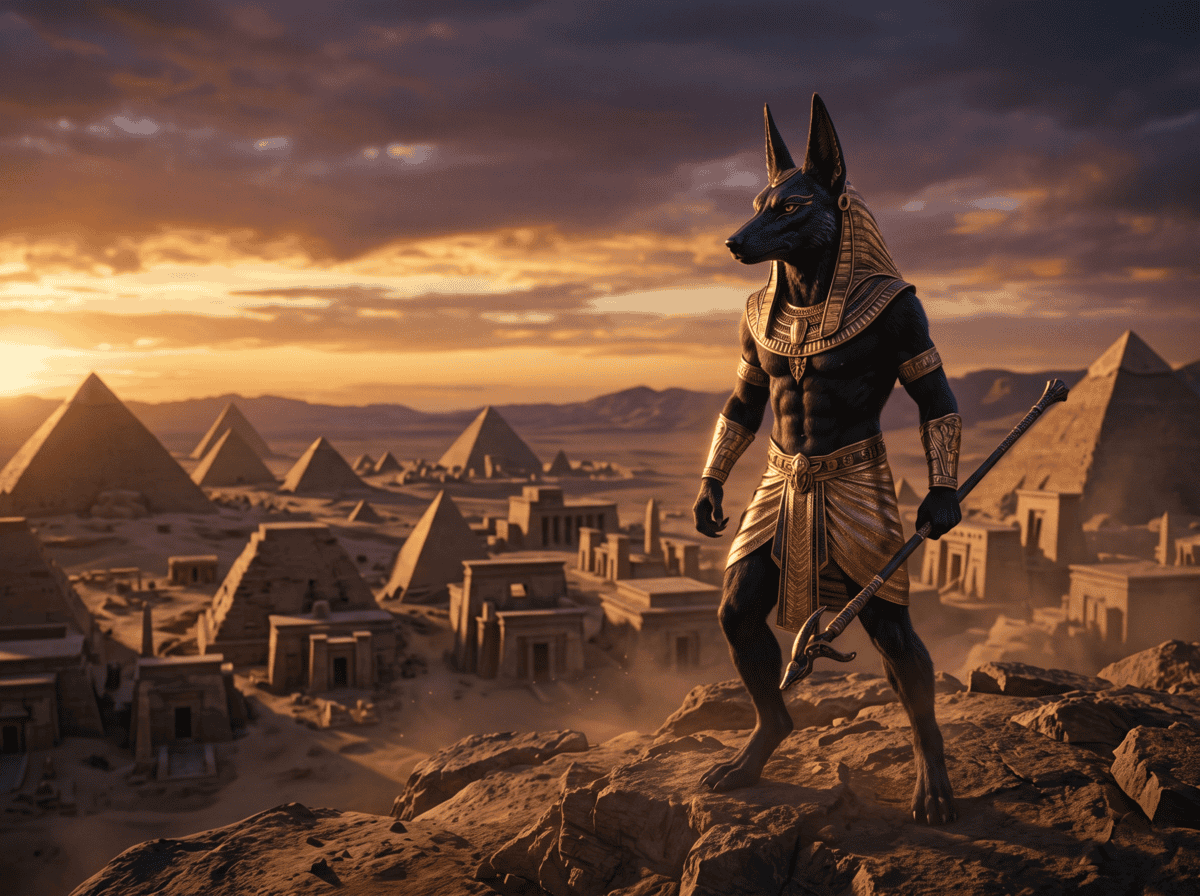
When most people picture Anubis, they immediately think of his distinctive appearance.
He is usually depicted as a man with the head of a jackal or sometimes as a full jackal resting near a tomb.
At first, that image might seem unusual. Why would a guardian of the dead be connected to a jackal?
The answer lies in the Egyptian landscape. Jackals were often seen wandering near cemeteries and burial grounds.
Because these animals frequently appeared around tombs, Egyptians associated them with death and the protection of the deceased.
Rather than viewing the jackal as frightening, they transformed its image into that of a divine guardian.
This unique appearance helped Anubis stand out among Egypt’s many gods and remains one of the reasons he is so easily recognized today.
3. His Black Color Had a Special Meaning

Many depictions of Anubis show him with black fur rather than the natural colors of a real jackal.
This was not an artistic mistake. The color black carried powerful symbolism in ancient Egypt.
While some cultures associate black primarily with death or darkness, Egyptians often linked it to fertility, renewal, and rebirth.
The rich black soil left behind by the Nile River helped crops grow and sustain life. As a result, black became a symbol of regeneration and new beginnings.
That meaning fits Anubis perfectly. His role was not simply connected to death. He helped prepare souls for the next stage of existence.
The color reminded people that death was part of a larger cycle rather than a final ending.
4. Anubis Protected Tombs and Cemeteries
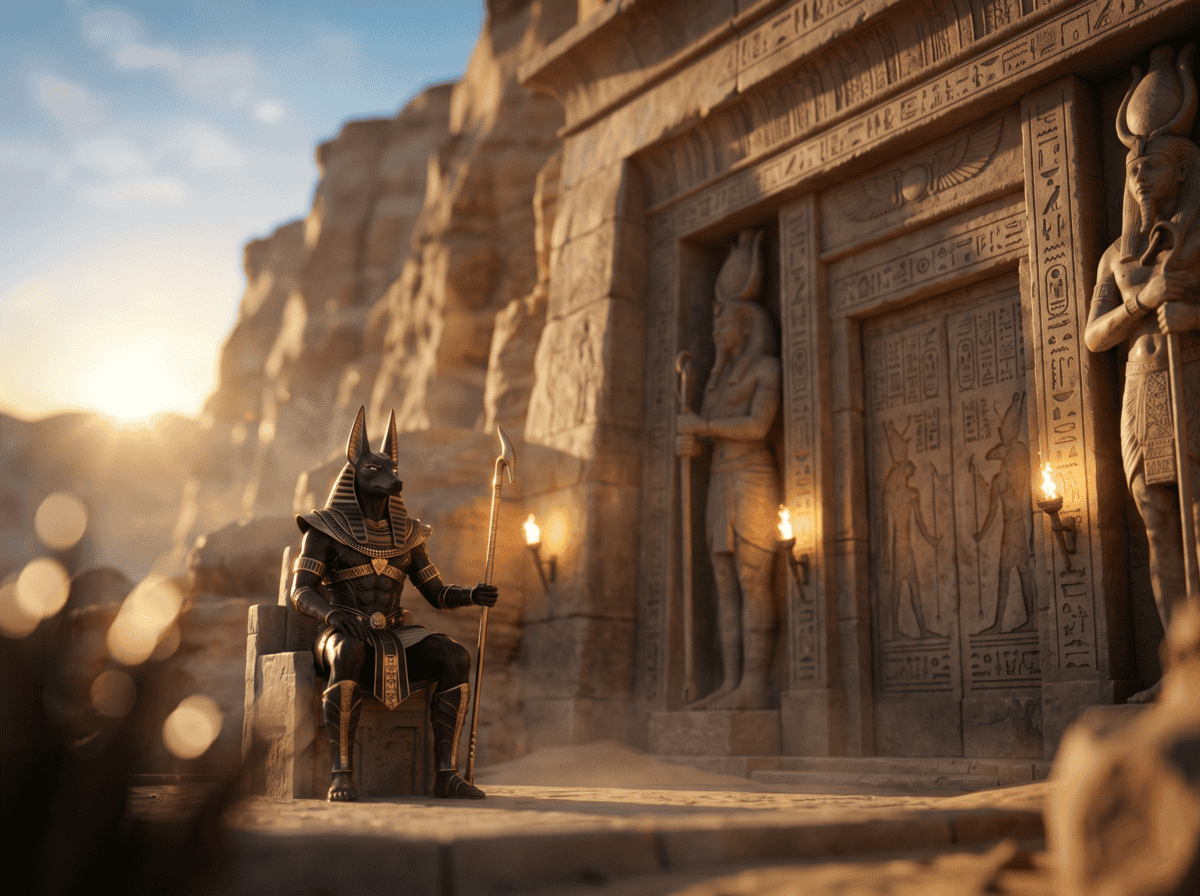
Protecting the dead was one of Anubis’s most important responsibilities.
Ancient Egyptians spent enormous effort preparing tombs because they believed the deceased would need their bodies and possessions in the afterlife.
Naturally, they wanted those tombs to remain safe. Anubis became the divine guardian of burial sites.
His image was often placed on coffins, tomb walls, and funerary objects to provide supernatural protection.
You can almost imagine a family taking comfort in the belief that a powerful god was watching over their loved one’s resting place.
This protective role helped make Anubis one of the most trusted figures in Egyptian religion.
Rather than bringing danger, he served as a defender who helped ensure the dead could continue their journey in peace.
5. He Played a Key Role in Mummification
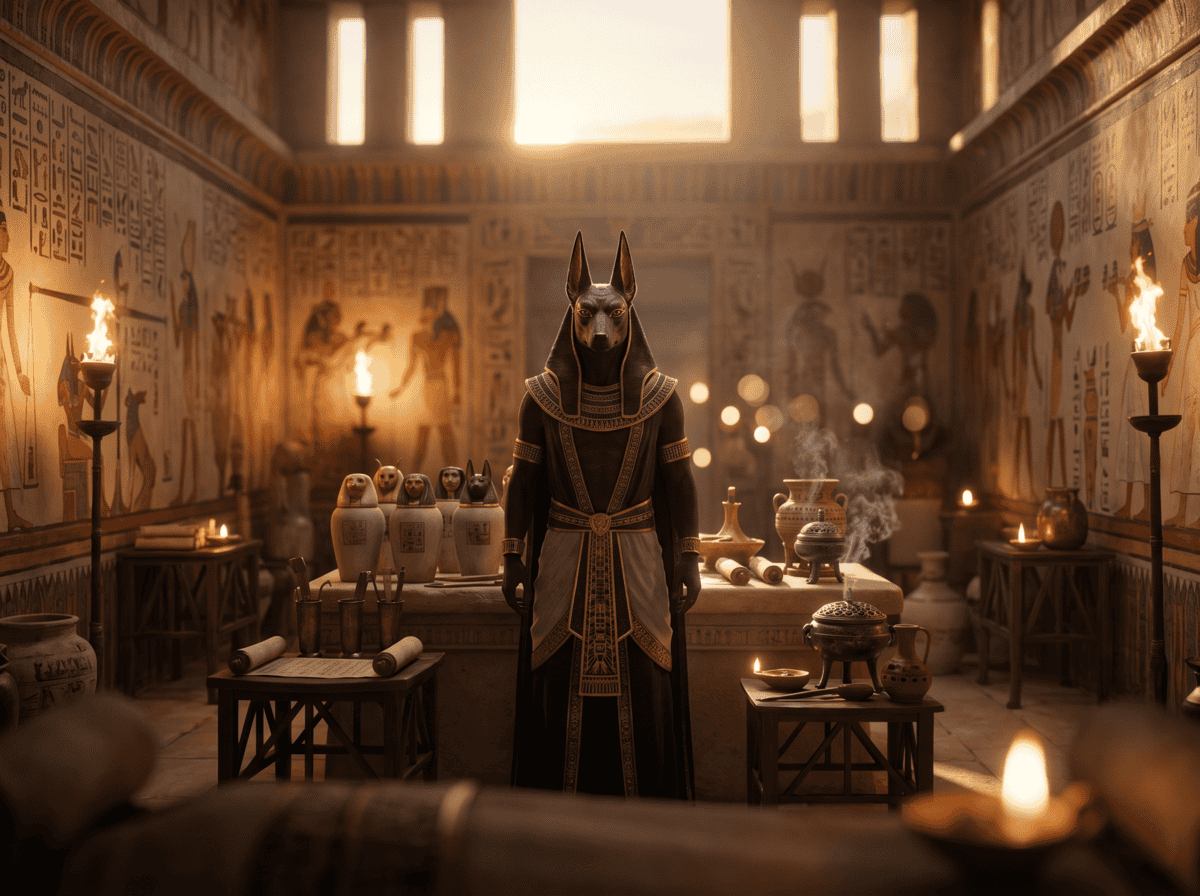
Few ancient Egyptian practices are as famous as mummification. The preservation of the body was considered essential.
The Egyptians believed the soul would need to recognize and return to it in the afterlife. Anubis became closely connected with this process.
Priests who performed mummification rituals sometimes wore masks resembling the jackal head. This symbolized the god’s presence during the ceremony.
Think about how important that would have felt. Families believed that Anubis himself was helping prepare their loved ones for eternity.
His connection to mummification reinforced his role as a guide and protector during one of life’s most significant transitions.
Because of this association, Anubis became one of the most important figures in Egyptian funeral traditions.
6. He Guided Souls Through the Afterlife
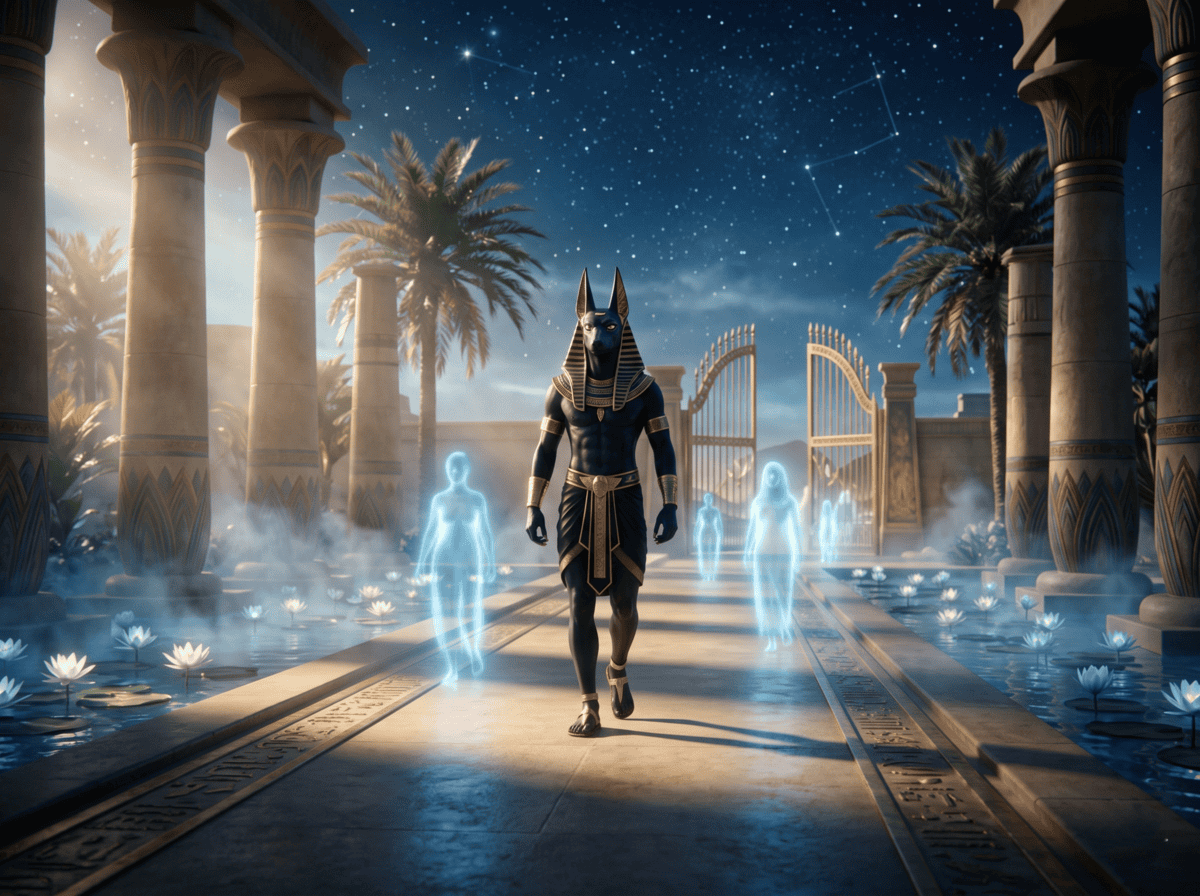
The journey after death was not considered simple in ancient Egyptian belief.
Souls faced challenges, judgments, and unfamiliar realms before reaching their final destination. Anubis acted as a guide during this process.
Much like a trusted escort helping someone navigate an unfamiliar place, Anubis led souls safely through the afterlife.
This role made him especially important because few experiences seemed more uncertain than what awaited after death.
People found reassurance in believing that a wise and powerful guardian would accompany them.
The image of Anubis guiding souls reflects a surprisingly comforting idea. Even in death, no one had to travel alone.
His presence represented protection, guidance, and support during a journey that every person would eventually face.
7. He Oversaw the Weighing of the Heart
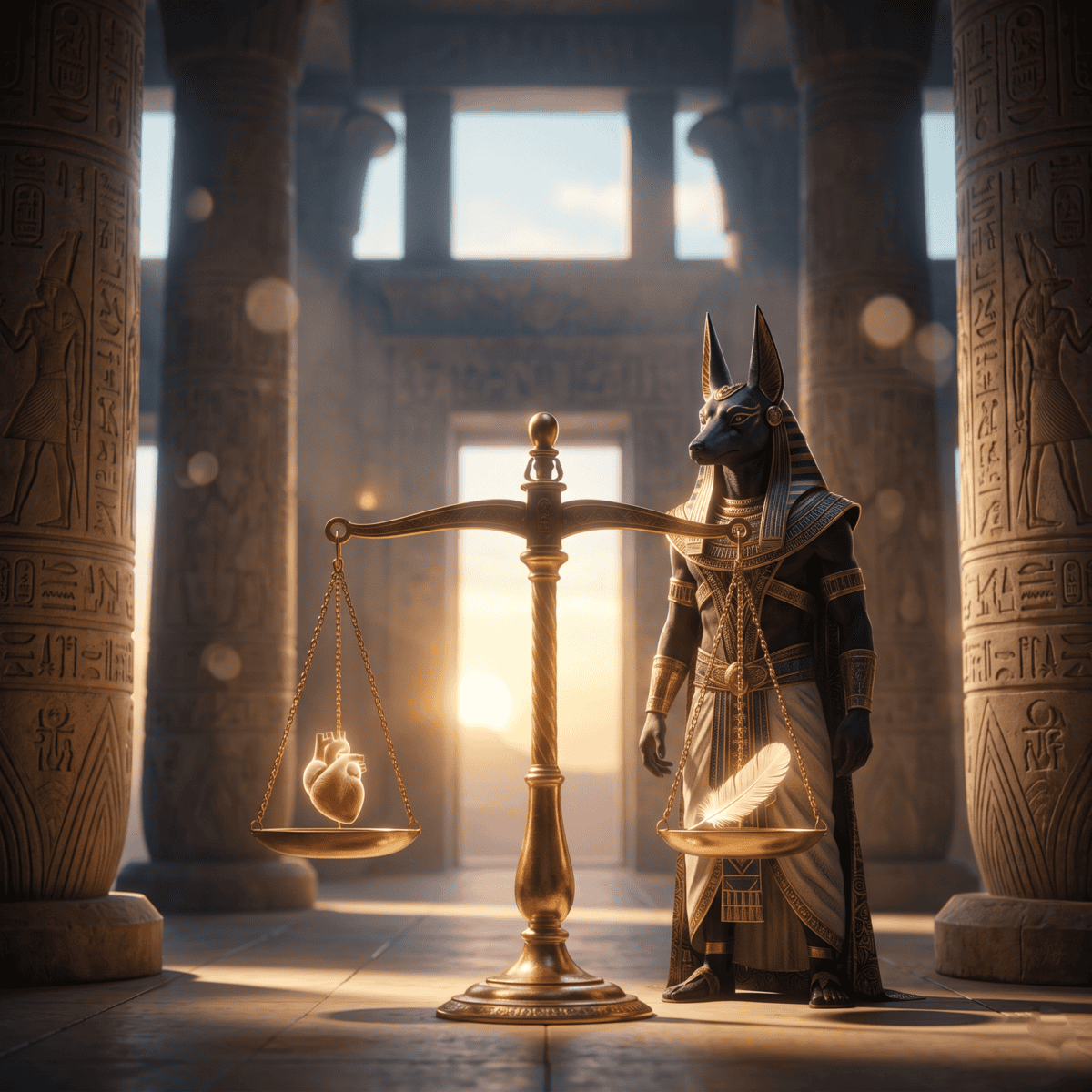
One of the most famous scenes in Egyptian mythology involves Anubis standing beside a giant scale.
According to tradition, a deceased person’s heart was weighed against the feather of Ma’at, the goddess of truth and justice.
The heart represented a person’s actions and character throughout life.
If it balanced with the feather, the soul could continue into the afterlife. If it failed, the outcome was far less favorable.
Anubis supervised this important ceremony, ensuring the process remained fair and accurate.
Imagine facing a test where every choice you ever made mattered.
This powerful image reminded Egyptians that honesty, fairness, and good behavior were important throughout life.
It also reinforced Anubis’s role as a guardian of justice rather than simply a god of death.
8. Anubis Remains One of Egypt’s Most Famous Gods
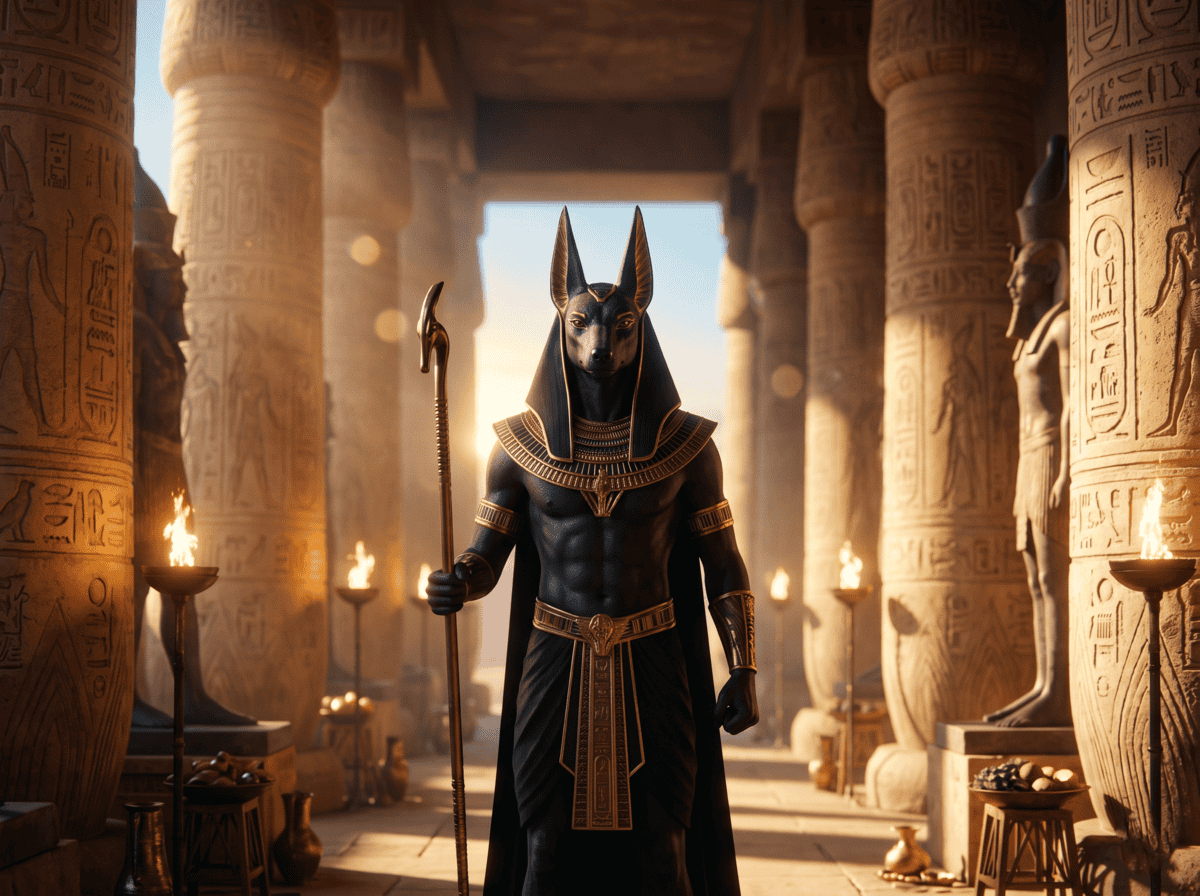
Thousands of years have passed since the height of ancient Egyptian civilization, yet Anubis remains instantly recognizable around the world.
His striking appearance, important responsibilities, and fascinating mythology continue to capture people’s imaginations.
Movies, books, museums, and documentaries frequently feature him as one of the most iconic figures from ancient Egypt.
Part of his lasting appeal comes from the role he played. Anubis was not a conqueror or a destroyer.
He was a protector who helped people during one of life’s greatest mysteries. That purpose gives his story a timeless quality.
More than a god of tombs and mummies, Anubis became a symbol of guidance, protection, and the belief that even the most uncertain journeys are easier when someone is there to lead the way.

I always felt a strong connection to the Divine since my birth. As an author and mentor, my mission is to help others find love, happiness, and inner strength in the darkest of times.